







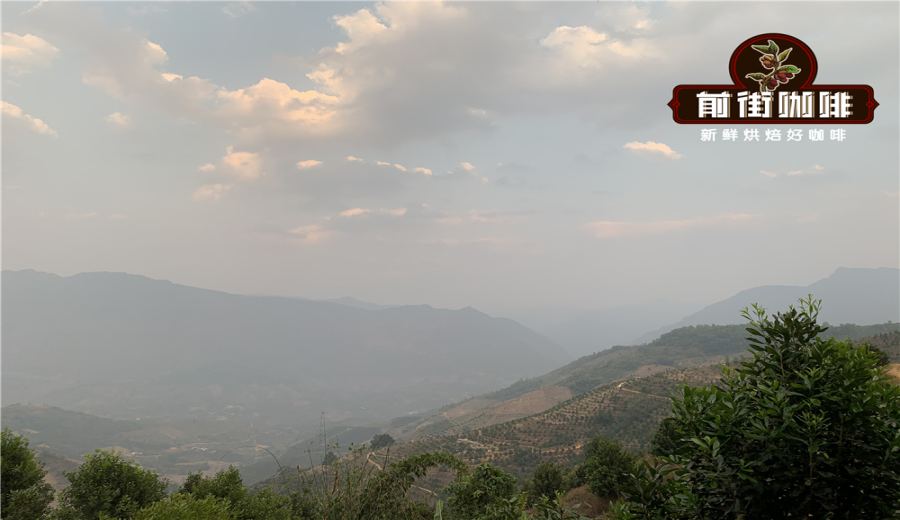
Introduction:As one of the few regions in China capable of growing high-quality Arabica coffee, Yunnan’s unique geographical environment nurtures small-bean coffee with distinctive flavors. This article delves into the terroir conditions of key producing areas such as Lincang, Baoshan, Pu’er, and Dehong, provides a detailed comparison of the flavor profiles and cultivation challenges of three major varieties — Typica, Bourbon, and Catimor — and offers professional pour-over brewing parameters along with expected flavor outcomes to help coffee enthusiasts fully grasp the potential and characteristics of Yunnan coffee.
Located near the Tropic of Cancer, Yunnan benefits from high altitude, abundant sunlight, and significant day-night temperature variations, making it China’s most sizable and promising specialty coffee origin. The small-bean coffee produced here is known for its rich body without being overly heavy, gentle yet layered acidity, gradually gaining international attention. Whether you're a beginner exploring single-origin coffee or an advanced enthusiast seeking flavors from emerging regions, understanding the characteristics of Yunnan’s producing areas and variety differences can help you uncover unexpected surprises.
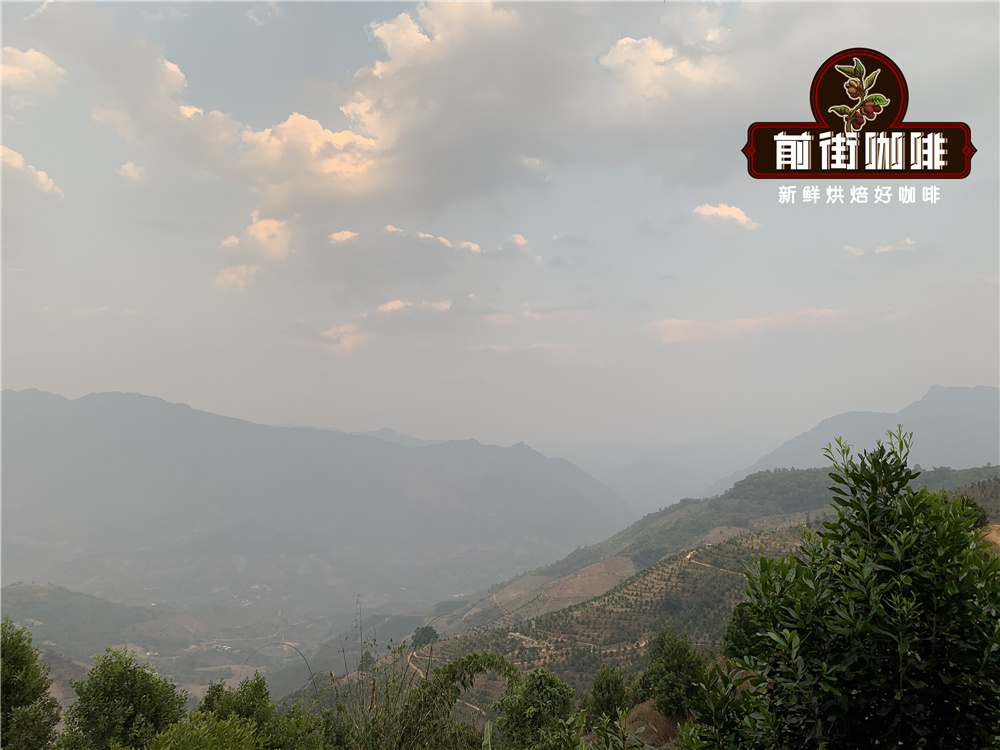
Yunnan’s coffee-growing areas are mainly concentrated in mountainous regions at elevations between 1,500 and 2,000 meters. These areas not only enjoy long sunshine hours and even rainfall distribution but also benefit from significant day-night temperature differences, which help coffee cherries accumulate rich flavor compounds. Such environmental conditions often result in Yunnan coffee exhibiting a balanced profile of low bitterness, medium-to-high acidity, and pronounced sweetness, making it particularly appealing to drinkers who favor fruity and nutty notes.
In terms of regional distribution, Lincang, Baoshan, Pu’er, and Dehong are the four core coffee regions in Yunnan. Among them, Dehong, situated in high-altitude mountainous areas with widespread organic farming practices, often produces coffee with bright acidity and delicate floral notes. Since introducing coffee cultivation in the 1950s, Baoshan has leveraged its stable climate and fertile soil, and its “Baoshan Small-Bean Coffee” received China’s National Geographical Indication Protection in 2010, making it a high-quality origin favored by international buyers. Lincang, adjacent to the Lancang River with distinct dry and wet seasons, is especially suitable for cultivating coffee trees with robust root systems, and in recent years has attracted many specialty coffee estates. Pu’er, a well-known tea region, also has a coffee cultivation history of over a century, serving as a traditional hub integrating production and sales.
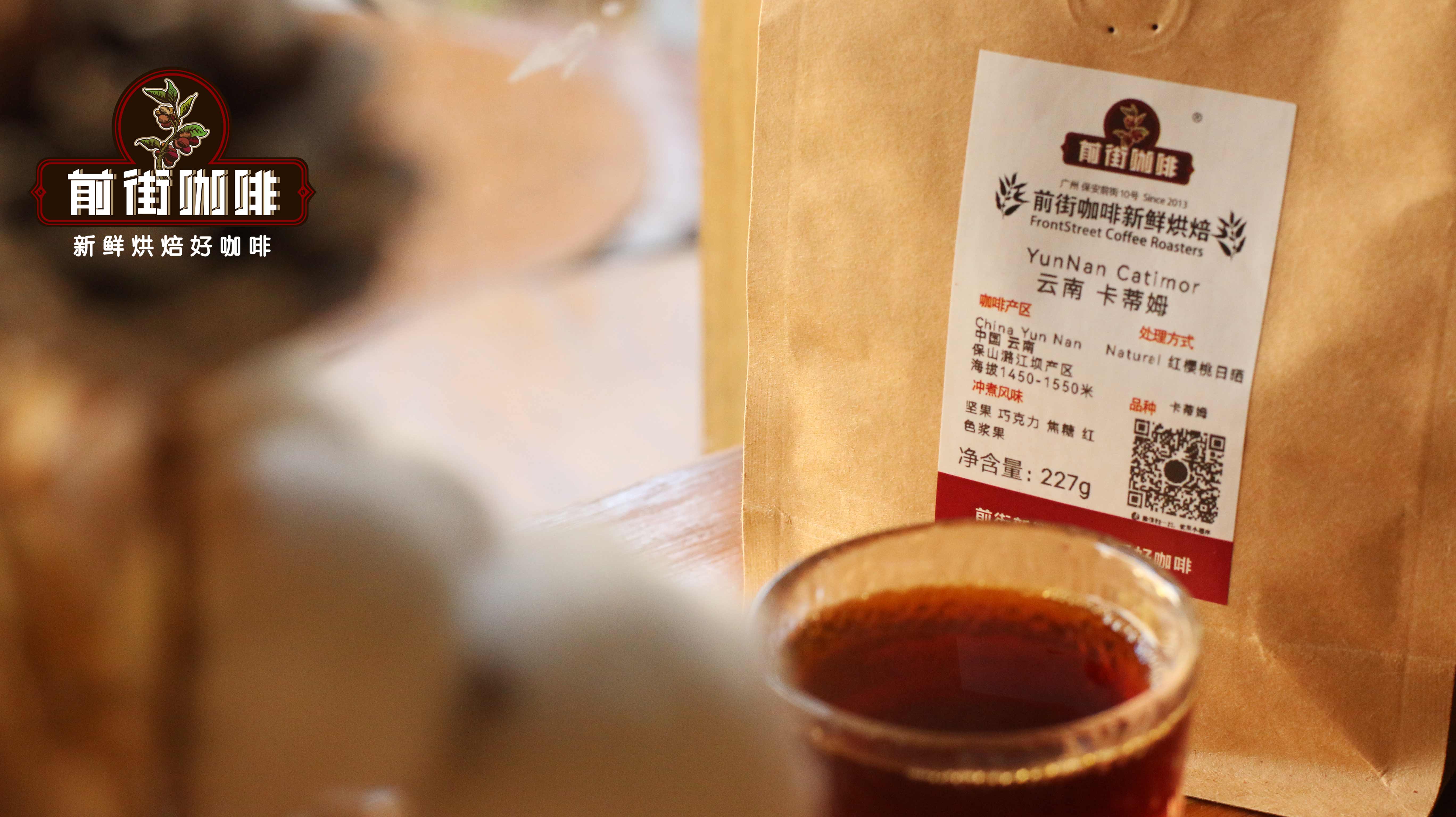
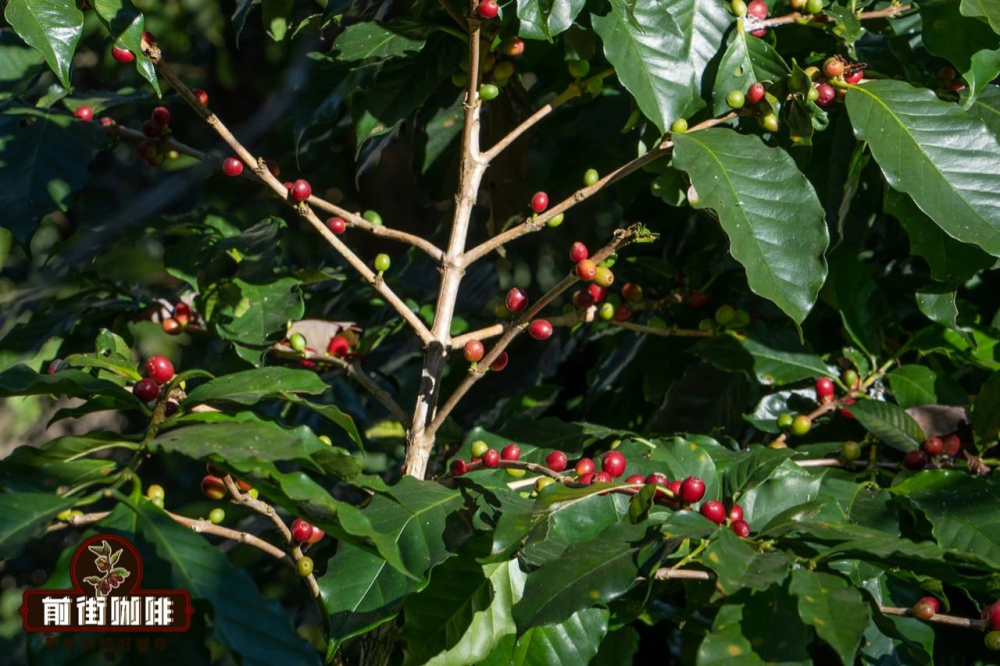
In terms of varieties, Catimor currently dominates in Yunnan. While this variety boasts disease resistance and high yield, its 25% Robusta genetic makeup often leads to a more one-dimensional flavor profile, prone to astringency and heavy bitterness. In contrast, Typica and Bourbon are classic representatives of high-quality Arabica: Typica is known for its elegant acidity, delicate sweetness, and pronounced floral notes, but it yields less and is susceptible to rust, requiring more meticulous management. Bourbon excels in aromatic complexity and body richness, thriving at mid-altitudes between 1,200 and 2,000 meters, though it is sensitive to climatic changes and pests, necessitating careful attention to the growing environment.
It is worth noting that Yunnan’s coffee farmers often face a dilemma in variety selection: while Catimor offers high yields and strong disease resistance, its flavor potential is limited. On the other hand, Typica and Bourbon can showcase the refined qualities of specialty coffee, yet they require more refined field management and higher input costs. This explains why many specialty coffee estates are increasingly turning their attention back to traditional varieties, hoping to unlock the ultimate flavors of Yunnan coffee through optimized cultivation techniques.
In terms of actual brewing performance, washed Yunnan Typica often presents a base dominated by nutty tones, with soft acidity and notable berry flavors, a prominent sweetness accompanied by a faint tea-like finish, overall well-balanced with a long aftertaste. When processed via natural sun-drying, the fruitiness becomes even more expressive, with enhanced sweetness and body, making it ideal for those who prefer sweet, fruity profiles. As for Catimor, although slightly inferior in aroma complexity, it can still deliver rich chocolate and caramel flavors through precise roasting and extraction, suiting consumers who prefer bold, full-bodied tastes.
For readers wishing to brew Yunnan coffee at home, it is recommended to use a V60 filter, with water temperature controlled at 88°C, a powder-to-water ratio set at 1:15, and grind size roughly equivalent to 80% of a Chinese standard No. 20 sieve (similar to coarse sugar). Specifically, start with a 30-second bloom using double the coffee’s weight in water (about 30 grams), then pour in a slow circular motion until reaching 125 grams for the first pour, followed by a second pour up to 225 grams, with total extraction time around 2 minutes. These parameters can fully highlight the layers and unique flavors of Yunnan coffee, whether it’s the delicate washed Typica or the rich and bold Catimor.
Additionally, for the best flavor experience, it is recommended to choose freshly roasted beans within 5 days of roasting and ensure a 4 to 7-day resting period before brewing, allowing carbon dioxide to dissipate fully for a smoother cup. If purchasing coffee powder, it is advisable to grind and brew immediately to avoid aroma loss due to oxidation. Whether you’re trying single-origin coffee for the first time or looking to explore the unique charm of China’s domestic coffee regions, gaining an in-depth understanding of Yunnan coffee’s regional characteristics and variety differences will open a new chapter in your coffee journey.
The above content is compiled by CoffeeHunters, a coffee news website.


