







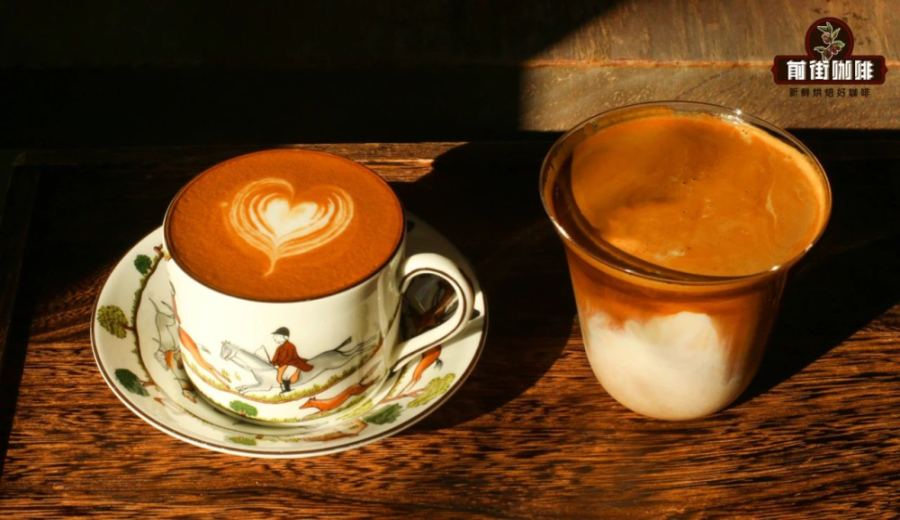
Introduction:Although latte is often the first choice for many coffee beginners exploring espresso-based drinks, many people feel that their homemade or takeaway lattes tend to be on the bitter side. In fact, the source of bitterness may come from the espresso extraction, the choice of beans, or even the ratio of milk to coffee. This article takes an in-depth look at the three key factors that influence the flavor of a latte and offers practical tips for adjustments, helping you make a smoother, well-balanced latte.
Latte is the go-to choice for many people trying espresso-based coffee for the first time. However, whether you’re enjoying it at a café or making it yourself, you might sometimes find that the latte has a slight bitter taste. Where does this bitterness come from? In fact, it’s closely related to the extraction level of the espresso, the quality and roast level of the coffee beans, as well as the ratio of milk to coffee.
The word "latte" in Italian means "milk," so a latte coffee is essentially a coffee beverage that is primarily milk-based. Compared to other milk coffees, such as the Flat White (with a lower milk ratio), a latte contains more milk, tasting more like milk with a hint of coffee aroma rather than coffee with a milky note. However, this doesn’t mean the espresso isn’t important—in fact, it provides the core flavor and complexity of the entire drink.
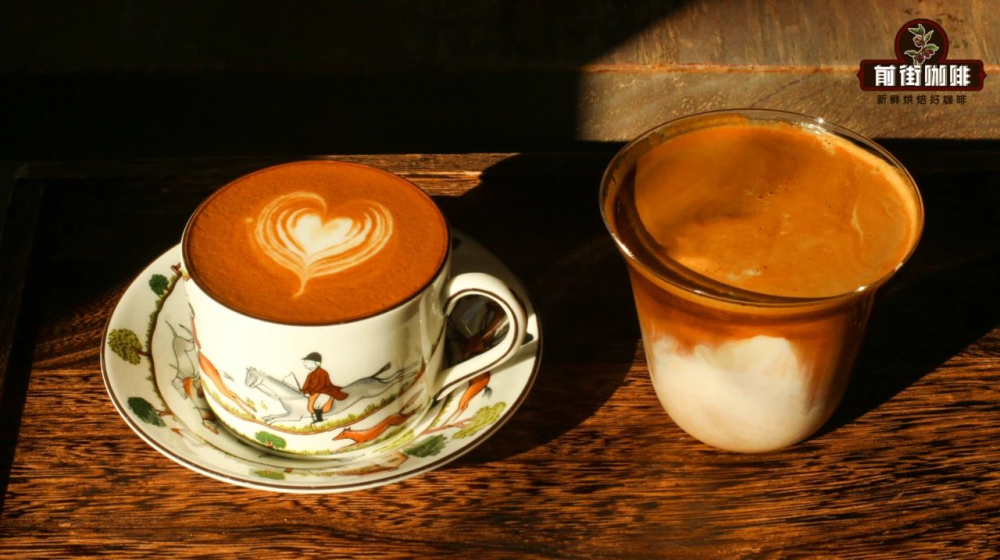
If you want your latte to have a smooth mouthfeel and noticeable sweetness, choosing the right coffee beans is the first step. It is recommended to use freshly roasted beans within 10 days, as coffee flavors generally start to decline gradually after around 60 days post-roast. Beyond that timeframe, both flavor performance and complexity significantly deteriorate. Freshly roasted beans not only have richer aromas but also better showcase the balance between milk and coffee.
The first major cause of bitterness in a latte is the type of coffee beans used. If the beans are roasted too dark, they can easily release excessive charred and carbonized flavors, resulting in a noticeable bitter and astringent taste. If you prefer a smoother flavor profile, consider using a medium-roast blend. These beans typically have fruity, nutty, or caramel notes, offering a more mellow coffee experience.
The second common reason isover-extraction. Extraction refers to the process of dissolving flavor compounds from coffee grounds using water. Generally, about 30% of the components in coffee beans can be extracted by water, but only 18% to 22% of that falls within the ideal extraction range. Once extraction exceeds 22%, it pulls out more of the later-stage large molecular compounds, which often carry pronounced bitterness and astringency, potentially overwhelming the earlier-stage delicate acidity and sweetness.
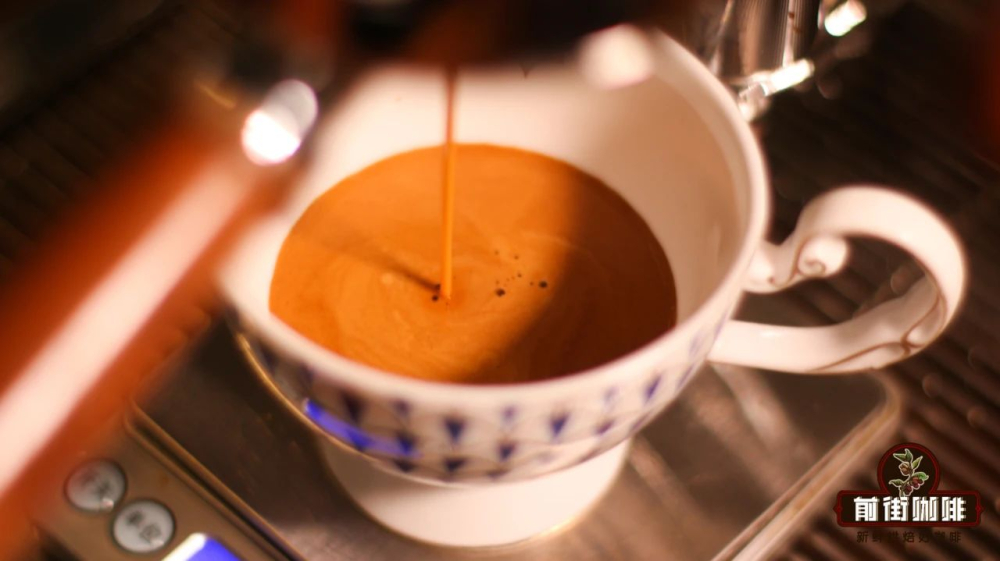
The ideal espresso extraction time is around 25 to 30 seconds, with a recommended coffee-to-water ratio of about 1:2—that is, extracting approximately 36 milliliters of espresso from 18 grams of coffee grounds. These parameters help balance acidity, sweetness, and bitterness while achieving a desirable body and crema. If the extraction time is too long, the water temperature is too high, or the grind size is too fine, it can easily lead to over-extraction, making the latte taste more bitter.
Additionally, individual taste sensitivity varies. Some drinkers are naturally more sensitive to bitterness. Even though the milk in a latte greatly mellows the intensity of the espresso, they may still perceive the overall taste as bitter. In such cases, adjusting the milk-to-espresso ratio—such as increasing the amount of milk or reducing the amount of espresso—can effectively lower the perceived bitterness.
The choice of milk and the steaming technique also affect the final taste. Whole milk, due to its higher fat content, produces creamier foam and a smoother texture, which helps neutralize the bitterness of the coffee. When steaming milk, it is recommended to keep the temperature between 60 to 65°C. Temperatures that are too high not only risk destroying the milk’s natural sweetness but can also make the foam coarse, affecting the overall smoothness of the drink.
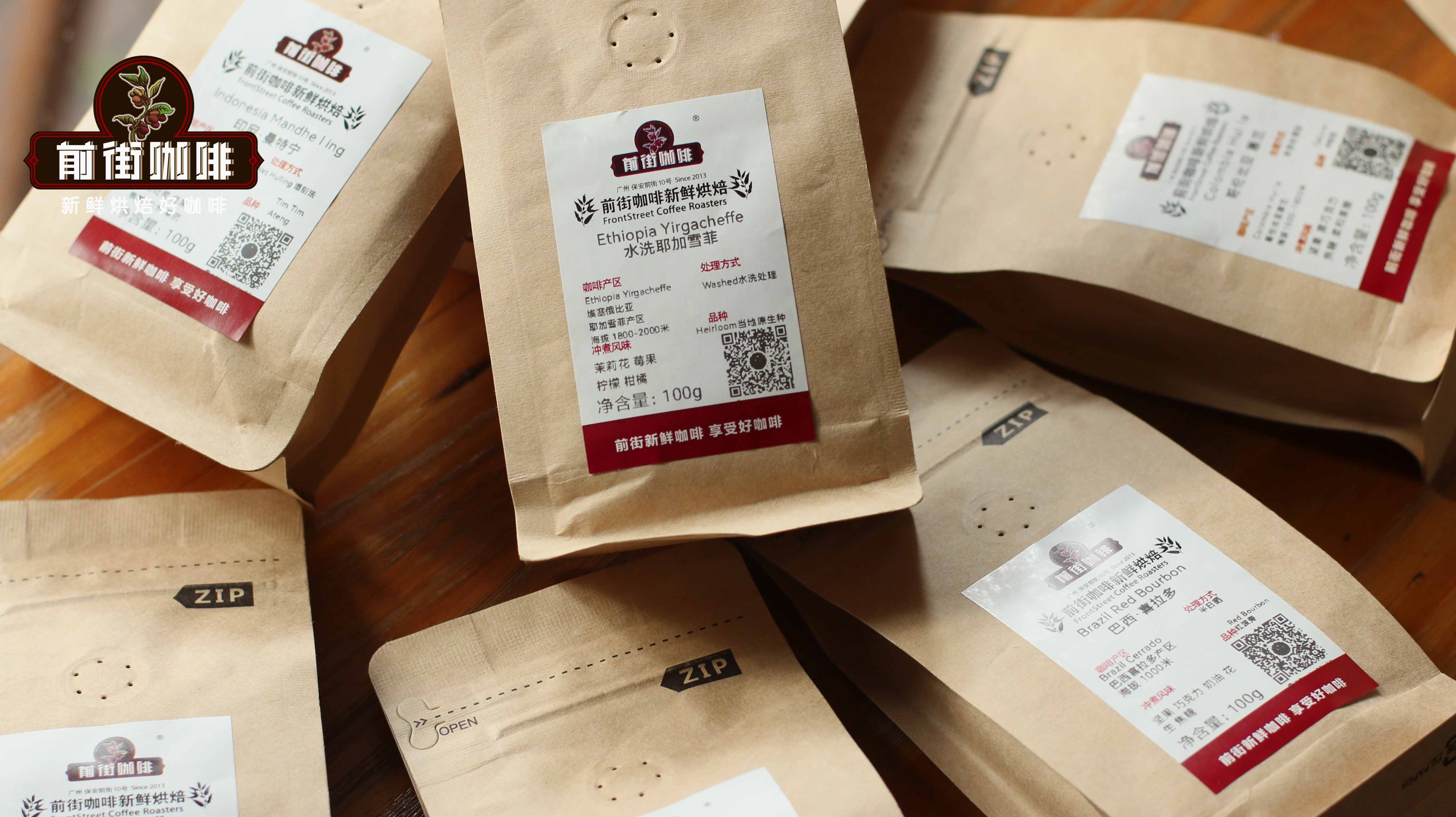
If you wish to brew a balanced, sweet-tasting latte at home, it is recommended to start with bean selection and extraction parameters. Choosing a medium-dark roast, oily blend can help enhance the richness and smoothness of the overall flavor. When extracting espresso, pay attention to the coordination of water temperature, grind size, and extraction time, which can effectively control the release of bitterness.
In summary, the bitterness in a latte is not unadjustable. By understanding the three key elements that influence flavor—the quality and roast level of the coffee beans, the technique and parameters of espresso extraction, and the ratio of milk to coffee—you can gradually find the latte recipe that best suits your taste. Whether you're enjoying it at home or ordering at a café, you can more confidently select or adjust a latte that meets your expectations.
The above content is compiled by CoffeeHunters, a coffee news website.


