







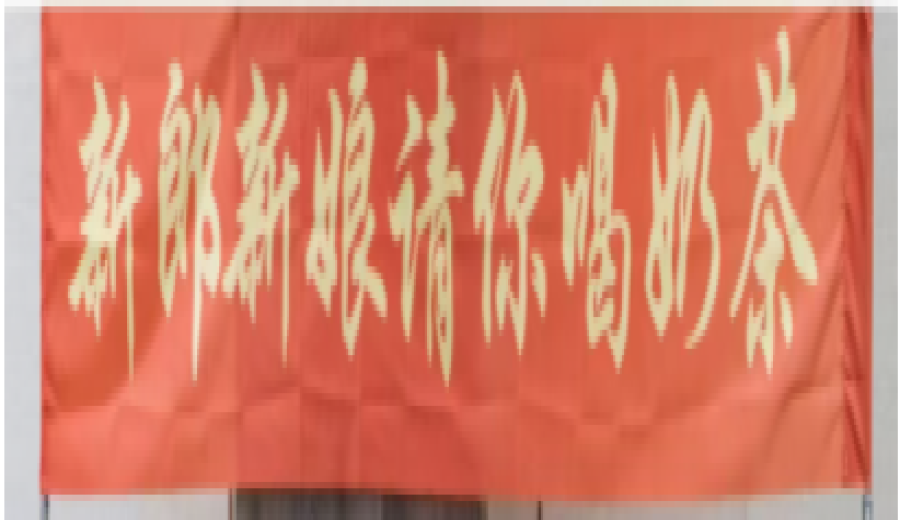
Introduction:When wedding toasts no longer revolve solely around hard liquor, Gen Z and millennial couples are redefining the act of raising a glass at weddings—with bubble tea taking center stage. From the viral success of the Golden Cup Bubble Tea Wedding in Shanghai to over 320,000 related discussions on social media, this new trend of “tea instead of alcohol” not only reflects younger generations’ pursuit of health and individuality but also quietly reshapes traditional wedding drinking customs. This article delves into the cultural significance behind this trend, practical ways to implement it, as well as parental acceptance and useful tips.
Do you have to drink alcohol when making toasts at a wedding? More and more Gen Z and millennial couples are choosing bubble tea over baijiu, showcasing a markedly different wedding style from that of their parents’ generation. From a Shanghai couple serving guests golden cup bubble tea to over 320,000 posts generating buzz on social platforms, this new “tea instead of alcohol” wedding trend is gradually rewriting our conventional perceptions of wedding toasts.
In traditional wedding settings, raising a glass of baijiu together symbolizes celebration and blessings, but it often comes with the stress-inducing interactions of peer pressure drinking and drinking games. Nowadays, an increasing number of young couples are opting to toast with bubble tea, not only avoiding the physical burden of alcohol but also creating a more relaxed and enjoyable wedding atmosphere. A Gen Z couple from Shanghai shared that they specifically chose a newly launched brand’s golden cup bubble tea to replace traditional baijiu, crafting a toast segment that was both eye-catching and full of sincerity.
This new trend quickly went viral on social media, with the hashtag #YoungPeopleRevampingWeddingsWithTeaInsteadOfAlcohol trending, sparking resonance among numerous netizens. Many comments pointed out that the “drink-until-you-drop” vibe of traditional drinking culture often feels off-putting, especially the practice of pressuring others to drink and the rigid hierarchy of toasting rules, which make younger generations uncomfortable. One netizen bluntly stated: “A wedding should be harmonious and joyful, not ruined by a drinking scene.”
Interestingly, the practice of replacing alcohol with tea actually draws on the deep cultural roots of China’s traditions of “serving tea to guests” and “wedding pillow tea.” In ancient wedding ceremonies, tea rituals symbolized marital harmony, and tea as a hospitality drink represented courtesy and respect. Today, young people reinterpret this cultural essence in a modern way, showcasing innovative thinking while also aligning with the contemporary emphasis on health and personal choice.
Many young engaged couples say this form of toasting makes them feel much more at ease:“We can complete the toast ceremony without drinking alcohol, and we can even enjoy the sweetness of bubble tea with our guests.”. One bridesmaid even said: “If I can openly drink bubble tea at a wedding, I’d be willing to be a bridesmaid again!” Not only that, but couples can also design bubble tea stations with various flavors tailored to their wedding theme—such as pearl milk tea, coconut jelly green milk tea, or signature blends—to add fun and memorable touches to the event.

In practice, if couples want to incorporate bubble tea toasts, it’s recommended to communicate in advance with the wedding venue and catering suppliers to ensure the supply, temperature control, and presentation of the bubble tea align with the wedding timeline. Generally, preparing about one cup per guest is advisable, and traditional alcoholic options such as red or white wine can be reserved for elders to accommodate different generational preferences. Additionally, the cup type and design are key points—using uniform and high-quality cups can enhance the overall visual effect. For instance, metallic cups or custom-printed paper cups featuring the couple’s names can make the bubble tea toast segment more memorable.
Discussions on social platforms also show that many elders are more accepting of bubble tea toasts than expected. Numerous feedbacks mention that today’s elders also enjoy drinks like bubble tea and juice, and as long as the atmosphere is pleasant, the type of beverage isn’t the main concern.“What matters most is that everyone is happy—the drink itself is secondary.”This open-minded attitude also allows young couples to more confidently realize their ideal wedding vision.
Wedding customs experts point out that over the past century, wedding traditions have continuously evolved—whether it’s the style of the wedding dress, the wedding menu, or the way toasts are made—all have adjusted according to the times and generational values. Now, the phenomenon of bubble tea replacing baijiu is one manifestation of this natural evolution, reflecting younger generations’ pursuit of personalization, health, and cultural innovation.
The above content is compiled by CoffeeHunters, a coffee news website.


