







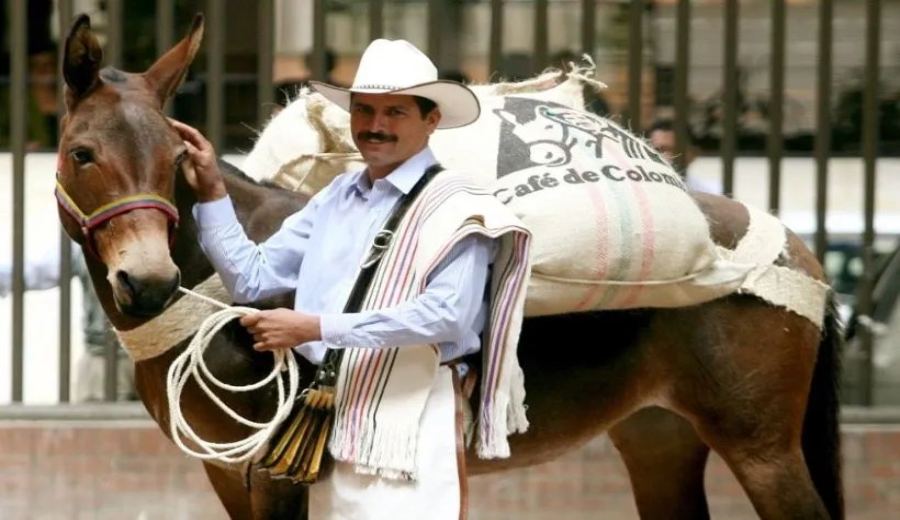
Introduction:Colombian coffee is renowned for its consistently high quality and well-balanced flavors, and behind this reputation stands the iconic figure of “Uncle Juan” leading his mule. This article will take you through the origins of this classic image, the meaning behind Colombia’s triangular coffee logo, and the role Colombian coffee plays in blends. We’ll also explore its common flavor characteristics and recommend suitable blending options to help you gain a deeper understanding of this important coffee-growing region.
In the global specialty coffee landscape, Colombia has always played a pivotal role. When people think of this major South American coffee-producing country, many immediately picture a coffee farmer leading a mule — the familiar “Uncle Juan.” Created in 1959 by the Colombian Coffee Growers Federation (FNC), this iconic image is not just a marketing symbol but also carries the stories of over 550,000 actual coffee farmers, as well as the unique geography and climate of the Andes Mountains.
The image of Uncle Juan is inspired by typical coffee growers from the Paisa region in central Colombia. He is often depicted with a thick beard, wearing durable work clothes, draped in a traditional poncho, and topped with a wide-brimmed Aguadeño straw hat, always accompanied by his loyal mule, “Conchita.” This portrayal encapsulates the daily lives of millions of coffee workers in Colombia — most of whom manage small farms, relying on family labor and traditional methods to painstakingly grow high-quality coffee.
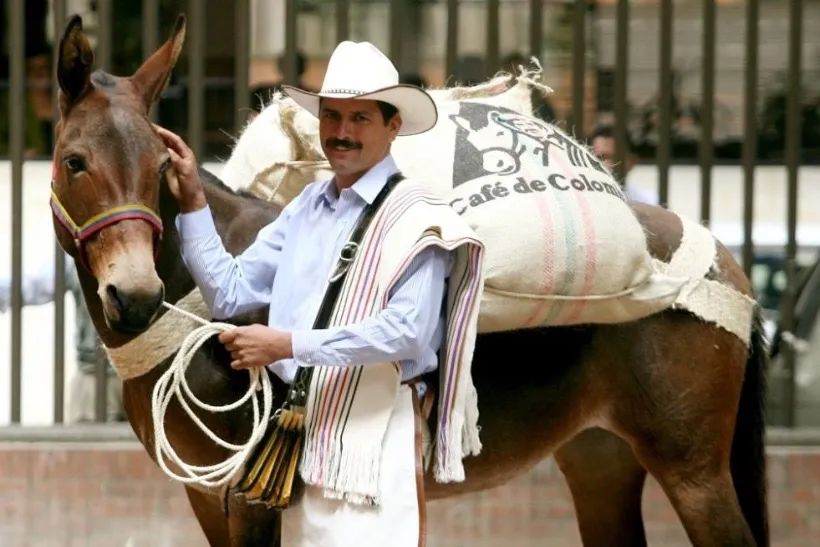
Colombia’s coffee-growing regions are mainly distributed along three mountain ranges that traverse the country — the Andes. The rugged terrain and scattered villages make transportation challenging in many producing areas. As a result, mules remain an important means of transporting coffee cherries down the mountainsides for some farmers. This environment has also contributed to the typically bright acidity, balanced flavor profile, and distinctive regional aromas found in Colombian coffee.
Looking back at history, since its establishment in 1927, the FNC has been dedicated to improving the overall quality and international image of Colombian coffee. Although Colombian coffee was already widely used in blends around the world at the time, consumers often only knew it for being “reliable,” with little awareness of its origin or unique flavor profile. It wasn’t until 1958, when the FNC commissioned the U.S.-based DDB advertising agency to develop an image marketing campaign, that the beloved “Uncle Juan” was born. According to statistics, within just five months of the campaign’s launch, the number of Colombian coffee consumers in the United States increased nearly threefold.
Uncle Juan not only helped consumers see the real people behind the coffee but also successfully established Colombian coffee as a representative of “single-origin, high-quality beans.” Particularly in the U.S. market at the time — which consumed 77% of Colombia’s coffee production — only about 4% of consumers were aware of the beans’ origin. This branding campaign successfully shifted public perception and laid the foundation for Colombian coffee to later break into the premium market.
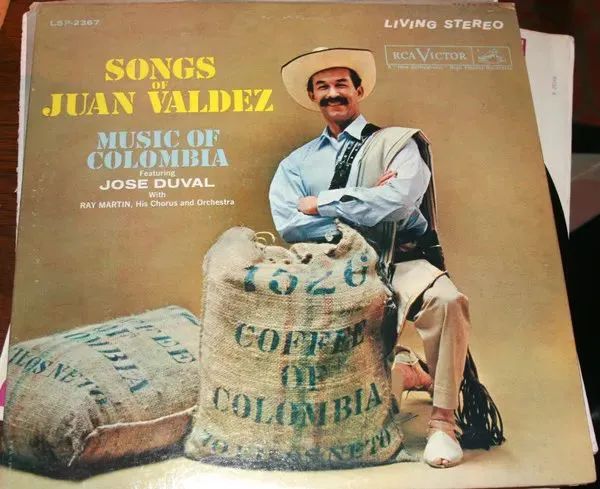
To further ensure consumers could purchase authentic Colombian coffee, the FNC launched the “100% Colombian Coffee Program” in the early 1980s and designed the triangular logo still in use today. This emblem features a simple yet powerful triangular design symbolizing the Andes Mountains, paired with the silhouettes of Uncle Juan and his mule, and clearly labeled “100% Café de Colombia” at the bottom. This logo has become a key identifier for consumers worldwide to recognize genuine single-origin Colombian coffee and has also strengthened the brand value of the coffee’s origin.
Today, Uncle Juan has evolved into a physical coffee shop chain, “Juan Valdez Café,” with hundreds of locations across more than ten countries. The interior decor incorporates traditional Colombian elements, such as local tiles, lush vertical gardens, and tables and chairs made from recycled coffee wood, creating a strong rural coffee atmosphere. The burlap sacks also serve as constant reminders of the journey coffee takes from farm to cup.
If you’re curious about the actual flavors of Colombian coffee, you might want to try some common blend combinations. For example, one coffee brand once released a blend combining beans from Colombia’s Huila region and Brazil’s Cerrado region, which, when used for espresso, delivers a balanced bitterness and sweetness. Huila coffee typically features bright fruity acidity, rich aroma, and moderate sweetness, while Cerrado contributes a smooth mouthfeel and solid body. The overall cup is silky and clean on the finish, making it an excellent base for daily shop blends or home pour over sessions.
In summary, the charm of Colombian coffee comes not only from its exceptional geographical conditions but also from the FNC’s long-term dedication to promoting both the region’s image and quality. Uncle Juan and his mule have long become symbols of quality and integrity in the hearts of coffee lovers worldwide. And the next time you see that familiar triangular logo, or sip a cup of Colombian beans from Huila or Antioquia, you may find yourself with a deeper appreciation and understanding of the story behind that cup of coffee.
The above content is compiled by CoffeeHunters, a coffee news website.


