








Introduction:The moka pot is an espresso extraction tool that’s easy to use both at home and outdoors. But to brew a cup of coffee with balanced flavor and rich crema, choosing the right coffee beans and mastering the grind size are key. This article delves into the structure and principles of the moka pot, teaches you how to select medium to dark roasted beans that pair well with it, and provides operation tips and detailed steps for using a Bialetti moka pot—helping you consistently extract rich, smooth coffee whether at home or on a camping trip.
Thanks to its simple operation and lack of complicated equipment, the moka pot has become the go-to brewing tool for many coffee enthusiasts at home or outdoors. Especially with the rise of camping culture, all you need is a portable stove to enjoy a shot of espresso-style coffee anytime, making it especially popular among younger crowds. However, to truly extract a coffee that’s full-bodied and rich in crema, in addition to the pot itself, the choice of coffee beans, grind size, and brewing technique are all critical factors affecting the final result.
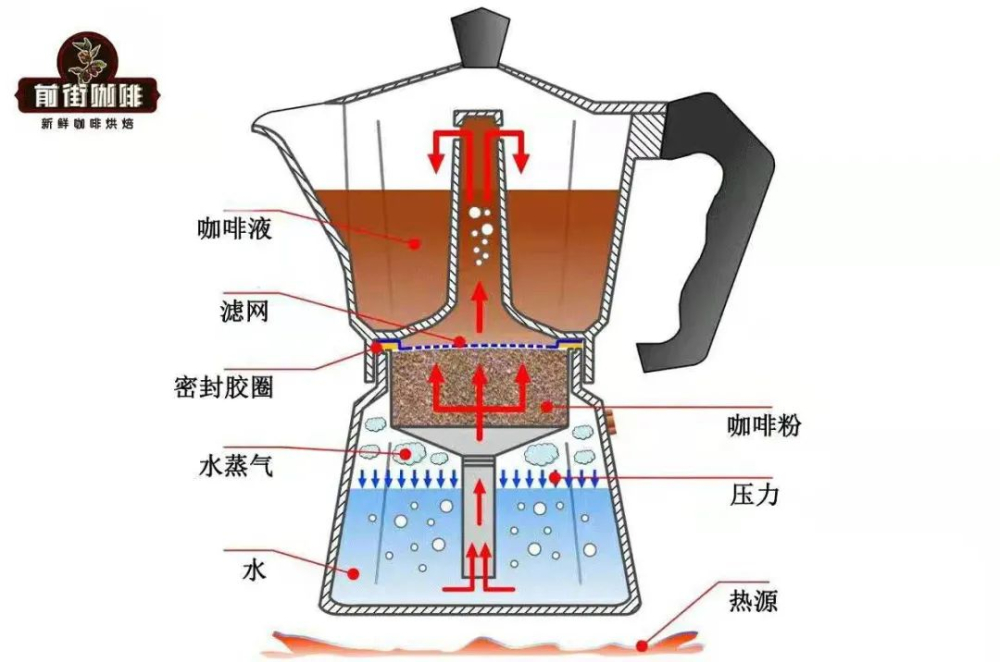
The moka pot works by heating water in the lower chamber, turning it into steam, which then generates pressure to push the hot water up through a funnel filled with ground coffee in the middle, eventually collecting the brewed coffee in the upper chamber. Since the entire process takes place under high temperature and a certain amount of pressure, it is not suitable for light roasted beans with pronounced acidity. Light roasted beans typically have bright fruit acids and floral notes, but under high-pressure heating, these characteristics can become overly sharp or even develop an unpleasant sourness.
Additionally, light roasted coffee beans contain relatively low levels of carbon dioxide, making it difficult to form the beloved coffee crema (the golden layer) under the pressurized environment of the moka pot. Crema is not only one of the hallmarks of espresso, but also enhances the smoothness and body of the cup. Therefore, it is recommended to use medium to dark roasted beans. These beans usually feature rich caramel, chocolate, or nutty notes, and are more likely to release appropriate flavors and oils during extraction.
If you prefer the unique flavors of single-origin coffee, you might choose a single-origin espresso (SOE) bean like those from Brazil’s Queen Estate, which offers distinct nutty and cocoa aromas, ideal for those who enjoy low-acid, full-bodied flavors. Meanwhile, Indonesia’s Golden Mandheling SOE showcases layers of herbal and spicy notes, delivering a steady and grounded taste experience. For those who prefer the balanced profile of blends, consider a classic Italian blend, known for its rich crema and aromas of dark chocolate and butter. The Strawberry Candy blend features fruity floral notes—like rose, raisin, and dried strawberry—a complex flavor profile suited for fruit-forward coffee lovers.
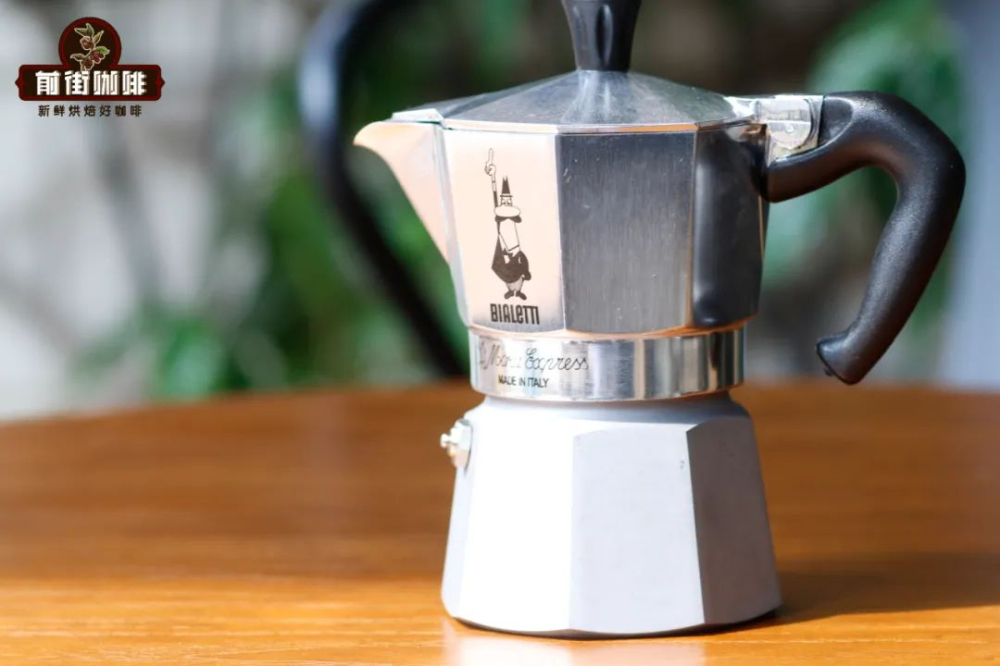
When it comes to equipment, since the moka pot needs to withstand heat and pressure, it’s advisable to choose a brand known for reliable quality, such as Bialetti. This brand has a long history of moka pot manufacturing and generally maintains consistent quality control. The moka pot mainly consists of the upper chamber (coffee collector), a perforated filter plate, the central funnel, and the lower chamber (heating section). The lower chamber is equipped with a safety valve that activates to release pressure if it exceeds safe limits. Always make sure the water level does not exceed the height of the safety valve to prevent dangerous pressure buildup.
For actual moka pot operation, follow these steps: First, pour fresh water into the lower chamber. Be sure the water level does not exceed the safety valve position to avoid pressure buildup and potential danger during heating. Next, fill the central funnel with an appropriate amount of ground coffee. The grind size should be similar to a medium-fine pour over grind. If you prefer a stronger cup, you can grind slightly finer, but avoid going too fine to prevent channeling or over-extraction.
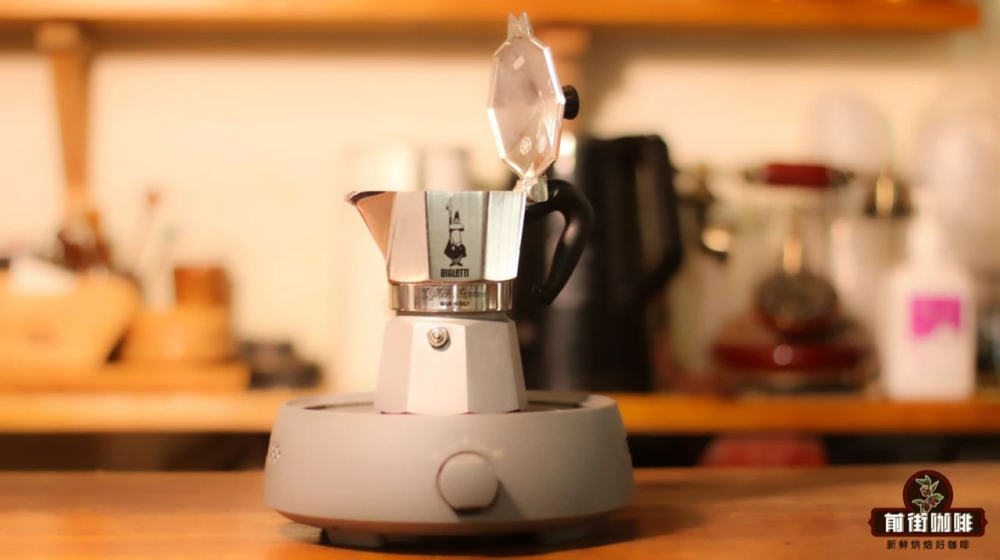
When adding the coffee grounds, distribute them evenly in the funnel, then gently level the surface without tamping too hard, as this may affect water flow rate. If possible, place a filter paper on top of the coffee grounds to help enhance the purity of the extracted coffee. Once all parts are assembled, you can begin heating. Use low to medium heat. When the water boils, the steam pushes the water upward through the coffee layer, and the brewed coffee will gradually drip into the upper chamber.
During extraction, once you hear a clear hissing sound, it usually indicates that most of the coffee has been extracted. At this point, you can turn off the heat. A full extraction typically takes about 3 to 5 minutes, depending on the heat level and amount of coffee used. Over-extending the heating time may lead to over-extraction, resulting in bitter and flat-tasting coffee.
In summary, the moka pot is a user-friendly yet detail-oriented brewing tool. As long as you get the bean selection, grind size, and operation process right, you can enjoy an espresso-like coffee, close to what you’d get at a café, either at home or outdoors. Remember to clean your moka pot after each use and keep the filter and all components clean to maintain optimal brewing performance.
The above content is compiled by CoffeeHunters, a coffee news website.


