







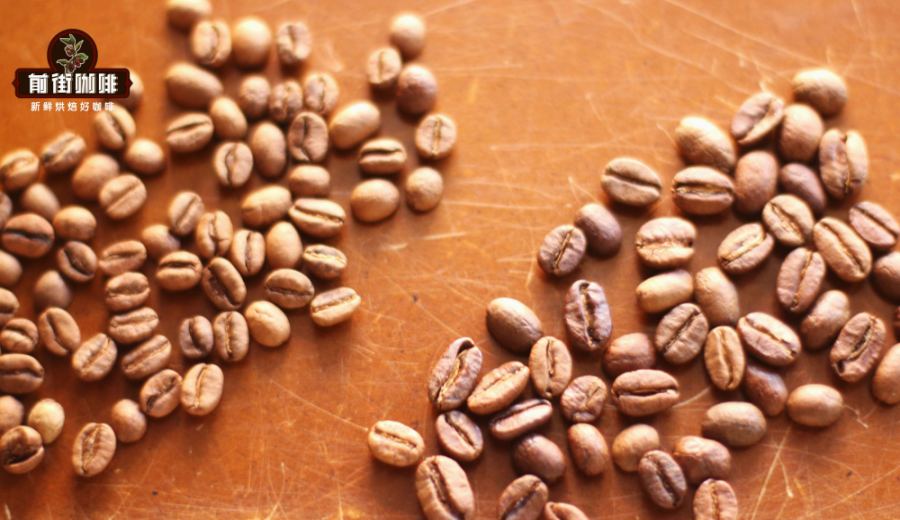
Introduction:Geisha and Hambella G1 (often referred to as Huakui), these two premium coffees that have garnered significant attention in recent years, are often difficult for coffee enthusiasts to distinguish due to their similar names or confusing labels. This article delves into the grading system of Geisha, including the actual meanings behind the Red Label from Hacienda Esmeralda and the Gold Label from Gesha Village, and reviews the evolution of Huakui from TOH champion to its various versions. It also provides a detailed comparison of the flavor profiles of both, helping you better understand their characteristics and differences when selecting or brewing, and grasp key knowledge for choosing and brewing.
Geisha and Hambella G1 (Huakui), these two names may seem unrelated, but they are often confused due to Chinese translations or marketing. In reality, they represent two premium coffees with vastly different flavors and origins, and there are clear differences in market positioning, grading, and processing styles. This article will take you deep into the essence of Geisha and Huakui from aspects such as name origin, grading logic, and actual flavor performance, as well as the true meanings of common labels like Red Label, Gold Label, and version numbers.
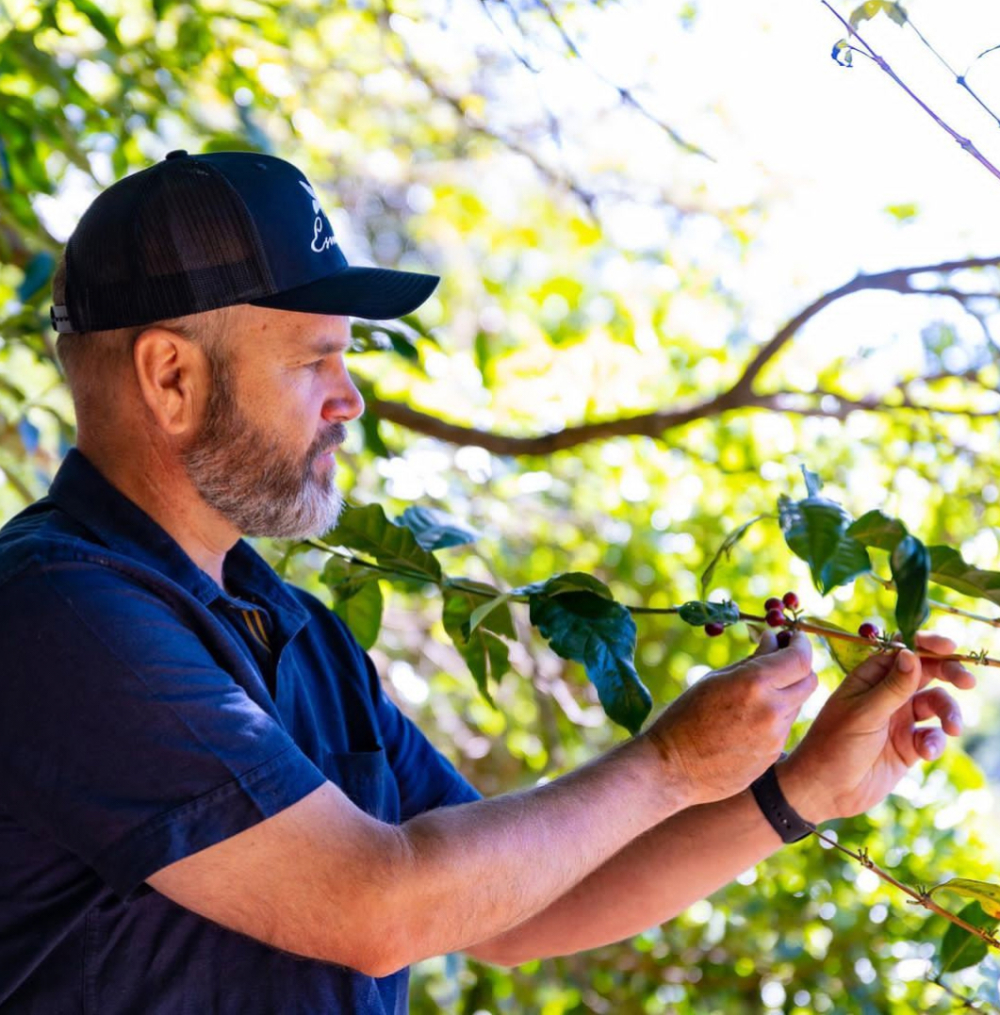
First, let’s talk about the Geisha variety, which originates from the Geisha Zone in southern Ethiopia. It was first discovered in 1931 but only truly rose to international prominence in 2004 when Hacienda Esmeralda in Panama won the Best of Panama (BOP) competition with this variety. Interestingly, because the word "Geisha" is spelled the same as the traditional Japanese geisha (藝者) in English, it is often transliterated as “艺伎” in Taiwan. Later, to avoid confusion and stay closer to the original place name, the Chinese mainland generally adopted the translation “瑰夏”.
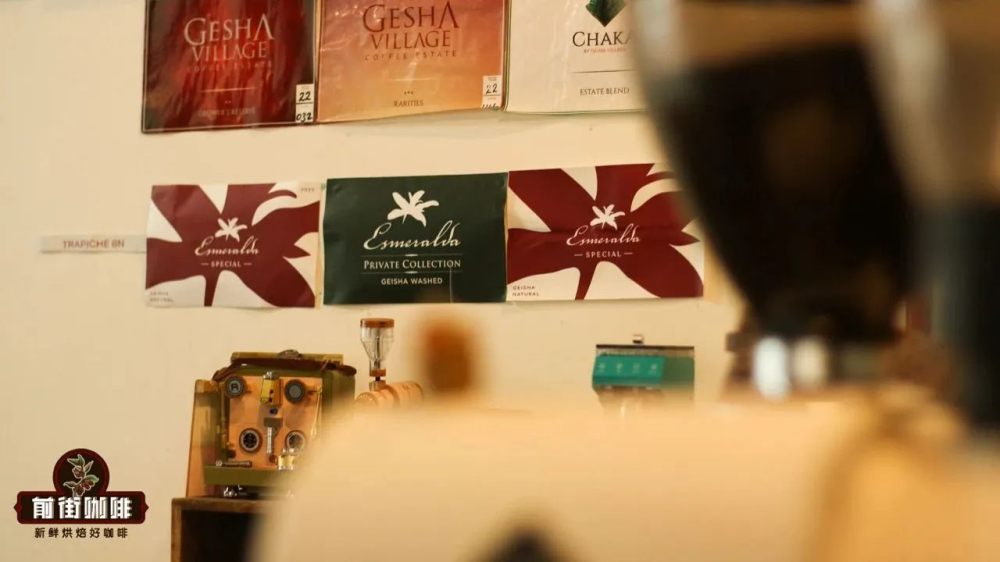
In the market, the most representative top-tier Geisha beans are the "Red Label Geisha" from Hacienda Esmeralda and the "Gold Label Geisha" from Gesha Village. These color-coded names are mainly used to distinguish different grades and sources of Geisha beans. Taking Hacienda Esmeralda as an example, its Red Label Geisha, originally named "Esmeralda Special," represents high-quality lots from the farm that score 91 or above in cupping tests, with each batch accompanied by detailed information on the growing region and processing methods. The name "Red Label" comes from the background color of its packaging trademark. Similarly, Green Label and Blue Label are also market distinctions based on color, but this naming logic is only applicable to the Chinese market, and internationally the original English names are still used.
The Gold Label Geisha from Gesha Village is called "Rarities," meaning “rare treasures,” referring to the highest-quality non-auction Geisha beans from the farm, excluding auction lots. According to official data, Gold Label accounts for only 10% of the farm’s total production, and each batch provides detailed plot information, allowing consumers to better trace flavor differences. It’s important to note that although Red Label and Gold Label both represent high grades in Chinese context, they actually belong to the internal grading systems of different farms and cannot be directly compared. When ordering, it is recommended to confirm the specific origin and farm source with the barista.
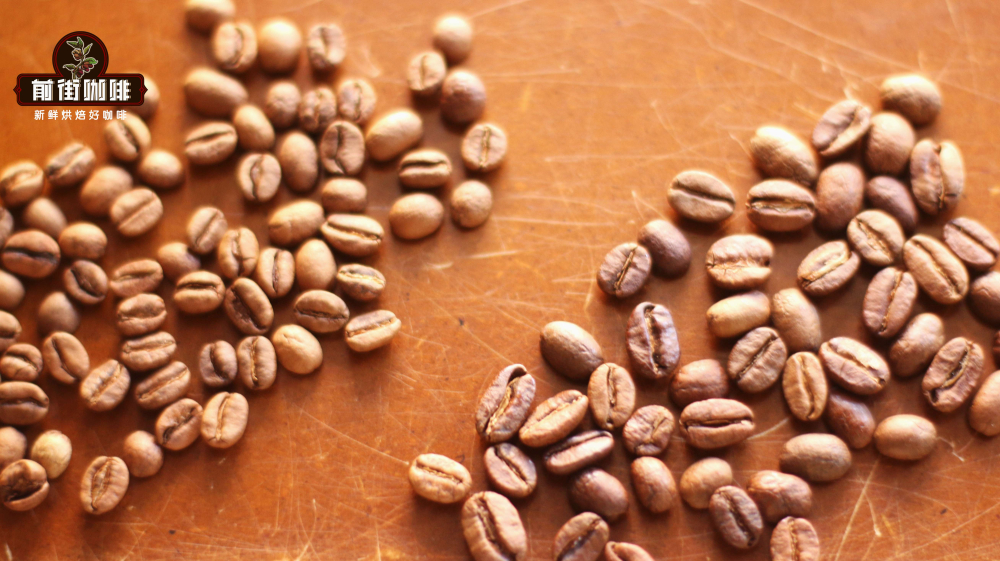
As for Huakui coffee, its story begins in 2017 in Ethiopia’s Guji Zone. At that time, the Buku Abel processing station in the Hambella area, using a naturally processed G1-grade heirloom coffee bean, won the championship in the TOH (Taste of Harvest) competition. This bean quickly gained popularity for its rich strawberry, mango, and other sweet fruit aromas and smooth mouthfeel. Not only did it stand out in the competition, but it also helped contestants achieve excellent results in subsequent World Brewers Cups, firmly establishing its market position.
The version numbering of Huakui, such as the commonly seen "Huakui 8.0," is actually a naming logic introduced after its 2017 championship to differentiate yearly harvests and slightly adjusted flavors. Originally, this bean was simply named after the region "Hambella" and the processing station "Buku Abel." However, due to a surge in market demand, the processing station expanded to multiple natural drying stations, resulting in subsequent batches that, even if from the same region, could have flavor variations due to microclimates and processing details. Therefore, starting in 2018, domestic traders began naming each yearly batch in the format "Huakui X.0." For example, 2018 was Huakui 2.0, 2019 saw 3.0 and 3.1, and 2023 was Huakui 7.0, allowing consumers to clearly identify the harvest season and possible flavor evolution.
As for why some people might mistake Huakui for top-tier Geisha? This is related to naming culture and market rumors. Early on, because the name "Huakui" carries connotations of "top-tier" or "outstanding," and since Geisha is also called "艺伎" in Chinese, some consumers mistakenly believed that Huakui was the highest grade of Geisha, or even thought it was the “Huakui” grade within Geisha. In reality, Huakui is an Ethiopian heirloom G1 natural-processed bean from the Hambella region, and it is not the same as Panamanian Geisha. The two differ significantly in variety, origin, and processing method.
In terms of flavor, Huakui and Geisha also each have their own unique characteristics. Huakui’s dry aroma often carries rich tropical fruit notes like guava, jackfruit, and apricot, and upon tasting, it reveals complex fruit acids and juice sensations such as dried mango, orange, and passionfruit. As the temperature drops, one can also perceive layers of sweetness and acidity from peaches and berries, with an aftertaste as mellow as black tea. In contrast, Geisha exhibits a fresher and more delicate floral and fruity profile, with common flavor notes including white flowers, lemon peel, honey, peach, and a tea-like sensation. As the temperature changes, its layers and textures become even richer, earning it the reputation among many coffee enthusiasts as a “fragrant work of art in coffee.”
In summary, if you are new to these two popular premium coffees, it is recommended to start with their regional characteristics and processing methods. Geisha, led by Panama, has the most mature planting and auction systems, making it ideal for coffee lovers who want to experience its classic floral, fruity, and tea-like flavors. Huakui, on the other hand, excels in natural processing from Ethiopia’s Hambella region, showcasing intense fruitiness and a rich mouthfeel, suitable for those who prefer sweet, tropical flavors. By understanding the actual meanings of grading levels like Red Label and Gold Label and version numbers, you will be able to make more accurate judgments when selecting or tasting, and enjoy the unique flavor journey of each coffee.
The above content is compiled by CoffeeHunters, a coffee news website.


