







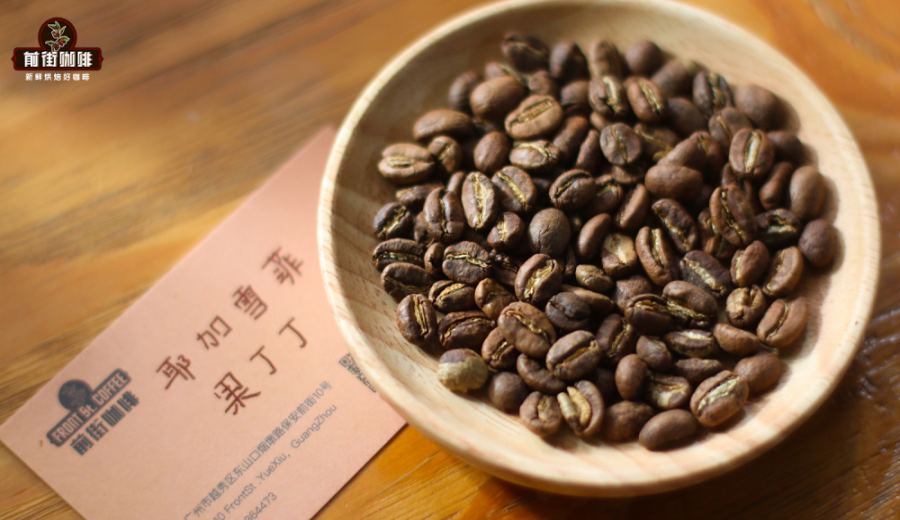
Introduction:Guodingding is a promising small village in the Wocha district of Ethiopia's Yirgacheffe region. The washed coffee beans produced by its cooperative are renowned for their clear floral notes, bright citrus tones, and tea-like aftertaste. This article delves into the origin background of Guodingding, its washed processing methods, and provides practical pour over parameters and techniques to help you fully appreciate the delicate flavors of this classic Yirgacheffe coffee.
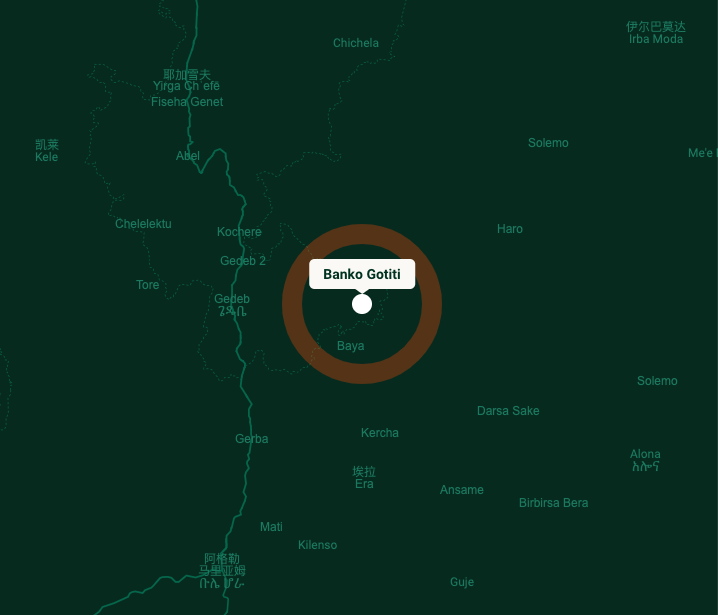
On the bean lists of many coffee enthusiasts, the name “Guodingding” always leaves a strong impression. At first glance, it sounds like a cute brand, but it is actually a real small village located in the Wocha district of Ethiopia’s Yirgacheffe region. In 2012, the local coffee farmers officially established the “Guodingding Cooperative,” separating from the previously affiliated larger Wocha Cooperative, with a focus on producing high-quality coffee with distinctive regional characteristics.
This region is hailed as “the last pure land of Yirgacheffe,” not only blessed with exceptional altitude and microclimate but also preserving many traditional coffee processing methods. The local cooperatives primarily use both washed and natural processing methods, among which the washed beans stand out for their consistent and outstanding flavor profiles, making them a top choice for many specialty coffee shops. What we’ve selected is precisely this washed coffee bean that showcases the classic traits of Yirgacheffe.
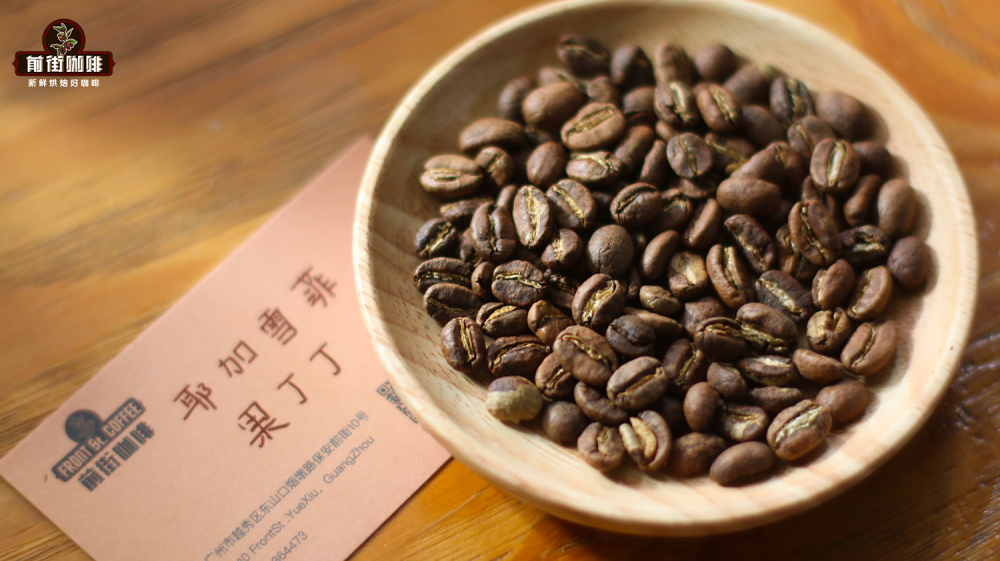
Initially, Guodingding village did not have its own processing facilities, and coffee cherries had to be sent to the nearby Wocha village for processing. As the specialty coffee market began to value the unique flavors of individual producing areas, foreign coffee scouts gradually discovered the potential of Guodingding and assisted the locals in building a dedicated processing plant. Washed processing demands relatively high water resources and equipment, which smallholder farmers typically cannot handle on their own. Therefore, villagers gather the harvested coffee cherries and send them to the processing plant to ensure consistency and stability in quality.
The steps of washed processing are quite meticulous. First, freshly picked coffee cherries are placed in water, where unripe or overripe fruits are removed using buoyancy principles. Next, a pulper is used to remove the skin and pulp, and the remaining parchment-covered beans enter fermentation tanks for 18 to 36 hours of fermentation, aimed at breaking down the mucilage layer adhering to the beans. After fermentation, the beans are rinsed in a specially designed water tank, where lighter and lower-quality beans are washed away by the water flow. Finally, the selected parchment beans are evenly spread on African beds and slowly dried under the sun, laying the foundation for their fresh and bright flavor profile.
The advantage of washed processing is that it significantly reduces interference from impurities and off-flavors, allowing the coffee to showcase a more pure expression of regional characteristics. For Guodingding, this method better highlights its bright citrus acidity, delicate floral notes, and tea-like aftertaste. This is also why many coffee professionals recommend it as an introductory choice for understanding the flavors of Yirgacheffe.
As the birthplace of coffee, Ethiopia boasts the world’s richest coffee genetic repository. However, due to the predominance of smallholder production and complex varieties, most exported coffee is generically labeled as “heirloom.” Although individual varieties cannot be finely distinguished, the washed beans from the Yirgacheffe region still hold a place in the global specialty coffee market thanks to their unique processing techniques and regional flavors.
In the past, the Yirgacheffe region also commonly used natural (sun-dried) processing methods, but such methods, if not well controlled, could easily produce off-flavors or inconsistent flavor profiles. It wasn’t until the introduction of washed processing technology in the last century that Yirgacheffe coffee truly stepped onto the international stage, gaining fame for its bright acidity, sweetness, and floral-fruity aromas. The washed beans from Guodingding carry on this classic tradition and have received positive market feedback for their more stable and consistent quality.
In terms of roast level, a medium-light roast is chosen to preserve the most captivating fruit acidity and delicate floral notes of the coffee. Overly dark roasts, while able to bring out caramel and nutty tones, can easily mask the original vibrancy and freshness of Yirgacheffe. A medium-light roast strikes the right balance by highlighting the layers of citrus, berries, and tea, resulting in a more balanced and expressive overall flavor.
Below are the recommended pour over parameters, suitable for coffee enthusiasts who wish to recreate the flavors of these washed beans at home:
Filter:Hario V60
Water temperature:90°C
Coffee dose:15 grams
Coffee-to-water ratio:1:15
Grind size:Medium-fine grind (approximately 80% passing through a Chinese standard No. 20 sieve, close to the texture of fine sugar grains)
Pour over technique suggestion:Use a blooming-and-segmented pouring method. Start with a 30-gram bloom for 30 seconds, then pour in a circular motion with a slow stream until reaching 120 grams for the first segmentation. Wait for the water level to drop, then continue pouring until reaching 225 grams and stop. The total brew time is approximately 1 minute and 50 seconds. Remove the filter when the water level is about to expose the coffee bed.
This extraction method fully brings out the citrus acidity, fresh floral notes, and subtle tea-like quality of the Guodingding washed beans. The aftertaste has a hint of honey sweetness, and the overall mouthfeel is clean and refreshing. It is an excellent everyday Yirgacheffe-style coffee with distinct layers and balanced acidity-sweetness.
In summary, Guodingding is not only a rising star in Ethiopia’s Wocha region but also one of the representatives that embody the essence of Yirgacheffe washed processing. Whether you’re new to specialty coffee or already a seasoned enthusiast, it’s worth trying a medium-light roast paired with a careful pour over to experience the rich layers and well-balanced acidity and sweetness this coffee has to offer.
The above content is compiled by CoffeeHunters, a coffee news website.


