







Introduction:Blooming is a crucial first step in pour over brewing, yet its technical nuances are often overlooked. Proper blooming not only helps release CO₂ from the coffee grounds but also lays a solid foundation for subsequent extraction, resulting in richer flavors. This article delves into how to achieve perfect blooming through scientific pouring techniques and adjusted blooming times, especially addressing the common issue of uneven coffee bed distribution in conical filters, offering practical solutions to help both beginners and advanced brewers optimize flavor in every pour over cup.
It’s often said, “Get the bloom right, and you’ll have fewer brewing troubles.” In the pour over process, blooming is arguably the key preparatory step that determines the success of extraction.
Blooming refers to the process of evenly wetting the coffee grounds with a small amount of hot water (usually about twice the weight of the coffee grounds) before officially starting to extract the coffee’s flavor compounds, then letting it sit for a period. The purpose of this step is to allow the CO₂ naturally present in the coffee grounds to escape, preventing it from hindering the contact between hot water and coffee particles during extraction. This ensures smoother extraction of flavor compounds, leading to a more rounded and fuller coffee taste.
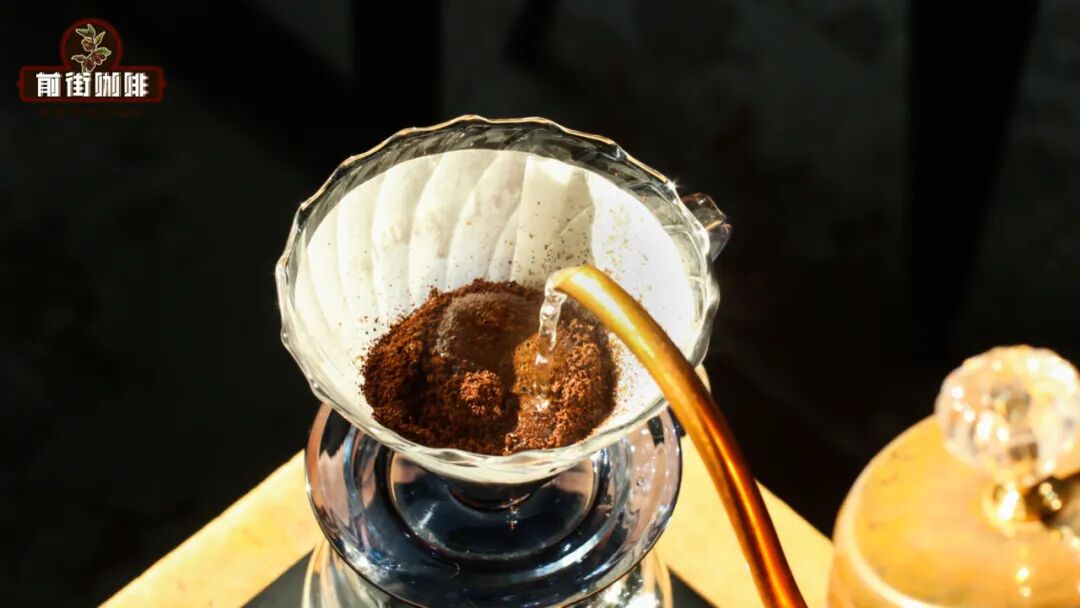
However, achieving “perfect blooming” is not easy, especially for coffee enthusiasts still refining their pouring skills. Because the amount of water used during blooming is relatively small, insufficiently even pouring can easily leave some coffee grounds inadequately wetted, preventing effective CO₂ release and ultimately affecting overall extraction quality and flavor complexity.
So, how can this be improved? In addition to increasing the pour volume, it’s recommended to adopt a more scientific and systematic pouring method, allowing the hot water to evenly penetrate every layer of coffee grounds for full degassing, thereby achieving an ideal blooming state. Next, we’ll explore specific operational methods in detail.
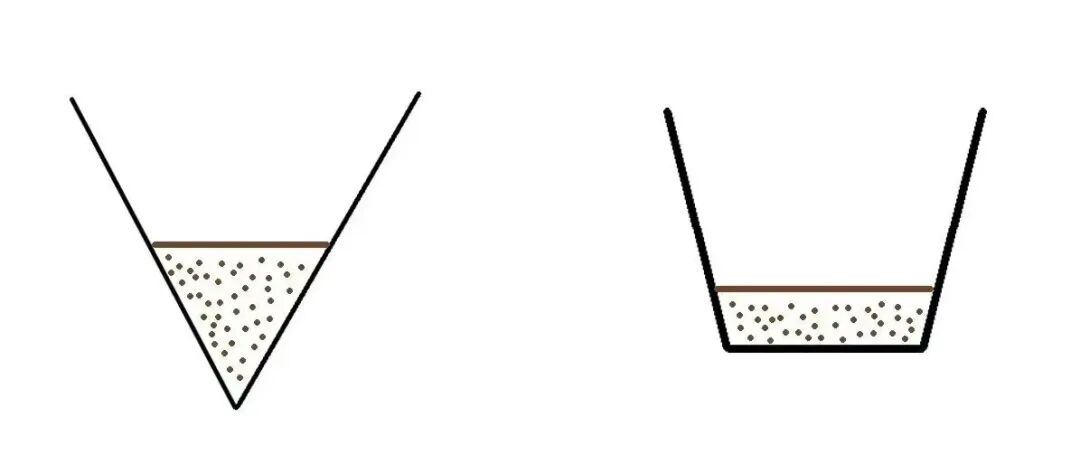
First, uneven blooming is particularly common when using conical filters. This is because the structure of a conical filter is inverted triangular, and the same amount of coffee grounds tends to form a thicker bed in such a filter. As hot water seeps downward, the path is longer and tends to follow the path of least resistance, quickly flowing down while bypassing the bottom or edge grounds, leading to uneven degassing.

To address this issue, we can try the following two practical pouring methods:
Method One: Center-Focused Pouring
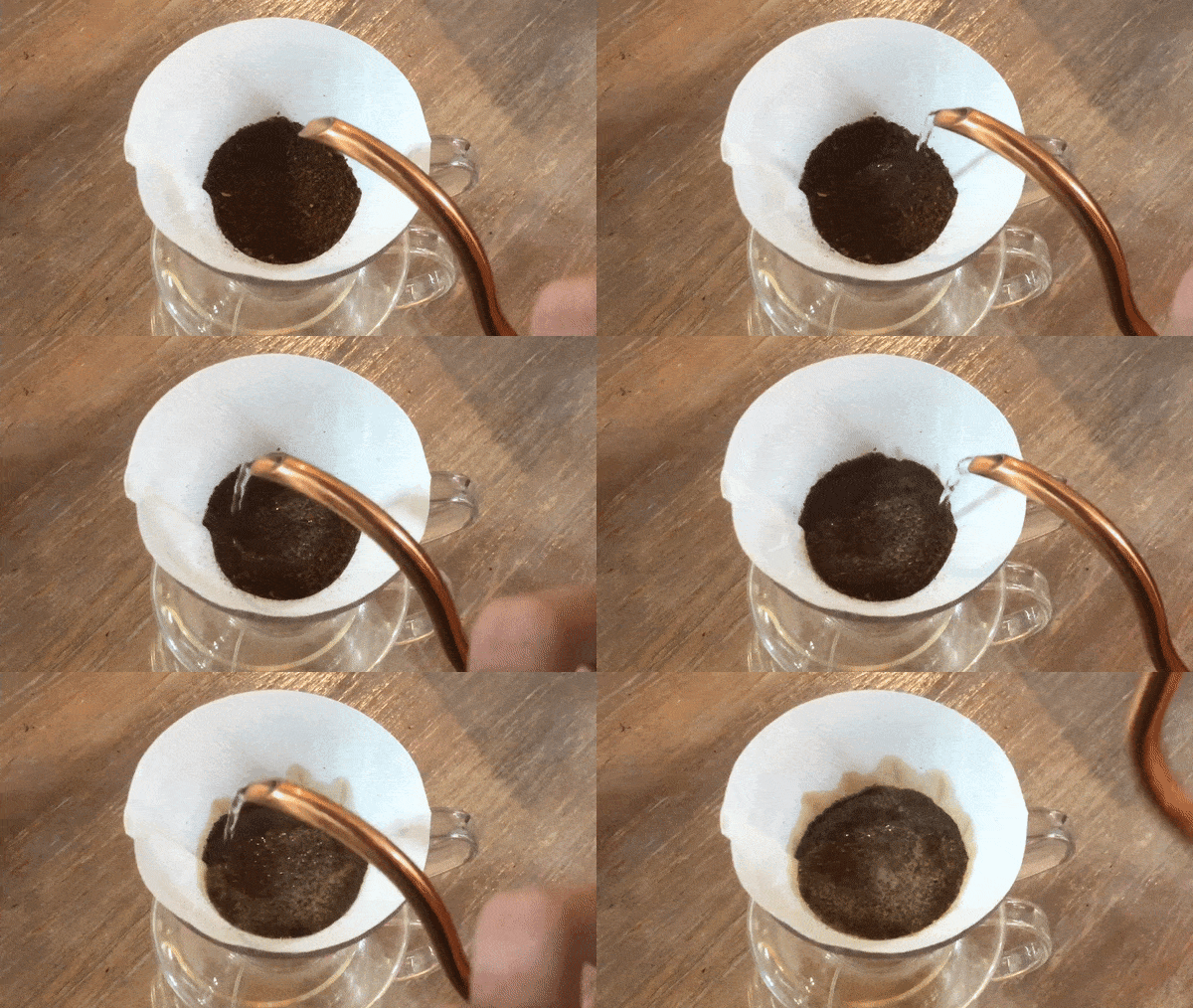
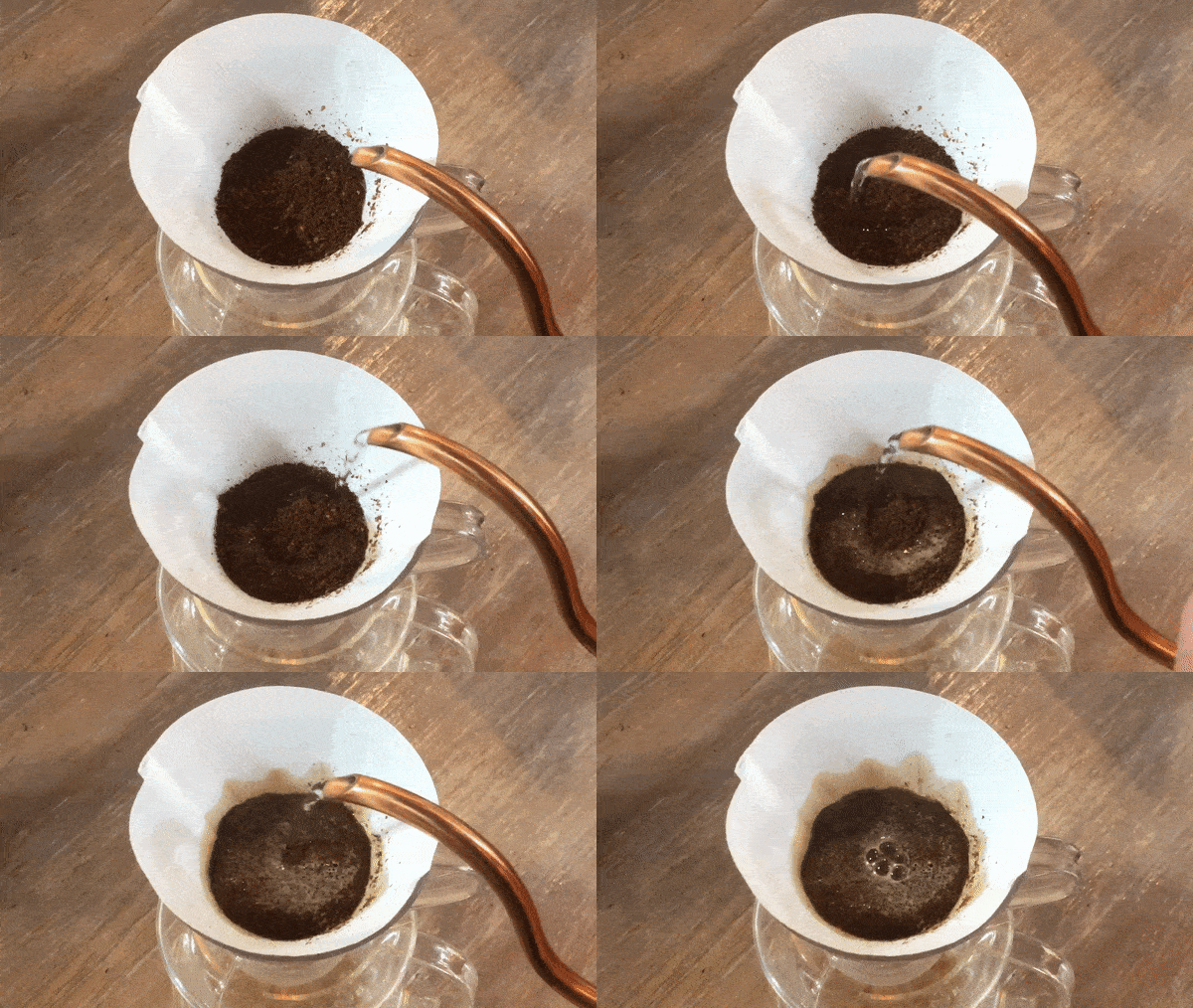
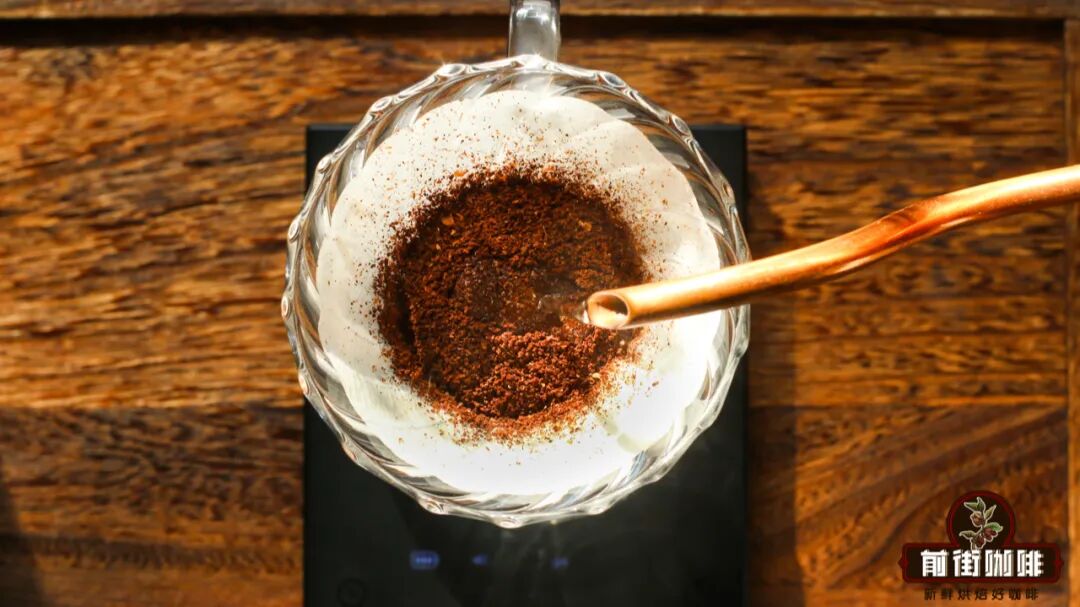
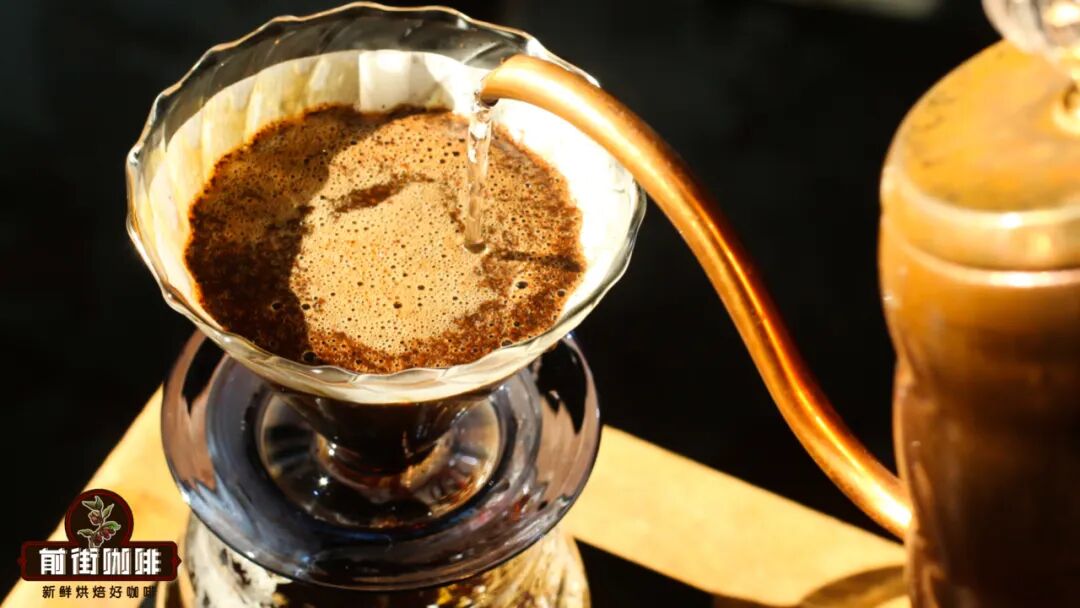
This is a technique commonly used by many professional baristas, especially suitable for brewers with some experience. The approach involves pouring hot water directly at the center point of the filter, then slowly circling around the center. Since the center area of a conical filter has the thickest coffee bed, focused pouring helps the hot water penetrate thoroughly in this zone, reducing the chance of some layers being left unwetted due to channeling. While circling, a slight pause can be made to allow sufficient time for the center grounds to degas—specific techniques can be referenced in the diagram below.

Of course, you can also reverse the process by pouring in a circle from the outside in, but you should still pause briefly in the center area to ensure those grounds also get adequate hot water contact. However, for freshly roasted beans with high CO₂ content, this pouring method may conversely affect degassing efficiency in the center zone, so use it with caution.
Method Two: Reducing the Thickness of the Center Coffee Bed
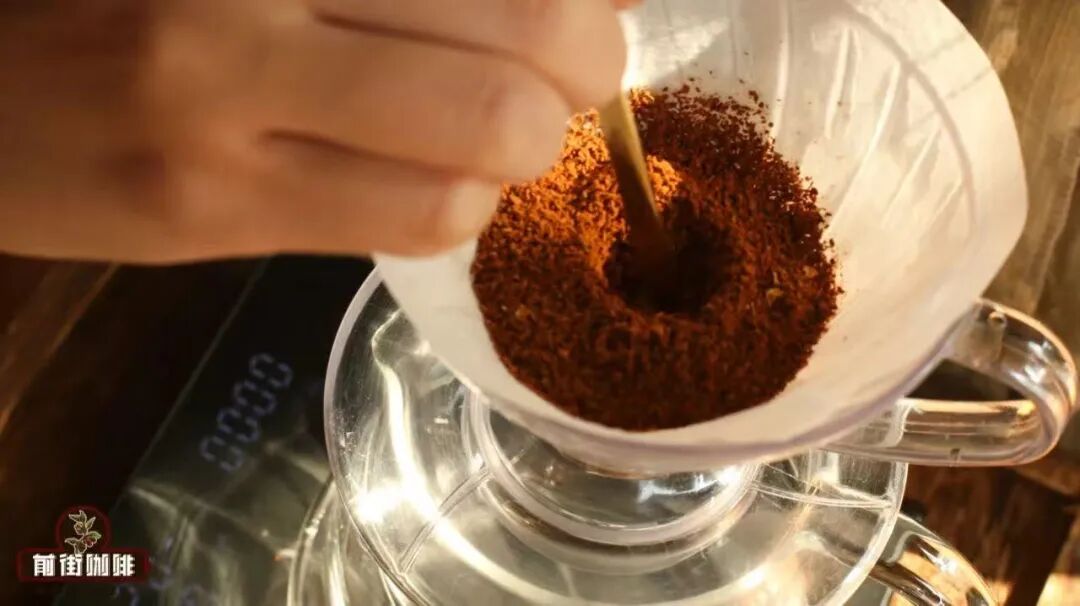
Another method, more suitable for beginners, is to gently create a small indentation in the center of the coffee bed using a finger or the spout of the kettle before pouring, then focus the hot water into this small hole before gradually circling outward. This approach effectively lowers the overall thickness of the coffee bed, allowing the hot water to reach the bottom grounds more easily, thereby improving the evenness of blooming. This method demands relatively lower pouring skill and is easy for beginners to handle, helping achieve more stable blooming results.
Besides the pouring method, setting the appropriate blooming time is another important factor influencing extraction quality. Typically, the most common blooming parameters involve using twice the weight of the coffee grounds in water and letting it sit for about30 seconds. This “twice the weight of coffee in water, wait 30 seconds” formula is a standard practice for many beginners and is relatively conservative and safe.
However, different coffee beans vary in their internal CO₂ content due to differences in freshness and roast level. If one strictly follows fixed timing, it might sometimes fail to fully release gases, resulting in reduced extraction efficiency. Therefore, observing the actual state of the coffee bed during blooming and adjusting the blooming time accordingly is a more flexible and effective approach.
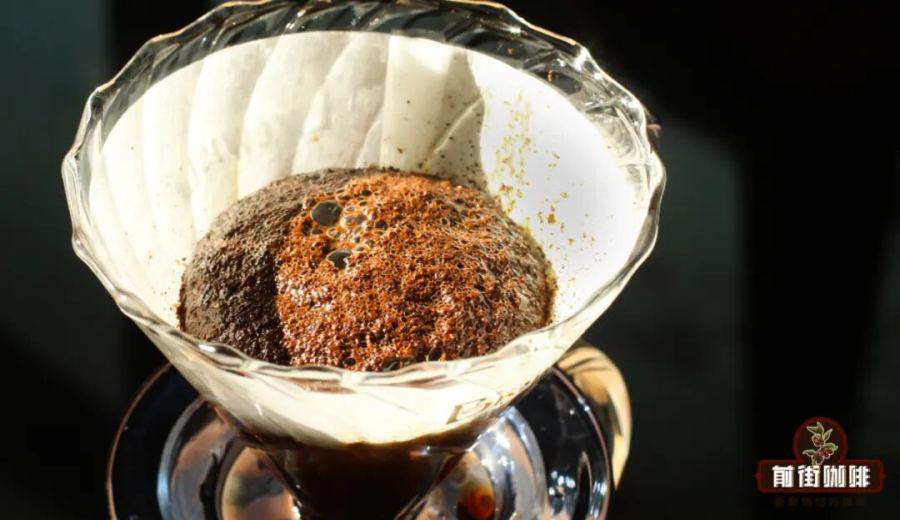
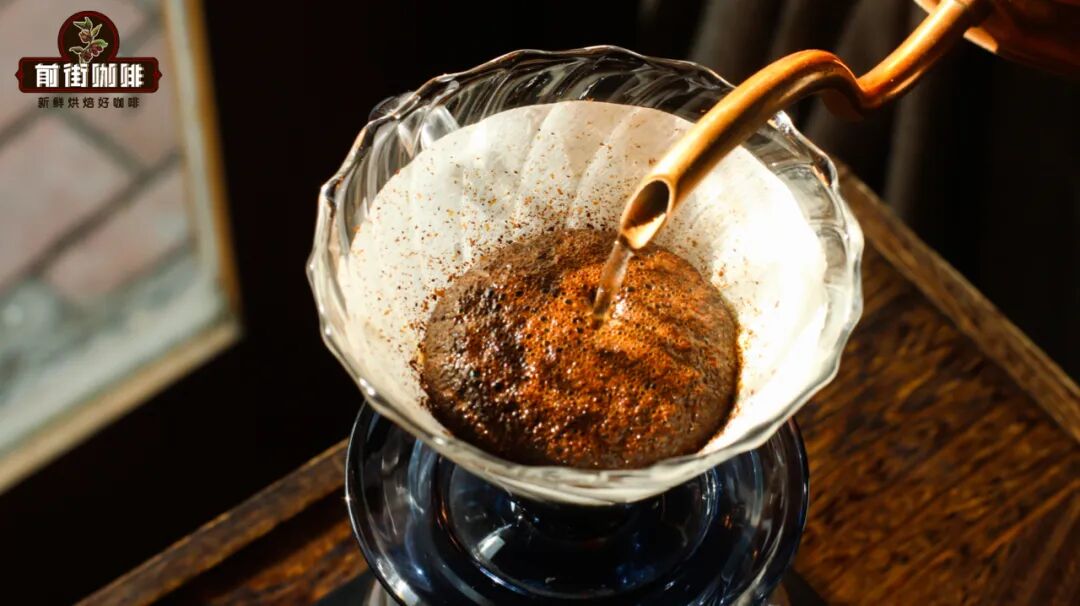
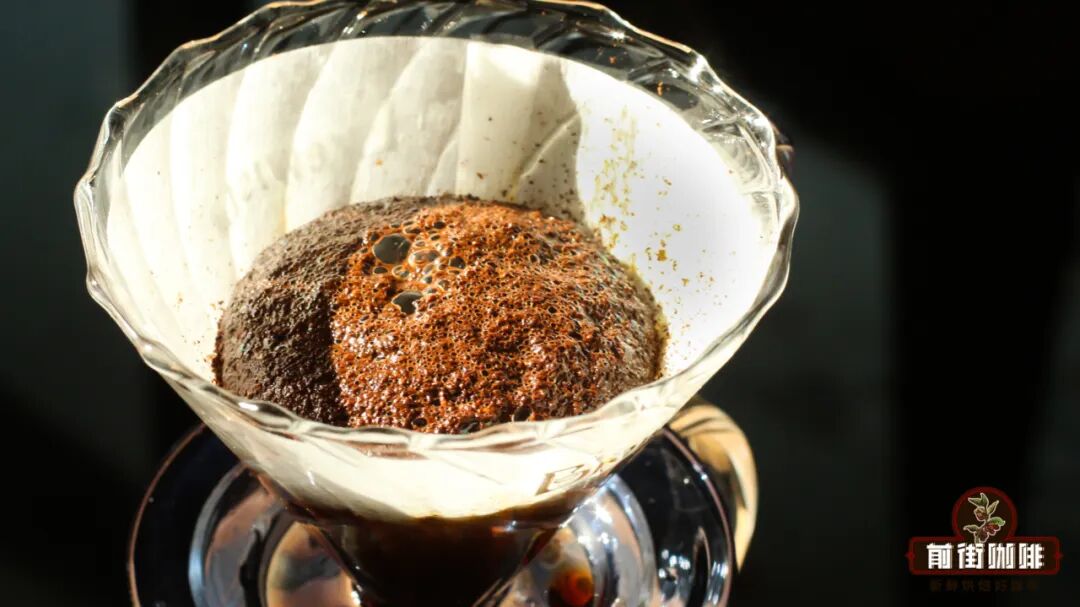
For example, if at the 30-second mark the coffee bed still looks moist and plump, even continuing to expand with bubbles surfacing (as shown in the images below), it usually indicates that the beans are quite fresh with abundant CO₂. In such cases, it’s recommended to extend the blooming time by5 to 10 seconds, allowing more gases to escape before proceeding to the main extraction. This helps enhance the overall richness and body of the coffee’s flavor.
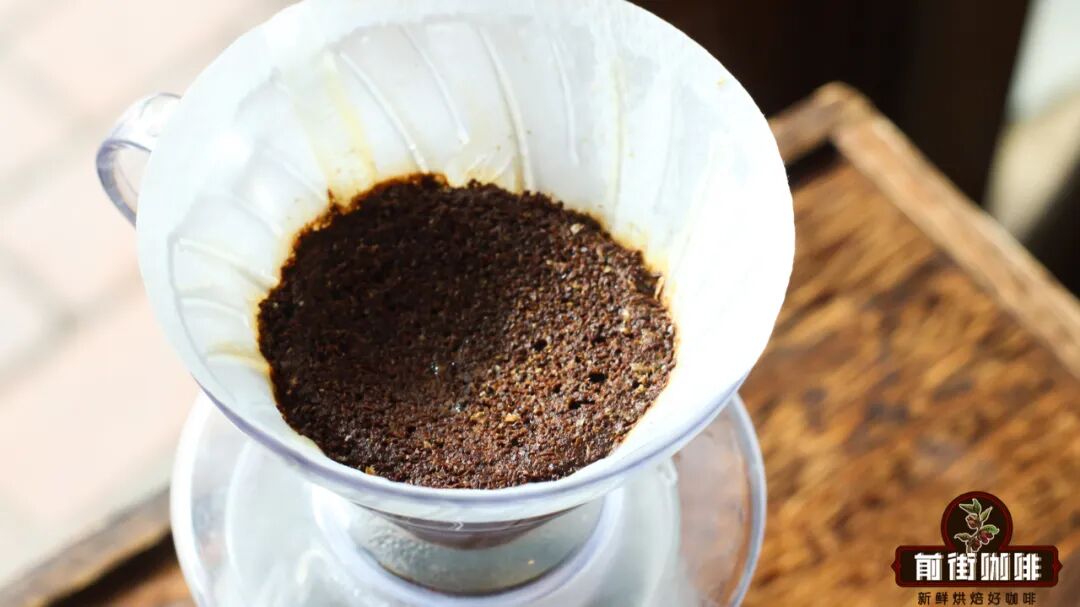
Conversely, if after pouring the hot water the coffee bed quickly dries up and the initially raised mound collapses fast, it suggests that the coffee bean’s CO₂ has mostly been released. In this case, you might consider shortening the blooming time by ending it5 to 10 secondsearlier and moving directly into the extraction phase. But if you’re unsure about the coffee bean’s condition, sticking with the standard 30-second blooming time remains the safer choice.
In summary, to achieve perfect blooming in pour over coffee, the key lies in two aspects: first, using a scientific and even pouring method to ensure every coffee ground is thoroughly wetted by hot water; second, flexibly adjusting the blooming time based on the actual state of the coffee bed to allow full release of CO₂. Only by mastering these two points can you effectively reduce extraction barriers and unlock a richer, more balanced flavor profile in your coffee.
The above content is compiled by CoffeeHunters, a coffee news website.


