







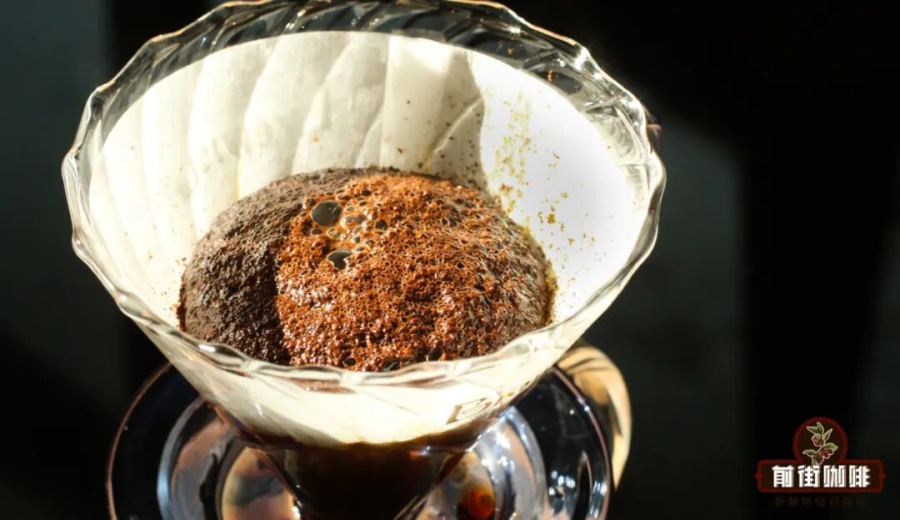
Introduction:Blooming is a key step in pour over brewing, but many beginners wonder if it’s truly necessary. This article delves into the core role of blooming, comparing the effects of blooming versus skipping it on coffee flavor and extraction yield, and analyzing the feasibility of omitting it under specific conditions. Through practical test data and expert insights, we help you master more scientific brewing techniques.
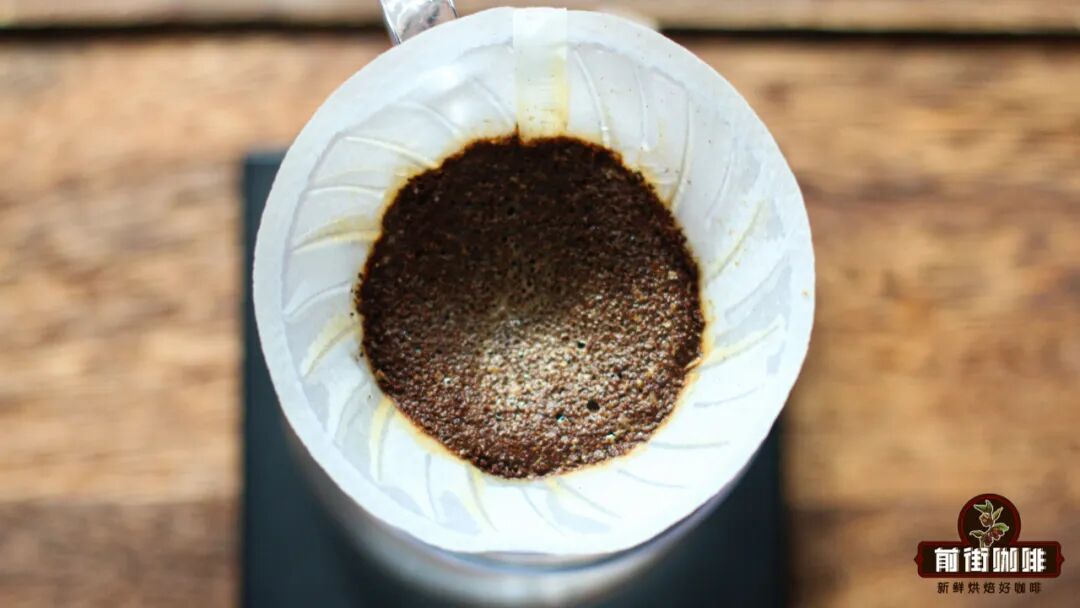
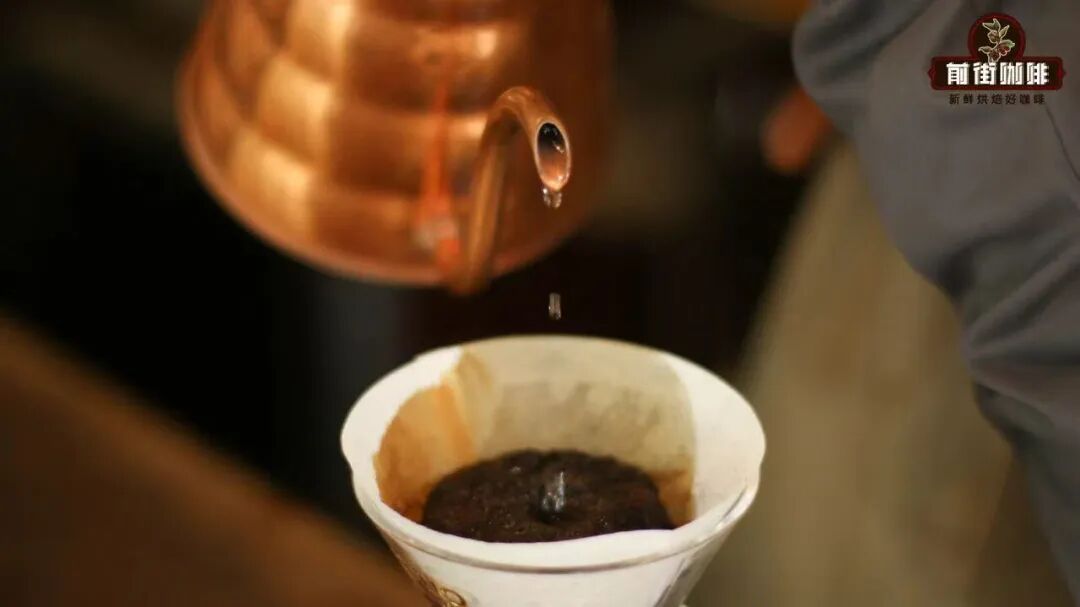
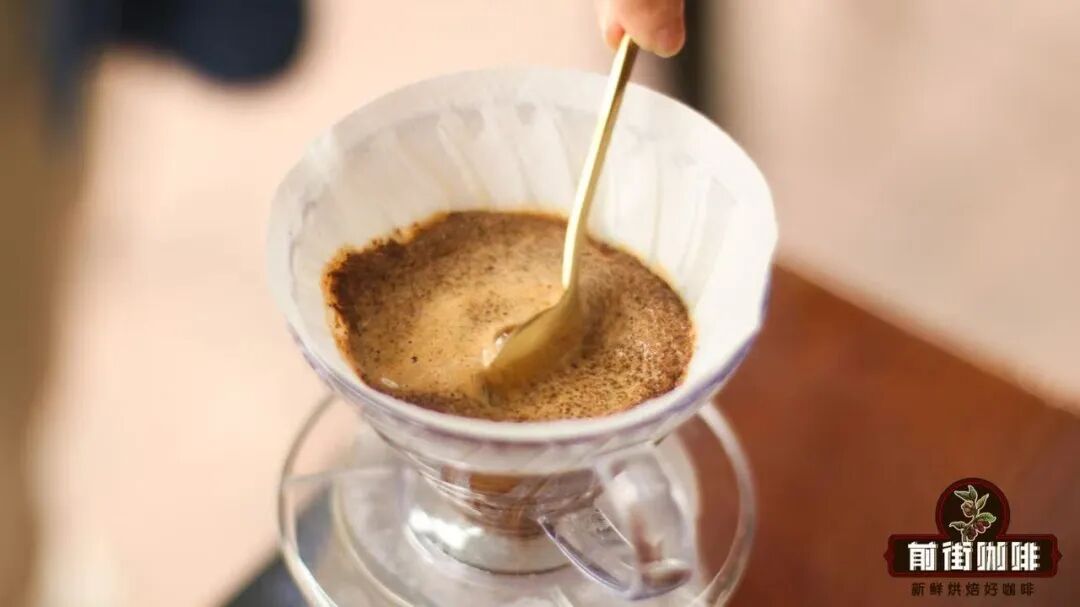
When discussing pour over coffee, the blooming step often sparks debate: “Can it really be skipped?” The answer is yes, but only under certain conditions. The primary task is to understand the essence of blooming—it is essentially a degassing process where hot water causes coffee grounds to release carbon dioxide.
Fresh coffee beans contain a significant amount of carbon dioxide, which can hinder the contact between hot water and flavor compounds, leading to under-extraction and flat-tasting coffee. The comparison experiment below will clearly illustrate the differences.

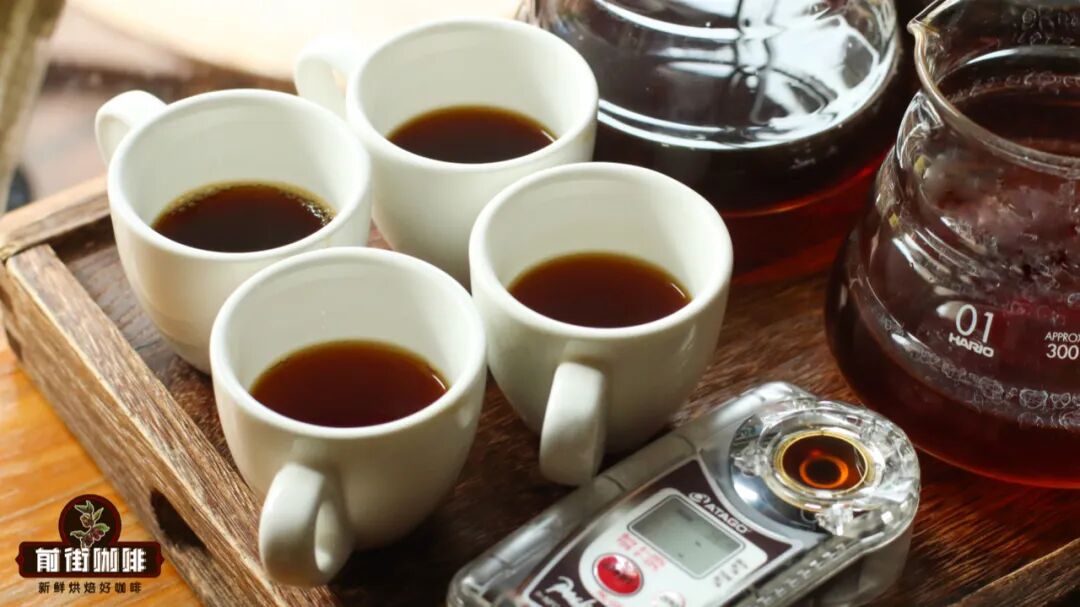
This test used identical parameters: 15 grams of coffee, a 1:15 coffee-to-water ratio, 20-mesh filter with 85% extraction rate, and a total brewing time of 1 minute and 50 seconds. The light roast Huakui was brewed at 94°C, and the dark roast Huangjin Manting was brewed at 90°C, both using the single-pour (一刀流) method. The only variable was the presence or absence of the blooming step.
The Huakui without blooming had an extraction yield of just 17.86%, yielding thin fruit acidity and tea-like notes, with prominent but one-dimensional acidity. After blooming, the extraction yield increased to 19.25%, with distinct flavors of citrus, berries, white flowers, and oolong tea, and a smoother, more balanced mouthfeel. The difference was even more pronounced in the dark roast group: the Manting without blooming had an extraction yield of 16.19%, showing only nutty tones; after blooming, it rose to 18.27%, with clear notes of caramel sweetness, chocolate aroma, and a piney finish.
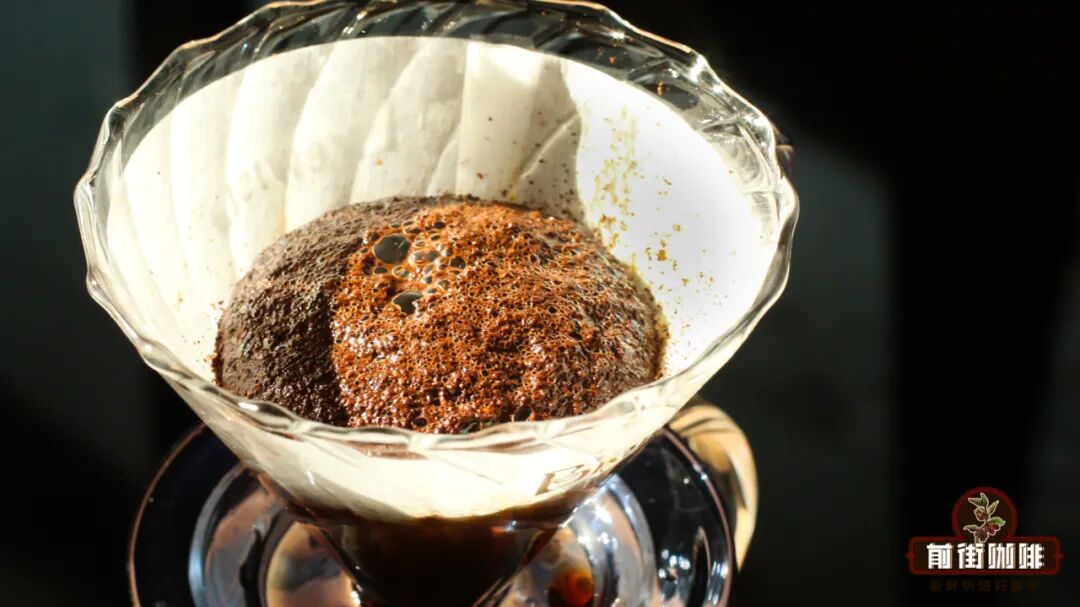
The data proves that, whether for light or dark roasts, blooming significantly improves extraction efficiency and flavor expression—especially for dark roasts, which have higher carbon dioxide content. But this doesn’t mean blooming is absolutely essential—when a coffee bean has fully released its carbon dioxide, this step can indeed be skipped.
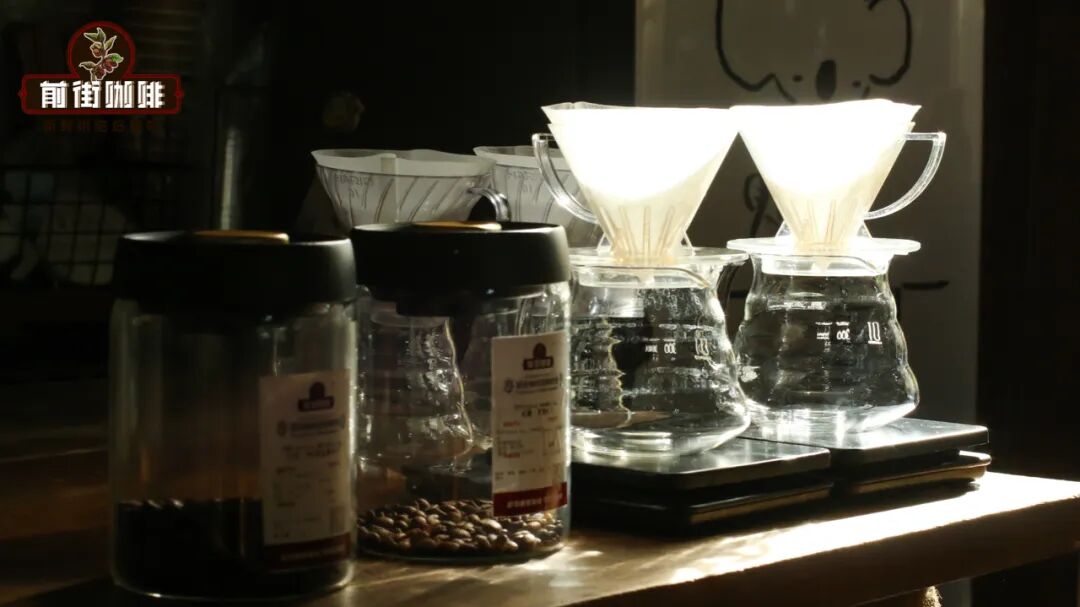
However, such cases are rare in everyday brewing. Aside from hindering extraction, carbon dioxide also helps delay flavor loss and regulate water penetration speed, among other benefits. There are also some special brewing methods that do not rely on blooming:
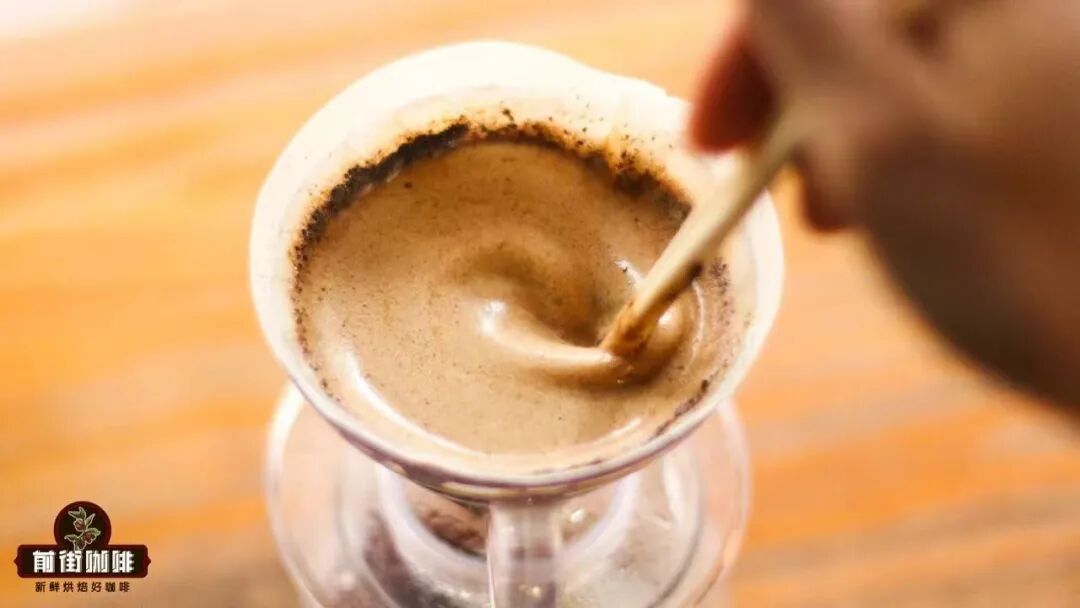
The drip method naturally releases gases by extending the soaking time during the initial water pour, followed by regular pouring; the stirring method accelerates the release of gases and flavor compounds through vigorous manual agitation; the single-pour technique uses high water temperature combined with fine grinding to enhance initial extraction efficiency. While these methods eliminate the blooming step, they demand very high precision in parameters and operational skill, making them more suitable for advanced brewers.
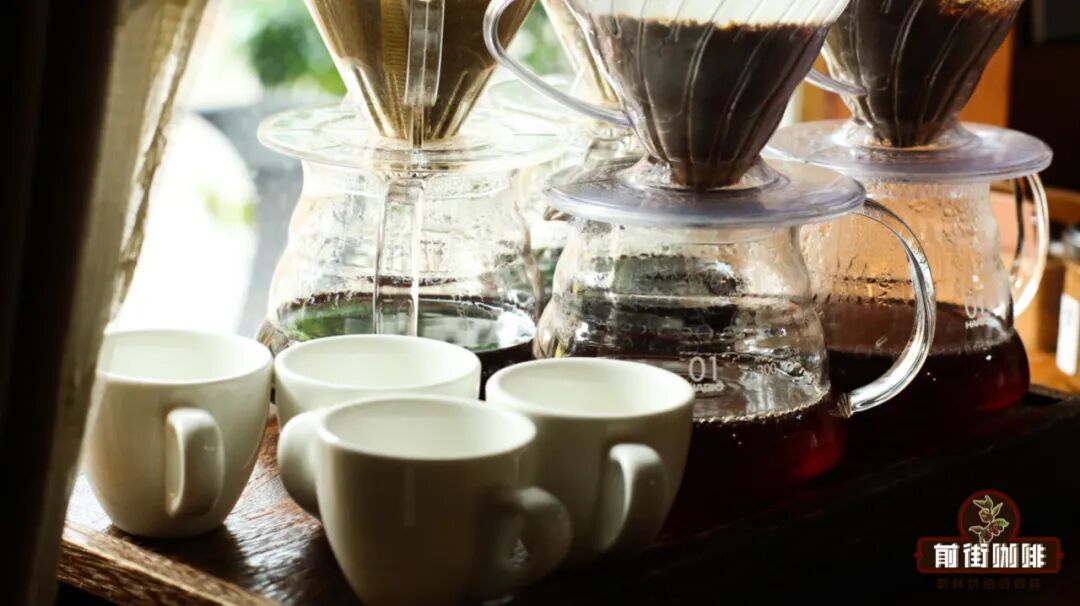
In summary, the standard blooming process can reliably and consistently improve the quality of pour over coffee, and is a dependable choice in most situations. Once you understand its principles, you can flexibly decide whether to adjust this step based on the characteristics of the coffee beans and your equipment setup.
The above content is compiled by CoffeeHunters, a coffee news website.


