







Introduction:Beginners often wonder when brewing coffee by hand: why do professional baristas always emphasize the importance of timing? In fact, precisely controlling extraction time helps stabilize coffee flavor and quickly identify extraction issues. This article delves into the principles behind pour over coffee extraction time, analyzing key variables such as grind size, pouring technique, and equipment selection, while offering practical adjustment suggestions to help you evolve from a haphazard brewer to a coffee master in control of flavor.
In the world of pour over coffee, nearly every experienced barista will tell you that recording extraction time is a fundamental basic skill. While some coffee enthusiasts believe they can brew great coffee by feel alone, it’s undeniable that at the early stages of skill development, time tracking helps us more reliably reproduce ideal flavors—and afterward, by reviewing time data, we can pinpoint potential problems for adjustment.
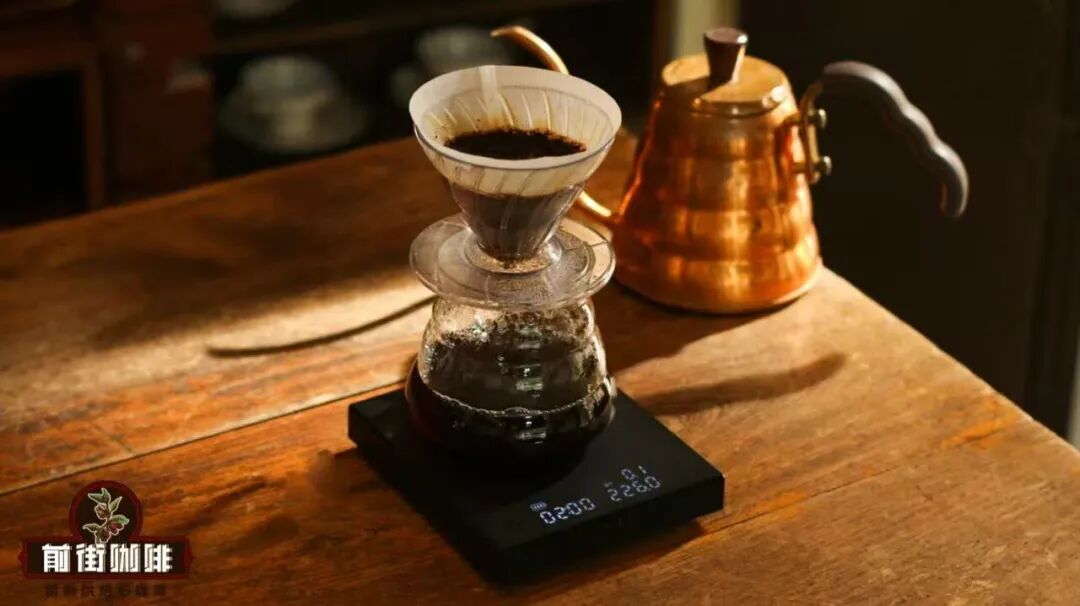
So why exactly should we place such emphasis on pour over extraction time? Simply put, the so-called extraction time refers to the total duration that hot water is in contact with coffee grounds—from the moment water is poured until the target volume has completely dripped through. This duration directly influences how much flavor compounds are extracted, thereby determining the final expression of the coffee.
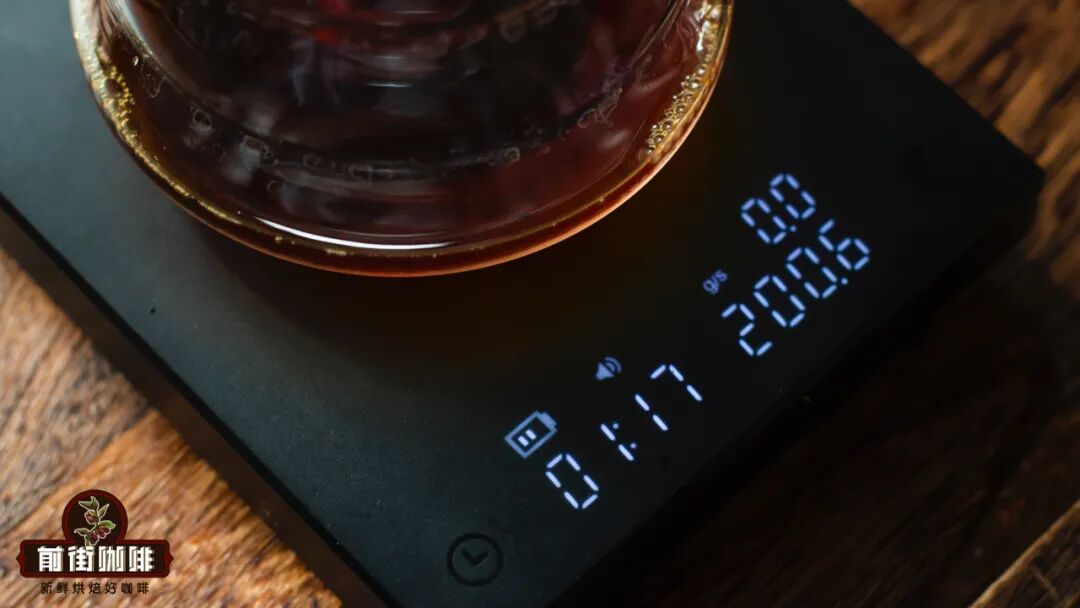
When other variables remain constant, longer extraction time means water interacts with coffee grounds more thoroughly, extracting more flavor compounds—but it may also risk over-extraction. Conversely, too short a time may lead to under-extraction, resulting in thin flavor. However, time itself is a passive parameter—we can’t directly control its length, but must influence it indirectly by adjusting active parameters like grind size, pouring method, or equipment choice.
This is also why time can serve as an important diagnostic indicator for brewing issues. When extraction time is unusually fast or slow, it often signals an imbalance in other parameter settings—and by combining this with actual flavor performance, you can quickly locate the root cause.
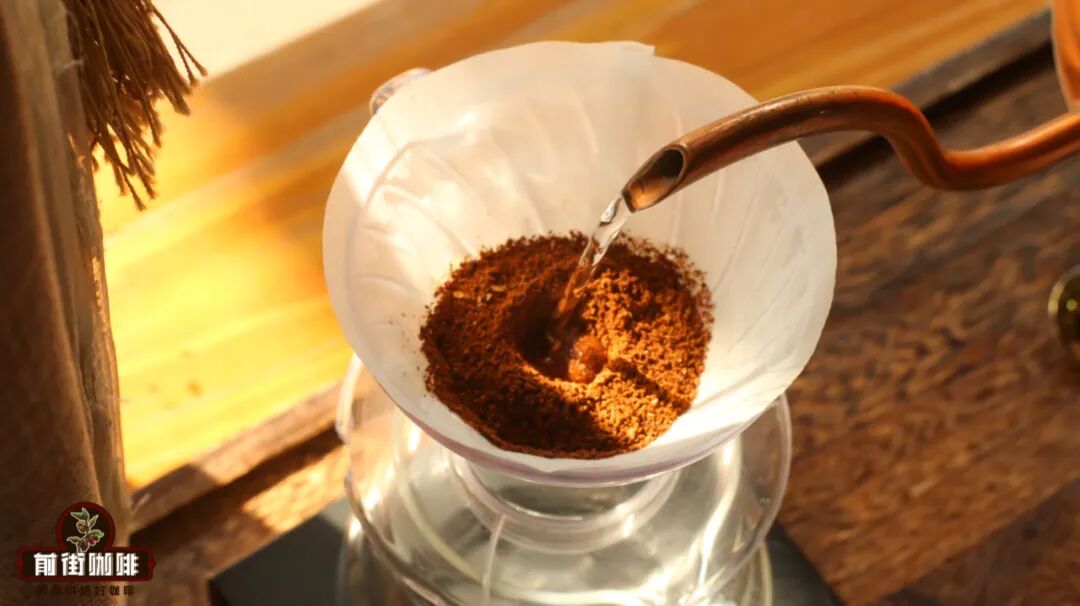
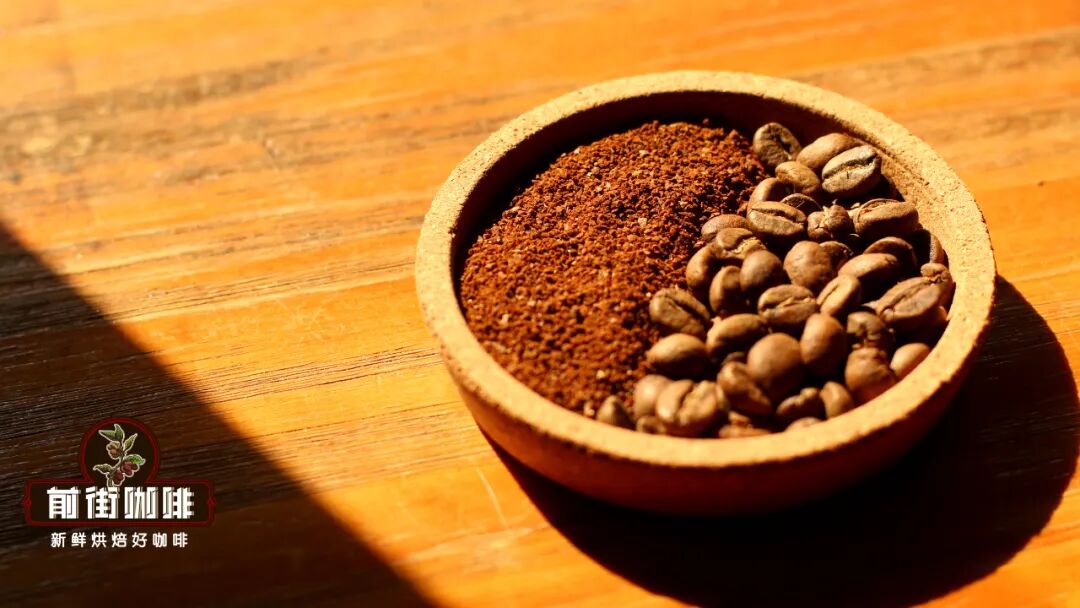
So, what specific factors during pour over significantly affect extraction time? The foremost key is the coarseness and amount of coffee grounds. For drip-style extraction, the fineness of the grind directly determines how easily water can pass through:Coarse grindhas larger particle gaps, allowing smooth water flow—naturally shortening extraction time; whereasfine grindfeatures tightly packed particles, increasing water resistance and thus prolonging overall extraction time. The amount of coffee used similarly impacts extraction time, but this article will focus on grind adjustment strategies.
In practice, we can use extraction time as a reference to determine whether the grind size is appropriate. For example, if your goal is a 2-minute extraction time for 15 grams of coffee beans—with fixed pouring technique and other conditions unchanged—if the actual time exceeds 2 minutes, it may suggest the grind is too fine; conversely, if it’s noticeably shorter than 2 minutes, the grind may be too coarse. But note that some specialty coffee beans may require intentional grind adjustments to showcase unique flavor profiles, so taste evaluation remains the ultimate judge.
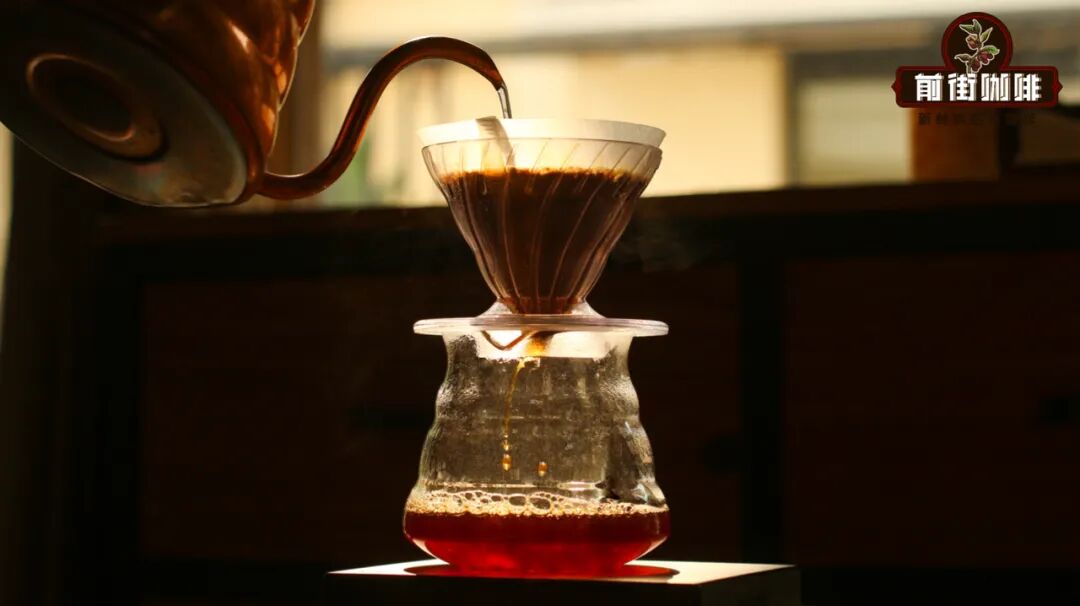
The second major variable is brewing technique, particularly water flow control and pour segmentation. As detailed in the “Pouring Water for Pour Over Coffee” feature, the strength of the water stream and the number of pours significantly alter drainage speed. Usinga thin stream paired with multi-segment pourscan effectively slow down water flow and extend extraction time; in contrast,a thick stream with fewer segmentswill accelerate the filtration process. Once you’re familiar with how these operations affect time, brewers can adjust their technique in real time based on drainage speed, preventing extraction flaws from being discovered only after brewing is complete.
For instance, when handling coffee beans from an unknown origin, if you notice abnormally fast initial drainage speed, you can immediately switch to a smaller stream and increase the number of pour segments—slowing the process to ensure adequate extraction time and avoid thin or overly acidic flavors caused by under-extraction.
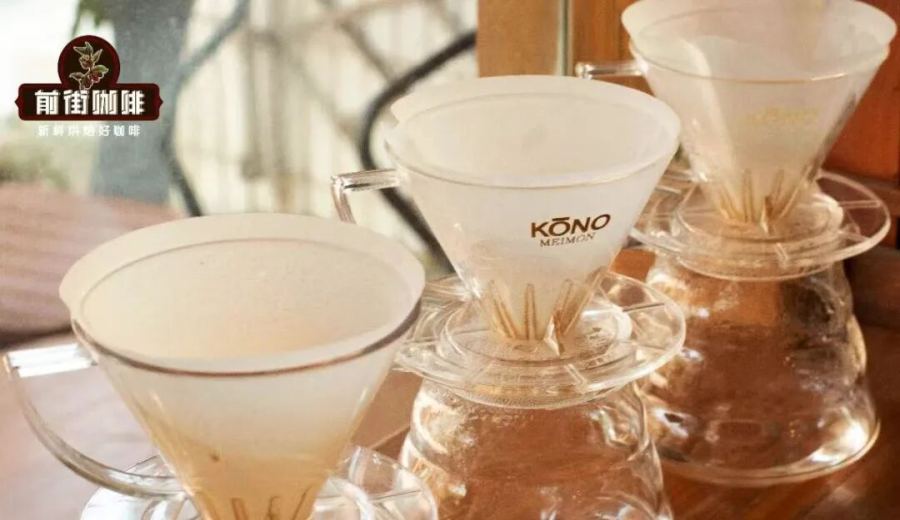
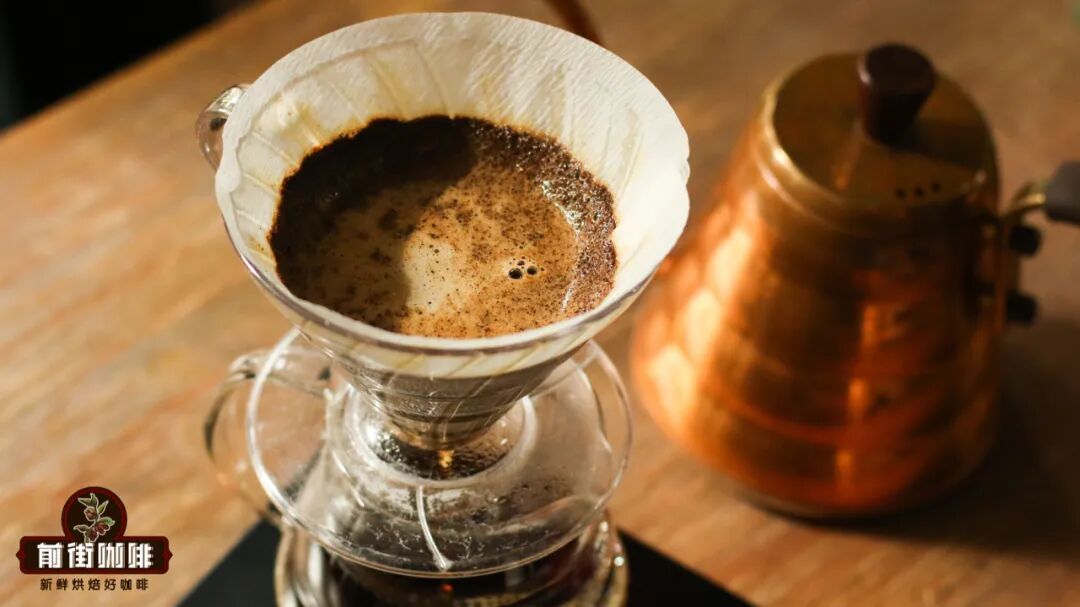
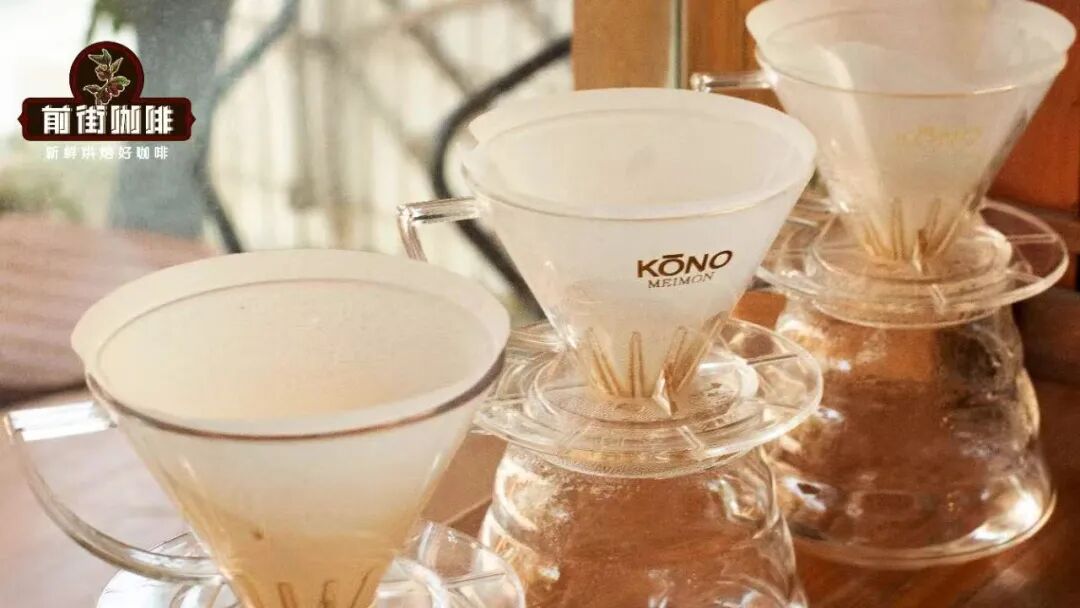
Finally, the physical characteristics of brewing equipment are an important factor that shouldn’t be overlooked. Take common conical filter cones as an example: under the same grind size and coffee amount, the V60—due to its large bottom hole and multi-layered flow-guiding ribs—speeds up liquid passage, resulting in relatively short extraction time; meanwhile, the Kono cone, with its smaller bottom hole and different flow structure, naturally creates a slower drainage rhythm. Additionally, the thickness and material of the filter paper (e.g., fiber density, whether pre-wetted) also impact water resistance—these nuances can all become effective tools for fine-tuning extraction time.

Extending this to the espresso realm, the distribution density of holes in the portafilter basket is another key variable. With an understanding of these equipment differences, coffee enthusiasts can further precisely control their desired extraction time range by switching filter cones or adjusting how filter paper is pre-treated—crafting a coffee experience that better suits their personal taste.
The above content is compiled by CoffeeHunters, a coffee news website.


