







Introduction:A deep dive into the core differences between Ristretto and Espresso, mastering key selection points for medium-dark roasted blends, and providing precise parameters to extract 28g of coffee liquid with 20g of coffee grounds. Starting from the definition, this article will help you understand the unique extraction logic of this type of espresso, while also recommending practical beans suitable for making Ristretto — easy to get started with whether at home or in a commercial setting.
The word Ristretto originates from the Italian meaning “restricted,” and it actually refers to a type of espresso produced through special control of the espresso extraction process. Although made using an espresso machine just like traditional espresso, Ristretto achieves a distinctly different flavor profile by shortening the extraction time and reducing the total output volume. This extraction method is commonly used as the base for Flat Whites in specialty cafés and is also one of the details that showcase a barista’s skill.
In the espresso system, Espresso plays a foundational role, whereas Ristretto is considered an advanced application. Regular Espresso is suitable for various drink formulations, but Ristretto, with its richer and more layered characteristics, is mainly used as the base for specific coffee drinks — especially Flat Whites, which emphasize the balance between milk foam and coffee. If you wish to explore a more intense and nuanced coffee world, understanding the extraction logic of Ristretto is an important step.

The prerequisite for making high-quality Ristretto is selecting a fresh medium-dark roasted Italian-style blend. Too light a roast can lead to insufficient crema, affecting the overall richness of the mouthfeel, while insufficient freshness can cause the coffee to lose its intended aroma. Additionally, considering the high-pressure extraction characteristics of espresso machines, using professionally blended beans often yields better results. These types of beans usually combine beans from different regions, striking a balance between flavor complexity and stability.
For coffee enthusiasts who prefer rich and bold flavors, it is recommended to try medium-dark roasted blends that mix semi-washed, wet-hulled, and washed processing methods. Such beans often exhibit complex aromas of dark chocolate, hazelnut, butter, and caramel, along with a moderate almond finish, showcasing rich layers during the Ristretto extraction process. If you value cost-effectiveness and overall flavor balance, you may also consider medium-dark roasted blends with washed and semi-sundried processing methods. These beans typically offer a mix of nuts, chocolate, brown sugar, and a hint of tea-like notes, suitable for everyday drinking or commercial use.

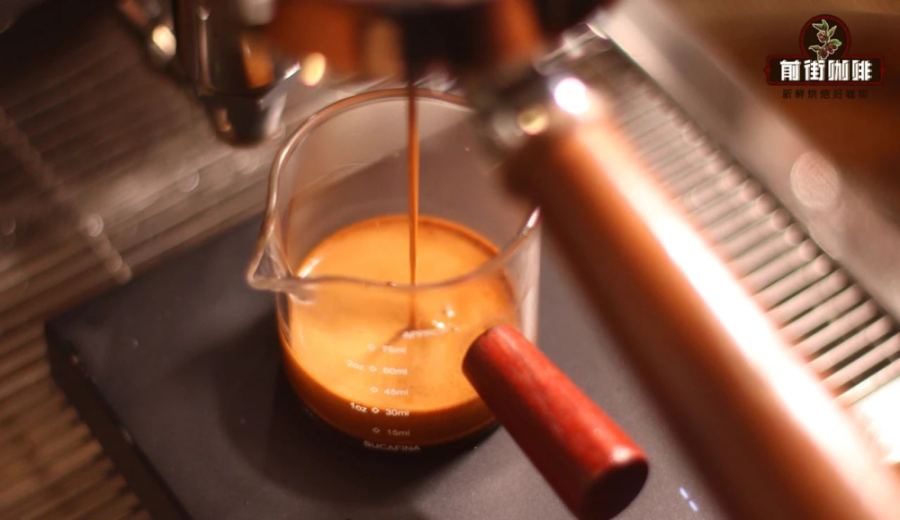
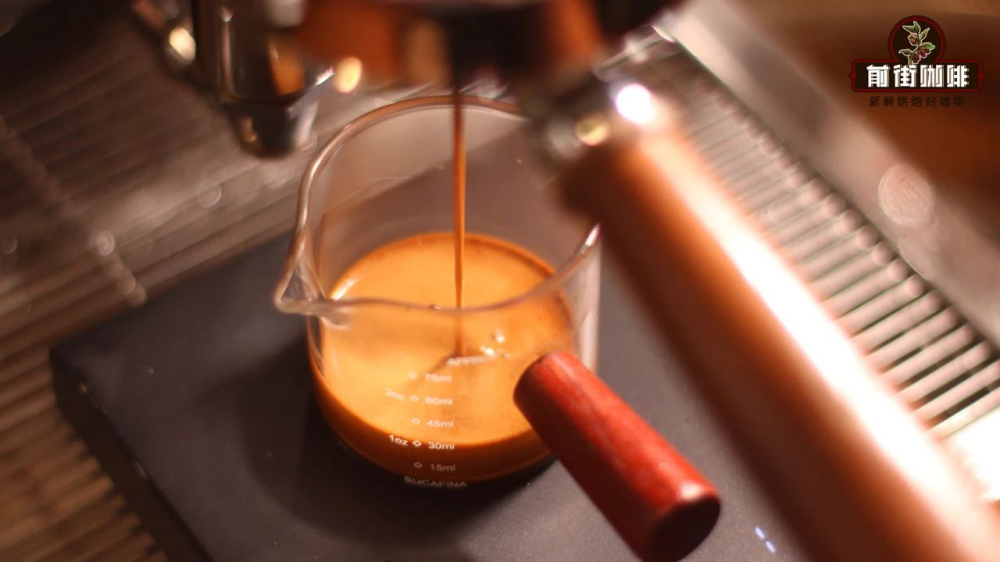
The name Ristretto already hints at its core spirit: “restriction” during the extraction process. Observing the extraction flow of traditional espresso, the initial liquid is dark brown in color and flows slowly; the middle phase gradually turns golden and speeds up; the final phase appears light yellow and noticeably thinner. The key to Ristretto is to stop the extraction early, while the liquid is still dark brown and thick, before it transitions to golden — typically before the mid-phase of a regular espresso extraction.
Taking the common 20g coffee dose as an example, a standard espresso typically extracts 40g of coffee liquid within 25 to 30 seconds, with a ratio of about 1:2. When making Ristretto, the extraction volume is reduced to 28g, and the time is controlled between 20 to 25 seconds, with an actual extraction ratio of about 1:1.4. This parameter setup ensures that the final Ristretto maintains an extremely rich mouthfeel, along with captivating aromas such as dark chocolate, maple syrup, spices, and butter, resulting in a more concentrated flavor and a better-balanced acidity-to-sweetness ratio.
During actual operation, special attention must be paid to adjusting the grind size. Too coarse a grind can lead to overly fast flow, making it difficult to accumulate sufficient flavor compounds; too fine a grind can easily lead to over-extraction, producing unwanted bitterness. It is recommended to fine-tune based on the actual pressure performance of your espresso machine, and observe changes in flow rate and color during extraction to determine the most suitable extraction conditions for the current beans. Remember, the charm of Ristretto lies in the presentation of its concentrated essence — every drop carries the most original flavor characteristics of the coffee.
The above content is compiled by CoffeeHunters, a coffee news website.


