







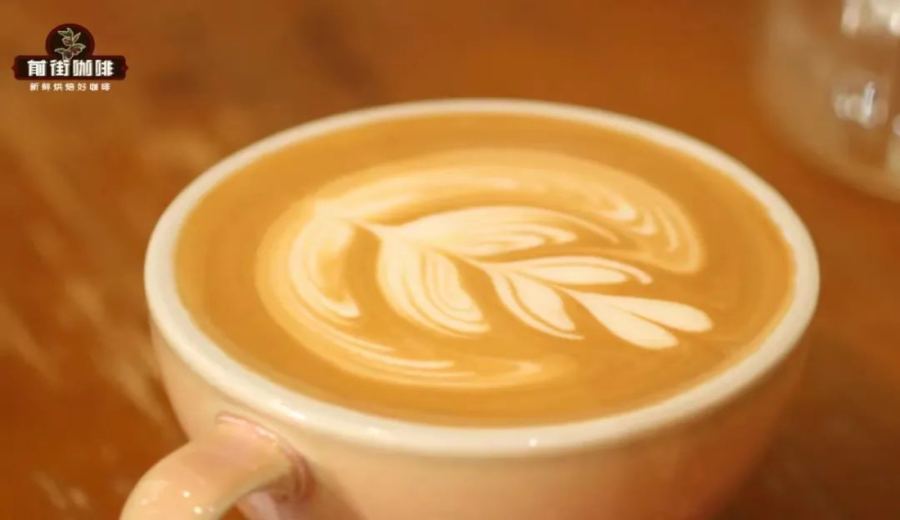
Introduction:Latte art is both a joy and a challenge for many coffee enthusiasts. This article delves into the practical techniques of milk foam control, pouring integration, and classic patterns such as tulips, leaves, and rosettas, helping readers master the core skills for stable latte art. Whether you’re a beginner just starting out or a barista looking to refine the finer details of your designs, you’ll find useful tips and guidance on common mistakes and how to improve them.
Latte art may seem advanced, but mastering just a few key elements can significantly boost your success rate. This article will guide you through milk foam thickness, the integration of coffee and milk foam, and the essential techniques for forming classic patterns like tulips, leaves, and rosettas—providing a comprehensive, hands-on latte art tutorial.
Many people manage to create a beautiful design the first time but struggle to reproduce it consistently. This is often due to neglecting the importance of detail control and hand feel training. So, what makes a great latte art piece? We believe the first thing to look at is the fineness of the surface texture, followed by the clarity between the “golden circle” and the pattern, and finally, the design of the pattern itself. Clear textures and well-defined edges are far more important than overly complex designs.
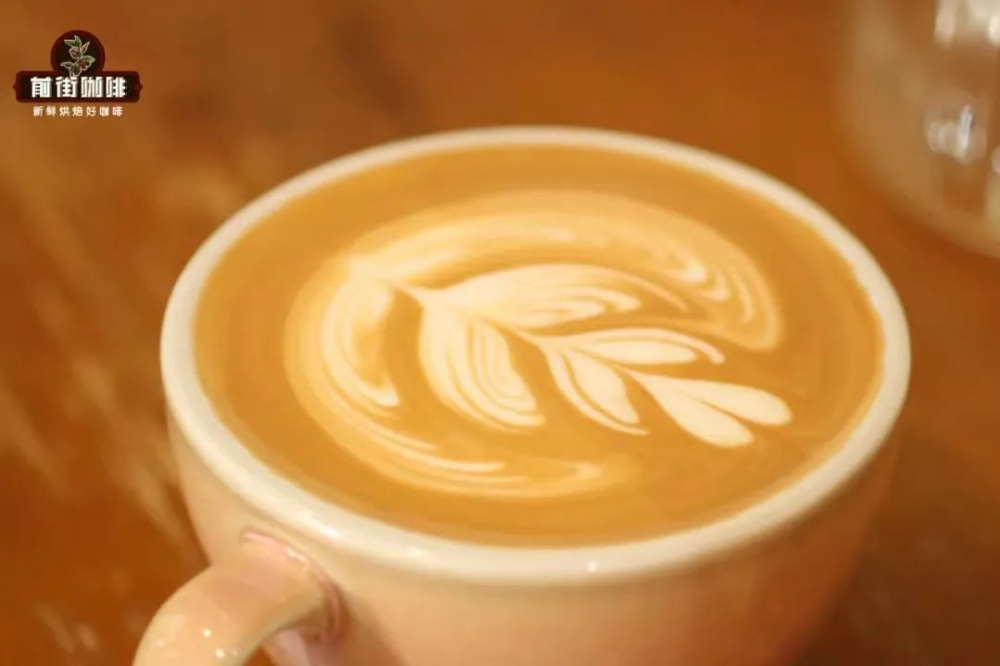
To consistently produce high-quality latte art, continuous practice is absolutely essential. But besides hard work, there are also some practical tips that can help you reduce the failure rate effectively. For example, when attempting etched or textured patterns, many people foam the milk too thin. While this improves fluidity, it often leads to blurry fine lines, drifting patterns, or even failure to form a proper design. For those trying etching for the first time, we recommend foaming the milk to a level of 6.5 to 7—just thick enough to help maintain steady pouring lines.

Additionally, before performing the main pour and integration, pouring a small amount of milk and espresso to mix first helps achieve a more uniform blend of crema and milk foam. It also prevents the later appearance of obvious “whitening,” resulting in a cleaner and crisper surface.
Skill improvement doesn’t happen overnight. Many baristas suggest starting with the most basic “big white heart” and practicing it repeatedly. However, after producing a few decent hearts, many rush to try more complex patterns. This approach is actually quite risky because the stability of the “big white heart” might just be a fluke. Without truly mastering the core hand feel, any slight change can easily lead to failure. Only by persistently practicing the same pattern until every pour is consistent can you truly say you’ve “got it.”
In real-world scenarios, adaptability is also part of latte art skill. For instance, if you’re preparing to pour a heart but realize the pour point is too far forward, forcing it will only cause the entire design to shift. In such cases, it’s wise to flexibly switch to pouring a leaf or pushing a tulip pattern instead. Or, if you find that after pouring the heart, the cup isn’t yet full, you can directly layer 1 to 2 small hearts on top of the original position, extending it into a three-petal tulip shape. This not only saves on milk volume but also adds a touch of design flair.
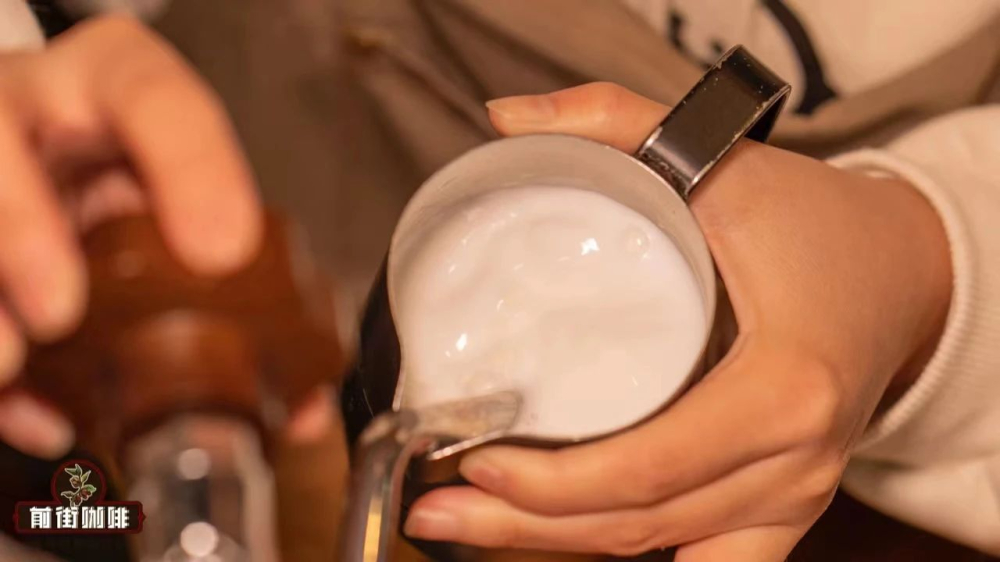
In summary, latte art is not just about technique—it’s also a test of attention to detail and patience. By mastering milk foam thickness, integration techniques, and familiarizing yourself with the necessary hand feel through repeated practice, even beginners can make steady progress. Gradually challenging yourself with advanced patterns like tulips, leaves, and rosettas will turn every cup of latte into a double delight for both the eyes and the palate.
The above content is compiled by CoffeeHunters, a coffee news website.


