








Introduction:Delve into how Brazil has shaped unique coffee flavors through its innovative semi-washed processing method. This article explores the region's geography and variety evolution, analyzing the microclimates and soil characteristics of Southern Minas, Mogiana, and Cerrado, and guiding you through the golden pour-over parameters and three-stage pouring technique for Fazenda Rainha Yellow Bourbon to fully uncover the secrets behind Brazil’s nutty flavor profile.
Brazil consistently ranks as the world’s top coffee producer, not only due to its exceptional geographical conditions but also because of its pivotal role in processing techniques and variety cultivation. From the challenges of traditional sun-dried processing to the development of more controllable semi-washed methods, Brazilian coffee has gradually established a global market impression of a ‘rich and balanced’ foundational flavor. This article will take you on a journey through Brazil’s three major specialty coffee regions, analyzing how terrain and altitude influence bean characteristics, and providing an in-depth look at the brewing essentials for Fazenda Rainha Yellow Bourbon to help coffee enthusiasts more precisely appreciate its layers of nuttiness and dark chocolate.

Brazilian coffee generally exhibits low acidity and high body, with a soft nutty main note upon entry, occasionally accompanied by hints of grassy aroma. Though understated, such flavors align closely with the everyday preferences of most drinkers, making it a highly accepted base choice in the market. It is precisely for this reason that Brazilian coffee has long maintained its throne as a global supply powerhouse. One of its most representative innovations is the semi-washed processing method developed specifically for local climatic conditions, successfully overcoming the risks of off-flavors or mold often associated with traditional sun-dried methods.
Brazil’s coffee-growing areas can be divided into two main types: highlands and plains, most of which are located at low elevations below 200 meters, enjoying abundant sunlight but with limited day-night temperature variation. This environment prompted Brazilian producers to develop the semi-washed process, which shortens the mucilage sun exposure time and skips the fermentation tank washing step, effectively reducing microbial risk while improving bean cleanliness and ripening consistency. This method is not only more stable but also allows the coffee to showcase a purer regional character.
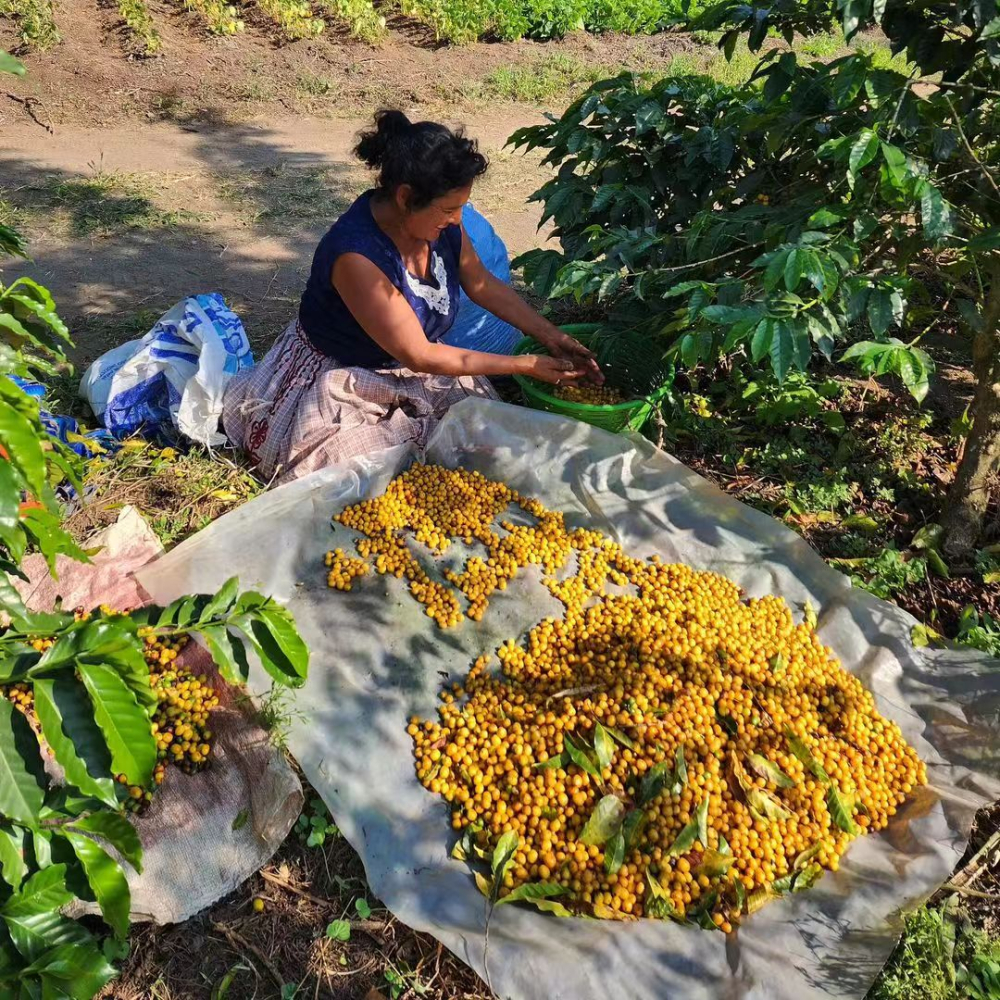
Next, let’s get to know a few representative Brazilian coffee beans. First is the red fruit coffee from the Cerrado region, grown at altitudes between 700 and 1200 meters and processed using the semi-washed method, delivering tropical fruit aromas and high sweetness, with low acidity and a smooth mouthfeel. Another notable option is Fazenda Rainha Yellow Bourbon from Mogiana in São Paulo State, grown at elevations of 1400 to 1950 meters. Hand-picked and semi-washed, it showcases a rich nutty profile with a distinct dark chocolate finish, offering a rounded and layered overall flavor.
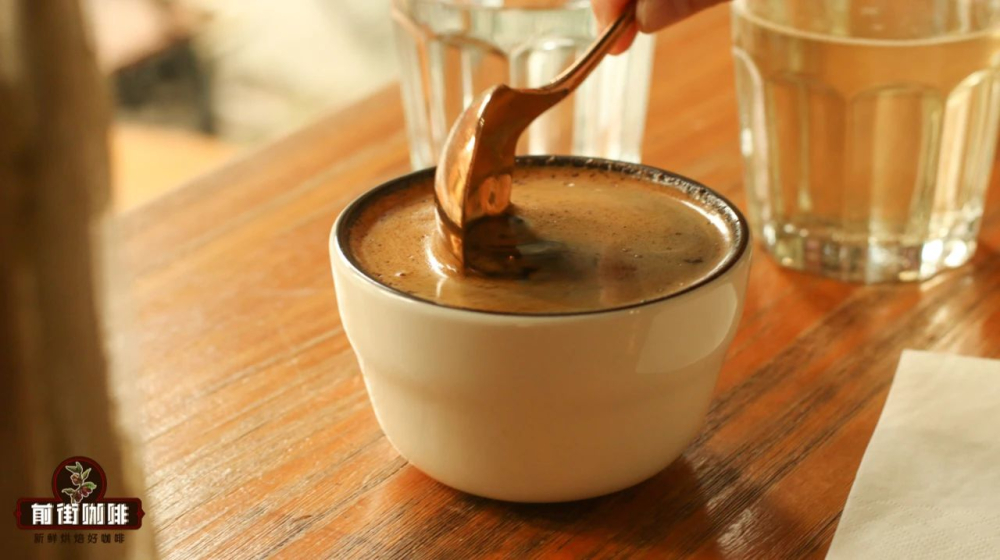
To fully experience the characteristics of Fazenda Rainha Yellow Bourbon, the following pour-over setup is recommended: use 15 grams of medium-coarse ground coffee (approximately 75% passing through a #20 sieve), with a 1:15 coffee-to-water ratio, and water temperature controlled at 88°C. The pouring technique suggests a three-stage approach: start with 30 ml for an 80-second bloom; once the coffee bed expands, apply the second stage by pouring 100 ml in small circles; finally, when the water surface is about to expose the coffee grounds, pour 95 ml to complete extraction, with a total time of around 2 minutes. These parameters effectively highlight the Yellow Bourbon’s sugarcane sweetness and nutty main notes.
The development of Brazil’s coffee industry is inseparable from its historical background. Since the introduction of coffee seeds from French Guiana in 1729, Brazil has long served as the primary supplier to the European market. Its policies have gradually shifted from early government strict control and price protection to a free-market model, granting producers and exporters greater autonomy. This transition has also fostered varietal diversification and innovations in processing techniques, enabling Brazil to not only steadily supply commercial-grade beans but also craft distinctive specialty coffees.
Currently, the main varieties cultivated in Brazil include Red Bourbon, Yellow Bourbon, Mundo Novo, and Yellow Catuai. Among them, Yellow Catuai is a hybrid of Mundo Novo and Caturra, known for its excellent disease resistance, suitability for high-altitude planting, and delicate acidity. The Mundo Novo variety, meanwhile, originates from a natural cross between Bourbon and Typica, first discovered in São Paulo State, Brazil, in 1943, and its flavor profile has also received widespread acclaim.
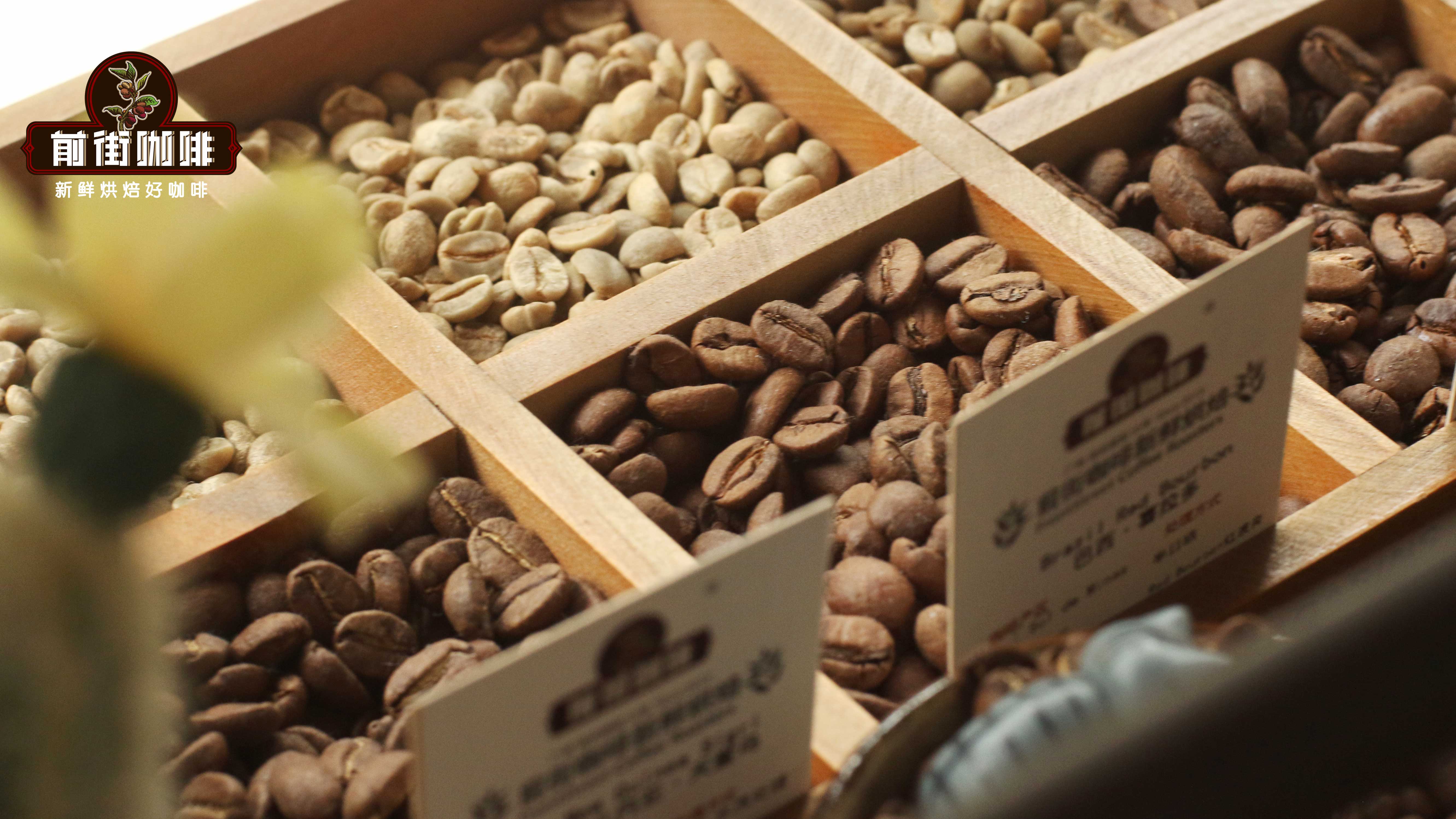
Focusing on the three major specialty regions, Southern Minas, with its elevation exceeding 1100 meters, significant day-night temperature differences, and diverse microclimates, is an ideal growing ground for Bourbon and Yellow Bourbon varieties. Cerrado features coffee grown at elevations between 1100 and 1300 meters; although its grassland landscape is vast, only beans produced at higher altitudes can be classified as ‘Cerrado coffee.’ The region’s coffee is generally full-bodied and free of earthy off-notes, with representative farms like Fazenda Terra Branca benefiting from volcanic soil and well-defined dry and wet seasons, creating unique flavor layers.
Located in São Paulo State, Mogiana combines traditional large-scale farms with modern small-scale management, using high-tech equipment to enhance sweetness expression. The coffee produced here often carries a sugarcane-like clean sweetness. As the standout in the area, Fazenda Rainha adheres to high-altitude cultivation and low-yield management, ensuring each bean showcases the ultimate nutty and chocolatey notes through full manual selection and semi-washed processing. It stands as a model of Brazilian specialty coffee.
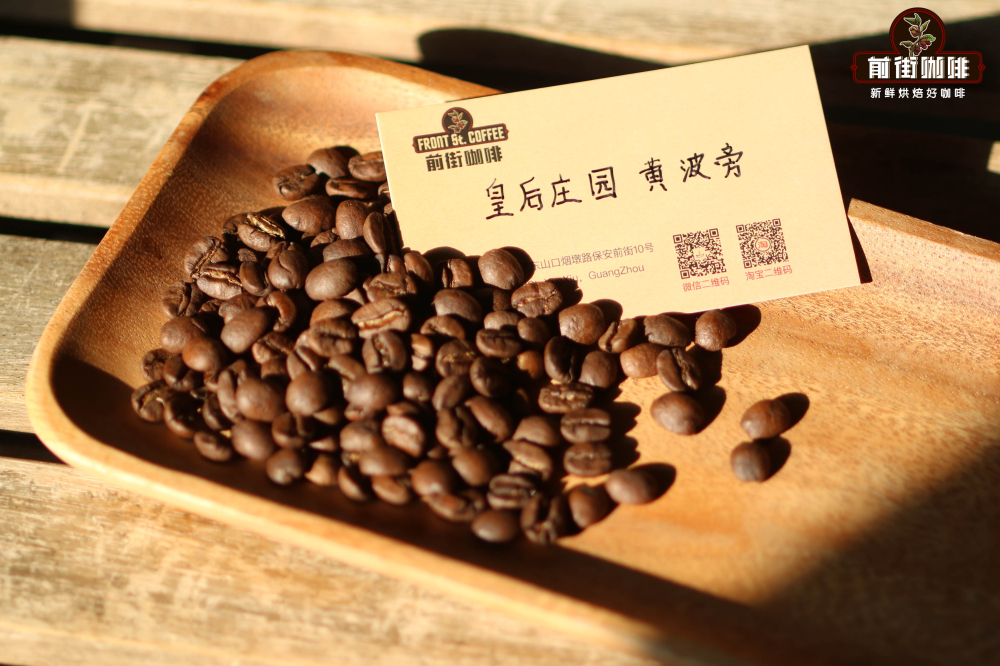
In summary, the charm of Brazilian coffee lies not only in its massive production volume but also in its continuously evolving processing techniques and deep understanding of regional characteristics, resulting in beans with stable and recognizable profiles. From the innovation of the semi-washed process to the unique microclimates and soil conditions of the three specialty regions, and to the refined brewing performance of Fazenda Rainha Yellow Bourbon—these elements collectively establish Brazilian coffee’s important position in the global market. If you wish to delve deeper into the essence of Brazilian coffee, start with the recommended parameters and regions mentioned above to personally experience its distinctive nutty and full-bodied flavors.
The above content is compiled by CoffeeHunters, a coffee news website.


