







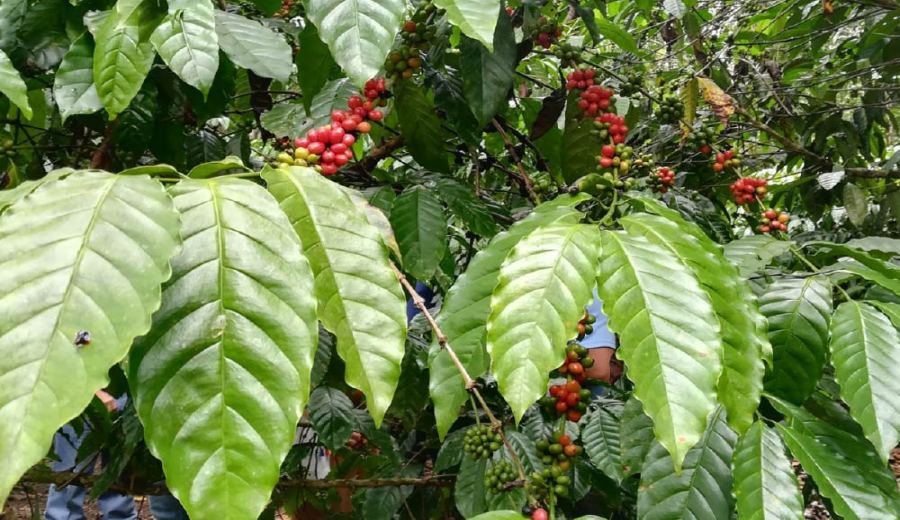
Introduction:Geisha coffee, also known as Artisan coffee, is one of the top varieties in the global specialty coffee market, renowned for its distinctive citrus, floral, and tea-like flavor profiles. However, many people don’t realize that the Geisha grown in Panama and Central and South America is actually a completely different variety from the original Geisha native to Ethiopia. This article will delve into the historical discovery and varietal origins of Geisha, compare in detail the flavor differences between the two regions, and provide practical purchasing and tasting advice to help coffee enthusiasts better understand this legendary bean.
Geisha coffee, commonly referred to as Artisan coffee in Taiwan and Hong Kong, is an Ethiopian native variety within the Arabica family, originally from Africa. Although Geisha originated in Ethiopia, it was Panama that truly brought it fame. As Geisha from Panama’s Hacienda Esmeralda consistently achieved outstanding results in international competitions, this coffee gradually became a standout in the specialty coffee scene. However, it’s worth noting that the Geisha now cultivated in Panama and Central and South America is actually a completely different variety from the original Geisha native to Ethiopia. This article will take you through the complete history of Geisha, the varietal distinctions between the two major producing regions, and their significant flavor differences.
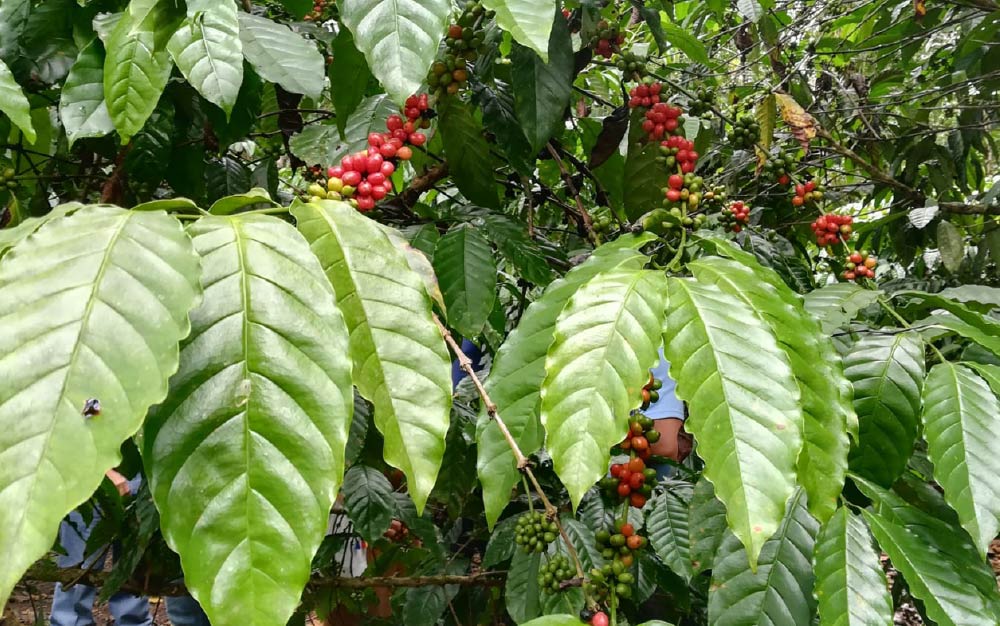
First, the name “Geisha” actually stems from a misunderstanding. In the 1930s, the British colonial government, in search of coffee varieties suitable for commercial cultivation, sent military officers deep into the Kaffa forests of southern Ethiopia to conduct research. At that time, they discovered an exceptionally flavorful coffee tree species in a jungle area called Gesha. A Colonel named Richard Whalley led the team to collect these seeds and sent them to research centers in Kenya and Tanzania for cultivation. However, in the report, the name “Gesha” was mistakenly spelled as “Geisha,” and this “typo” persisted for nearly a century, becoming the well-known “Geisha” we know today.
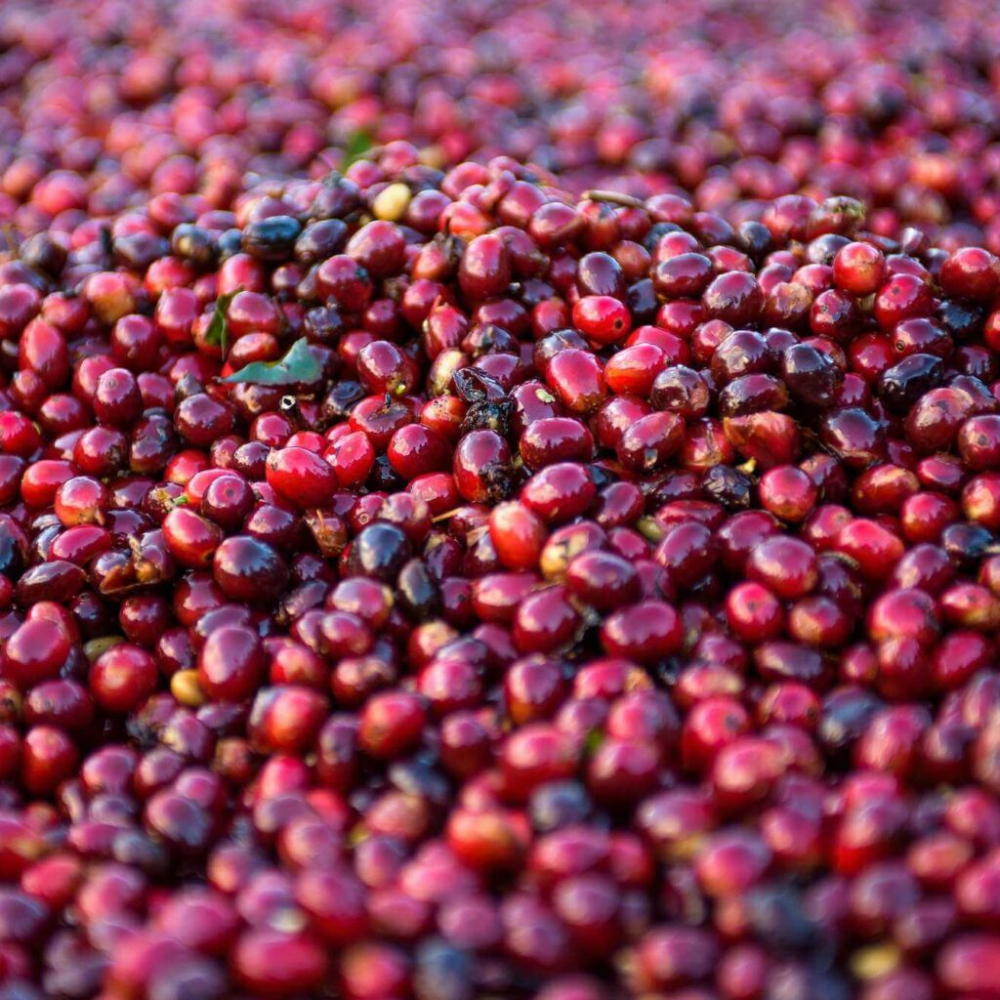
According to historical records, this collection mission was carried out multiple times in 1931 and 1936. Some seedlings were sent to Kitale in Kenya for trial planting, while others were sent to the Lyamungu Research Station in Tanzania, where varieties such as Geisha 1, 9, 11, and 123 were further selected, eventually forming the VC496 to VC500 breeding group. In 1953, these seedlings were introduced to CATIE, the Tropical Agricultural Research and Higher Education Center in Costa Rica, and were brought to the Boquete region of Panama in the 1960s to combat the severe issue of leaf rust. After nearly 40 years of obscurity, it wasn’t until 2004 when the “T2722” variety among these coffees won first place in Panama’s Best of Panama (BOP) competition that Geisha truly stepped onto the international stage.
So, what exactly is the difference between Panamanian Geisha and Ethiopian Gesha? Simply put, they are two varieties with distinct genetic makeup and flavor profiles. In official literature, the Panamanian producing region typically uses the spelling “Geisha,” while Ethiopia mostly uses “Gesha.” This is not just a spelling difference but serves to clearly distinguish the origins and characteristics of the two. Panamanian Geisha is known for its bright acidity, delicate floral notes, caramel sweetness, and tea-like finish, with common flavor descriptions including citrus, jasmine, peach, honey, and black tea. In contrast, Ethiopian Gesha often exhibits more citrus, almond, and soft tea-like qualities, with overall flavor complexity and refinement usually slightly less pronounced than those of Panamanian Geisha.
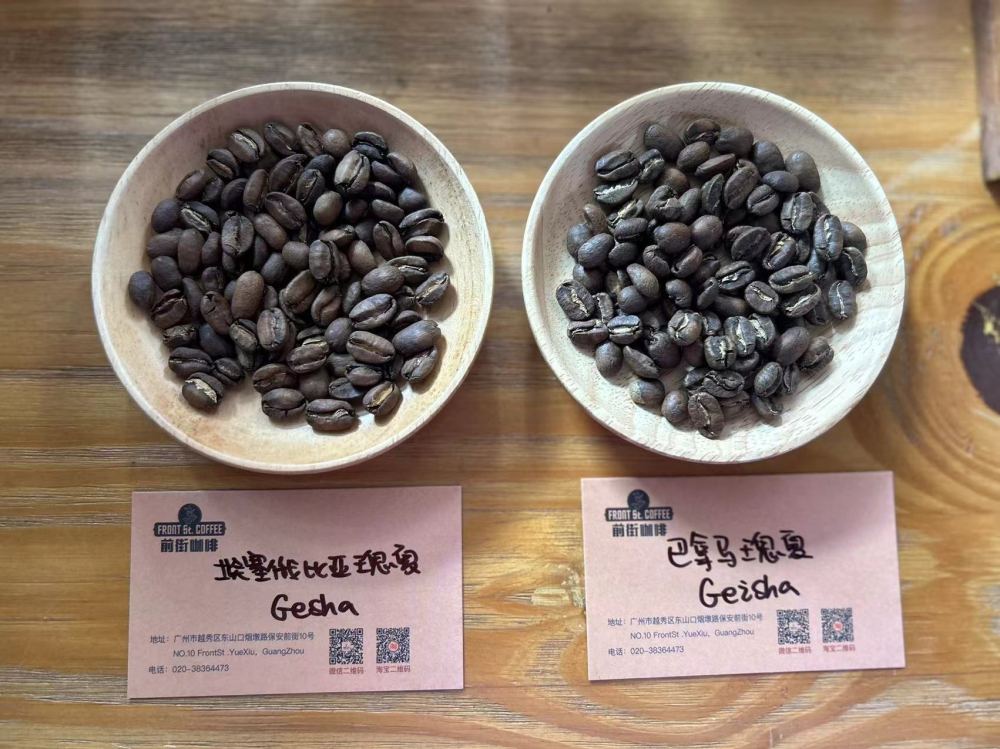
In fact, the famous Panamanian Geisha variety originates from coffee seeds collected by British officers from the Gesha region of Ethiopia in the 1930s. After multiple transfers, manual selection, and environmental adaptation, it eventually evolved into the “T2722” variety we are familiar with today. On the other hand, Ethiopian Gesha has only been rediscovered in the past decade or so, with efforts specifically aimed at finding wild varieties similar to the Panamanian strain in its place of origin, and renaming them after local areas in an attempt to create a kind of “native alternative.” Since these Ethiopian Gesha varieties were researched and cultivated relatively late, they have not yet fully adapted to various terroirs, resulting in flavors that are closer to their original wild state and significantly different from Panamanian Geisha.
Currently, the most commonly available Geisha coffee beans on the market can be divided into two main categories: one includes renowned farms from well-known producing regions in Panama, such as Boquete, for example, Hacienda La Esmeralda. Their famous Natural Red Label, Washed Green Label, and Boquete-region Geisha all have very high recognition. The Natural Red Label typically showcases intense berry acidity and sweetness, rose floral notes, and black tea aftertaste; the Washed Green Label excels with bright citrus acidity, jasmine and white floral notes, and a honey finish; while the Boquete-region Geisha also offers a mild citrus tone, roasted sweet potato sweetness, and green tea aftertaste.
The other category includes Geisha from Ethiopia’s Gesha Village, which offers product lines such as Gold Label, Red Label, and Chaka. The Gold Label uses the Gesha 1931 variety from the Oma region, often featuring flavors of berries, chamomile, cantaloupe, and tea; the Red Label uses the Geri Gesha variety, presenting flavors of plum, citrus, cream, tropical fruits, and fermentation aromas; Chaka is a blend of multiple strains, including Gesha 1931, Geri Gesha, and IIIubabor, offering complex flavors such as lemon, berries, honey, oolong tea, and cream. It’s an excellent choice for coffee lovers who enjoy layered and varied taste profiles.
In summary, if you want to experience the most classic, competition-level expression of Geisha coffee, the Hacienda La Esmeralda series from Panama is a must-try classic; whereas if you want to explore a more original, wild-style Geisha, the Gesha Village series from Ethiopia offers another unique flavor perspective. No matter which you choose, understanding their regional backgrounds, varietal origins, and processing method differences can help you better appreciate the unique charm of this world-class coffee.
The above content is compiled by CoffeeHunters, a coffee news website.


