







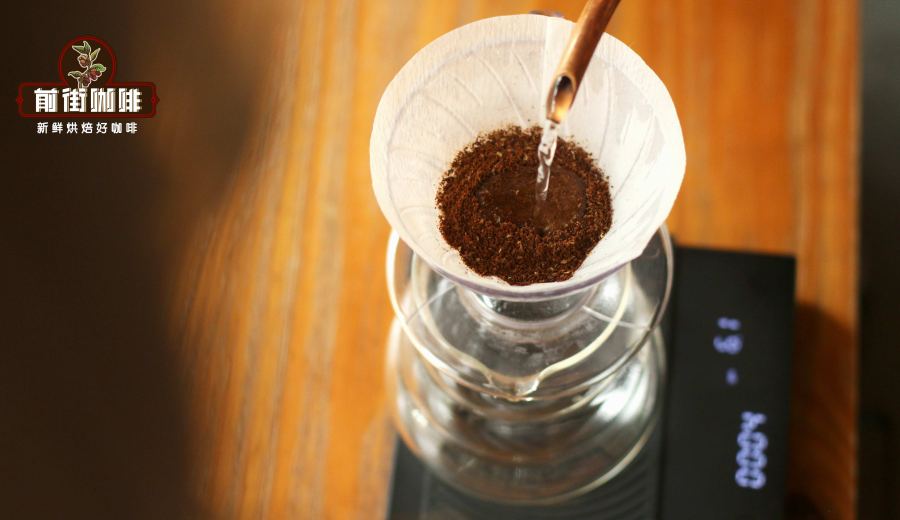
Introduction:Blooming is the most critical first step in the pour over process. Not only does it awaken the coffee grounds, but it also releases carbon dioxide, laying the foundation for subsequent extraction. This article delves into how the blooming water volume and duration can alter the flavor profile of coffee, and provides flexible blooming strategies tailored to different roast levels and bean varieties. Through practical case studies and operational details, we help you master a more precise blooming method to elevate the quality of every pour over cup.
In the entire pour over process, blooming is often the first step—and the most easily overlooked. Yet, this seemingly simple action has a significant impact on the final flavor direction. The control of water volume and timing during the blooming phase directly affects whether carbon dioxide in the coffee grounds can be smoothly released, thereby influencing the efficiency of flavor compound extraction.
Usually, when beginners consult brewing guides, they often see recommendations to use double the weight of coffee grounds in water for blooming. For example, with 15 grams of coffee, 30 ml of water is typically advised; with 20 grams, 40 ml. However, this standard isn’t absolute—in practice, it’s common for coffee liquid to begin dripping into the server before blooming is complete, leaving many puzzled.
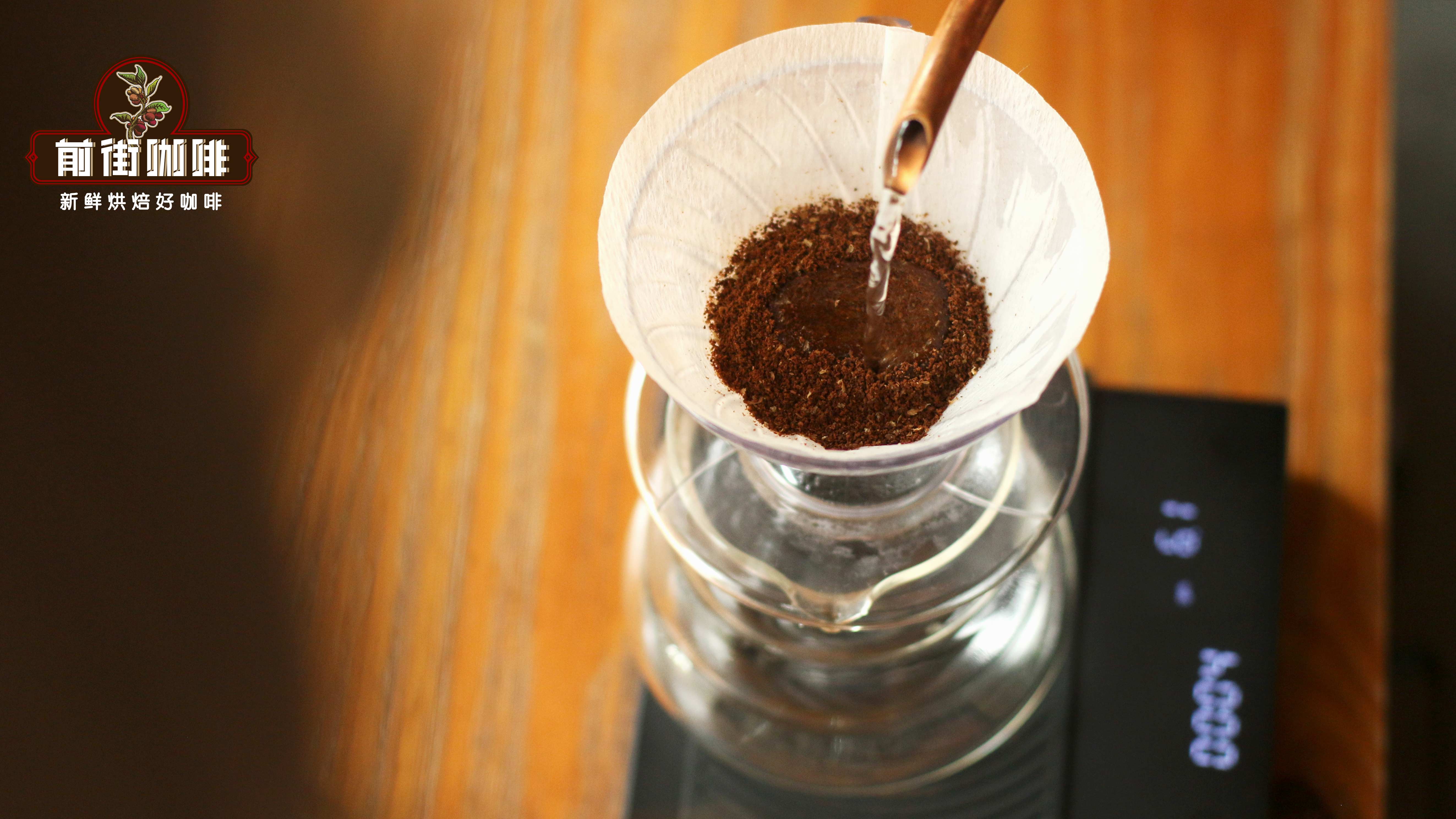
Why is the recommended blooming water volume double the coffee weight? The rationale is closely tied to the physical properties of coffee beans. After roasting, beans contain large amounts of carbon dioxide, which helps “preserve” the beans during storage, slowing flavor loss. However, during brewing, CO₂ hinders the full contact and dissolution of water with flavor compounds in the coffee, so it needs to be expelled via blooming.
Ideally, the water volume should uniformly wet all the coffee grounds, creating an optimal environment for gas release. Too much water will result in excess that cannot be absorbed by the grounds and will simply drip through—what some call a “waste.” Too little water fails to fully saturate the coffee bed, preventing effective CO₂ expulsion, rendering the bloom ineffective.
The theoretical saturation absorption capacity of coffee grounds is about twice their own weight, which is why many guides recommend using a two-to-one water ratio for blooming. In reality, however, coffee grounds don’t absorb all that water instantly—especially at the start of blooming—so even with a double dose, you might see liquid draining early.
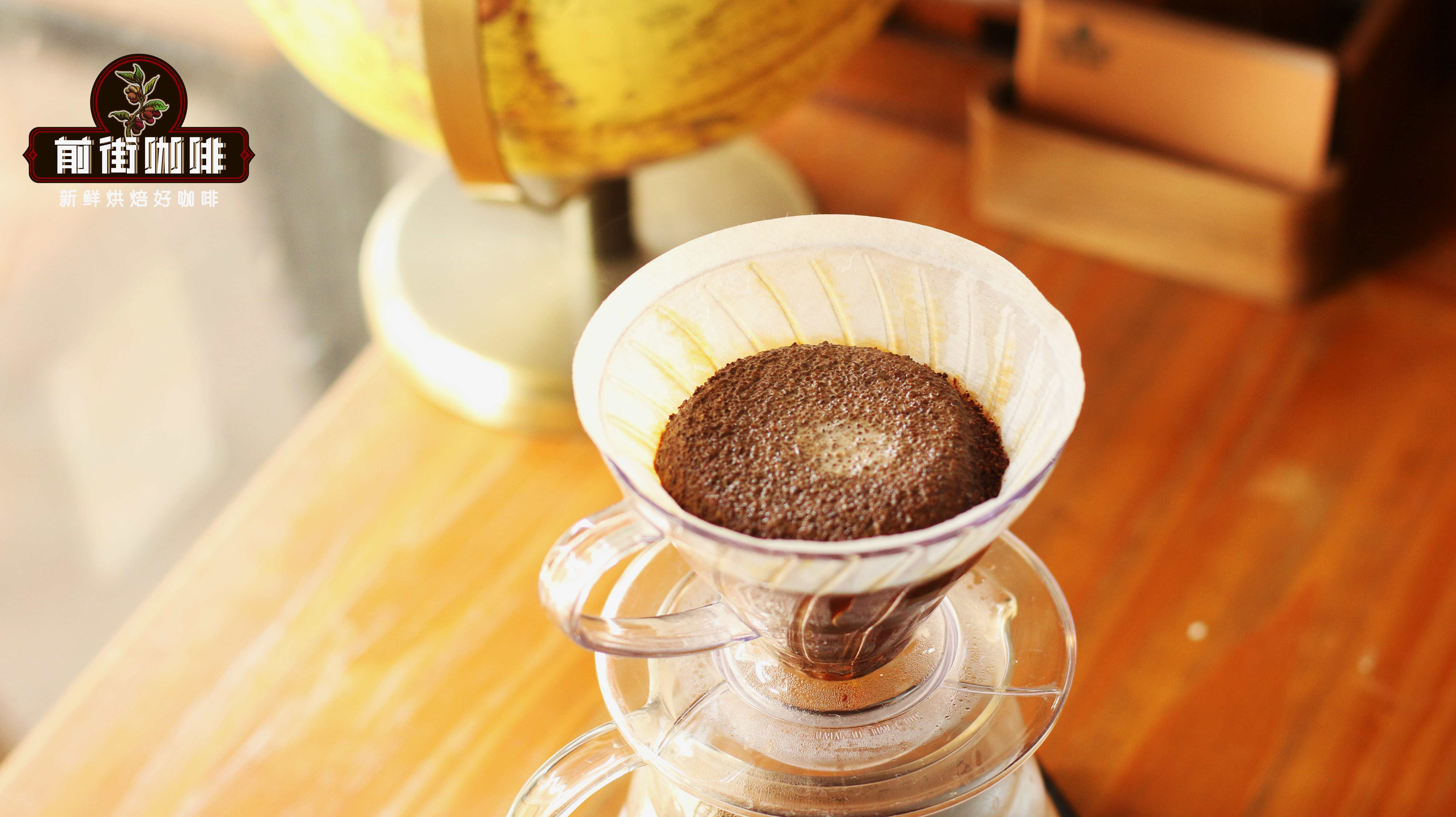
Factors influencing water penetration speed include grind size and coffee bean hardness. Generally speaking, the finer the grind, the smaller the coffee particles, and the faster the water penetrates; but at the same time, the smaller gaps between fine particles extend the time it takes for water to reach the whole coffee bed. Additionally, dark roasted beans, due to their looser structure, allow water to penetrate more easily, whereas light roasted beans have tighter particles and slower absorption rates, often leading to more premature dripping.
Therefore, depending on the characteristics of the coffee beans, the blooming water volume can be flexibly adjusted between 1.5 to 2 times the coffee weight. For instance, medium to dark roasted beans such asGolden MandhelingorQueen Estate, which have strong water absorption and can effectively retain moisture and release gases, usually benefit more from a two-to-one blooming ratio. In contrast, medium to light roasted beans that are relatively harder and less absorbent—such asWashed Yirgacheffe Guji DingdingorNatural Huakui—are better suited to a 1.5-times ratio. The key here is to ensure the coffee bed is evenly wetted, without the need for excessive water.
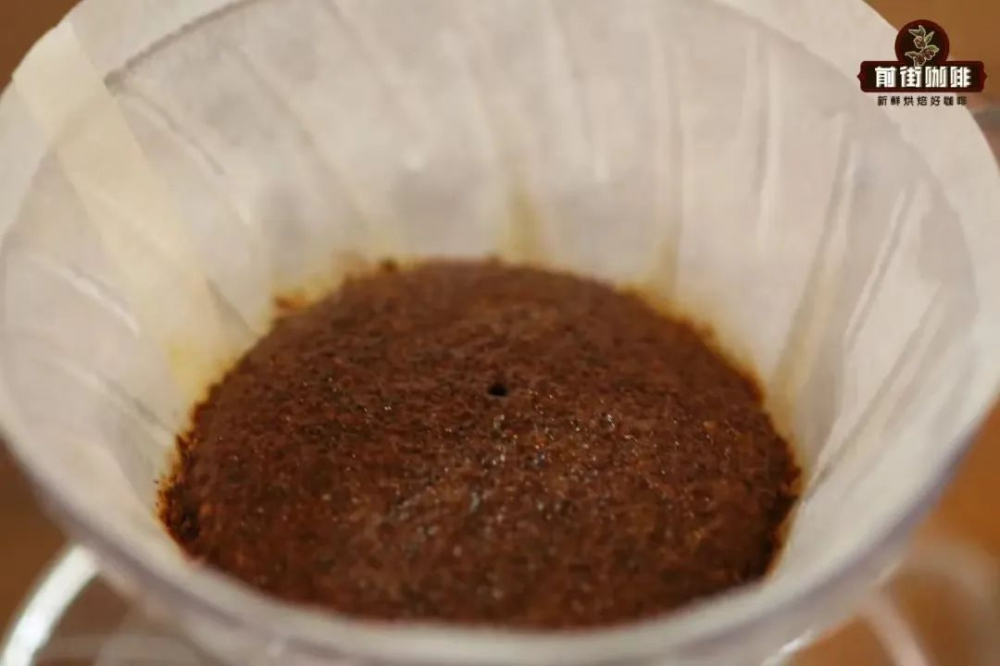
Besides water volume, blooming technique and bean freshness also affect the outcome. It’s recommended to use a thin stream of water, gently circling from the center outward. This promotes even water distribution, creates a favorable gas-release environment, and extends the time for water to penetrate. If the beans have been stored for too long, their internal CO₂ may have largely dissipated—resulting in minimal expansion or rapid dripping after blooming—indicating limited effectiveness, and you might even consider skipping the step.
It’s normal for a small amount of coffee liquid to drip into the server during blooming. But if no liquid comes out at all, the coffee bed may not be fully wetted. On the other hand, excessive dripping—especially under a fixed brew ratio—can dilute the concentration of subsequent extraction, reducing flavor intensity.
For beginners, using double the coffee weight in water for blooming is the easiest method to manage, ensuring even saturation and degassing. But for those aiming for higher extraction quality, experimenting with reduced blooming water—without generating large bubbles—can yield a more focused mouthfeel and a clearer, more complete flavor profile.
The above content is compiled by CoffeeHunters, a coffee news website.


