








Introduction:Ethiopia’s Gesha Village and Panama’s Hacienda La Esmeralda are both recognized as global hubs for Geisha coffee, yet they differ significantly in terms of grading systems, varietal origins, and brewing profiles. This article delves into the regional background, varietal characteristics, brewing recommendations, and typical flavor profiles of Gesha Village’s Rarities, Gold Label, Red Label, Green Label, and Chaka lots, while also comparing the similarities and differences in flavor expression between these two renowned estates. Whether you're new to Geisha or a coffee enthusiast seeking inspiration for brewing specialty beans using a pour over method, you’ll find practical insights for selection and extraction here.
Geisha coffee is beloved worldwide for its distinctive floral aroma, bright acidity, and long-lasting aftertaste. It originated in Ethiopia’s Gesha Forest and was later introduced through Kenya and Tanzania to Panama. It wasn’t until 2004, when Hacienda La Esmeralda won the BOP competition with the Geisha variety, that it truly rose to stardom in the specialty coffee scene. Today, in addition to Panama’s Esmeralda Estate, Gesha Village in Ethiopia’s Bench Maji region has also gained attention for its high-altitude cultivation and strict quality grading, making it a must-visit origin for Geisha lovers.
Covering a total area of 471 hectares, Gesha Village dedicates 320 hectares to coffee cultivation, all at elevations above 1900 meters. Such altitude allows the coffee cherries a longer growth cycle, enabling them to accumulate richer flavor compounds. The farm is divided into eight independent plots, each planted with a single variety to ensure flavor purity and traceability by plot. Gesha Village mainly grows three varieties: Gori Gesha, Gesha 1931, and Illubabor Forest, among which Gesha 1931 is one of the estate’s most representative varieties.
Internally, Gesha Village classifies its coffee into five tiers: Auction, Rarities, Gold Label, Red Label, Green Label, and Chaka lots. Each category differs in bean selection criteria, processing methods, and flavor profiles. Among them,Gold Label (Rarities)is the premium tier just below the auction lots. Its English name translates literally to “rare treasures,” and it accounts for only 10% of the estate’s total production. Each batch of Gold Label beans comes from specific plots and includes detailed regional information. The Gold Label uses the Gesha 1931 variety, which exhibits intense and layered flavor profiles, often featuring rich notes of jasmine, blueberry, peach, and honey, along with delicate acidity and a long-lasting aftertaste.
The auction lots from Gesha Village represent the absolute pinnacle and make up only 3.7% of annual production. These beans are available exclusively through the annual global auction event. Their cupping scores generally range between 88.15 and 92.67, and are further subdivided into Champion’s Reserve and Farm Reserve based on quality. Auction lots not only offer exceptional flavors but are also the preferred choice for many competitors in international coffee competitions.
Compared to the rarity and luxury of the Gold Label,Red Labellots are more popular for their great value, accounting for about 15% of annual production. Red Label coffees also come with complete plot traceability and have cupping scores above 88 (according to SCA standards). While their flavor complexity may not match that of the Gold Label, they still showcase the classic fruity and floral characteristics of Geisha. They are well-suited for consumers who want to experience high-quality Geisha but have a more limited budget. The Red Label mostly uses the Gori Gesha variety, which is slightly different from the T2722 variety commonly used by Hacienda La Esmeralda, and is actually closer in appearance and flavor profile to the original Ethiopian Geisha plants.
As forGreen Label lots,these are products from a single plot and a single variety, with each batch offering detailed traceability information including farm, plot, variety, and processing date. Green Label emphasizes regional terroir, and beans from different plots can exhibit varying dominant flavors due to microclimate and soil differences—some batches may highlight citrus and jasmine, while others might lean toward tropical fruits or herbal notes.
Chaka lots (CHAKA)are Gesha Village’s most accessible product line. They combine beans from all plots across the estate, feature all three varieties (Gesha 1931, Gori Gesha, and Illubabor), and include coffees from various harvest seasons throughout the year. Both natural and washed processing methods are used. Chaka lots not only offer a diverse flavor experience but also allow consumers to enjoy Gesha Village’s variety at a more affordable price. Common flavor notes include pronounced floral and citrus tones, berry sweetness, and even creamy, oolong tea, and cane sugar undertones. They are ideal for everyday specialty coffee or as a pour over practice option.
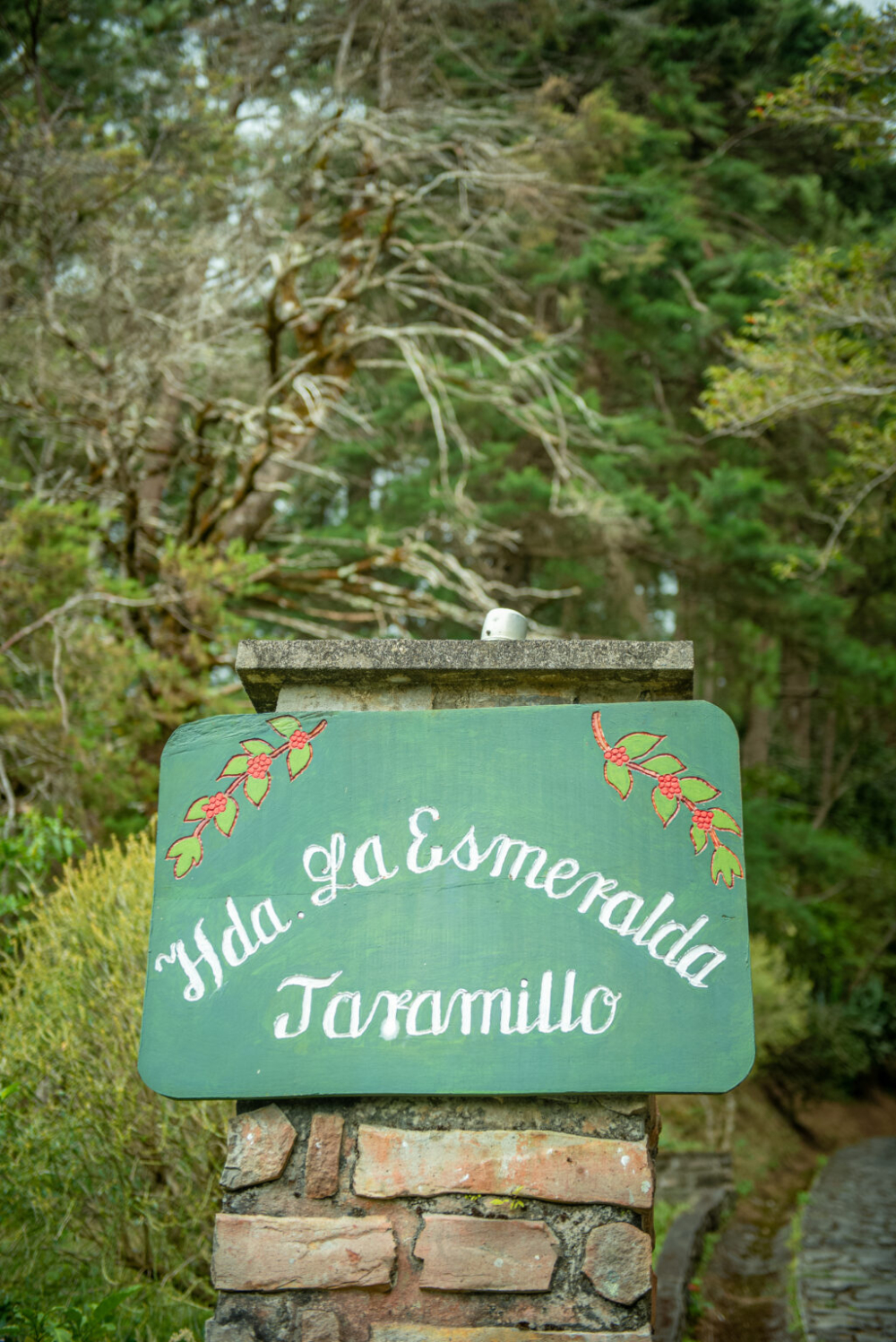
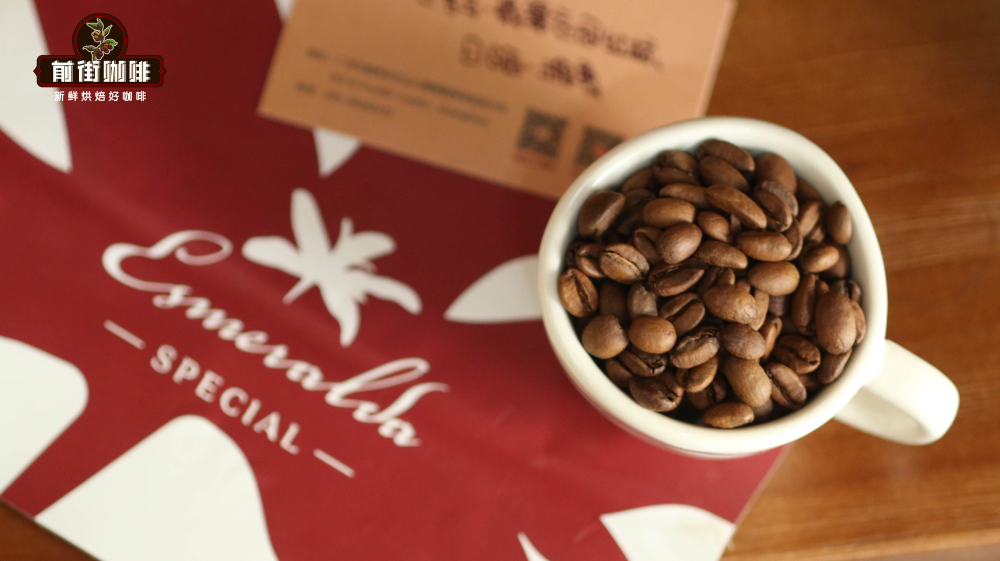
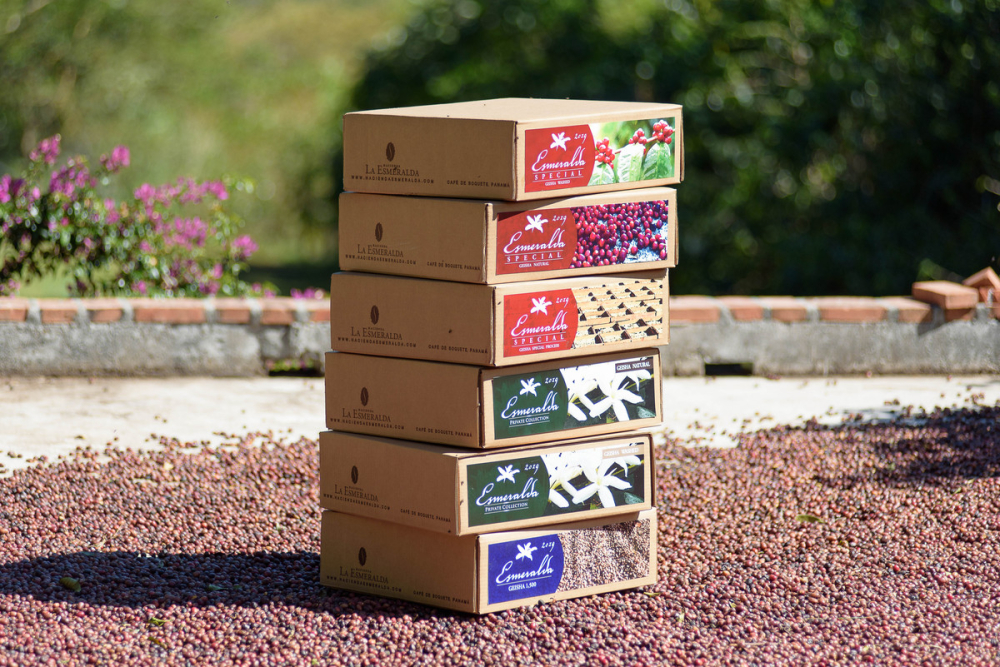
It’s worth noting that Panama’s Hacienda La Esmeralda also uses Red Label, Green Label, and auction lots as its main market tiers, but its regional characteristics and varietal processing methods still set it apart from Gesha Village. Esmeralda is known for its famous plots—Jaramillo, Canas Verdes, and El Velo. Its Red Label mostly employs natural or washed processing, highlighting bright acidity and floral notes such as jasmine, passion fruit, citrus, and cinnamon. The Green Label consists of multi-plot blends from altitudes between 1600 and 1800 meters, offering classic citrus-honey profiles and serving as an entry-level favorite for many new to Geisha.
In summary, whether you choose the Red or Green Label from Panama’s Hacienda La Esmeralda, or the Gold or Red Label from Ethiopia’s Gesha Village, consumers can make selections based on their budget and flavor preferences. If you’re seeking ultimate complexity and rare profiles, the Gold Label or auction lots from Gesha Village are the top choices. For those who prefer balanced acidity and easy-drinking flavors, the Green Label or Chaka lots provide a more approachable entry point. When brewing, it’s recommended to use medium-light roasted Geisha beans with a pour over dripper such as V60 or Kalita Wave, maintaining a water temperature of 90–93°C and a brew ratio of 1:15 to 1:16 to highlight their delicate aromas and layered profiles.
The above content is compiled by CoffeeHunters, a coffee news website.


