







Introduction:This article will take you on an exploration of a unique brewing method that combines the matcha techniques of Japanese tea ceremony with pour over coffee — the Fujieda Hiroshi-style chasen pour over. From selecting medium to dark roasted beans from Peru or Blue Mountain, to the precise control of a 1:13 coffee-to-water ratio and 85°C water temperature, and then to the crucial step of using a chasen to create a rich, velvety foam, we will detail its operation process and flavor characteristics, and explain why this coffee is best enjoyed fresh. Whether you’re a beginner or an advanced pour over enthusiast, you’ll gain inspiration and practical tips from it.
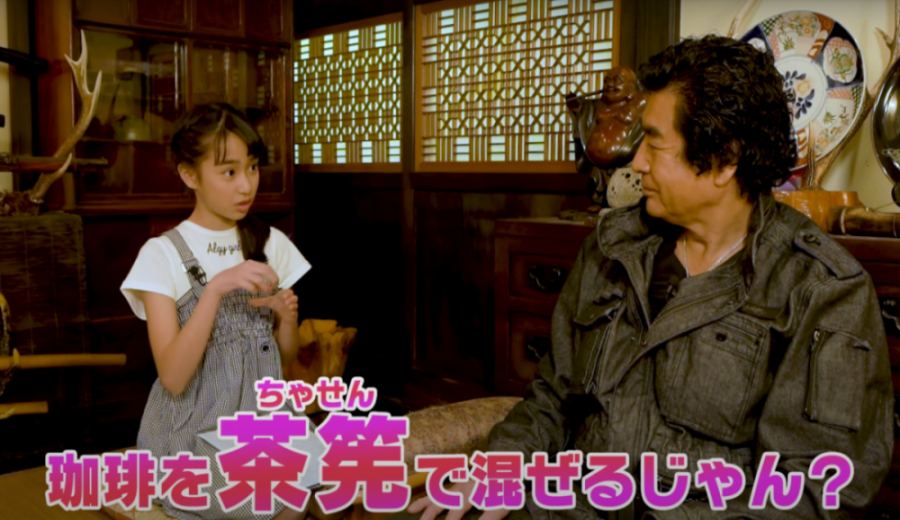
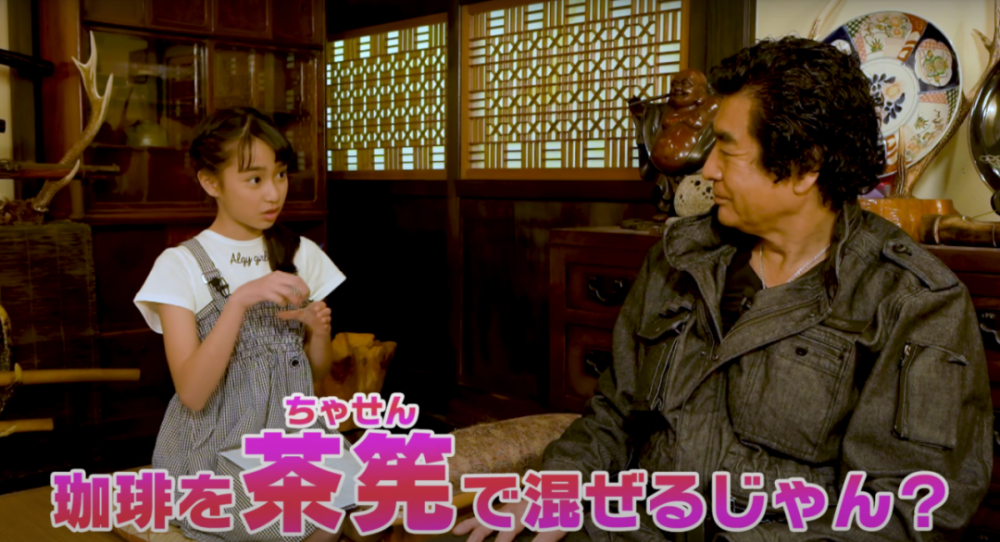
The pour over coffee method introduced this time will definitely be a refreshing surprise for you ! It completely breaks away from the traditional drip framework, and its inspiration actually comes from the matcha preparation technique in Japanese tea ceremony. And this unique brewing method, referred to as “the way of coffee,” was created by the original actor of Kamen Rider — Fujieda Hiroshi.
Although Mr. Fujieda Hiroshi is primarily known for his acting career, his passion for coffee is equally noteworthy. He has a particular fondness for Peruvian coffee beans, prefers a Japanese-style dark roast, and uses a coarser grind size. His entire extraction process employs the dripping method, with water temperature controlled at around 85°C and a coffee-to-water ratio of approximately 1:13. Finally, he even uses a chasen to whip the coffee liquid into a layer of fine, dense foam, resulting in flavor characteristics that are quite different from conventional pour over.
You might wonder how the method of making matcha is related to coffee? In fact, as an important element of Japanese tea ceremony, matcha is made by placing matcha powder into a tea bowl, pouring in 60 to 80 milliliters of hot water, and then using a specialized “chasen” to evenly mix the tea powder with the water and quickly whip it into a thick, fine layer of foam. This step shares a similar spirit with Fujieda Hiroshi’s coffee-making process.
Returning to Fujieda Hiroshi’s coffee method, he uses Japanese-style dark roasted beans, which typically carry a rich roast aroma and a full-bodied taste. He first wets the coffee grounds with a small amount of hot water for about 20 seconds of blooming, which helps to awaken the beans and release the aromas. Then, he continues pouring water in a slow, steady dripping manner until the desired extraction volume is reached.
Once the coffee liquid has been extracted, the next step is the most crucial part — the “chasen foam whipping.” Pour part of the coffee liquid into a tea bowl, and use the chasen to quickly stir and whip in a manner similar to matcha preparation, until a fine and dense layer of foam forms on the surface. This layer of foam not only visually resembles the crema of espresso, but also effectively locks in the coffee’s aroma and the slightly bitter notes unique to dark roasts, resulting in a richer and more full-bodied overall taste.
It’s worth mentioning that this foam can temporarily stabilize the volatile aromatic compounds in the coffee, but it is also extremely fragile. According to actual tests, even if the fine bubbles are whipped correctly, if left undisturbed for no more than ten seconds, the foam may gradually disperse or turn into coarse large bubbles. Therefore, it is recommended to enjoy it immediately after preparation to experience the fullest flavor expression.
The team also personally attempted to replicate this technique. Although they didn’t have access to Fujieda Hiroshi’s preferred dark roasted beans, they used medium-dark roasted Blue Mountain beans instead, applying similar parameters — a 1:13 coffee-to-water ratio, 85°C water temperature, along with the dripping method and chasen foam whipping — and ultimately succeeded in producing a delicate foam. However, it should be noted that uneven whipping or insufficient time may result in an uneven or non-dense foam, and may even affect the overall taste.
Overall, this Fujieda Hiroshi-style chasen pour over is not only a technical challenge, but also a dual experience of flavor and visuals. If you’re already familiar with conventional pour over techniques, why not try incorporating this cross-boundary fusion approach to add a bit of novelty and depth to your daily coffee routine !
The above content is compiled by CoffeeHunters, a coffee news website.


