







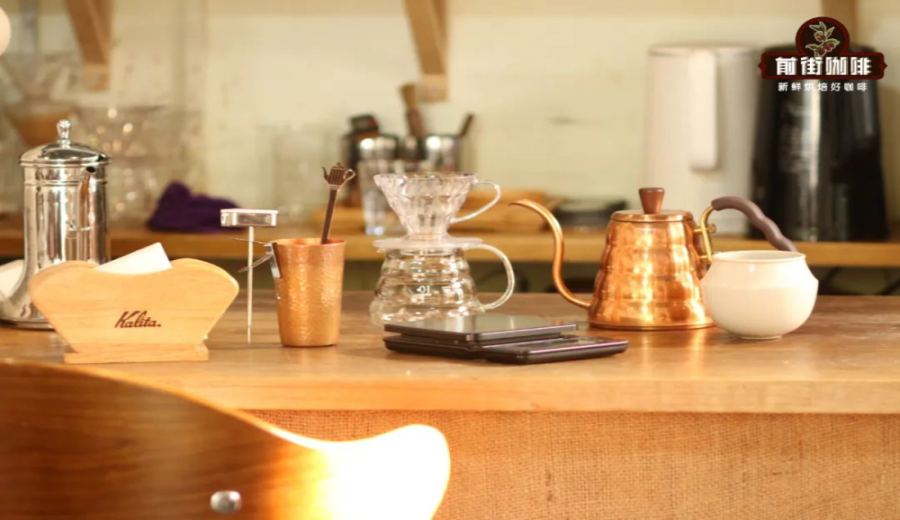
Introduction:When you first start exploring pour over coffee, the wide variety of equipment can often leave you unsure where to begin. Which tools are essential for improving flavor and ensuring stable extraction? Which are just nice-to-haves? This article clearly outlines must-have pour over essentials such as grinders, pour over kettles, filter cones, and digital scales — helping beginners distinguish which are the “sharp tools” worth prioritizing in your budget, and which can be temporarily simplified. This way, you can make smart purchasing decisions right from the start.
For those just beginning to learn pour over coffee, the array of equipment on the market can often feel overwhelming. Some advocate that you don’t need to spend much — skill is what matters most. Others argue that it’s more cost-effective to get everything right from the start. In truth, each perspective comes with its own background and is suited to different stages, but the most important thing is: making the right choice for your current stage.
Many beginners searching online often come across seemingly contradictory advice: “Experienced brewers can make great coffee with just a regular kettle,” “Equipment doesn’t matter, technique does,” “Good gear can compensate for poor technique,” or “You’ll upgrade sooner or later, so you might as well buy good stuff from the beginning...” These opinions may sound completely opposite, but they all stem from real experiences at different skill and learning levels. Therefore, understanding how various tools affect actual brewing is the first step toward making wise decisions.
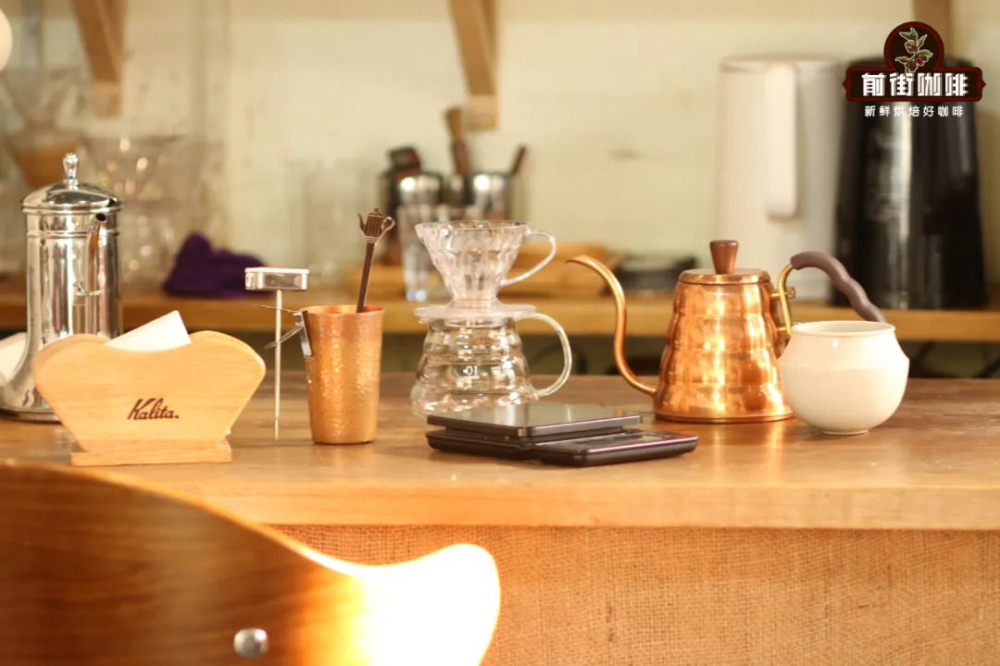
The basic equipment for pour over coffee includes: a grinder, pour over kettle, filter cone, server, digital scale, and thermometer, among others. While the list may not seem long, the price of each item can vary by more than tenfold. So how do you choose without overspending? The key lies in identifying which are the “core essentials” that impact extraction and flavor, and which are “non-essentials” that can be simplified for now.
First of all, although the pour over kettle may seem like just a tool for pouring water, it is actually one of the most important “sharp tools” for beginners.A well-designed kettle with stable water flow can effectively help you control the speed and angle of the pour, thereby improving extraction stability. Although some experts can achieve precise extractions with ordinary kettles, this usually requires long-term experience in water control. For those just starting out, an entry-level, widely used pour over kettle is not only easier to handle but also more convenient for learning proper techniques through online tutorial videos.
Next, let’s talk about the grinder — arguably the piece of equipment that has the greatest impact on coffee flavor.A high-quality grinder can effectively reduce the amount of fine particles and provide a more uniform grind size, which is crucial for both extraction efficiency and flavor balance in pour over coffee. If your budget is limited, it’s recommended to prioritize your spending on the grinder, as this will yield the most noticeable improvement. Grinder options can be divided into manual and electric — for those interested in a deeper comparison, you can explore further analyses of hand grinders versus electric grinders.
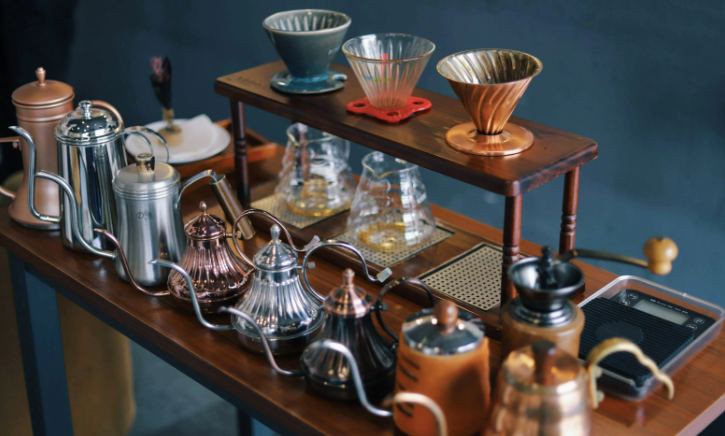
Digital scales and thermometers are helpful tools for accurately controlling parameters. It’s advisable to choose a digital scale that includes both weighing and timing functions, as this aids in managing the ratio of coffee grounds to water and tracking brew time. A thermometer can help you calibrate the optimal water temperature range (typically suggested between 90–96°C, with slight adjustments based on bean origin). Although premium digital scales may offer additional smart features, for beginners, a basic model with stable readings and practical functions is sufficient.
The filter cone is also an indispensable part of the pour over process, with a wide variety of materials, designs, and appearances available on the market. If you value practicality,resin filter cones are not only affordable but also come in multiple designs, allowing you to experiment with different flow rates and extraction styles. If you prefer aesthetics, you can also opt for ceramic or glass cones according to your personal taste, adding to the enjoyment of the experience.
The server is a relatively flexible accessory — in fact, any clean cup or container can serve as a temporary stand-in, as it has almost no impact on the final coffee flavor. Thus, whether to purchase one can be decided based on individual needs.
Some experienced coffee enthusiasts suggest that beginners go “all-in” from the start to avoid frequent upgrades later. But in reality,the grinder is indeed worth investing in a high-quality model, while other items like the pour over kettle and filter cone can be selected as entry-level or mid-range options initially. After gaining hands-on experience, you’ll have a clearer idea of the features and designs you truly need, and you can gradually upgrade later. Remember, what suits you best is what’s truly optimal — obsessively pursuing top-tier gear won’t necessarily result in a proportional boost in coffee quality.
In summary, one of the charms of pour over coffee is finding your own optimal brewing method through fine-tuning details and equipment combinations under limited conditions. At the beginner stage, clearly distinguishing which tools are “essential” and which can be “temporarily simplified” will help you enjoy the process while managing your budget wisely, gradually building your own personalized pour over setup.
The above content is compiled by CoffeeHunters, a coffee news website.


