







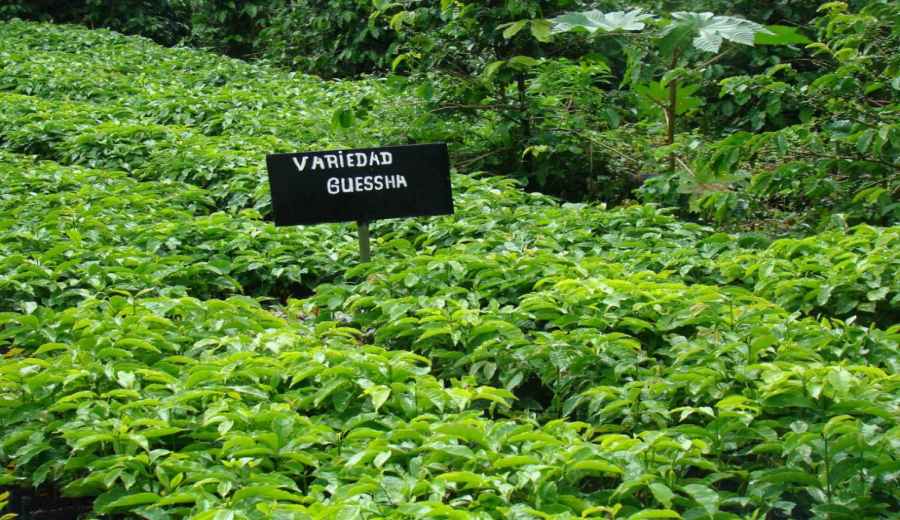
Introduction:Geisha coffee is hailed as the top variety among specialty coffees, with its price and flavor performance standing at the forefront of the industry. As a pioneer in promoting Geisha, the auction, Red Label, and Green Label series from Panama’s Hacienda La Esmeralda are the focus of enthusiasts. This article will detail the grading logic, regional characteristics, and flavor profiles of these three beans, and provide practical pour over recommendations and parameter settings to help you find the most suitable Geisha option for entry-level or connoisseur tasting.
Since its debut, Geisha (Geisha) coffee beans have become one of the most sought-after specialty coffee varieties in the world, thanks to their delicate floral aroma, refreshing acidity, and unique aftertaste. Many regard it as the top symbol following Blue Mountain, not only for its high price but also for its frequent appearances in professional competitions and auctions. Among the many regions and estates, Panama’s Hacienda La Esmeralda is undoubtedly a key player in bringing Geisha to international fame.
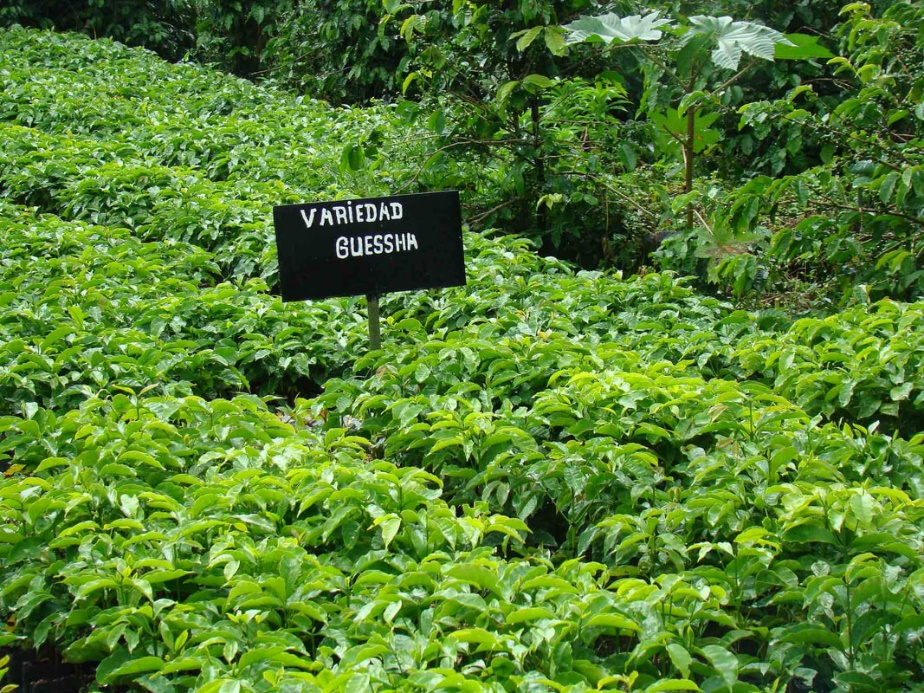
So, what tier does Geisha coffee beans belong to in the market? Simply put, it is currently recognized as one of the most representative high-end specialty coffees, not only boasting extremely high cupping scores but also maintaining high prices due to its rarity and cultivation challenges. Hacienda La Esmeralda is the representative estate of this variety, and each of its series—from auction lots to the regularly sold Red Label and Green Label—represents different grades and flavor expressions.
Geisha originally came from the Gesha Forest in Ethiopia and was brought to Kenya, Uganda, Tanzania, and Costa Rica after the 1930s. It wasn’t introduced to Panama until the 1970s. However, due to its low yield and high cultivation threshold at the time, it was long overlooked. It wasn’t until 2003 that the owner of Hacienda La Esmeralda discovered this variety’s distinctive aroma and taste. The following year, it participated in the Best of Panama (BOP) competition and won the championship, after which Geisha rose to fame.
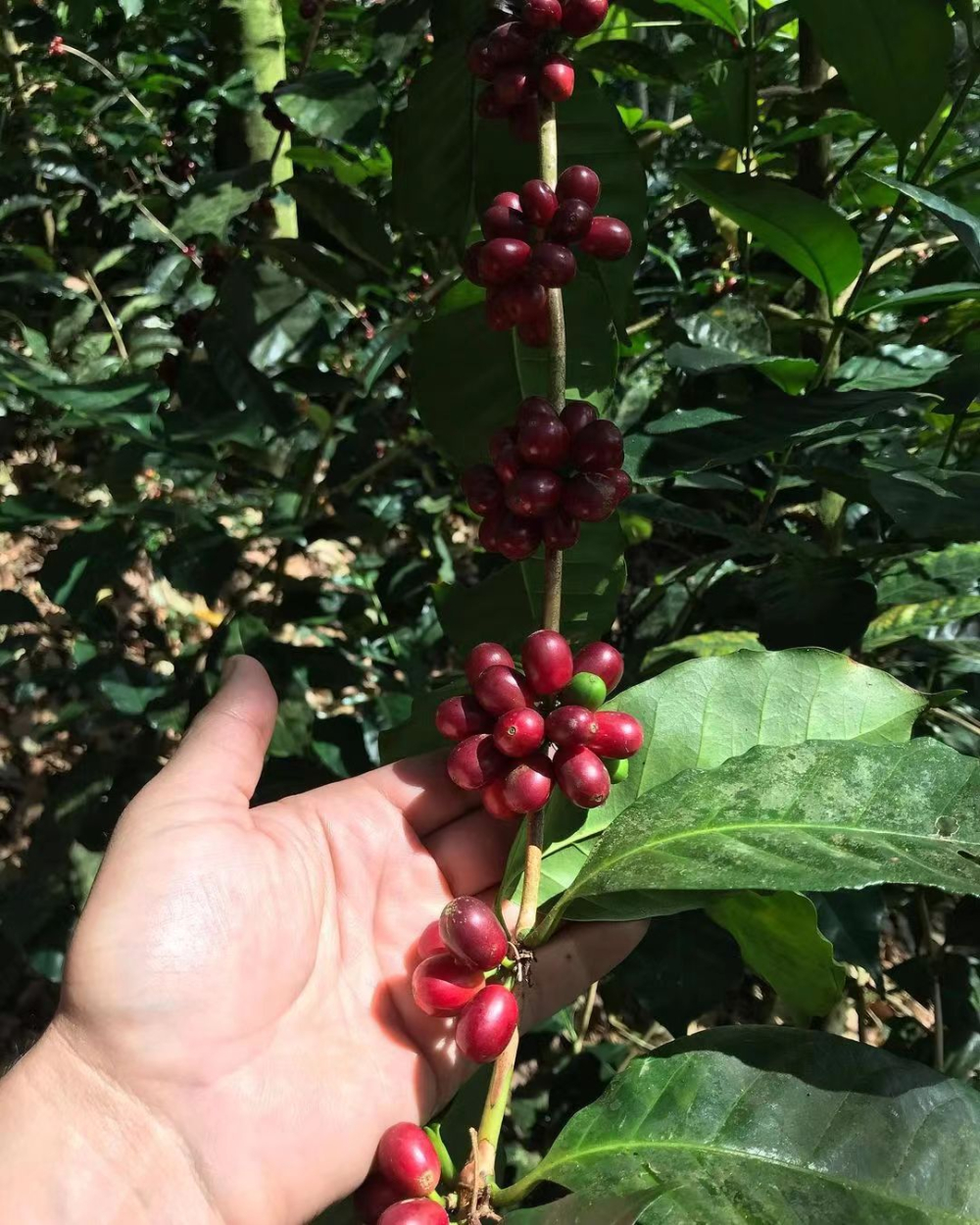
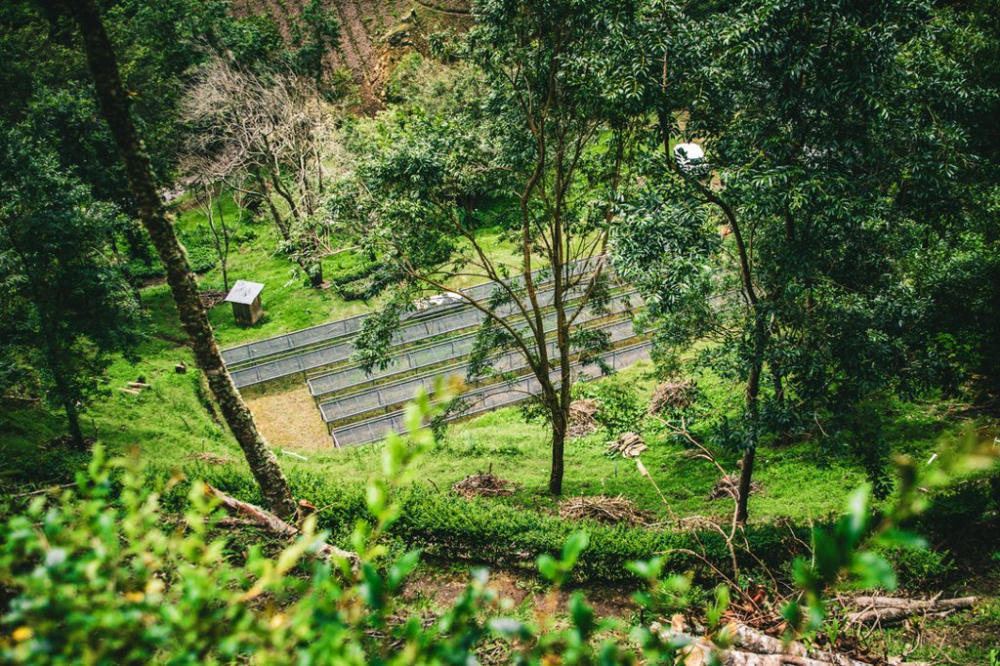
Over the years, Hacienda La Esmeralda has implemented strict plot management and cupping grading systems, dividing Geisha into different grades based on altitude, microclimate, and processing method. Generally speaking, only Geisha grown at altitudes above 1400 meters can exhibit its unique floral and fruity aromas and delicate acidity. In recent years, the estate has streamlined and upgraded its product line into three main categories: auction, Red Label, and Green Label, making it easier for consumers to choose based on budget and preference.
Let’s first look at the Auction series, which were originally part of the higher-end batches within the Red Label. Starting in 2022, Hacienda La Esmeralda separated the auction-grade Geisha, which can only be purchased through the annual auction event. These coffees usually come from specific micro-regions, are grown at higher altitudes, and have undergone rigorous screening, representing the most outstanding batches of the year. In August 2022, one batch—ES-W-3-1—even sold for a record-breaking $2,755 per kilogram, highlighting its rarity.
The Red Label Geisha is the more commonly available high-end version, mainly sourced from the Jaramillo and Canas Verdes regions, grown at altitudes between 1600 and 1800 meters, with cupping scores typically reaching 90 or above. Red Label batches can be divided into washed and natural processing methods, not only retaining bright acidity but also showcasing rich fruit and floral notes. The Red Label can also be further divided into auction and non-auction batches, but generally, the quality has reached the specialty grade.
Although the Green Label Geisha does not participate in auctions, it offers excellent cost-performance and is very popular with consumers. This series is a blend of Geisha from multiple altitudes and plots, also grown at around 1600 to 1800 meters, and the overall flavor profile remains outstanding. Common processing methods include washed and natural, with the natural Green Label often having a more pronounced sweetness, featuring layers of passionfruit and floral tea, suitable for those who prefer a milder sweet and sour taste. Although it can’t be traced to specific small plots, the overall cleanliness is high and still retains the characteristics expected of Geisha.
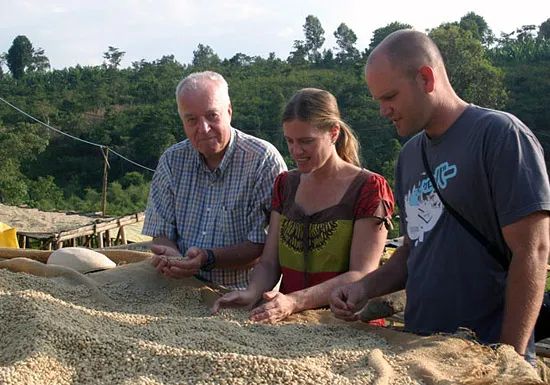
Many people wonder when purchasing: how to choose between Red Label and Green Label? Simply put, the Red Label can be traced to specific small regions, offering a more refined and unique flavor; the Green Label, on the other hand, delivers stable and diverse profiles through blending, and is relatively more affordable. If you’re trying Geisha for the first time, it’s recommended to start with a non-auction Red Label or Green Label to experience its captivating aroma and fruity acidity, then move on to challenge the higher-priced auction batches.
In terms of brewing recommendations, since most Geisha beans are lightly roasted, it’s advised to use a higher water temperature and slightly finer grind to fully bring out their complex flavors. Specifically, you can use a sugar-like fineness with an 80% pass rate through a Chinese standard No. 20 sieve, paired with 15 grams of coffee grounds and a V60 filter. The recommended coffee-to-water ratio is 1:15, with water temperature controlled at around 91°C. Start with a 30-second bloom using twice the amount of coffee (about 30 grams) of water, then pour in a slow circular motion up to 125 grams for the first pour, followed by pouring up to 225 grams total, with a total extraction time of about 2 minutes, achieving the best balance of fruity aroma and sweetness.
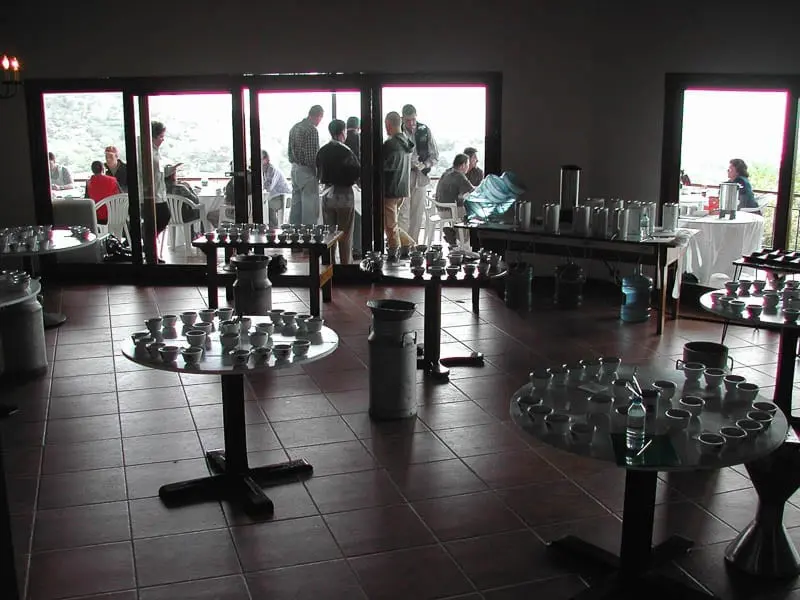
In terms of flavor, the Hacienda La Esmeralda Red Label Geisha often features bright rose and citrus aromas, paired with layers of berries, apricots, honey, and rice, delivering a juicy mouthfeel; the Green Label, on the other hand, centers around a jasmine tea tone, complemented by citrus, passionfruit, cantaloupe, and green tea notes, with noticeable sweetness and a long aftertaste, suitable for users who prefer a refreshing sweet and sour style.

If you want to experience the Geisha flavor without a high budget, you might also consider blends containing Geisha, such as Panama’s Finca Rosa (also known as Flower Dance or Geisha + Catuai blend), Costa Rica’s Mirasol, or Colombia’s Hanami, all of which are highly cost-effective specialty coffee options that also showcase the distinctive floral and fruity profile of Geisha.
The above content is compiled by CoffeeHunters, a coffee news website.


