







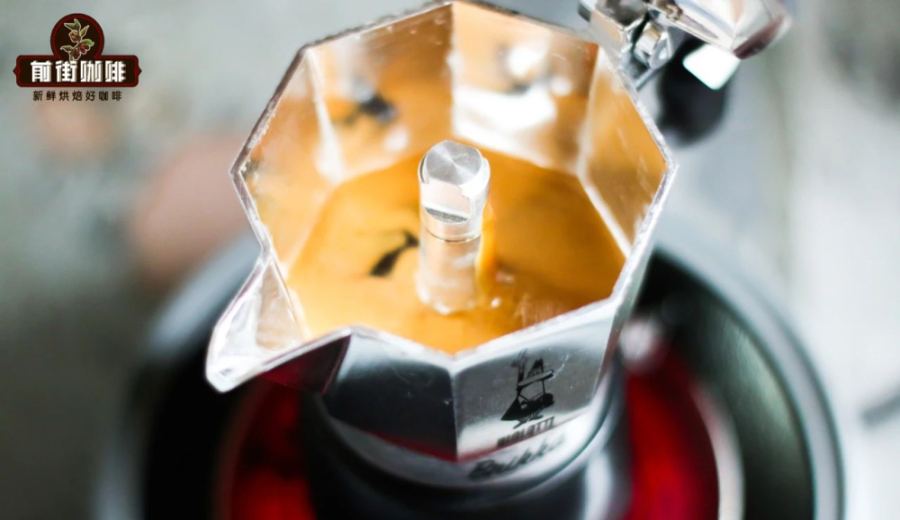
Introduction:When using a moka pot or espresso machine, choosing the right coffee beans is the first step to influencing extraction performance. In addition to grind size and brewing techniques, the bean variety and roast level are key factors that determine the direction of the flavor. This article explores how to choose the right espresso blend or single-origin bean based on personal taste preferences, starting from the principles of crema formation and freshness, and recommends several cost-effective beans with distinct flavor layers—so you can easily brew rich and aromatic espresso at home.
Many who are new to using a moka pot or espresso machine often have this experience: trying several different coffee beans before gradually finding one that delivers the desired flavor. While many factors affect espresso extraction—such as grind size, brew ratio, and pressure settings—the inherent quality and roast profile of the beans form the foundation of the overall flavor. How can you avoid common bean selection pitfalls and consistently make a delicious cup of espresso from the start? The following will detail the selection logic for espresso blends and single-origin beans, and recommend several coffee beans from different regions that offer great value and rich aromas. Whether you’re a beginner or an experienced coffee enthusiast, you’ll be able to find a suitable choice.
What kind of coffee beans should you choose for espresso (including moka pot)?
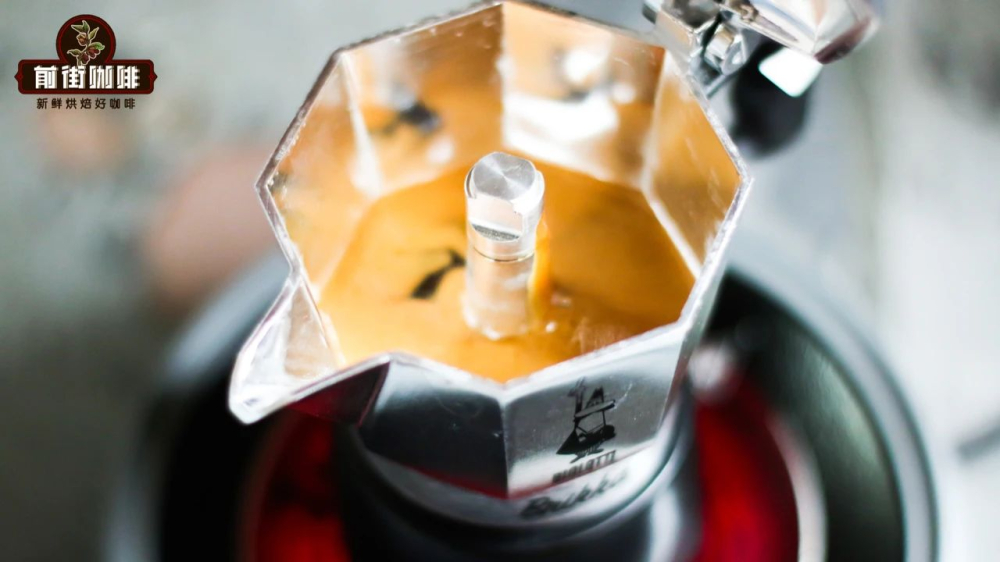
Coffee brewed using an espresso machine or moka pot usually has a thick layer of crema (coffee oils) on the surface. This crema is not only visually appealing but also an important indicator of successful extraction. Crema mainly comes from the carbon dioxide released during the roasting process, as well as some emulsified oils, so it’s recommended to use coffee beans that are 5 days to 3 weeks old . Freshness is crucial for both crema formation and flavor expression.
As coffee beans age, the carbon dioxide produced during roasting gradually dissipates, and the damaged cell walls from grinding accelerate the loss of aroma and flavor. If the beans aren’t fresh enough, even the best technique may fail to extract full crema and complete flavor layers. It’s recommended to grind and brew immediately to fully preserve the original flavors of the coffee. Here’s a reminder: moka pots and espresso machines have higher freshness requirements for beans than pour over does—beans that have been stored too long may result in bland or even unpleasant tastes.
Blend or Single-Origin? Understanding the Differences Between the Two
When choosing coffee beans suitable for a moka pot or espresso machine, you can consider either a blend or a single-origin coffee (SOE). Blends typically consist of beans from two or more regions, aiming to balance flavors and stabilize extraction performance. For example, some beans may have less crema, so they can be paired with beans that produce more; if a certain bean is too acidic or bitter, blending can help adjust the overall balance. Generally, for making espresso or using a moka pot, it’s recommended to usemedium-dark roastedblends, which can bring out both sweetness and a rich body.
One premium blend consists of beans from Brazil’s Cerrado and Colombia’s Huila regions. The former provides a comfortable balance of bitterness and sweetness with a smooth mouthfeel, while the latter contributes soft fruit acidity and aroma. The overall flavor is balanced and easy to drink, making it suitable for everyday home use or for beginners. This blend is ideal for medium-dark roasting, performs well in terms of crema, and serves as a solid base bean for moka pots or espresso machines.
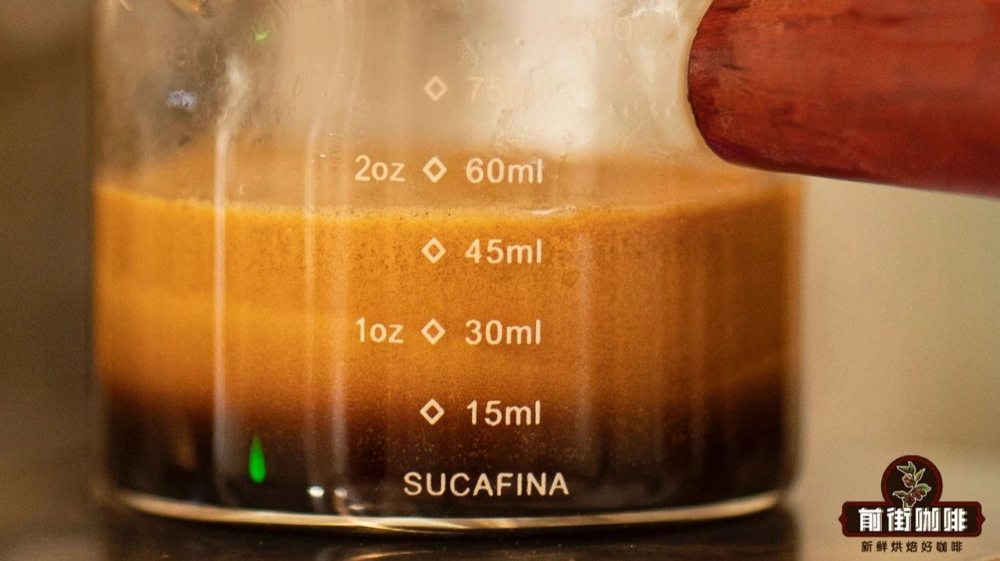
Another classic blend combines beans from Brazil, Indonesia, and Vietnam. Through medium-dark roasting, it enhances rich chocolate, spice, and caramel notes. After extraction, it produces abundant crema, with a smooth texture and a toffee and nutty finish. It’s highly suitable for users who enjoy bold coffee flavors and is also an ideal choice for practicing latte art.
If you prefer a fresher, brighter, and more layered flavor, single-origin coffee (SOE) is also a great option. SOE uses beans from a single region, allowing the unique terroir characteristics of that origin to shine more clearly. The resulting espresso often carries floral and fruity aromas, with bright acidity and a clean, easy-to-drink mouthfeel.
A strawberry sugar coffee bean from Costa Rica, processed using the honey method, showcases sweet fruit and berry tones when medium roasted. Since this bean contains the Geisha variety, it releases a complex aroma of rose, citrus, strawberry jam, and grape after brewing, offering rich layers and making it highly suitable as an SOE. It can bring a completely different taste experience to your moka pot or espresso machine.
Another flower queen SOE is an Ethiopian sun-dried bean, representing typical African coffee flavors with intense orange blossom, citrus, honey, and grapefruit aromas. It has lively acidity and a distinct juicy sensation, perfect for coffee lovers seeking refreshing fruit-forward profiles.

In summary, whether you’re just starting out or already have some experience, choosing the right coffee beans and roast level is key to making an ideal cup of espresso. By understanding the principles of crema formation and the freshness needs of the beans, and by selecting the appropriate blend or single-origin coffee, you too can easily replicate café-quality espresso flavors at home.
The above content is compiled by CoffeeHunters, a coffee news website.


