







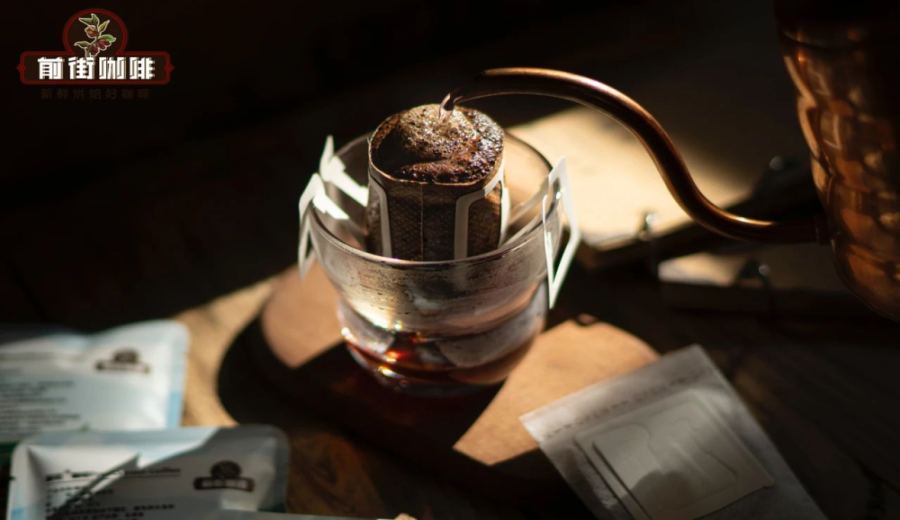
Introduction:Want to enjoy a high-quality cup of coffee in a busy life but find the pour over process too complicated? Hanging filter coffee offers the perfect compromise between freshly ground and instant, preserving the original flavors of the beans while significantly lowering the barrier to entry. This article delves into the three key differences between hanging filters and pour over methods—extraction principles, time efficiency, and flavor profiles—to help you master the golden brewing parameters for hanging filter bags. It also provides practical purchasing advice and detailed step-by-step brewing illustrations based on three mainstream flavor types: floral-fruity acidity, nutty balance, and rich lingering sweetness.
For modern individuals who value efficiency but don’t want to compromise on coffee quality, hanging filter coffee is undoubtedly an ideal solution. Compared to traditional pour over, which requires strict control over variables such as grind size, water temperature, and pouring technique, hanging filter bags come pre-packaged with medium-fine ground coffee (approximately 0.8–1.2mm) sealed to preserve freshness. Coupled with a patented filter bag design, simply brew with hot water to recreate about 85% of the flavor layers found in freshly ground coffee.
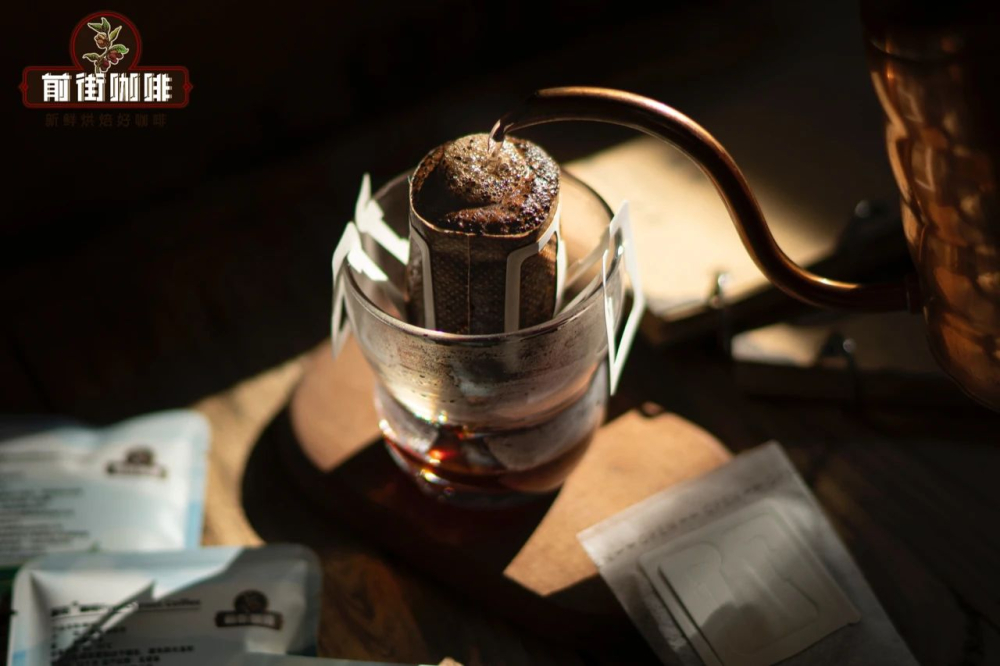
Beware of common misconceptions: the coffee grounds inside a hanging filter bag can only be extracted once. Testing has shown that although the flow rate increases during a second brew, the proportion of bitter and astringent substances in the extracted liquid surges by 37%, and aromatic compounds are lost by over 60%. The correct approach is to gently press the used hanging filter bag to squeeze out residual liquid before discarding it, in order to avoid affecting the taste of subsequent brews.
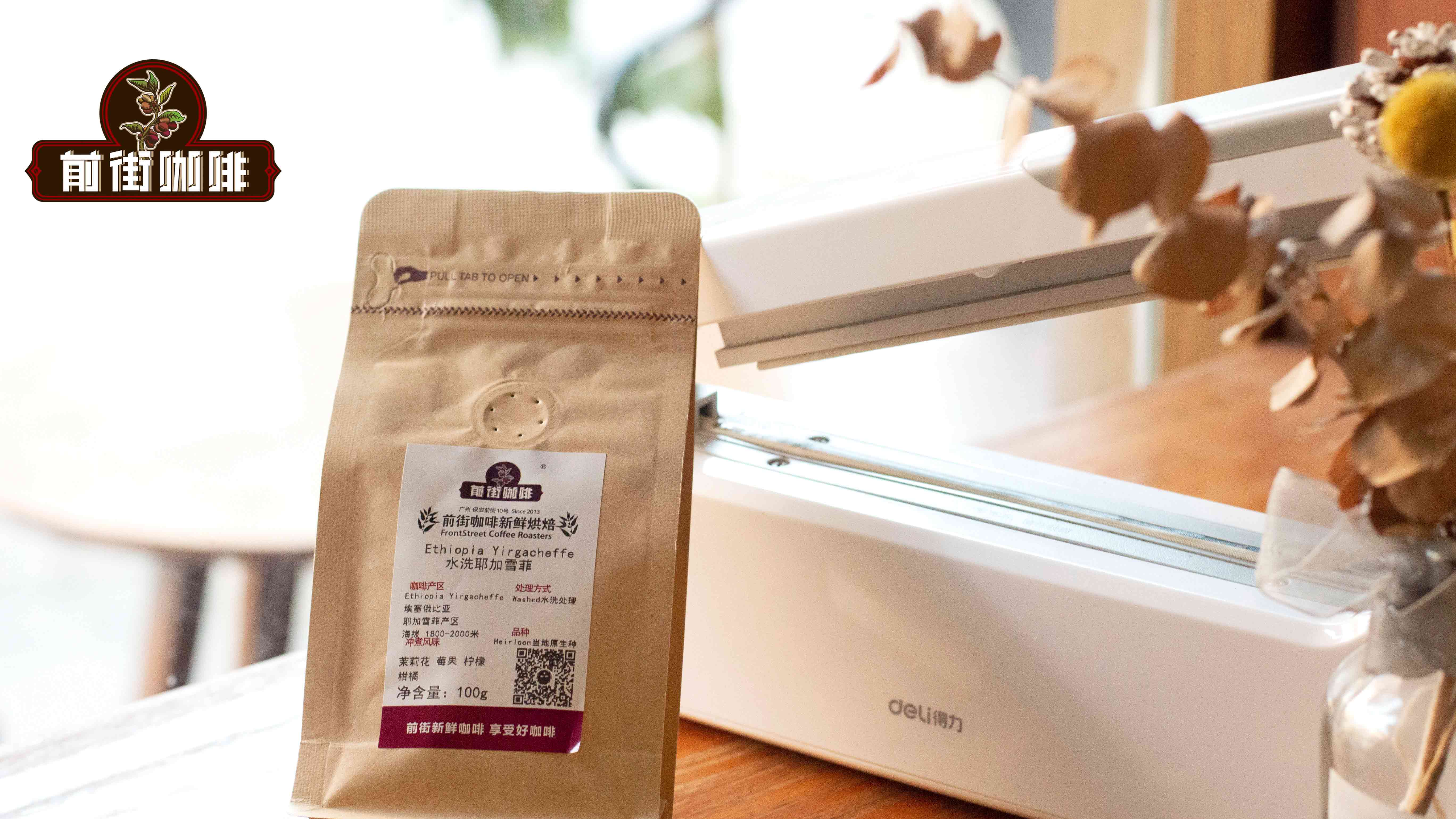
Premium hanging filter bags available on the market can be categorized into three main types based on the coffee flavor wheel:The first type is floral-fruity acidity,with typical examples being those made from Ethiopian Yirgacheffe beans. These release distinct lemon peel aromas and sweet white peach notes, featuring a bright acidity with a honey-like finish—ideal for those new to black coffee.The second type is nutty balance,often based on Yunnan small-seed variety beans, offering a harmonious combination of roasted almond and caramel notes, with herbal undertones balancing out any tannic astringency, and delivering excellent cost-performance.The third type is rich lingering sweetness,usually featuring Indonesian Sumatra Mandheling beans, characterized by strong herbal aromas and a black chocolate aftertaste. Its low acidity makes it a favorite among those who prefer bold, intense flavors.
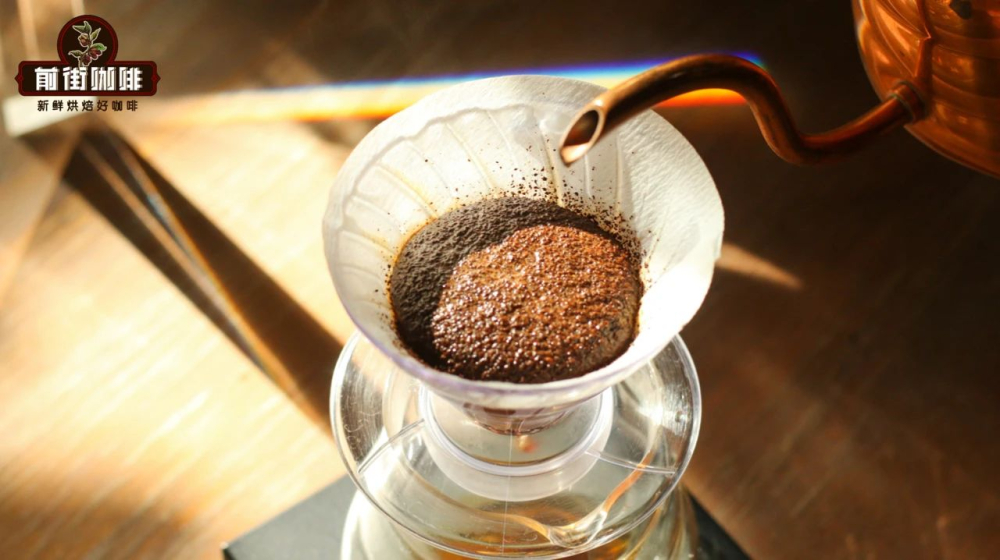
Key brewing parameters revealed: it’s recommended to use hot water at 90–93°C (adjusted slightly depending on bean variety), with a coffee-to-water ratio maintained between 1:15 and 1:16. The specific process consists of five stages:First, tear open the sealed line of the hanging filter bag(look for the “OPEN HERE” dashed line marked on the packaging), then securely hang the two filter ears on the rim of your cup.The initial pre-wetting step is crucial—use a thin stream of water to circle and pour about 20ml of hot water, wetting all the coffee grounds, then let it sit for 20 seconds to initiate the bloom. This step helps release carbon dioxide and activates the flavors. Then continue pouring in a spiral motion until the target volume is reached (typically 10g of coffee grounds corresponds to 150–160ml of water), maintaining a steady and uninterrupted water flow throughout. Finally, when removing the filter bag, gently shake the cup rim to ensure even mixing of the coffee liquid.
Solutions to common issues: if you encounter leaking from the filter bag, check whether the hanging ears have deformed or if there are any cracks in the cup rim. If the brewed coffee appears too light in color, first confirm whether the water temperature is too low or the pouring speed too fast. To adjust the strength, it’s better to change the coffee-to-water ratio rather than extend the steeping time, as over-extraction may result in a paper-like taste.
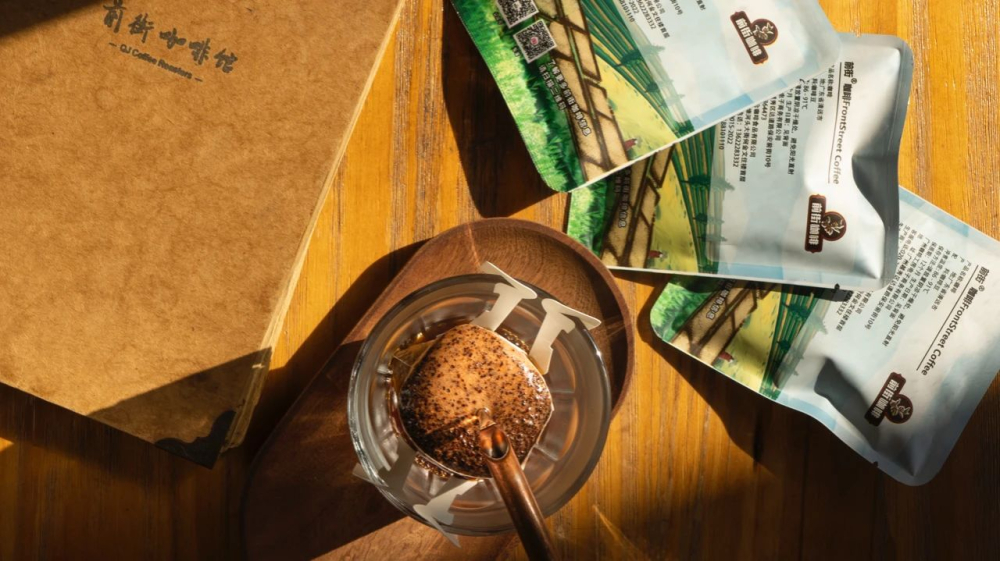
Special reminder on storage tips: unopened hanging filter bags should be kept in a cool, dry place, and once opened, they should be consumed within 14 days. If the coffee grounds turn dark brown or even black, this indicates oxidation and spoilage. Before brewing, gently rub the filter bag and smell the aroma—if the fresh coffee grounds emit clear floral, fruity, or nutty scents, they’re good to go. If there’s a rancid smell, it’s best not to drink it.
Once you’ve mastered these core techniques, even beginner coffee drinkers can replicate café-quality brewing experiences at home. Remember the golden rule: stable water temperature, even pouring, appropriate coffee-to-water ratio, paired with freshly roasted hanging filter bags—you’ll be enjoying a richly layered cup of black coffee in just three minutes.
The above content is compiled by CoffeeHunters, a coffee news website.


