







Introduction:The Geisha Village Red Label Natural is renowned for its distinctive citrus and floral notes, making it a top choice for many coffee enthusiasts trying an SOE latte. This article will take you from the origins of Geisha, to the background of the Geisha Village estate, to understanding the flavor profile of the Red Label Natural, and then delve into home brewing parameters suitable for SOE extraction and latte preparation—so you can easily brew a layered and delightful Geisha SOE latte at home.
The Geisha coffee variety quickly rose to the pinnacle of the specialty coffee scene after its breakout success in the 2004 Panama BOP competition. It’s not only prized for its rarity and high price, but also for its unforgettable orange blossom aroma, honey-like sweetness, and bright acidity that hooks coffee lovers from the first sip. Nowadays, more and more coffee fans hope to recreate café-quality Geisha flavors at home using the SOE (Single Origin Espresso) method, especially the highly acclaimed Geisha Village Red Label Natural, which is a popular choice for making lattes.
The Rise of Geisha: From Ethiopia to Panama
Geisha was first discovered in 1931 in the Geisha region of Ethiopia, where it was just one of many wild coffee varieties. It was later introduced to Kenya, Uganda, Tanzania, and even Costa Rica, primarily for academic research and variety expansion. In 1963, Panama’s Hacienda La Esmeralda (often referred to as Don Pachi Estate in earlier records) imported the Geisha variety from Costa Rica, allowing it to take root in Panama. It wasn’t until the early 2000s when Hacienda La Esmeralda planted Geisha in high-altitude regions that its inherent elegant floral and fruity aromas were truly unlocked, leading to its award-winning performance at the 2004 BOP competition and solidifying its status as a specialty coffee.
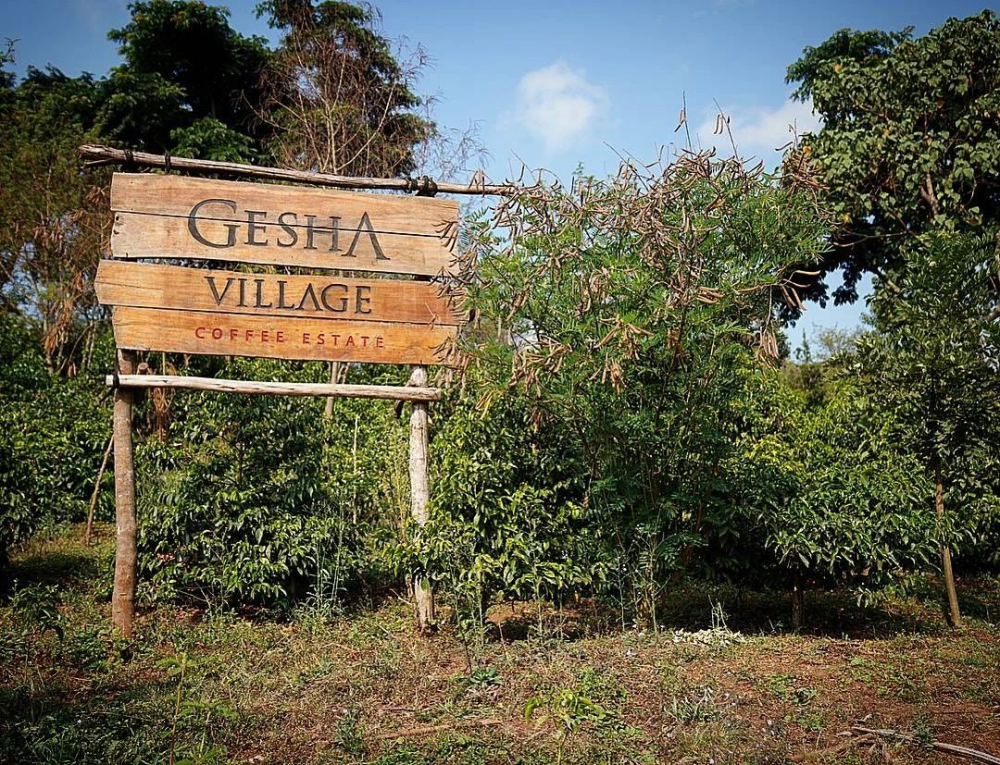
However, the true homeland of Geisha is actually Ethiopia. In 2011, Adam and consultant Willem Boot unexpectedly discovered wild Geisha trees in Ethiopia’s Gori Gesha Forest—the birthplace of the Geisha variety. Through genetic testing and cupping evaluations, they confirmed a high similarity between these wild Geisha trees and those in Panama, leading to the establishment of the Geisha Village estate, dedicated to cultivating and promoting this precious variety.
The Terroir and Grading System of Geisha Village
Geisha Village is located in Ethiopia’s Bensa Zone, specifically within the Bench Maji region—a high-altitude area with abundant rainfall, cool climate, and ample sunshine, making it ideal for growing the Geisha variety. The estate’s altitude ranges mostly between 1900 and 2069 meters, with the SHEWA-JIBABU plot being the highest-elevation section of the entire farm and also the main source of Red Label Geisha.
To maintain product quality, Geisha Village has established a strict grading system, categorizing its coffee beans into four tiers: Gold Label, Red Label, Green Label, and CHAKA. Among them:The Red Label Geisha makes up 15% of the annual production, uses the Gori Geisha variety, and meets SCA standard cupping scores of 88 points or higher. Although it may be slightly less complex than the Gold Label and auction lots, its flavors are clear, bright, and offer excellent value, making it a top entry-level choice for many Geisha lovers.
The eight plots at Geisha Village each have unique microclimates, including variations in altitude, soil, and shading, so the owner Adam selects the most suitable variety for each plot based on its characteristics, allowing each batch of coffee to express its distinct regional flavor. For example, the Red Label Natural Geisha from the SHEWA-JIBABU plot features intense tropical fruit and floral tea aromas, with a fresh and layered mouthfeel.
Processing and Flavor Profile of the Geisha Village Red Label Natural
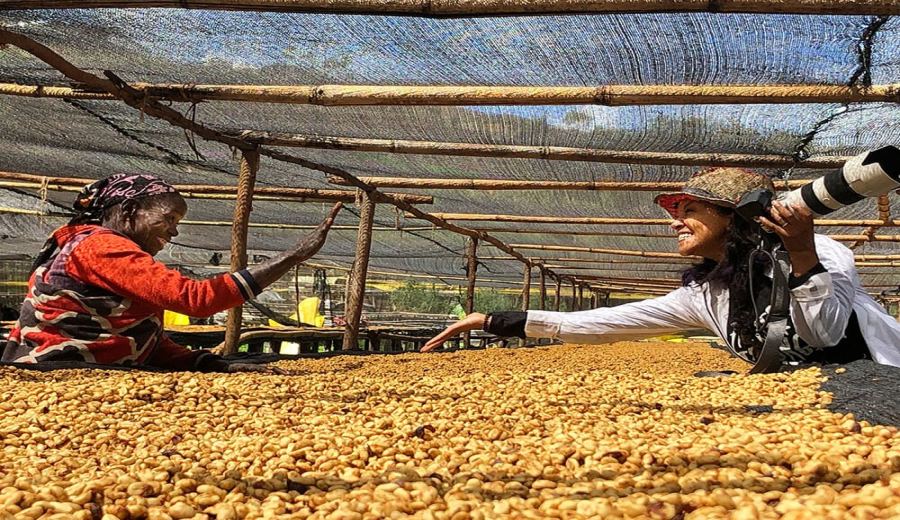
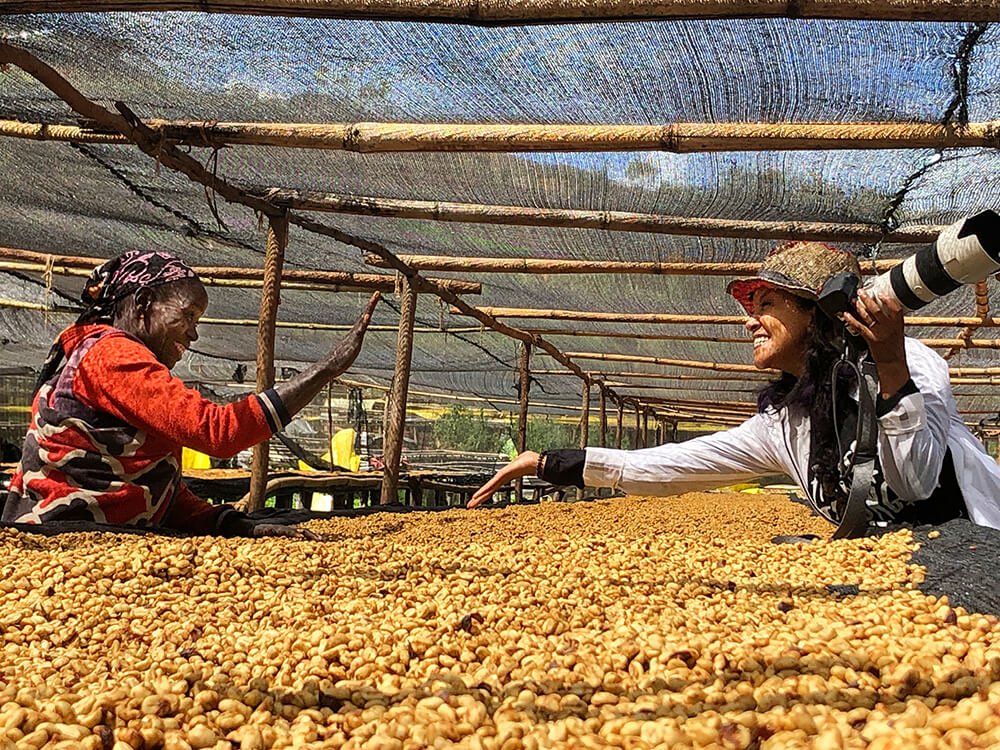
Geisha Village mainly employs the natural (sun-dried) processing method, especially during the dry season from December to March of the following year, when the weather is dry and rainy days are few—perfect for natural sun drying. The traditional approach involves evenly spreading freshly harvested coffee cherries on African-style raised beds, turning them regularly each day to prevent over-fermentation or mold. The entire drying process takes about 21 to 40 days until the moisture content drops to 12%, after which the beans are hulled.
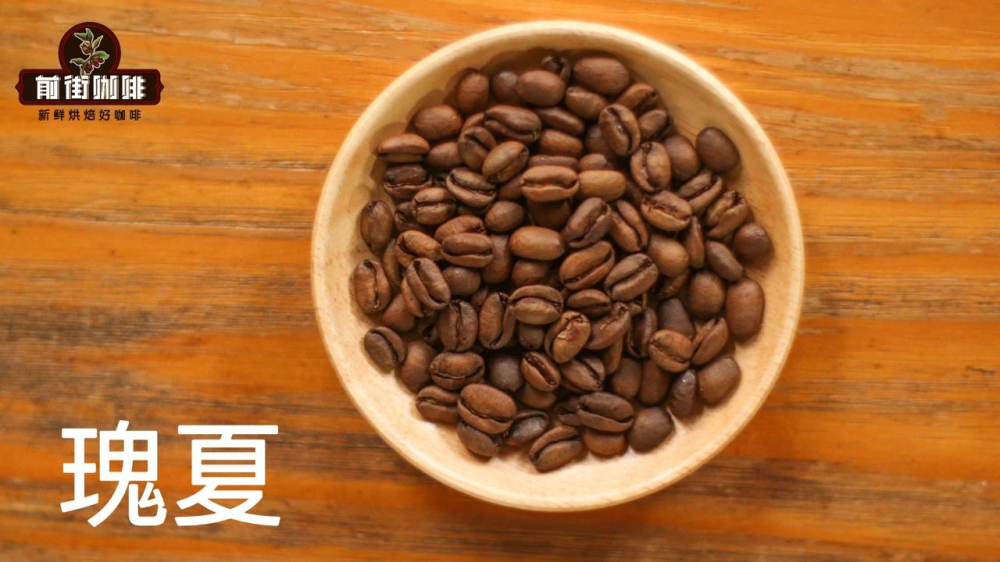
Compared to the Gold Label,the Red Label Geisha, using the Gori Geisha variety and processed naturally, exhibits bright notes of lemon, plum, citrus, along with sweet tropical fruits and soft floral tea aromas, featuring vibrant and layered acidity, a prominent sweetness, and serves as an excellent base for crafting SOE lattes.
Ethiopian · Geisha Village Red Label Geisha, sourced from the SHEWA-JIBABU plot at an altitude between 1973 and 2069 meters, processed via the natural method, often presents clear layers of lemon, plum, citrus, tropical fruit, and floral tea flavors, with balanced sweetness and acidity. It’s highly suitable for coffee drinkers who enjoy fruity and floral profiles.
Geisha Village Red Label SOE Latte Brewing Guide
To make a delicious Geisha SOE latte at home, the first step is mastering the key parameters for extracting SOE (Single Origin Espresso). It is recommended to use freshly roasted coffee beans, preferably within 5 days of roasting, to retain the fullest aroma and flavor.
Below are practical SOE extraction and latte preparation parameters:
- Coffee Beans: Ethiopian · Geisha Village Red Label Natural Geisha
- Coffee Dose: 20 grams
- Yield: 40 grams
- Coffee-to-Water Ratio: 1:2
- Grind Size: Approximately 2.0 (e.g., on a Galileo grinder scale)
- Extraction Time: 26–32 seconds
It is recommended to use a double-shot basket. Distribute 20 grams of coffee grounds evenly, then tamp firmly with a tamper to ensure a compact puck. Before starting extraction, run water for 1–2 seconds to pre-wet the puck and group head, then begin the actual extraction. Monitor the process, and stop when you reach 40 grams of yield within 26–32 seconds to achieve a concentrated SOE shot with focused flavors.

For a latte, combine this SOE shot with steamed milk at a 1:6 ratio. It is recommended to keep the milk temperature between 60–65°C, which helps soften the coffee’s acidity and intensity while highlighting the Geisha bean’s inherent citrus, plum, and tropical fruit notes, resulting in a smooth and layered cup. If you prefer a milder coffee flavor, you can also mix the shot with water (cold or warm) at a 1:4 ratio to create a refreshing SOE Geisha Americano.
Quick Tip: Different weather conditions, humidity levels, and roast degrees may affect extraction performance. It’s advisable to fine-tune grind size and extraction time as needed to find your optimal balance of taste.
The above content is compiled by CoffeeHunters, a coffee news website.


