







Introduction:The latest inspection by Henan Provincial Market Supervision Administration has exposed 24 batches of substandard food products, among which a "Northern Bank of the Yangtze River" oolong tea-flavored beverage—boasting such a name—was flagged for having seriously excessive total bacterial count. The product also drew consumer complaints due to its packaging closely resembling that of the well-known brand Suntory. This article details the microbial contamination issues behind this problematic drink, the track record of the involved manufacturer, and provides practical tips for identifying counterfeit packaging to help you avoid falling into beverage purchasing traps.
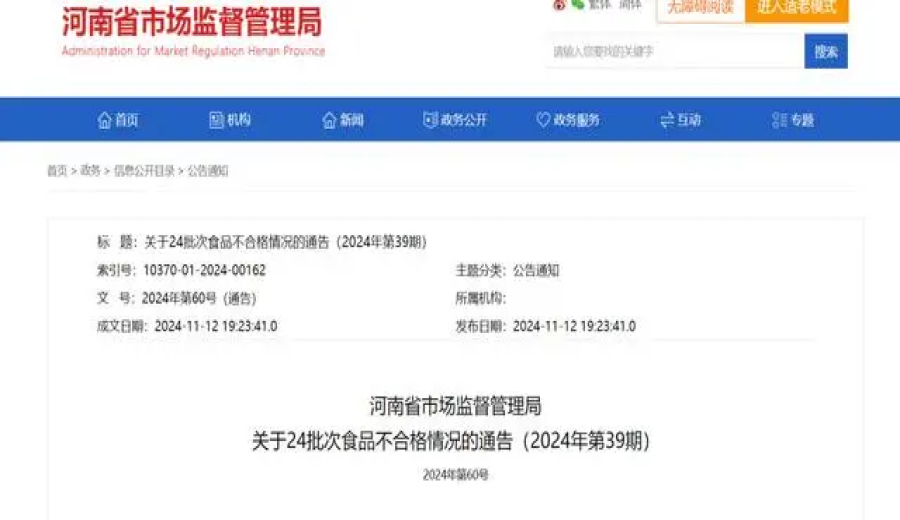
In the 39th issue of the Food Safety Bulletin for 2024, the Henan Provincial Market Supervision and Administration Bureau disclosed that out of 1,040 batches of food products across 21 categories tested, 24 failed to meet national standards. Among them, the "Northern Bank of the Yangtze River" oolong tea-flavored beverage from Xun County Fuxinyuan Beverage Factory attracted attention due to its excessive total bacterial count. This tea drink, labeled as 420 milliliters per pack, was found to have test results significantly surpassing the microbial limits set by national food safety standards.
Experts point out,that although total bacterial count is not a direct indicator of pathogenic bacteria,it serves as a key parameter for evaluating food cleanliness, with its value directly reflecting the hygiene control level during the production process. The substandard oolong tea in this inspection may be due to factors such as high initial bacterial levels in raw materials, inadequate disinfection procedures on the production line, insufficient packaging seal effectiveness, or improper temperature and humidity control during transportation and storage.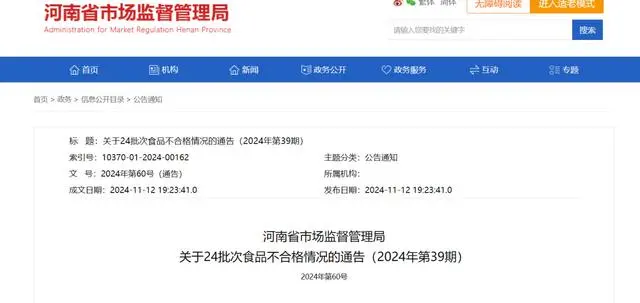
Further investigation revealed that the involved manufacturer, Xun County Fuxinyuan Beverage Factory, is not new to quality disputes. As early as 2020, it was listed in a report by the Hebei Provincial Market Supervision Bureau of 25 batches of substandard food products, where its small sweet oranges were flagged for failing to meet carbon dioxide gas volume standards. More seriously, the factory was previously found by the Binhai New Area People’s Court of Tianjin to have infringed upon the packaging design of Nongfu Spring's "Powerade" vitamin water by imitating it. The court not only ordered the factory to compensate the plaintiff for losses, but also added it to the list of dishonest judgment defaulters for failing to comply with the judgment. The company’s legal representative, Zhao Fugui, was additionally subjected to restrictions on high consumption.
The packaging controversy surrounding this "Northern Bank of the Yangtze River" oolong tea sparked heated discussions on social media platforms, with many consumers noting its striking resemblance to the renowned Japanese brand Suntory’s oolong tea. One netizen shared their shopping experience: seeing a 420-milliliter "Suntory-style" oolong tea priced at just 1 yuan on an e-commerce platform, they were tempted by the low price and didn’t carefully check the brand. It wasn’t until after receiving the product that they realized it was actually from Northern Bank of the Yangtze River, exclaiming they had been "tricked by the appearance." Most affected consumers mentioned that this knockoff product not only had a complex ingredient list but also tasted vastly different from the genuine article.
According to data from Qichacha, Xun County Fuxinyuan Beverage Factory is a individually-owned enterprise with a registered capital of 1 million RMB. It was established on March 18, 2014, in Shantang Town, Xun County, Hebi City, by founder Zhang Haijun. Regarding this incident of substandard inspection results, experts advise consumers to pay attention when purchasing tea drinks—checking the production license number, manufacturer name, and address on the packaging—and to prioritize products from brands with a good market reputation to ensure drinking safety.
The above content is compiled by CoffeeHunters, a coffee news website.


