







Introduction:Have you ever wondered how the bitterness of drip bags compares to that of instant coffee? Or maybe you’ve also questioned whether drip bags can be steeped for a long time like tea bags. This article will start from the fundamental differences, comparing the characteristics of freshly ground coffee, instant coffee, and drip bags, while diving deep into the brewing principles and practical tips for drip bags—including coffee-to-water ratio, water temperature, pouring rhythm, and pulse pouring techniques—to teach you how to brew a smooth cup of coffee with bright lemon acidity and a green tea-like aftertaste.
In the world of coffee, drip bags and instant coffee are often compared, especially in terms of bitterness, convenience, and flavor performance, where the two show significant differences. But which one is actually more bitter? Can drip bags be steeped for a long time? These questions will be answered one by one in this article.
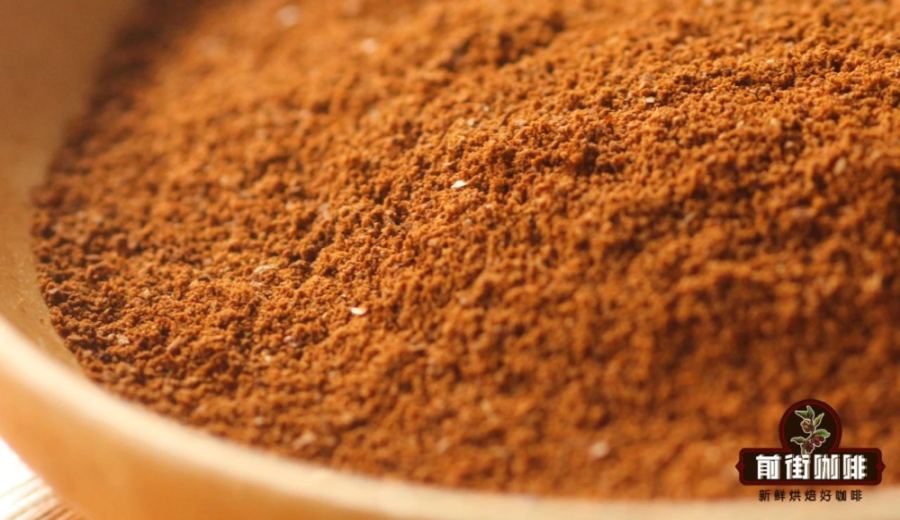
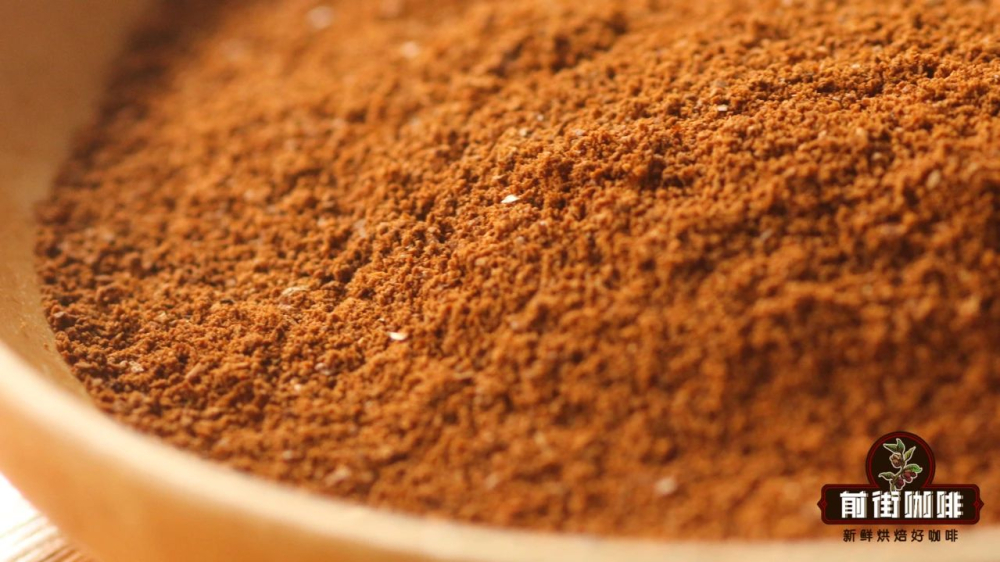
First, we need to understand that although drip bags are convenient in form, they are still an extension of "freshly ground coffee." The so-called freshly ground coffee refers to coffee grounds that are ground just before brewing—whether it’s pour over, French press, or siphon, as long as it's freshly ground and immediately extracted, it falls into this category. The biggest advantage of this type of coffee lies in its "freshness," because after roasting, coffee beans release a large amount of aromatic compounds, which gradually dissipate over time. Therefore, the fresher the beans, the richer the flavor layers they can exhibit.
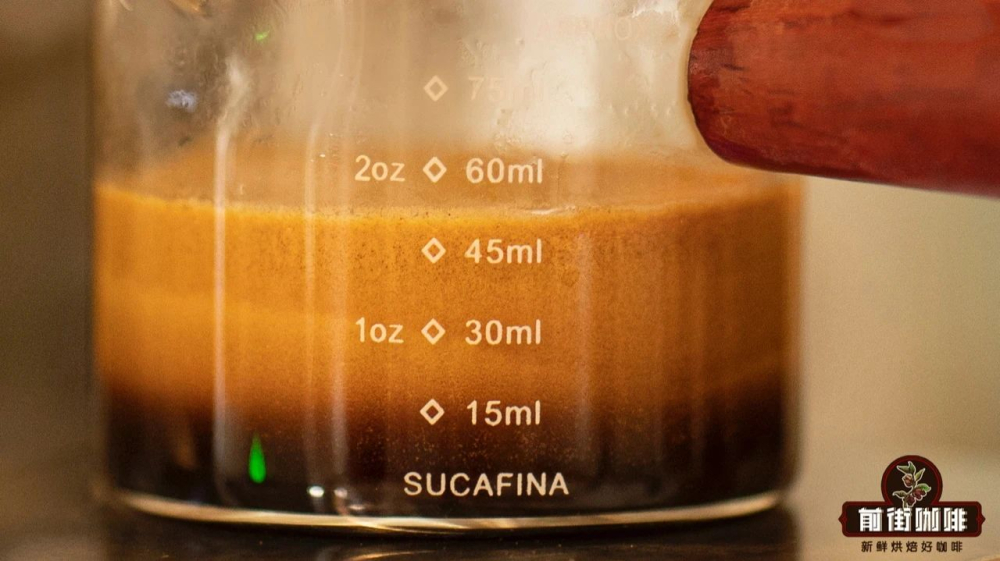
From a professional perspective, freshly roasted coffee beans typically have the best flavor within five days after roasting, which is why many specialty coffee shops emphasize the roast date. The industry provides freshly roasted beans within five days under this premise, allowing consumers to enjoy the optimal flavor performance upon receipt—for example, that captivating layer of espresso golden crema is a direct reflection of the coffee’s freshness.
In contrast, the historical background of instant coffee is quite different. After World War II, global demand for coffee surged, but most consumers only saw it as a stimulant drink with little concern for flavor. To reduce costs and simplify production, manufacturers at the time used low-quality coffee beans and masked their off-flavors with dark roasting, then added large amounts of creamer and sugar to adjust the taste. Furthermore, instant coffee undergoes a high-temperature dehydration process, which almost completely destroys the original flavors of the coffee, resulting in a product with relatively flat taste and obvious artificial seasoning.
Drip bags, on the other hand, sit between freshly ground coffee and instant coffee, retaining a certain degree of freshness and original flavor while also offering the convenience of brewing. They consist of pre-ground single-origin coffee powder packed in filter bags, allowing users to simply hang the bag on a cup, pour hot water, and enjoy a taste close to that of pour over coffee. Since it undergoes minimal processing, the bitterness of drip bags mainly comes from the inherent characteristics of the coffee bean variety and the roast level. As a result, it is generally more pronounced than instant coffee, but it also retains a richer layering, such as bright acidity and sweet undertones.
For people who frequently travel, go on business trips, or work in offices without professional equipment, drip bags are an ideal choice. They require no complicated tools—just hot water and a cup to quickly enjoy a decent cup of coffee. However, a common mistake many people make when using drip bags is soaking the entire bag in water, which can not only damage the filter bag material (such as paper) and release off-odors, but also lead to excessive extraction of impurities, making the coffee taste dull or bitter.
The correct way to brew drip coffee is to hang the filter bag on the edge of the cup and use a pulse pouring method, controlling both water temperature and total water volume. The recommended water temperature range is 90°C to 94°C, which can fully extract the aromatic compounds of the coffee without causing over-extraction due to excessively high temperatures. As for the coffee-to-water ratio, a standard range is 1:15 to 1:18. For example, if using 10 grams of drip bag coffee powder, the total water volume is recommended to be between 150 milliliters and 180 milliliters.
For specific steps, you can follow these: First, pour a small amount of hot water (about 30 to 50 milliliters) to evenly wet the coffee grounds—this step is called "bloom" and aims to awaken the aromas in the coffee powder. It is suggested to bloom for about 10 to 15 seconds. Next, proceed with the first pour, slowly circling hot water into the filter bag until it reaches about half full, then let it sit and let the coffee drip through. After that, perform two more concentrated pours, each time filling the bag to about eight-tenths full, waiting until the coffee liquid has fully dripped through before continuing, until the target volume is reached. Be careful not to pour too much water at once, to avoid bypassing the coffee grounds layer and causing uneven extraction, which would affect the richness of the flavor.
Following the above method, the total brewing time is about one and a half minutes, which can stably extract the essence of the coffee while avoiding over-extraction or the release of off-flavors. If you prefer a lighter taste, you can add an extra pour to reach a total water volume of 180 milliliters. This can also make the acidity brighter, the mouthfeel crisper, and bring a green-tea-like aftertaste, making it very suitable for drinkers who enjoy fruity acidity.
In summary, drip bags and instant coffee differ significantly in flavor performance and bitterness perception—the former is closer to the layering and aroma of freshly ground coffee, while the latter mostly relies on additives for flavor. As long as you master the correct brewing method, drip bags can also become a simple yet refined everyday choice.
The above content is compiled by CoffeeHunters, a coffee news website.


