







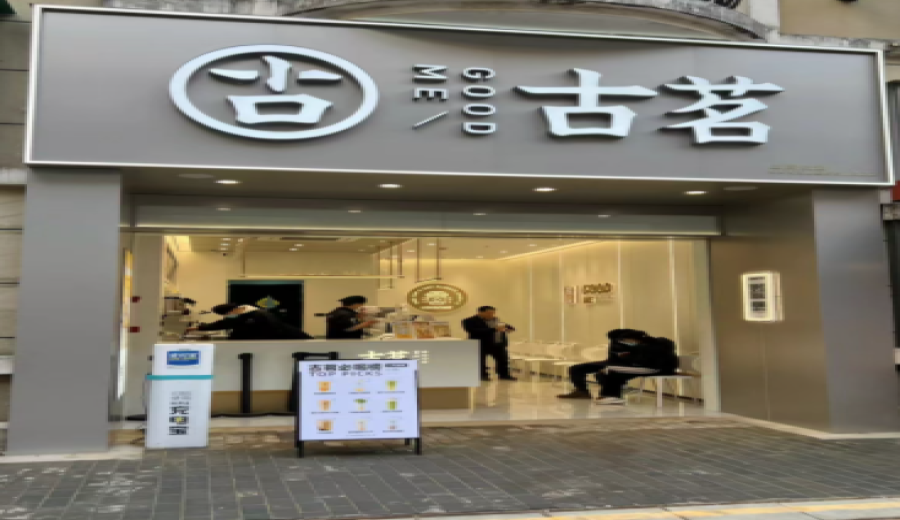
Introduction:The new tea beverage brand Guming has launched an exclusive second-hand equipment trading service on the DingTalk platform. While serving only as a trading bridge and not directly participating in transactions, the initiative provides franchisees with equipment valuation, inspection, and fraud prevention safeguards. Faced with equipment investments as high as 100,000 yuan and frequent closures within the industry, can this new measure effectively address issues such as unsold second-hand equipment and unreasonable depreciation? This article takes an in-depth look at its operational model and potential benefits.
The new tea beverage brand Guming recently added a second-hand equipment trading platform, specifically designed for franchisees, to its internal communication platform "DingTalk." Currently, the platform is only available for use within the Guming brand and is not open to the public. Its primary function is to facilitate matchmaking between buyers and sellers, without directly engaging in the buying or selling of equipment. However, it does offer services such as equipment evaluation, price reference, and anti-fraud guidance.
According to official data from Guming, the initial equipment cost charged to franchisees is approximately100,000 Chinese yuan, making up a significant portion of the overall franchise investment. In the past, after store closures, equipment was often sold at extremely low "per kilogram" rates or even treated as scrap metal, leading to substantial depreciation losses for franchisees.
Although the company itself is not directly involved in actual transactions, the newly launched platform assists sellers with basic equipment inspections and fair value assessments. It also offers a price comparison mechanism for buyers and advice on managing transaction risks, aiming to create a safer, more reliable, and transparent trading environment.
The platform is available to all Guming franchisees. Any store under the Guming brand can use the system to search for or post listings for second-hand equipment. Guming emphasizes that this measure is not mandatory; franchisees may still choose other channels to purchase or transfer equipment, provided they meet the brand’s technical and hygiene standards.
It is understood that by the end of 2023, Guming had nearly9,000 stores, the vast majority of which—8,995—are franchise-operated, with only six being company-owned. Such a large-scale franchise network also poses a significant challenge for the brand in managing and circulating equipment.
Financial data from Guming shows that equipment sales contribute approximatelyaround 4.5%of the brand's total revenue. Between 2021 and 2023, overall revenue steadily increased from 4.384 billion yuan to 5.571 billion yuan, reflecting the continuous demand from franchisees for the brand’s equipment. However, as the pace of new store openings slows and older stores frequently close, second-hand equipment can easily face issues with oversupply.
Industry insiders point out that in the past, due to information asymmetry, some new franchisees would opt to buy second-hand equipment to save costs, but often fell victim to scams due to a lack of experience in inspecting equipment or trusted mechanisms. By establishing an officially backed trading channel, Guming aims to improve this situation and enable both sellers and buyers to complete transactions under relatively fair and transparent conditions.
Notably, the platform currently only handles equipment from the Guming brand itself and does not yet support cross-brand or third-party equipment circulation. Whether it will expand to include other types of tea beverage equipment or open to non-franchisees remains to be seen.
The industry generally believes that if this second-hand equipment trading mechanism operates smoothly, it could not only reduce the equipment investment losses for franchisees but also help establish a healthier model for resource reuse across the tea beverage industry, further enhancing operational efficiency and sustainability.
The above content is compiled by CoffeeHunters, a coffee news website.


