








Introduction:Latte and cappuccino are the two most popular styles of Italian milk coffee. They may look similar in appearance, but their flavors and textures differ greatly. This article provides an in-depth analysis of the differences between the two in terms of milk foam thickness, coffee-to-milk ratio, latte art techniques, and historical evolution. Using actual coffee bean flavor profiles as examples, it helps coffee beginners make choices based on their taste preferences and gain a deeper understanding of the charm of these two classic beverages.
Latte and cappuccino can be considered the star products of Italian-style coffee shops. Both are based on espresso, paired with steamed milk and milk foam. While they may look alike, they actually differ markedly in terms of ratio, texture, latte art skills, and historical background. Many people often confuse these two classic coffees when ordering, especially when seeking either a strong or a mellow flavor—the wrong choice can easily affect the overall experience.
Looking at the structure of the milk foam,the foam in a latte is relatively thin,making up only about 10% of the entire drink, whilethe foam in a cappuccino is thicker,with the typical ratio (coffee, milk, foam) being roughly 1:1:1, allowing each sip to deliver a velvety texture. Paired with common specialty blends—such as those combining Brazilian and Colombian beans with medium-dark roasts that bring out cocoa, cream, and caramel notes—these beans further highlight the distinct personalities of the two coffees.
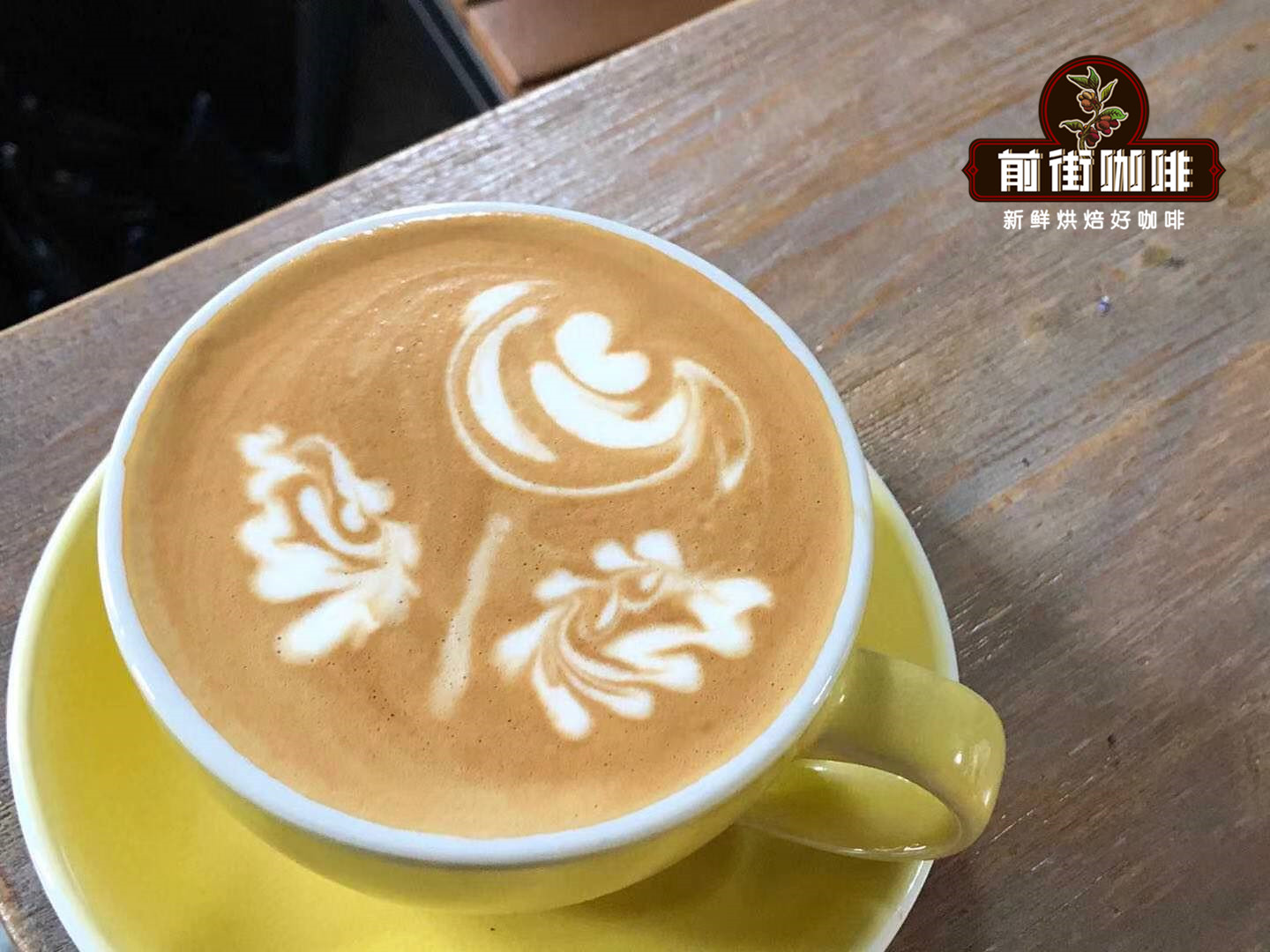
In terms of latte art performance,latte, with its fine and fluid milk foam,is highly suitable for showcasing intricate patterns and designs, which is why the term “latte art” originated.Cappuccino, on the other hand, has thicker foam,making it difficult to create fine lines. It is often simply sculpted or even served without any latte art at all, preserving a more rustic drinking style.
The drinking experience also differs significantly.Latte is milk-forward, with coffee making up only 10%of the drink, resulting in a smooth and mellow taste with low bitterness. It suits those who prefer a rich milk aroma and a gentler coffee flavor.Cappuccino emphasizes balance,with coffee, milk, and foam each accounting for one-third. As a result, the aroma and intensity of the coffee are more pronounced, and the texture is as soft as marshmallow. It is favored by those who enjoy a bold flavor or want to experience the essence of coffee.
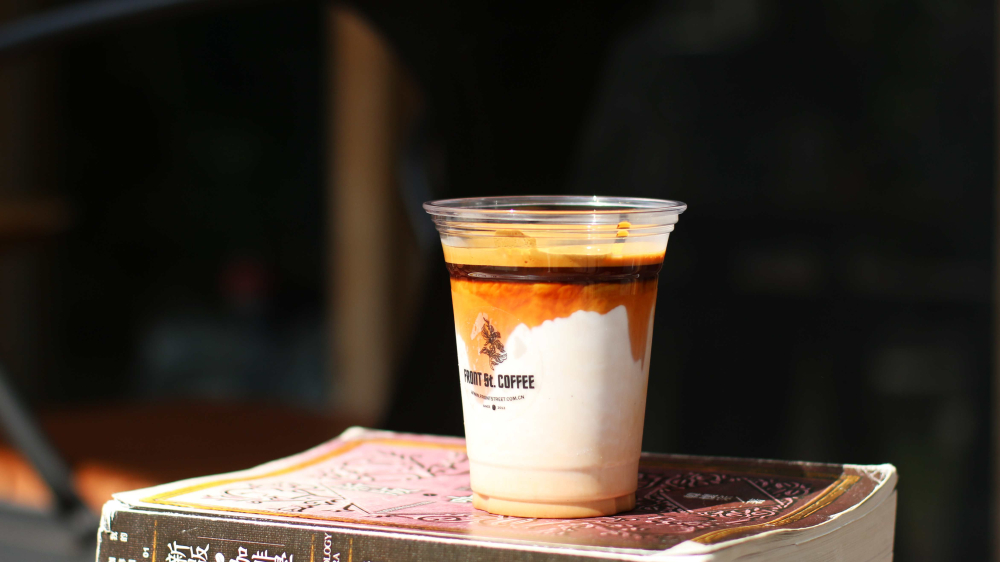
Tracing back to history,the word “latte” in Italian means “milk,”and the earliest version of latte coffee was simply hot coffee mixed with hot milk. It wasn’t until the invention of the Italian steam coffee machine that it gradually evolved into the familiar form we know today. Meanwhile,the name “cappuccino” comes from the attire of Italian Capuchin monks,as the brown color of their robes resembles the brown foam of the coffee. This drink was born around the same time as the steam coffee machine, slightly later than the latte.
It’s worth noting that some consumers might confuse “mocha” with the aforementioned two. In fact, mocha is a beverage that combines espresso, chocolate, and milk foam (or whipped cream). Its origins are linked to the Yemeni port of Mocha, and it later developed a unique flavor due to the addition of chocolate. However, it differs completely in formulation and structure from both latte and cappuccino.
In terms of practical drinking recommendations,readers who prefer a smooth, milk-forward taste will find latte to be the more suitable choice,;while those who enjoy a more prominent coffee flavor with a rich and layered texture will find cappuccino more aligned with their needs.Additionally, observing the thickness of the milk foam and the intricacy of the latte art is also an intuitive way to distinguish the two, allowing easy identification without needing to memorize complex recipes.
The above content is compiled by CoffeeHunters, a coffee news website.


