







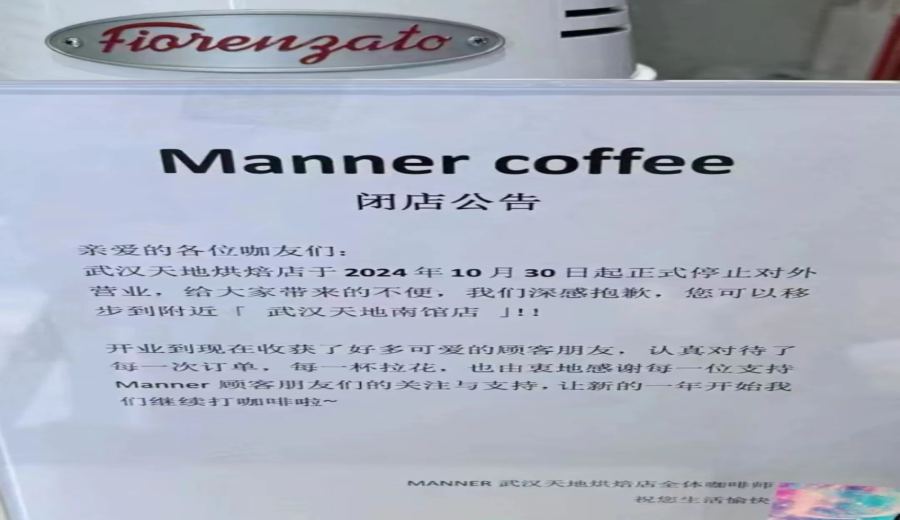
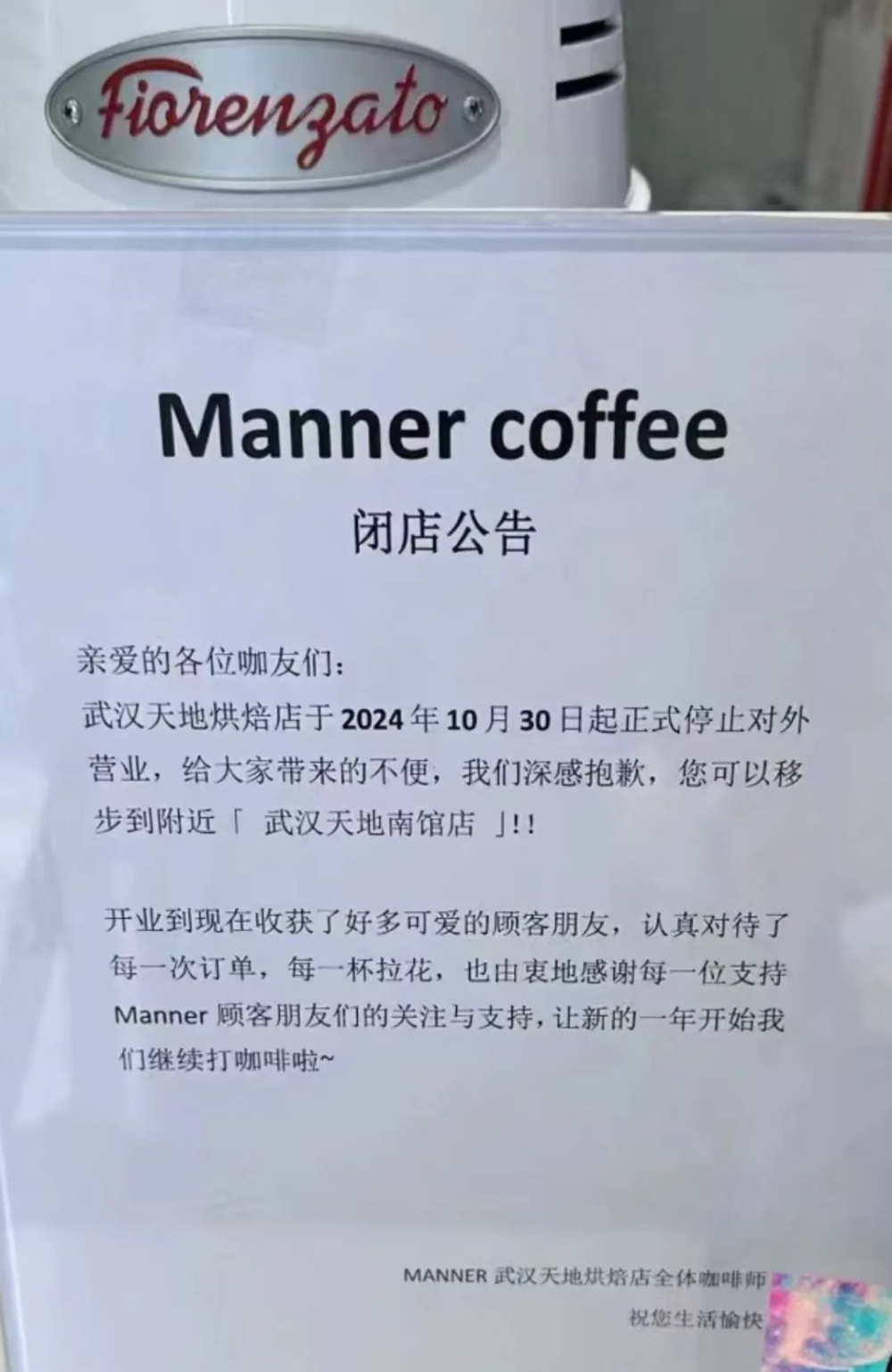
Introduction:Manner’s only roastery café in Wuhan is set to cease operations on October 30, drawing significant attention from coffee enthusiasts. Opened in late 2021, this outlet was not only one of the first in the city to introduce the Manner brand but also the sole location selling its own roasted coffee products. This article delves into Manner’s strategic shift away from roasting operations and toward expansion in third- and fourth-tier cities, while also examining challenges such as staff shortages in its stores.
Recently, a Wuhan netizen shared on social media that Manner’s roastery café in Wuhan Tiandi is scheduled to officially close on October 30. Opened at the end of 2021, this store was one of the first in Wuhan to carry the Manner brand and remained the only retail location in the area offering in-house roasted coffee, making it especially meaningful to local customers.
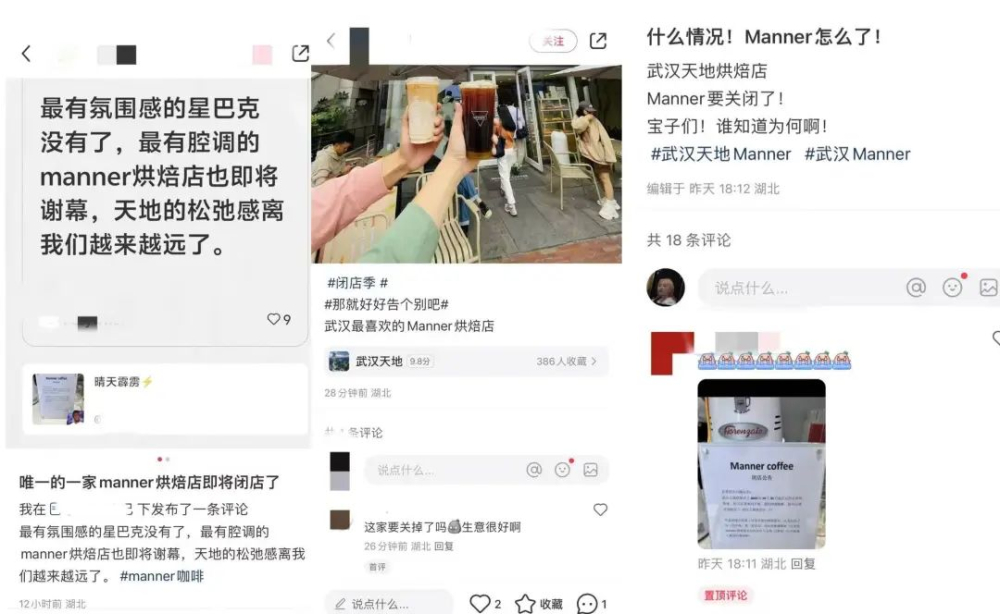
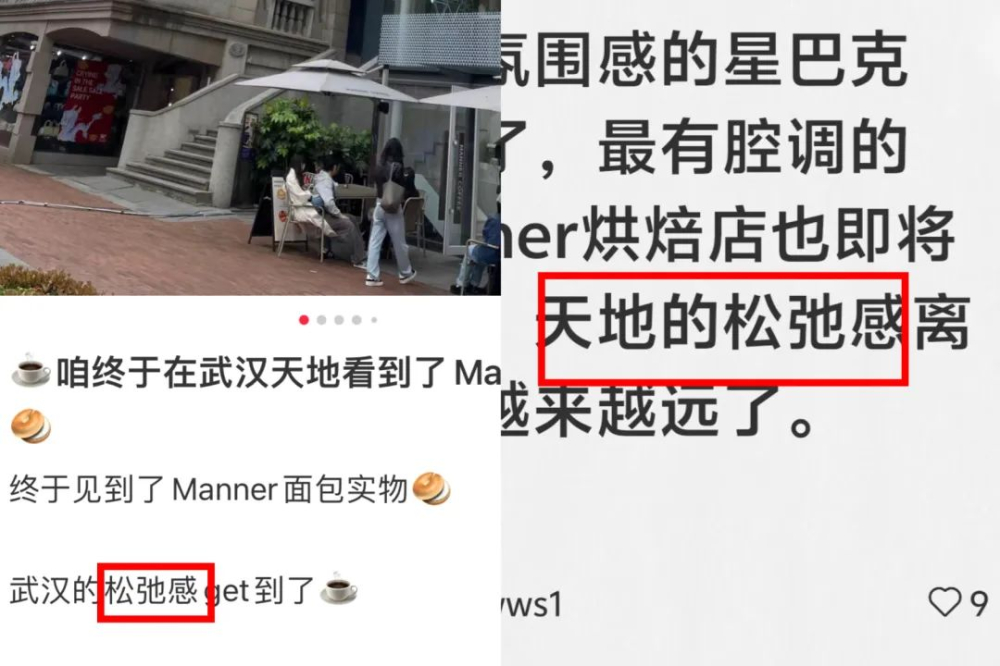
The news prompted an outpouring of disappointment. Some expressed that the closure has taken away a rare “sense of ease” from Wuhan Tiandi, while others described it as the “most stylish Manner” or even their “favorite Manner outlet in Wuhan.” Many customers were surprised by the decision, noting that the store had been “doing quite well.” The term “sense of ease” frequently appeared in comments, highlighting the unique ambiance the shop offered.
In fact, signs of Manner gradually scaling back its roasting business have been evident for some time. Although many customers praised Manner’s roasted products as “affordable and delicious,” the brand has been shutting down its roastery operations across various locations since July of this year, primarily due to the lack of profitability in this segment. Manner’s roasted goods are competitively priced — popular items such as salted cream rolls and cheese bagels are sold for just 8 yuan each — attracting customers looking for a good deal, with some even humorously referring to Manner as a “bread philanthropist.” According to a Shanghai netizen, a store employee mentioned that due to unprofitability, the head office has instructed the removal of roasted products from shelves.
Take Shanghai as an example: data from Manner’s official mini-program showed that as of July 3, 2024, there were 27 stores in the Shanghai area offering roasted products. However, as of now, only nine stores are still listed as selling such items on the map, reflecting the brand’s strong adjustment in this business line.
Nevertheless, closing roastery cafés and discontinuing roasted product sales are just part of Manner’s broader strategic realignment. While reducing its focus on roasting, Manner is actively expanding into third- and fourth-tier cities across China. Recently, many netizens have shared that new Manner outlets have opened in these areas, signaling the brand’s strategic pivot toward emerging markets with growth potential.
This strategic shift indicates that Manner’s brand management team is reallocating resources to focus more on developing lower-tier markets with strong potential, rather than persisting with non-core and unprofitable ventures like roasting. Through such adjustments, the brand aims to find new growth momentum in the highly competitive coffee market.
However, as Manner rapidly expands and adjusts its operations, it also faces the challenge of staffing shortages in its stores. Numerous customers have reported that many outlets are staffed with only one employee, who often struggles to cope during peak hours, leading to long wait times and a diminished customer experience.
This issue is closely tied to Manner’s signature small-store boutique model. This model heavily relies on semi-automatic coffee machines, and the training time and cost per barista are significantly higher compared to chain brands like Luckin or Starbucks. As a result, many Manner outlets operate as “one-person shops,” and in some cases, when a barista steps away briefly (such as to use the restroom), the store is left without service. An HR insider revealed that Manner is currently facing “recruitment difficulties,” with high turnover and insufficient staffing at many locations, sometimes requiring cross-store support to maintain daily operations.
Overall, in the face of unmet profit expectations in its roasting business and tight staffing across stores, Manner’s decision to refocus resources on more promising lower-tier markets is a pragmatic strategic adjustment. However, ensuring service quality and customer experience while expanding will be key to the brand’s sustainable growth in the future.
The above content is compiled by CoffeeHunters, a coffee news website.


