







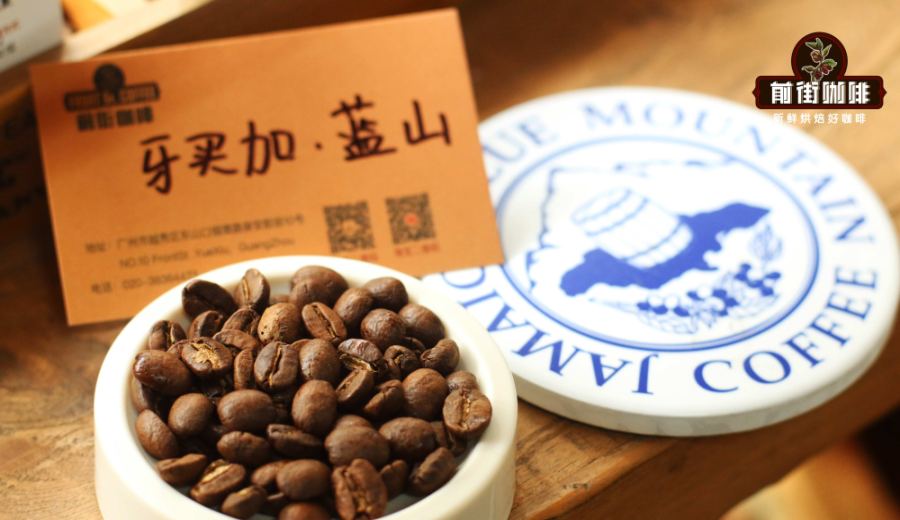
Introduction:Blue Mountain coffee is hailed as the pinnacle of the coffee world, yet its authenticity is hard to discern, often confused with the so-called 'Blue Mountain flavor' found in the market. This article delves into the altitudes of the genuine Blue Mountain coffee regions, varietal characteristics, certification standards, and export grading systems. It also introduces the processing methods and roasting features of the Clifton Estate Blue Mountain No. 1. From flavor differences to the practical effects of washed and natural processing, it helps you accurately select and appreciate true Blue Mountain coffee.
Jamaican Blue Mountain coffee enjoys global renown and is the dream flavor for many coffee enthusiasts. However, the market is flooded with products labeled as having a 'Blue Mountain flavor,' which are often just marketing terms and not genuine Blue Mountain coffee. So, how can one identify authentic Blue Mountain coffee beans that meet Jamaica’s official standards? This article will take you deep into the essence of Blue Mountain coffee—from regional altitudes, varietal origins, certification systems, to processing and roasting methods—and explore its significant differences from the so-called 'Blue Mountain flavor.'
The Core Region of Blue Mountain Coffee: Altitude Determines Quality
Blue Mountain is located in eastern Jamaica, spanning the four administrative parishes of Saint Andrew, Saint Thomas, Saint Mary, and Portland. Coffee grown here can only be officially recognized with the 'Blue Mountain Coffee' label if it is cultivated ataltitudes between 1,000 and 1,700 meters. If the altitude is only between 500 and 1,000 meters, the beans are classified as 'Jamaica High Mountain Coffee'; and those grown below 500 meters are merely considered regular 'Jamaica Supreme Coffee.' Therefore, simply being located in the Blue Mountain region is not enough to qualify as authentic Blue Mountain coffee.
Typica Variety: The Key to Blue Mountain Flavor
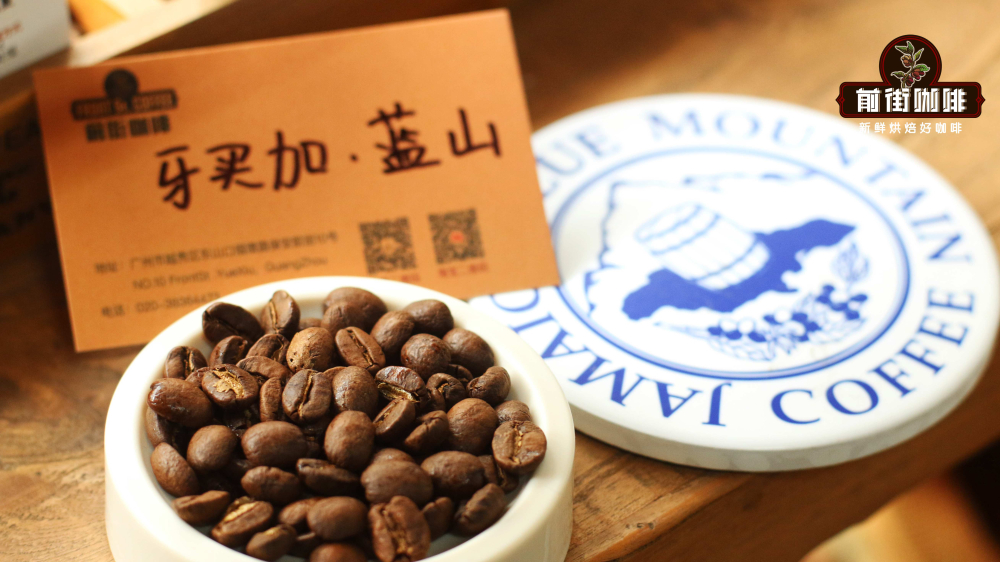
The primary variety used in Blue Mountain coffee is Typica (Typica), an historic Arabica type known for its elegant flavor. Typica’s top bud is bronze-colored, with bean shapes being either oval or pointed, and the plant stands upright, with branches forming an angle of about 50 to 70 degrees with the main stem. It has distinctive reddish-bronze leaf tips, hence it is also called 'red-tipped coffee.' Although Typica is less resistant to disease and has lower yields, under Jamaica’s unique environmental conditions, its adaptability has gradually improved—especially its resistance to berry disease compared to typical Typica. However, once removed from Jamaica’s native environment, the unique sweetness and delicate aroma of Blue Mountain Typica are hard to replicate.
Clifton Estate: Rainforest Certification and Altitude Advantage
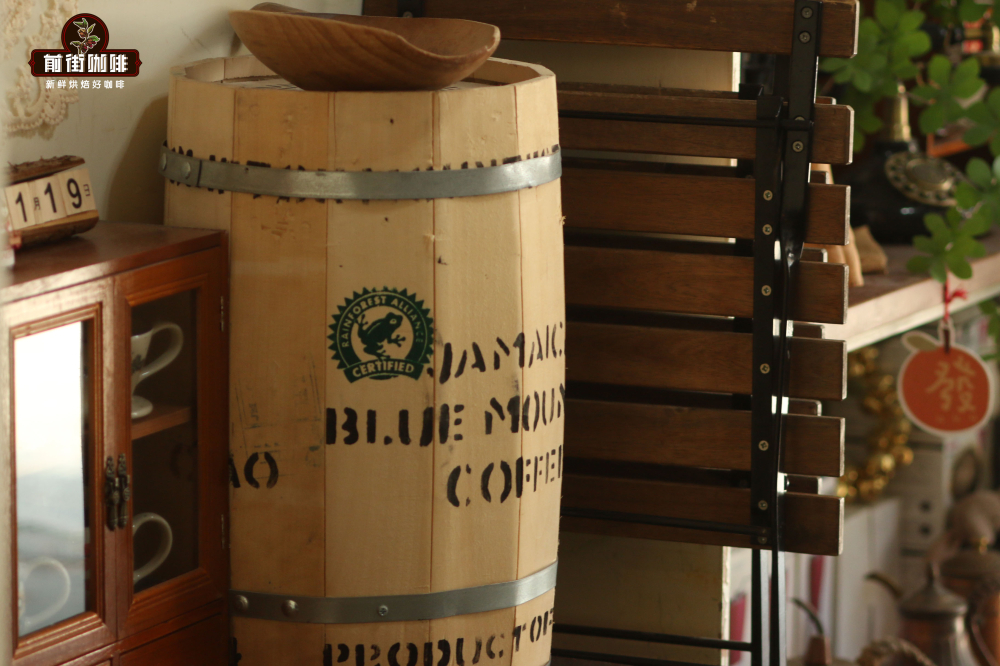
Currently, most of the authentic Blue Mountain No. 1 coffee beans on the market come from the Clifton Estate. This estate is not only one of Jamaica’s historic coffee-growing regions but also the country’s only coffee farm certified by the 'Rainforest Alliance.' Its cultivation and processing altitude is around1,310 meters (4,300 feet). Coupled with moderate temperatures, afternoon cloud cover, ample sunlight, and mineral-rich soil, it provides coffee cherries with a long and even maturation period, laying the foundation for its unique flavor profile.
The term 'Rainforest Certification' means the farm must adhere to sustainable agriculture standards set by the Rainforest Alliance, including restrictions on pesticide use, preservation of native vegetation, adoption of shade-grown cultivation methods, and proper waste management. Such certification not only represents environmental friendliness but is also often synonymous with high-quality coffee.
Why Is Blue Mountain Coffee So Expensive? Scarcity and Market Allocation
Jamaica’s total annual coffee production is only about 1,200 to 2,400 metric tons, of which those meeting Blue Mountain standards account for only600 to 1,000 metric tons. More crucially, over 80% of these precious Blue Mountain coffee beans have long been monopolized by the Japanese market, further driving up their international prices. Thus, the high price of Blue Mountain coffee more reflects its scarcity and production costs, rather than mere luxury in flavor.
Japan and the Historical Connection to Blue Mountain Coffee
Since 1950, the Jamaican government established the Coffee Industry Board to develop and enforce strict quality controls. Japan, having provided loans to help Jamaica improve production techniques, was granted priority purchasing rights until 2009. The first batch of Blue Mountain No. 1 coffee didn’t officially enter the Chinese market until 2011.
Blue Mountain Coffee Grading and Certification System
According to the regulations of the Jamaica Coffee Industry Board (CIB), only coffee grown ataltitudes above 2,200 feet (approximately 670 meters)can be called Blue Mountain coffee. Its grades are based on bean size and defect rate, divided into NO.1, NO.2, NO.3, and PB (peaberry). The criteria include: beans must be 17 mesh or larger, with a defect rate below 3% and moisture content around 13%. Each exported batch of Blue Mountain coffee comes with an official certificate, categorized into three types: quality certification, authorized sales certificate, and certificate of origin.NO.1Blue Mountain coffee is classified into three major categories according to altitude and quality:
Blue Mountain Coffee, Jamaica High Mountain Supreme, and Jamaica Prime Coffee Beans, each further divided into two grades, with Blue Mountain No. 1 at the top and Jamaica Prime Coffee Beans as the entry level. Blue Mountain coffee is primarily grown on five peaks in the Blue Mountain range, including John Crow, St. John’s Peak, Mossman’s Peak, High Peak, and Blue Mountain Peak.Evolution of Processing Methods for Blue Mountain No. 1: Flavor Differences Between Washed and Natural
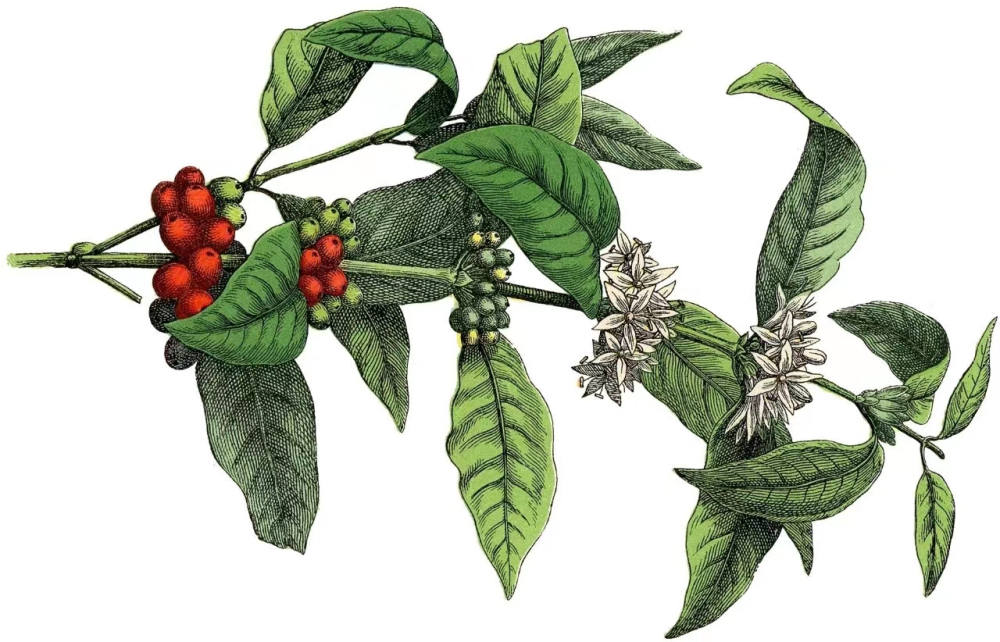
Traditionally, Clifton Estate’s Blue Mountain No. 1 is mostly processed using the washed method. This process includes removing the pulp and skin, fermenting for 12 to 18 hours, washing off the mucilage, drying to a moisture content of 12% to 14%, followed by sorting and storage. This method enhances the coffee’s balance, resulting in clear and non-overpowering flavors.
Starting in 2019, the estate first experimented with the natural (sun-dried) process, altering the traditional flavor profile of Blue Mountain coffee. Compared to the clarity and linearity of the washed version, sun-dried Blue Mountain often presents richer fruitiness and sweetness, offering consumers another flavor option.
Roasting and Brewing Recommendations: Highlighting the Delicate Balance of Blue Mountain Coffee
To fully showcase the harmony of Blue Mountain coffee’s acidity, sweetness, and bitterness, along with its silky mouthfeel, producers typically use
medium-dark roasting. Below are reference roasting profiles for both processing methods:Washed Blue Mountain Roasting Profile:
In-bin temperature 170°C, fan speed 3. After 1 minute, adjust heat to 140°C. At 5 minutes 10 seconds, temperature reaches 153°C, bean surface turns yellow. Then adjust heat and fan speed. First crack begins at 8 minutes 12 seconds, with final drop at 201.3°C.Natural Blue Mountain Roasting Profile:
In-bin temperature 165°C, heat 130, fan speed 3. Gradually adjust to first crack beginning at 10 minutes 06 seconds, with final drop at 198.5°C.For brewing, it is recommended to use a Kono filter,
15 grams of coffee grounds, a 1:13 coffee-to-water ratio, water temperature 88–89°C, grind size at approximately 75% passing through a #20 sieve. Use a step extraction method: 30 grams of water for a 30-second bloom, followed by 100 grams of water poured slowly to reach 130 grams, then a larger stream adding 65 grams to reach a total of 195 grams. Total extraction time is approximately 1 minute 50 seconds.In terms of flavor, sun-dried Blue Mountain exhibits sweet brown sugar notes and berry acidity, with nutty and cocoa layers emerging mid-to-late, and a warm walnut-like finish. Washed Blue Mountain focuses on dark chocolate and nuttiness, with clean, bright flavors, balanced acidity and sweetness, and a rich, stable body.
In terms of flavor, the natural-process Blue Mountain exhibits a sweet brown sugar note with berry acidity, developing layers of nuts and cocoa in the mid-to-late stages, with a warm walnut-like finish; the washed Blue Mountain is anchored by dark chocolate and nutty profiles, featuring a clean, bright flavor with balanced acidity and sweetness, along with a rich and stable body.
The above content is compiled by CoffeeHunters, a coffee news website.


