








Introduction:Many people believe that the rich, toasty aroma of coffee can only be achieved through dark roasting. However, medium-dark roasts can also deliver a wealth of sweetness and a full-bodied mouthfeel while avoiding excessive bitterness. This article will guide you through the aromatic changes coffee undergoes from green bean to roast, analyzing how the Maillard reaction and caramelization influence flavor. We’ll also recommend medium-dark roasted beans suitable for pour over and espresso brewing, helping you achieve a well-balanced and non-cloying coffee experience, while learning to describe coffee flavors in everyday language.
Does the toasty aroma of coffee necessarily come from dark roasting? In fact, medium-dark roasted beans can also exhibit captivating notes of caramel, nuts, and chocolate, along with a balanced sweetness and full body. This article will start with the roasting process, explaining how coffee beans gradually release aroma during heating, and the roles the Maillard reaction and caramelization play in shaping flavor.
In the early stages of roasting, coffee beans go through dehydration and the breakdown of chlorophyll. At this point, the beans turn from green to yellow, with moisture content significantly decreasing. As the temperature rises, internal moisture turns into steam, releasing carbon dioxide and causing internal pressure to climb to around 25 bar, eventually triggering the first crack. During this phase, acidity is still quite pronounced, while bitterness has not yet taken over.

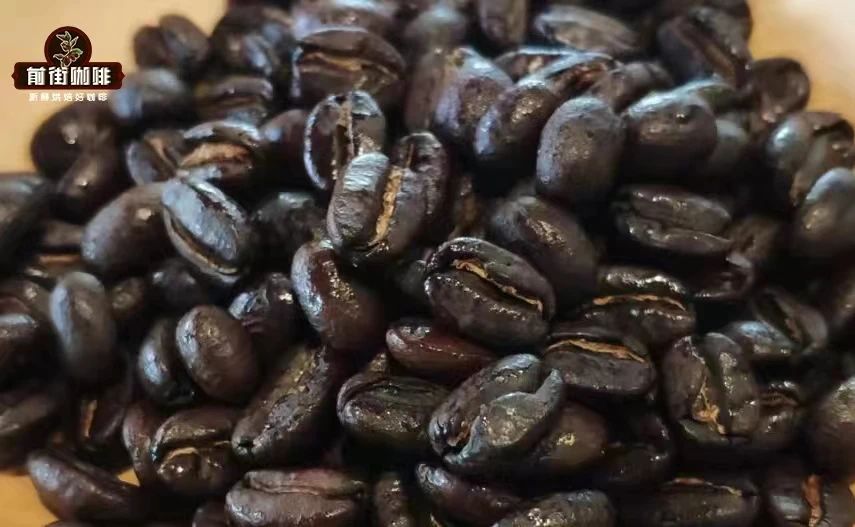
As the roasting time extends, the beans release more heat, their appearance gradually turning brown, the silver skin begins to shed, the volume expands to 1.5 to 2 times the original size, and the weight decreases by at least 11%. When entering the medium-dark roast stage, the beans darken further, weight loss can reach up to 22% of the original weight, and the second crack may occur. If heating continues at this stage, oils will begin to seep out from the bean surface; if temperature control is poor, the beans can easily become carbonized or even burnt.
During the drying and Maillard reaction stages, coffee beans gradually release a variety of aromas. The Maillard reaction typically begins when the moisture content drops below 5%, resulting from the interaction between sugars and amino acids during protein degradation. Meanwhile, caramelization is the process where sugars (including sucrose) decompose and reorganize under heat, producing sweet and caramel-like tones. Together, these two reactions create the common coffee aromas such as nuts, caramel, chocolate, and toasted bread.

These chemical reactions not only enhance aroma complexity but also bring the acidity, sweetness, body, and bitterness of coffee into a more balanced state. Medium-dark roasted beans often showcase flavors such as chocolate, nuts, maple syrup, and toasted bread — retaining a pleasant level of sweetness while delivering a satisfying full body. This balance is what many coffee enthusiasts seek.
If you prefer pour over brewing, we recommend choosing medium-dark roasted beans, such as Indonesian Golden Mandheling, which offers notes of nuts, dark chocolate, cloves, and herbs, or Colombian Huila, with its chocolate, cream, and caramel profiles. These beans, when brewed with moderate water temperature and coarse grind, can fully express their layered aromas and textures.
For users of espresso machines, we recommend blends that are rich in crema, full-bodied, and have a distinct toasty character without being overly acidic or astringent. Some classic espresso blends can exhibit characteristics of toasted bread, chocolate, and balanced acidity and sweetness, making them ideal for espresso or milk-based drinks — smooth on the palate with a long-lasting aftertaste.
It’s important to note that over-roasting (so-called very dark roasting), though capable of producing intense toasty notes, can also lead to problems such as prominent bitterness, loss of acidity, and reduced sweetness. If roasted too long, aromatic compounds may be destroyed, making the coffee taste monotonous or even unpleasant to drink. Therefore, if you want to avoid overly bitter espresso, it’s better to choose beans with moderate roast levels rather than simply aiming for an overly dark appearance.
When it comes to describing coffee flavors, many people find it challenging because professional terms like “nutty” or “floral” may seem abstract. But flavor description doesn’t have to be limited to specific jargon. When a roaster describes a coffee as having notes of “ripe apple,” it might imply a balance of sweetness and acidity — and such descriptions often encompass a broader sensory experience. Even if you can’t precisely identify every flavor, you can still use familiar terms to express your impressions, such as “warm sweetness,” “a hint of smokiness,” or “like nutty cookies.” These descriptions are equally valuable.
In summary, the toasty character of coffee doesn’t have to come from very dark roasting. By choosing the right roast level and beans, medium-dark roasting can also deliver sweet, full-bodied, and richly aromatic results. Whether you’re a pour over or espresso lover, you can find an excellent balance of flavor and mouthfeel in medium-dark roasted beans.
The above content is compiled by CoffeeHunters, a coffee news website.


