







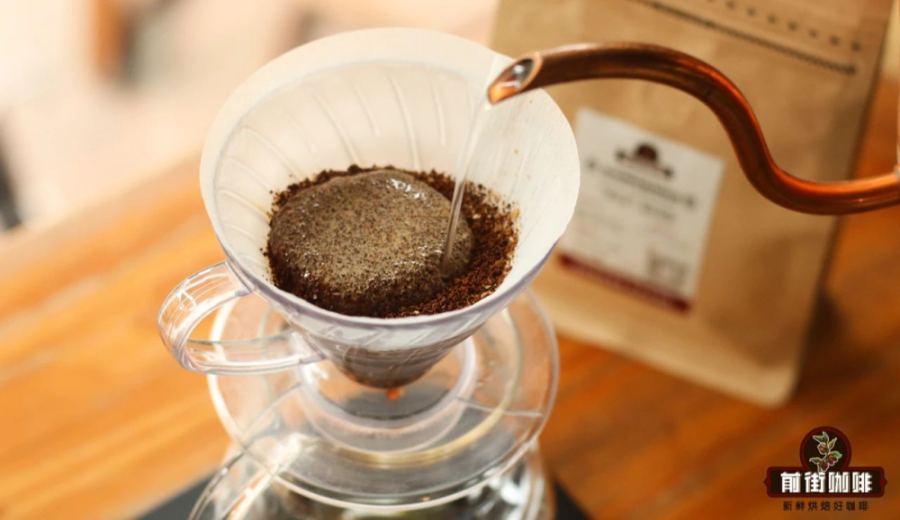
Introduction:For beginners new to pour over coffee, the variety of equipment and complex brewing techniques can often be overwhelming. This article starts with seven core elements, detailing coffee bean freshness, grind size, water temperature control, water quality selection, filter type, coffee-to-water ratio, and brewing time to help you quickly master the essentials of brewing. Additionally, it deeply analyzes the three stages of coffee extraction and combines theory with practice through a hands-on demonstration using an Ethiopian Yirgacheffe Natural Huila Konga 8.0, ensuring you not only understand the principles but can also brew a cup of coffee with distinct flavors yourself.
When first getting into pour over coffee, facing a myriad of equipment and various pouring methods, many people often feel lost and unsure where to start. In reality, by mastering just a few key elements, even beginners can get started smoothly and brew coffee with clear layers and distinct flavors. The following will introduce in depth the seven important factors that influence the quality of pour over coffee, while also analyzing the three key stages of the extraction process, and demonstrating the standard pour over procedure using a popular Ethiopian Yirgacheffe Natural Huila Konga 8.0 as an example.
1. Coffee Bean Freshness: The Key to Aroma
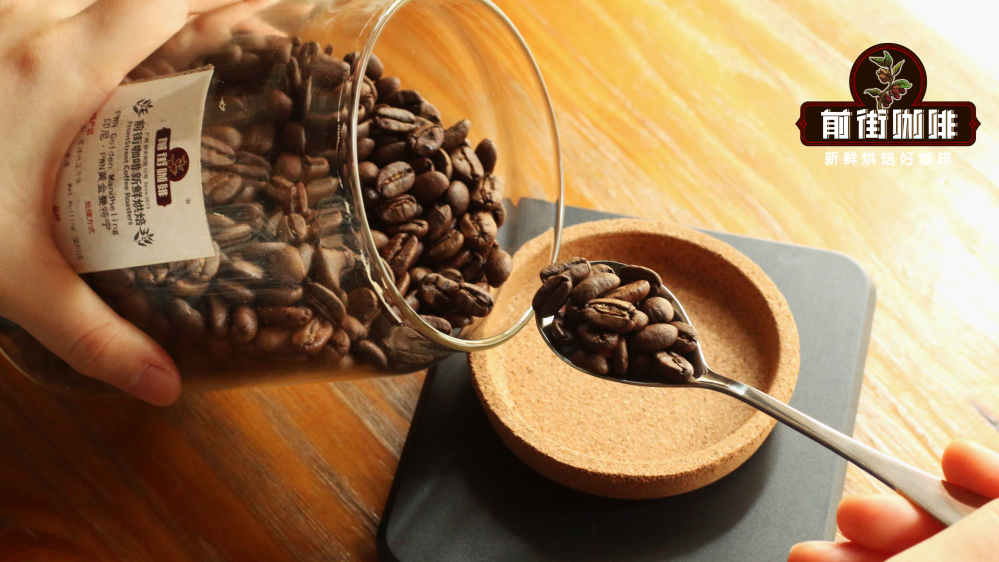
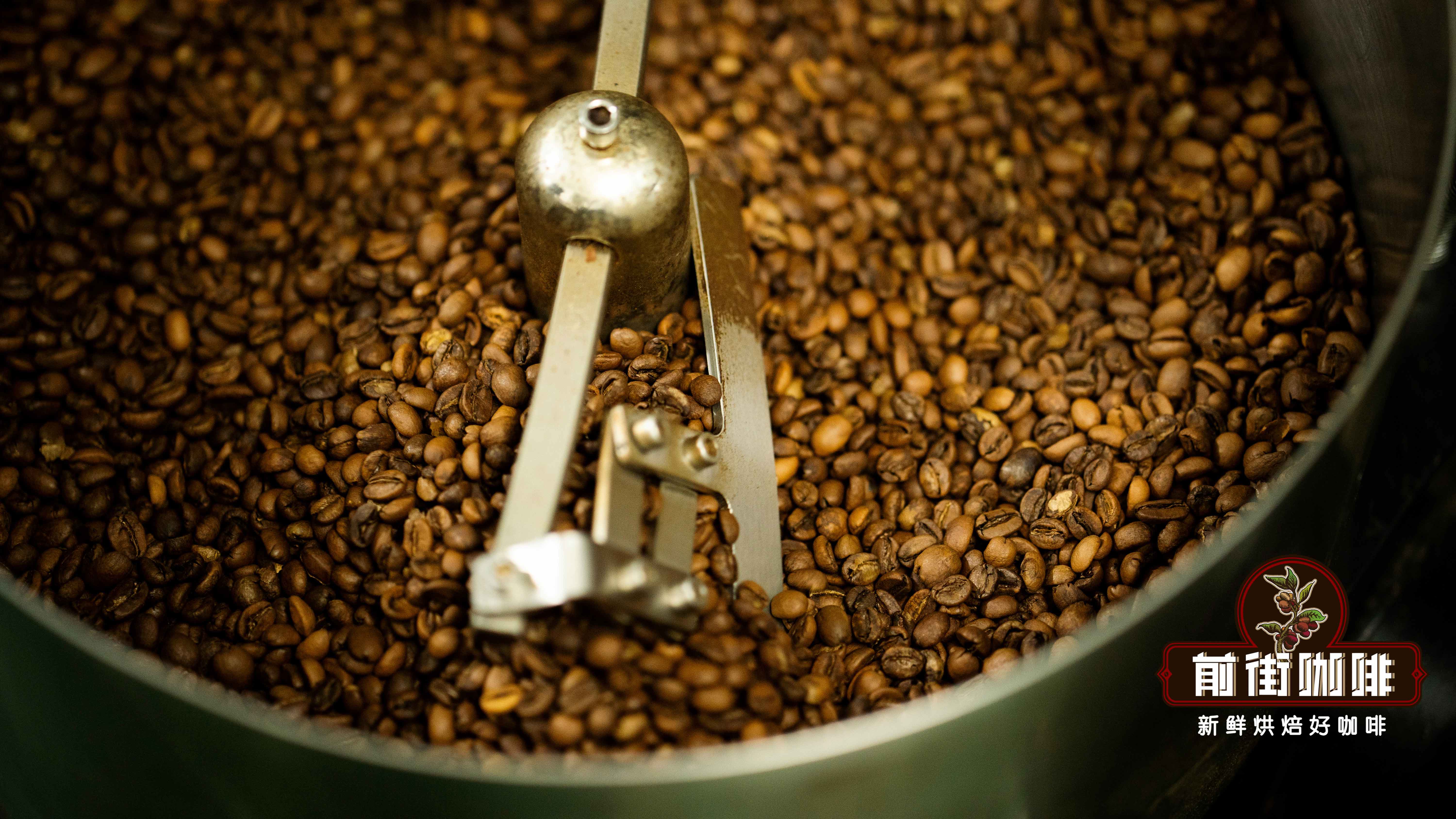
Freshly roasted coffee beans are the foundation for brewing good coffee. Generally speaking, the optimal flavor window for coffee beans is within 30 days after roasting. Over time, the internal aromatic compounds gradually diminish as carbon dioxide is released, causing the coffee’s flavor to become dull or even develop off-notes. Therefore,it is recommended to prioritize coffee beans roasted no more than one month ago, so you can fully experience their rich aroma and layered complexity.
2. Grind Size: Determines Extraction Efficiency and Flavor Expression
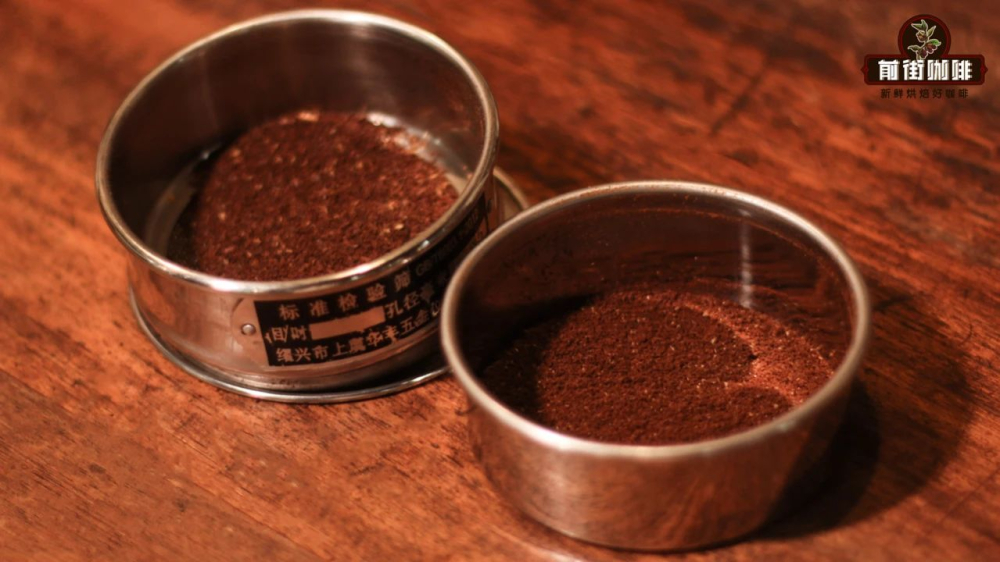
The coarseness of coffee grounds directly affects the speed of water flow and the uniformity of extraction. Grinding too fine restricts water flow, lengthens extraction time, and can easily lead to woody or off flavors; grinding too coarse results in under-extraction, making the coffee flavor thin. It is recommended to use a #20 sieve (with an aperture of about 0.85mm) for testing: take 10 grams of coffee beans, grind them, and sift them. If about 8 grams pass through (a pass rate of about 80%), it is suitable for medium to light roasts; if 7 to 7.5 grams pass through (a pass rate of 70%-75%), it is more suitable for medium to dark roasts. Adjusting grind size flexibly according to the roast level of the beans is the first step to ensuring ideal extraction.
3. Water Temperature Control: Different Roast Levels Require Different Temperatures
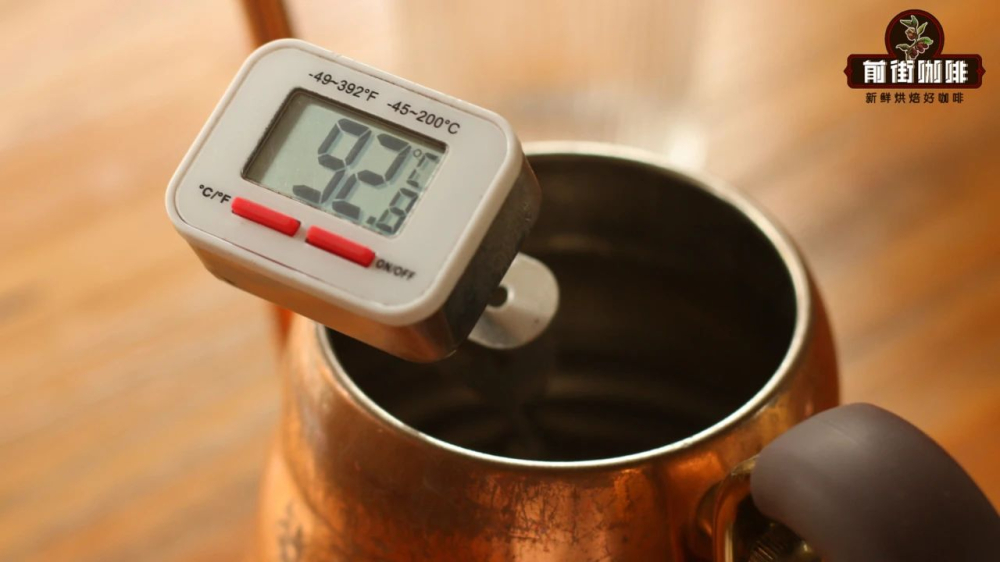
Water temperature is crucial for flavor release in pour over coffee.For medium to light roasted coffee beans, a water temperature of 90 to 91°C is recommended, as it can fully bring out acidity and aroma; whilemedium to dark roasted beans should be brewed at 87 to 89°Cto avoid the bitter and off flavors caused by over-extraction. Different roast levels have varying characteristics in how internal compounds dissolve, and properly adjusting water temperature can effectively prevent over-extraction or under-extraction.
4. Water Quality Selection: Purity and Mineral Balance Are Important
Minerals in water, such as calcium, magnesium, sodium, and potassium ions, affect the dissolution efficiency of flavor compounds in coffee. Using filtered or mineral water is better than using tap water directly, as the latter contains more impurities and can easily result in unpleasant taste. Ensuring the use of clean water with a certain mineral content helps enhance the overall flavor profile of the coffee.
5. Filter Selection: Start with the V60 Size 01
For beginners,the V60 Size 01 filteris an excellent starting choice. Its conical design and unique spiral ridges help air escape, allowing water to flow more smoothly and improving extraction consistency. Although the mouthfeel may not be as full-bodied as that from thicker filters, its high extraction rate brings out clear acidity, sweetness, and bright aromas, making it very suitable for experiencing the diversity of pour over coffee.
6. Coffee-to-Water Ratio: The Key to Balancing Strength and Flavor
The coffee-to-water ratio directly affects the strength of the coffee and the overall flavor expression. According to the SCA Golden Cup standard:
- Bold (1:10~1:11), close to the Golden Cup range of 1:12.5~1:13.5
- Medium (1:12~1:13), close to the Golden Cup range of 1:14.5~1:15.5
- Light (1:14~1:16), close to the Golden Cup range of 1:16.5~1:18.5
Among these,the range of 1:14.5 to 1:15.5is the easiest to achieve the Golden Cup extraction rate (18%~22%) and ideal concentration (1.15%~1.35%), which is also the golden ratio recommended by many professional baristas for beginners.
7. Brewing Time: An Important Step in Controlling Extraction
The release of flavors in pour over coffee mainly occurs in the early stage; as time passes, aroma and taste gradually diminish. Typically, when using 15 grams of coffee beans and a 1:15 coffee-to-water ratio, it is recommended to keep the total brewing time within2 minutes to 2 minutes and 30 seconds, to avoid over-extraction in the early stage or under-extraction in the later stage, ensuring overall flavor balance.
After understanding the above seven elements, let’s delve deeper into the extraction principles behind pour over coffee.
The Three Stages of Extraction: Wetting, Dissolution, and Diffusion
The essence of pour over coffee is the process of extracting flavor compounds from within coffee cells, which can be divided into three stages:
【Wetting】
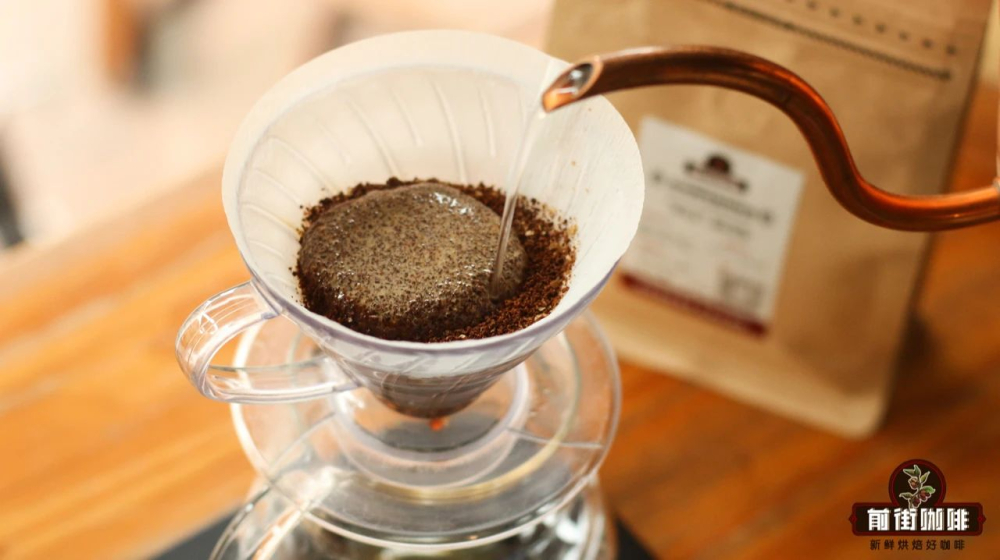
This is the first step of brewing, which involves wetting the coffee grounds to initiate the release of internal substances from the coffee cells—commonly known as the “bloom” stage. At this point, hot water penetrates the coffee bed, laying the foundation for subsequent dissolution.
【Dissolution】
During the dissolution stage, soluble substances (about 30%) inside the coffee cells gradually dissolve into the hot water. This is the most critical process in forming coffee flavor. These substances dissolve in sequence based on molecular size: first small molecules such as acidic and aromatic compounds (like citrus and floral notes); then medium-sized molecules such as sweetness (like honey and caramel); and finally large molecules that bring bitterness, such as caramelized compounds. Therefore,to emphasize sweet and aromatic flavors, the brewing time should be moderately shortenedto avoid dissolving too many bitter compounds.
【Diffusion】
Once the flavor compounds have dissolved, they diffuse out of the coffee cells into the water through diffusion, eventually forming the coffee liquid we taste. Therefore, gently shaking the coffee cup after brewing helps mix the extracts from different stages, resulting in a more balanced and rich overall flavor.

Combining theory with practice, the following uses an Ethiopian Yirgacheffe Natural Huila Konga 8.0 as an example to illustrate specific pour over brewing steps.
Coffee Bean Information:
Region: Guji · Hambella
Processing Farm: Buku Able
Altitude: 2350 meters
Variety: Local Landrace
Processing Method: Natural
Brewing Parameters:
Filter: Hario V60 01
Coffee-to-Water Ratio: 1:15
Grind Size: BG#6S (approximately 80% passing through a #20 sieve)
Water Temperature: 90°C

Brewing Steps:
1. Pre-wet the filter paper and discard the excess water.
2. Add 15 grams of coffee grounds and pour about 30 grams of water (twice the coffee amount) for blooming, lasting 30 seconds.
3. Then pour water in small circles, and when the total reaches 125 grams, perform the first pour. When the water level drops and is about to expose the coffee bed, continue pouring until reaching 225 grams, then stop.
4. Once the water level drops close to the coffee bed again, remove the filter. The entire process, starting from blooming, is completed in about 2 minutes.
Flavor Profile:
At high temperatures, there is a distinct almond aroma; as it cools slightly, citrus acidity emerges, accompanied by a rich berry juice-like sensation and black tea-like mouthfeel. The sweetness is long-lasting and layered, making it a great pour over bean for practice and tasting.
The above content is compiled by CoffeeHunters, a coffee news website.


