







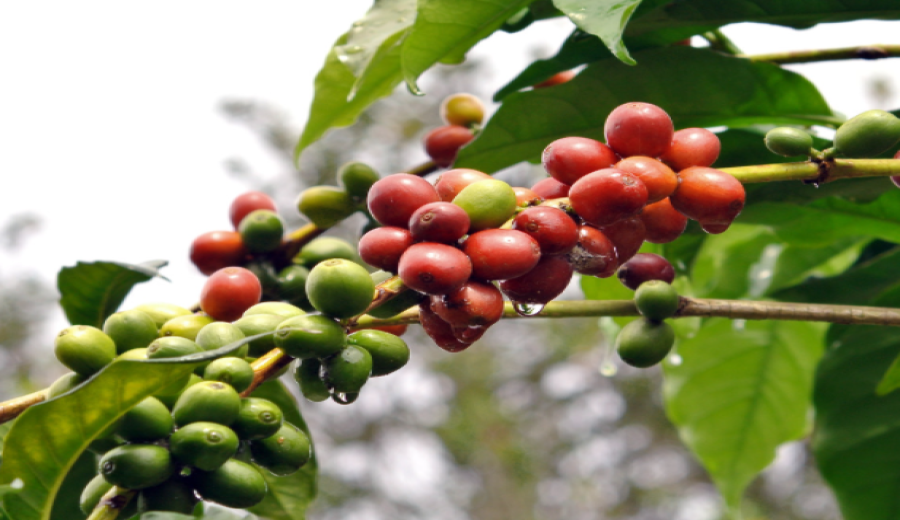
Introduction:Many coffee enthusiasts have noticed that purchasing coffee beans online is noticeably cheaper than buying from chain coffee shops, yet the flavor is no less impressive. This difference involves multiple factors such as origin characteristics, variety differences, roast levels, and grading standards. This article delves into the flavor profiles of the three major producing regions—Asia, Africa, and the Americas—explains key indicators that determine bean grade such as defect rate and altitude, and offers practical purchasing advice to help you find high-value-for-money coffee beans that fit your budget and taste preferences.
Many home brewers have wondered: why are coffee beans sold on e-commerce platforms often much more affordable than those at Starbucks stores, yet there’s no obvious drop in flavor when tasting? The answer lies in the diverse backgrounds of the coffee beans—from regional terroir and varietal genetics, to roast depth and grading systems—each stage influences the final cost and flavor performance.
A common misconception is: “Does Starbucks use good beans?” In fact, the brand mostly uses dark-roasted Arabica beans, primarily designed for making espresso shots. These beans are inherently lower in price due to large commercial procurement volumes and fixed roasting strategies. If you prefer a lighter flavor profile, you might opt for medium-roast blends that preserve more of the beans’ natural fruity acidity and floral notes.
For consumers focused on pour over experiences, it’s even more important to pay attention to the unique expressions brought by regional characteristics. Coffee beans from Asian regions (such as Indonesia and Vietnam) often exhibit distinct herbal tones and a rich, full-bodied aftertaste, making them suitable for those who enjoy bold flavors. African regions (like Ethiopia and Kenya), on the other hand, are known for their bright acidity and aromatic notes reminiscent of passion fruit or jasmine, offering lively layers after brewing. American regions (such as Brazil and Colombia) are highly balanced, with sweetness, acidity, and bitterness complementing each other, often accompanied by the mellow undertones of cocoa or nuts.
When it comes to bean grading, evaluation standards vary significantly between countries. Ethiopia uses the ratio of defective beans for grading, with G1 (fewer than 3 defects per 300g) being the highest quality, followed by G2 (approximately 4–12 defects), where the smaller the number, the stricter the screening—and the higher the price. In the Americas, such as Panama, grading is based on growing altitude, with SHB (Strictly High Grown, above 1500 meters) being top-tier, as high altitude results in denser beans with greater fermentation potential. Kenya grades beans by size, with AA (diameter over 7.2mm) representing the largest beans, typically offering a richer flavor spectrum.
Faced with a wide array of products, how do you choose the right coffee beans for yourself? It’s recommended to first clarify your preferred brewing method: French press suits medium-to-dark roasted beans with a bold body, while pour over is recommended for medium-to-light roasts to highlight flavor details. If your budget allows, you might try Ethiopia’s Yirgacheffe G1, whose lemony acidity and blueberry aftertaste make it a classic entry-level specialty coffee. For those seeking unique floral and fruity tea-like notes, consider Panama’s Geisha series; high-altitude cultivation gives it a tea-like finish, though the price is relatively higher, so it’s advisable to buy a small amount to test its suitability.
It’s worth noting that price isn’t the only indicator of quality. Some smallholder farms spend considerable time manually sorting out defective beans after harvest, resulting in higher unit prices but better flavor consistency. On the other hand, some so-called “super value combos” of blended beans may mix beans from multiple regions to reduce costs, making flavor consistency harder to guarantee. It’s recommended that first-time buyers choose single-origin beans, observe the crema release and aroma persistence through actual brewing, and gradually build a personal preference list.
The above content is compiled by CoffeeHunters, a coffee news website.


