







Introduction:Grind size is one of the core factors that affect coffee extraction. Too coarse a grind leads to under-extraction, resulting in flat flavors, while too fine a grind can cause over-extraction, producing bitterness and off-flavors. This article uses a standard 20-mesh sieve passing rate as a benchmark and aligns with industry cupping methods to detail the ideal grind size ranges for pour over, French press, cold brew/drip, and espresso machines. It also explores how roast level and bean density practically influence grind settings, helping you master the grind essentials for each brewing method.
The birth of a great cup of coffee begins with grinding. No matter which brewing device you use, grinding coffee beans into uniform grounds is the first step in releasing their flavors. However, not all grind sizes will yield ideal extraction—too coarse results in under-extracted, thin-tasting coffee; too fine can easily lead to over-extraction, releasing bitter and astringent impurities. So what constitutes the right grind size? How should grind fineness be adjusted for different brewing devices? Below, using a 20-mesh sieve passing rate as a unified indicator, we will explain the optimal grind ranges for French press, pour over, cold brew/drip, and espresso machines one by one, along with practical tips to give your extraction more precision.
The differences in extraction principles across various brewing devices directly influence the required particle size of coffee grounds. Taking common methods such as pour over, French press, espresso machine, and cold brew/drip as examples, if ranked by grind fineness from coarse to fine, it generally goes: French press > pour over > cold brew/drip > espresso machine. But “coarse” and “fine” should not be judged by feel alone—there must be quantifiable reference standards.
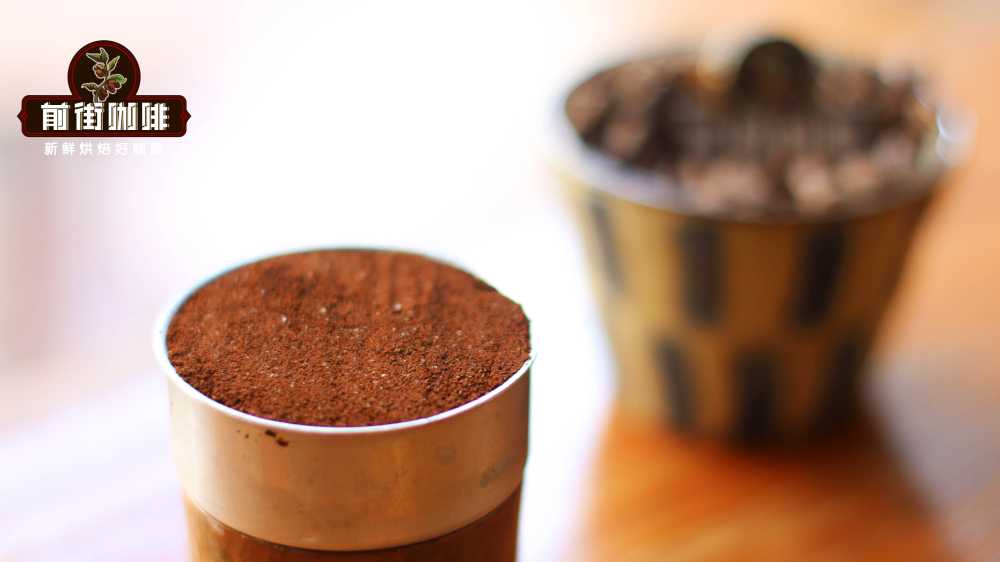
The industry commonly uses cupping standards as a reference for grind size. Cupping was originally designed to evaluate green coffee bean quality, but its grind settings are equally instructive for both home and professional extraction. The standard cupping grind is set to achieve a 70% to 75% passing rate through a 20-mesh sieve. Here, the 20-mesh sieve refers to a Chinese standard sieve with an aperture of about 0.85mm, used for accurately measuring particle size. The testing method is simple: take 20 grams of ground coffee, pour it into the sieve, gently shake until no more powder falls through, and then weigh the amount that passed through. For example, if 15.2 grams pass through, the passing rate is 76%. The higher the passing rate, the finer the grind.
Once you’ve mastered this standard reference, we can more precisely set the grind size for various brewing devices:
French Press (20-mesh sieve passing rate 68–75%)
The French press uses a metal filter for immersion extraction, which is similar to the cupping method, so the recommended grind fineness also closely overlaps with the cupping range. However, because the metal filter has noticeable pores, slightly coarser coffee grounds are needed to prevent fine particles from passing through and affecting the taste. For medium to light roasted beans, you can grind slightly finer (passing rate 72–75%); for medium to dark roasts, it’s advisable to go slightly coarser (passing rate 68–71%) to reduce the release of unwanted flavors.
Pour Over Coffee (20-mesh sieve passing rate 70–80%)
Pour over mainly relies on drip filtration, with an extraction time typically only 1 minute 30 seconds to 2 minutes 30 seconds—shorter than cupping—so a slightly finer grind than cupping is needed to fully express the flavor layers. Medium to light roasted beans suit a finer grind (passing rate 75–80%), which helps bring out fruity notes and acidity; medium to dark roasts are better with a slightly coarser grind (passing rate 70–75%) to avoid over-extraction that can cause astringency.
Cold Brew/Drip Coffee (20-mesh sieve passing rate 80–85%)
Both cold brew and drip methods use cold water for slow extraction. Since water molecules have weaker penetration power, a finer grind is needed to improve extraction efficiency. However, finer isn’t always better—overly fine grinds can make the coffee cloudy and increase filtration difficulty; for drip, too fine a grind may also cause water pooling on the coffee bed, disrupting smooth flow. Generally, a grind size between 80% and 85% passing rate through a 20-mesh sieve is recommended. For a bolder flavor, aim for 85%; for a cleaner taste, go with 80%.
It’s important to note that coffee bean density and roast level can affect actual grind outcomes. Even with the same grinder setting, different beans may produce varying grind sizes. For example, using an EK-43s grinder at setting 10, one type of Yirgacheffe might yield an 80% passing rate, while the same setting on Colombian Sidamo might only produce 75%. If the grind result is not as expected, it’s advised to recheck the particle size using the same type of beans.
Espresso Machine
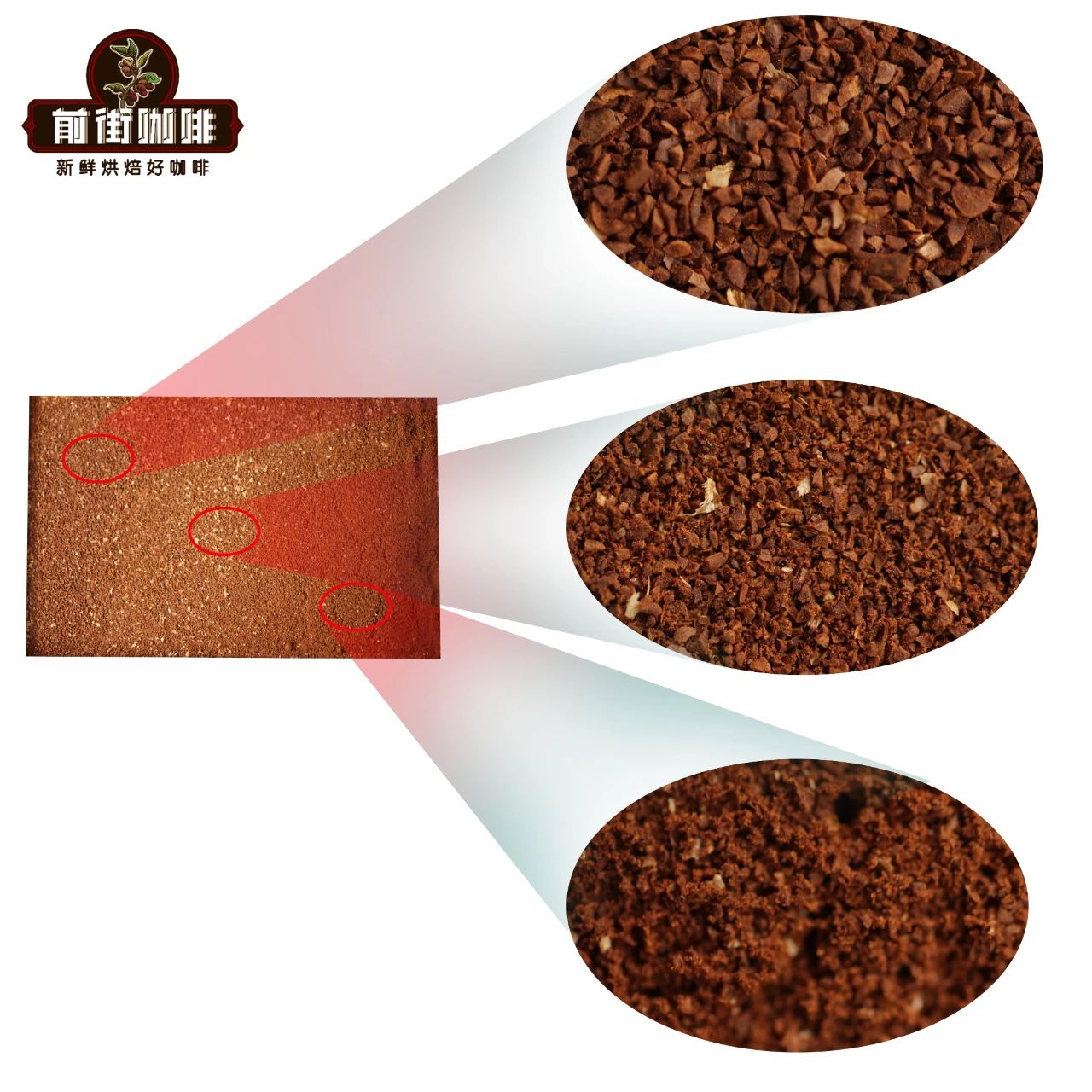
The grind size required for espresso machines is extremely fine and cannot be directly measured with a sieve; it mainly relies on real extraction performance for adjustment. A stable espresso extraction setup is key—for example, a common shop parameter might be: 20 grams of coffee grounds, extracting 40 grams of espresso in 28 seconds (allowing ±1 gram margin). Establish this base setup first, then fine-tune the grind size to achieve the desired extraction time and flavor profile. Note that grind settings are highly sensitive—even a difference of just 0.1 on the grinder dial can noticeably alter extraction time and taste. Therefore, it’s recommended to adjust gradually and confirm with tasting.
The above content is compiled by CoffeeHunters, a coffee news website.


