







Introduction:A well-known bubble tea shop in Shenzhen's Dongmen area was recently reported by a customer for finding a cockroach leg in their drink, sparking public concern over beverage hygiene. The incident led to a dispute over compensation between the two parties, with the customer filing a complaint with the relevant authorities. This article details the incident, analyzes food safety regulations, and provides practical pest control advice for beverage businesses, helping readers understand the rights protection process and key points of hygiene management.
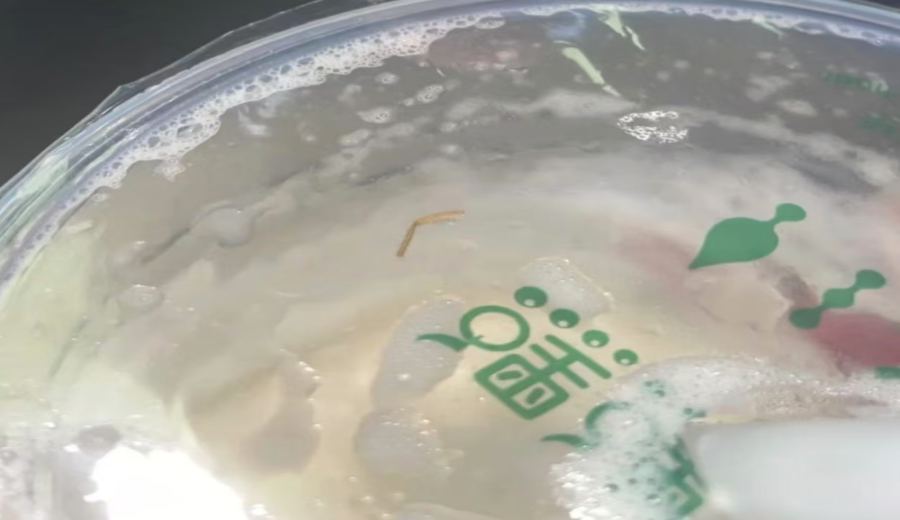
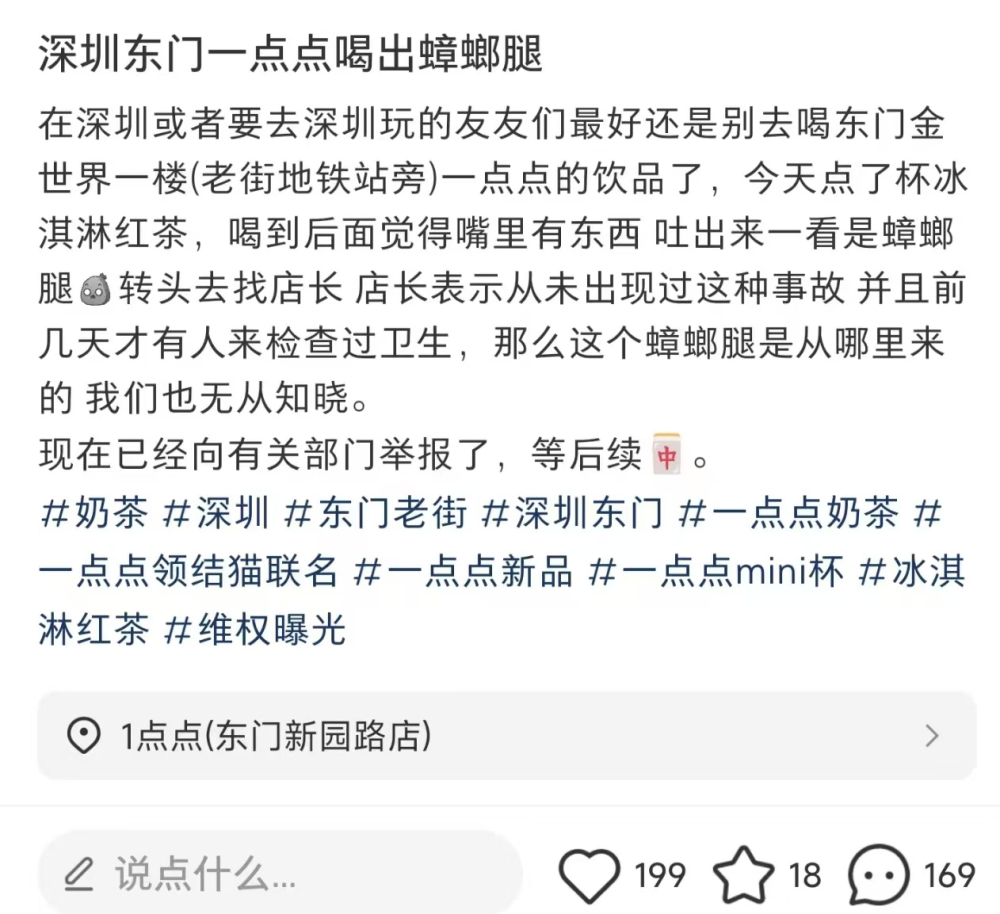
A "One-Zero-One" bubble tea outlet located in Shenzhen’s Dongmen Golden World commercial district has recently been embroiled in a food safety controversy. A customer discovered a clearly visible cockroach leg in their ice cream black tea, and the incident quickly sparked discussion on social media platforms.
According to the customer’s recollection, they had ordered a common ice cream black tea. While drinking halfway through, they suddenly felt something stuck in their mouth. Upon spitting it out, they were horrified to find it was a leg from a cockroach, which left them feeling extremely uncomfortable and disgusted.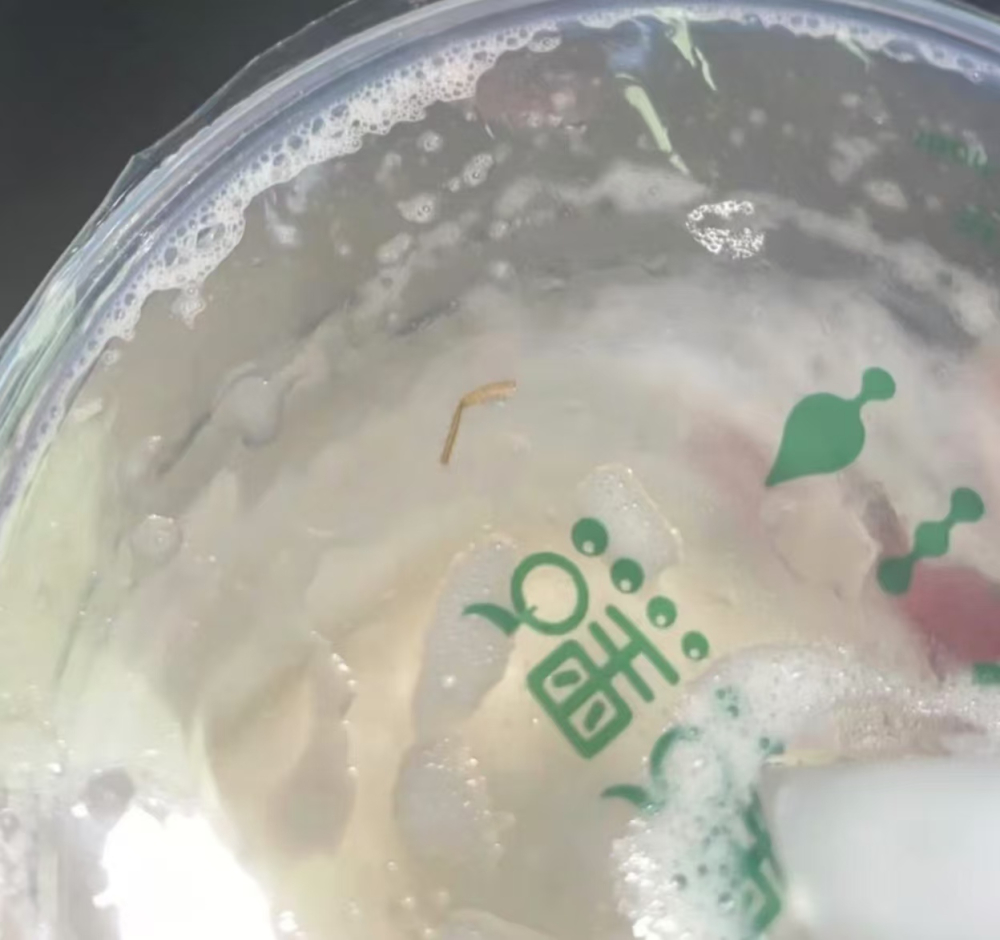
The customer immediately reported the issue to the store manager. The manager stated that the outlet had recently passed a health inspection and had never experienced a similar incident before, expressing confusion over the origin of the cockroach leg. During compensation negotiations, the manager offered to refund the purchase amount and provide an additional three times the value as compensation. However, the customer felt this offer did not adequately address the psychological impact.
According to the "Food Safety Law of the People's Republic of China," if a consumer suffers harm from consuming food that does not meet safety standards, they can seek compensation for actual losses from the seller or manufacturer. If the business knowingly sold food that did not meet safety standards, the consumer has the right to demand ten times the purchase price or three times the amount of the loss as compensation; if the increased compensation is less than one thousand yuan, it will be set at one thousand yuan. Therefore, the customer requested compensation equivalent to ten times the order amount, but unfortunately, the two parties ultimately failed to reach an agreement.
To protect their rights, the customer subsequently filed a complaint through the Shenzhen government’s online platform and received an acceptance notice. Currently, the Shenzhen government platform has transferred the case to the Luohu District Market Supervision Administration of the Shenzhen Municipal Market Supervision Bureau for handling. The customer also received an SMS notification informing them to supplement relevant evidence and materials to facilitate the investigation.
The person in charge of the involved bubble tea shop stated in an interview that after the incident, the outlet had proactively communicated and negotiated with the customer. However, due to differing opinions on the compensation amount, the issue was ultimately not resolved. The person in charge emphasized that the outlet would fully cooperate with the market supervision authority’s investigation and provide reasonable compensation in accordance with relevant regulations.
This incident has also sparked discussions within the industry regarding hygiene management in bubble tea shops. A professional in pest control pointed out that beverage outlets such as bubble tea shops must pay special attention to the prevention of pests like cockroaches during daily operations. It is recommended to regularly use professional pest control agents in high-risk areas such as shelf gaps, countertops, around distribution boxes, and wall cracks, supplemented with gel baits or granules for long-term maintenance. Additionally, for mosquito issues, chemical or biological control methods such as mosquito larva slow-release blocks can be considered, along with regular removal of standing water to prevent it from becoming a breeding ground. These measures can effectively reduce the risk of foreign objects contaminating beverages.
This cockroach leg in bubble tea incident once again highlights the challenges faced by the tea beverage industry in food safety and hygiene management. In addition to ensuring the quality of raw materials, businesses must strictly control the cleanliness of the production environment to avoid small oversights leading to significant brand damage. For consumers, understanding their rights and food safety regulations is essential to effectively safeguarding their interests when facing similar issues. Only when both businesses and consumers place mutual importance on these matters can a safer beverage consumption environment be created.
The above content is compiled by CoffeeHunters, a coffee news website.


