








Introduction:The flavor profile of coffee is closely tied to the degree of roasting. From bright fruit acidity to deep, intense smokiness, each flavor is the result of carefully crafted roasting techniques. This article will explore the differences in acidity, sweetness, and bitterness among light, medium, and dark roasts, and through the critical timing of the first crack, help you understand how medium roasting achieves a balance between acidity and bitterness. We’ll also provide practical roast classifications and bean selection tips to make it easier for you to find the right beans for methods like pour over or French press.
The roast level of coffee beans is one of the key factors that influence the final flavor of a cup of coffee. As roasting time and temperature change, the chemical components within the beans undergo dramatic transformations, directly determining the final balance of acidity, sweetness, and bitterness. Generally speaking, the lighter the roast, the more the bean’s original characteristics—such as fruit acidity, floral notes, and fruity tones—are preserved; the darker the roast, the more pronounced the caramelization reaction becomes, bringing out rich notes of caramel, chocolate, and smokiness, but with reduced acidity and increased bitterness.
For most drinkers who do not prefer overly high acidity nor can tolerate strong bitterness, medium roasting is often the most balanced choice. Medium-roasted coffee offers a moderate balance of acidity and sweetness along with a full-bodied mouthfeel—neither too sharp nor lacking in complexity. However, medium roasting itself can be further divided, including medium-light roasts that lean toward bright fruity notes, and medium-dark roasts that highlight rich nutty and caramel flavors. Understanding these differences can help you select coffee beans that better match your personal taste preferences.
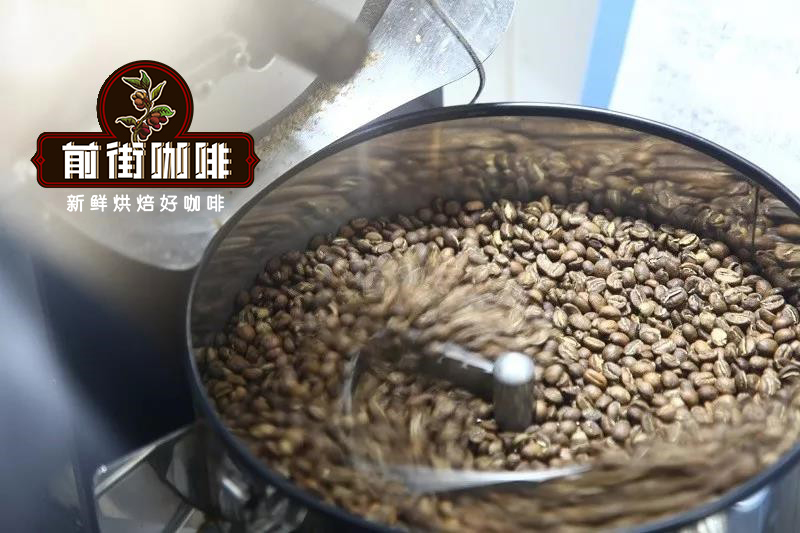
During the coffee roasting process, there is a crucial stage known as “first crack.” This occurs when internal steam and carbon dioxide build up to a certain pressure within the bean, causing it to crack and release. The arrival of first crack signifies that the beans have entered a key phase of flavor transformation. If the beans are dropped immediately after the first crack is heard, the coffee usually retains distinct acidity, resulting in a brighter and more refreshing taste, though potentially overly sharp. If the roast is extended until the first crack becomes more intense (dense first crack), the acidity gradually softens and blends with sweetness, forming a more balanced flavor—this is a typical characteristic of medium roasting.
Medium roasting can be further subdivided into medium-light and medium-dark roasts, both of which show significant differences in flavor expression and can be clearly distinguished in the final cup profile.
Medium-light roasted coffee typically showcases livelier fruit acidity and clear floral notes. Common flavor descriptions include ripe red fruits such as cherries and berries, as well as exotic flavors like passionfruit and raisins, and even subtle notes of fermentation and deep floral aromas. This type of coffee suits drinkers who enjoy bright and refreshing profiles or prefer fruit-forward flavors, and it is also the top choice for many pour over enthusiasts. To bring out the fruit acidity and aromatic layers of medium-light roasts, higher water temperatures and medium grind sizes are recommended.
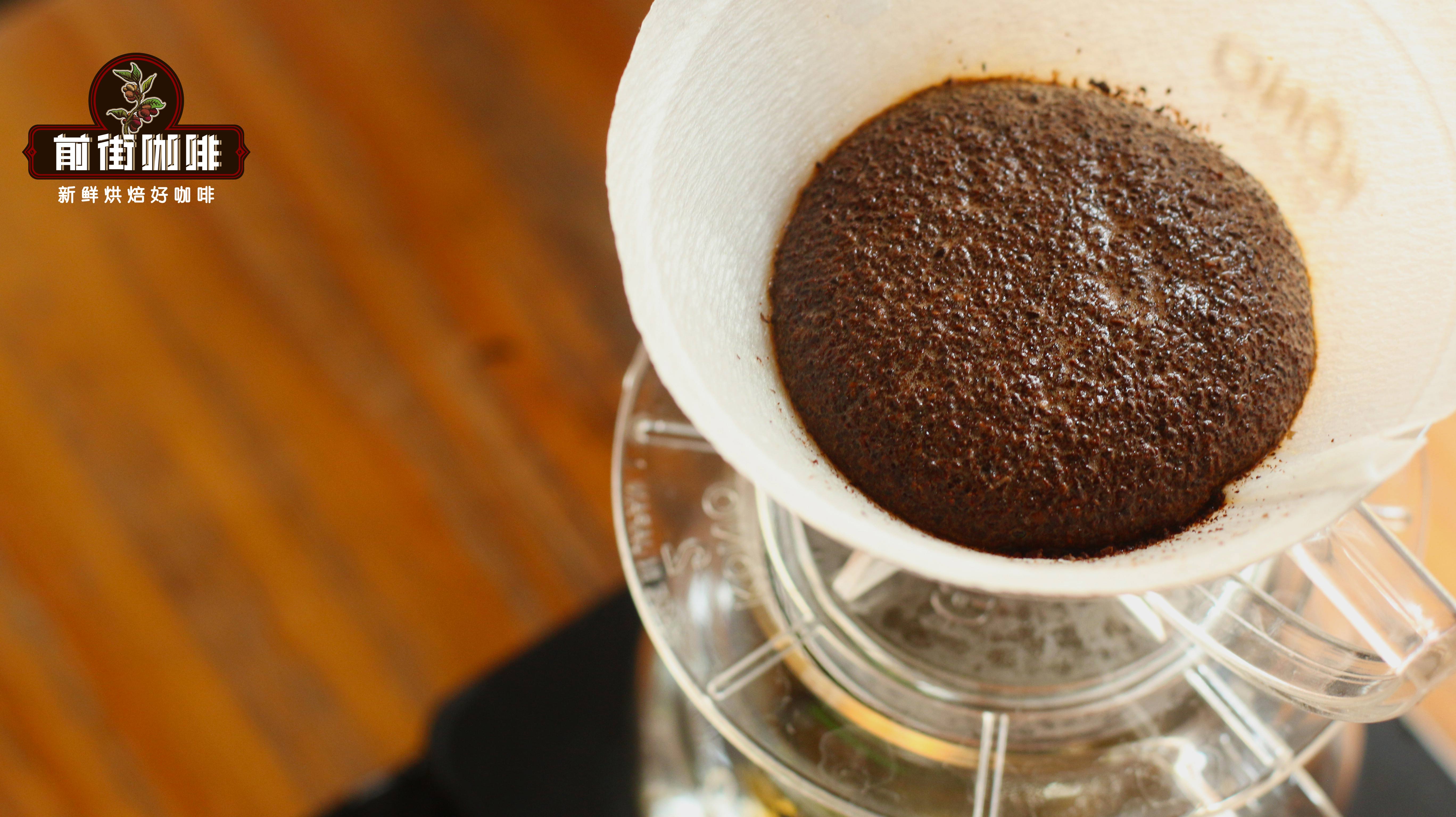
If you prefer a more grounded, full-bodied taste, medium-dark roasting may be a better option. These coffees often exude aromas of nuts, cream, caramel, and even dark chocolate, with less noticeable acidity but a softer sweetness and rich body. This roast level is ideal for those who enjoy bold flavors or commonly use extraction methods like the French press or AeroPress. During brewing, it is advisable to slightly lower the water temperature and extend the extraction time to balance the inherent richness of the brew.
In summary, when selecting coffee beans, it’s important to consider not only origin and variety, but also roast level, which is a crucial reference for the final flavor presentation. Whether you’re pursuing bright fruit acidity, rich sweetness, or a balanced profile in between, you can find the most suitable option among the three roast types: light, medium, and dark. Mastering this basic knowledge not only helps you choose coffee beans more wisely, but also allows you to adjust brewing parameters according to the roast characteristics of the beans, further enhancing the overall flavor performance of your coffee.
The above content is compiled by CoffeeHunters, a coffee news website.


