







Introduction:Delve into how Panama’s Finca Geisha transitioned from dairy farming to becoming a leading name in specialty coffee, and uncover the discovery and grading secrets of the legendary Gesha variety. This article details the rigorous selection criteria for Red and Green Label Gesha, explores the unique characteristics of their growing regions, and outlines their flavor profiles. It also provides expert pour over recommendations and brewing parameters to help coffee enthusiasts fully experience Gesha’s multi-dimensional taste.
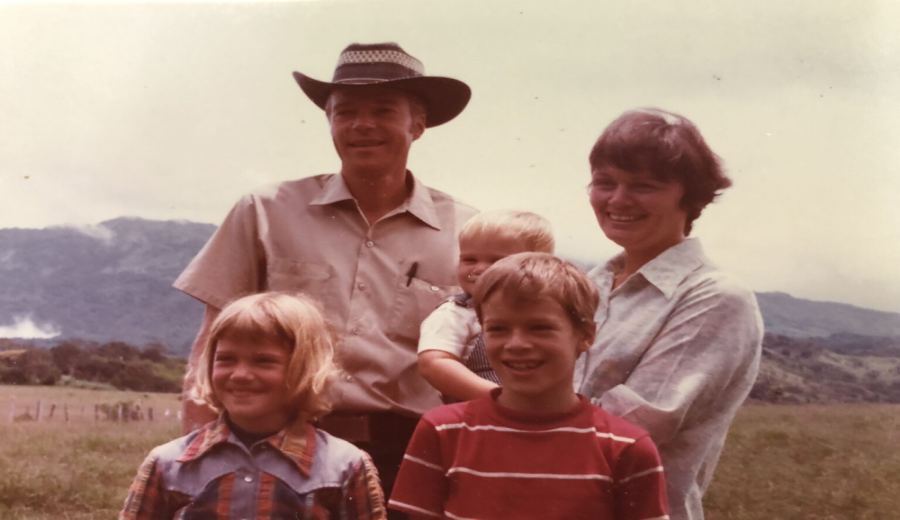
Dating back to 1964, American banker Rudolph Peterson chose to start a new life in Boquete, Panama. He purchased a local ranch and named it Finca Geisha, initially focusing on dairy products and livestock. It wasn’t until his son Price gave up his medical career to return home that the farm gradually shifted its focus to coffee cultivation. In 1987, Price introduced the Caturra and Catuai varieties, and by 1994 had established a washed processing facility, marking the official beginning of independent coffee processing. In 1996, they further acquired the neighboring, highly promising Jaramillo plot, laying the groundwork for the eventual discovery of Gesha.
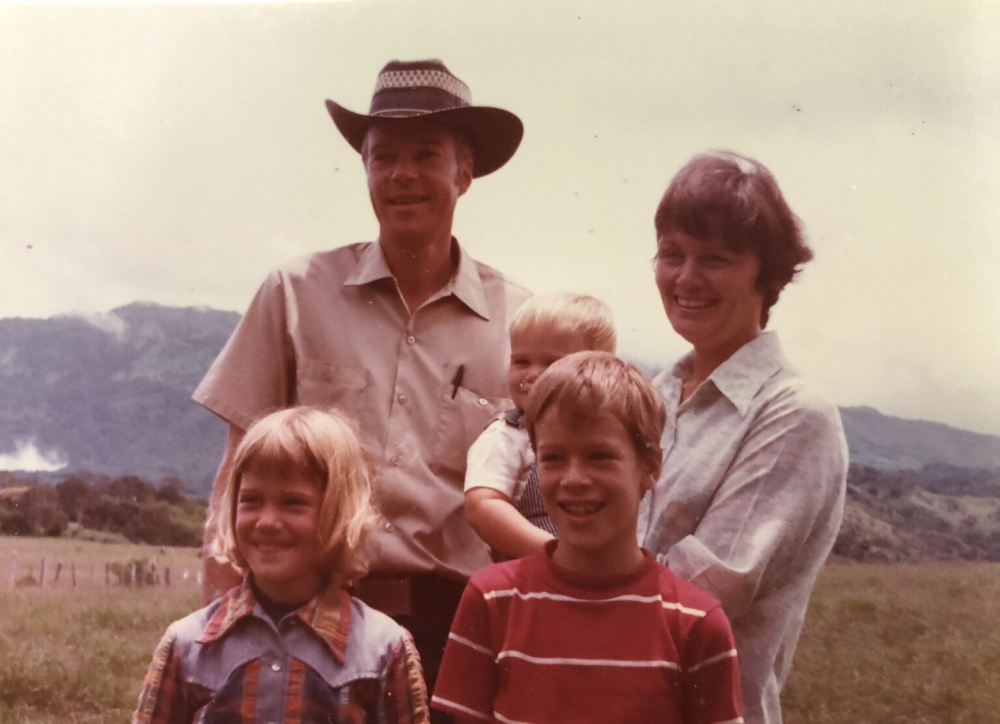
According to records, the Peterson family was drawn to Jaramillo at the time primarily because of its high-altitude slopes and a history of excellent coffee cultivation. However, when his younger son Daniel Peterson took over management, he noticed that some coffee trees in the plantation appeared neglected—not only were the plants sparse, but the branches were also thin and weak. At the time, consultant Mr. Don Pachi immediately recognized that these were actually seedlings he had brought back from Costa Rica thirty years prior. Due to their demanding growth conditions and low disease resistance, they had long been heavily culled by local farmers.
Daniel decided to transplant these surviving plants to even higher altitudes and devoted himself to mastering coffee cupping techniques. After years of effort, these coffee trees eventually produced the Gesha variety that would later stun the world. In 2004, these beans made their first appearance in Panama’s Best Coffee Competition (BOP) and won the championship with astonishing cupping scores. Later, professional institutions confirmed that they were the original Ethiopian Gesha variety. Since then, Finca Geisha has invested significant resources into precise sorting and meticulous processing, creating the now widely acclaimed Red and Green Label Gesha.
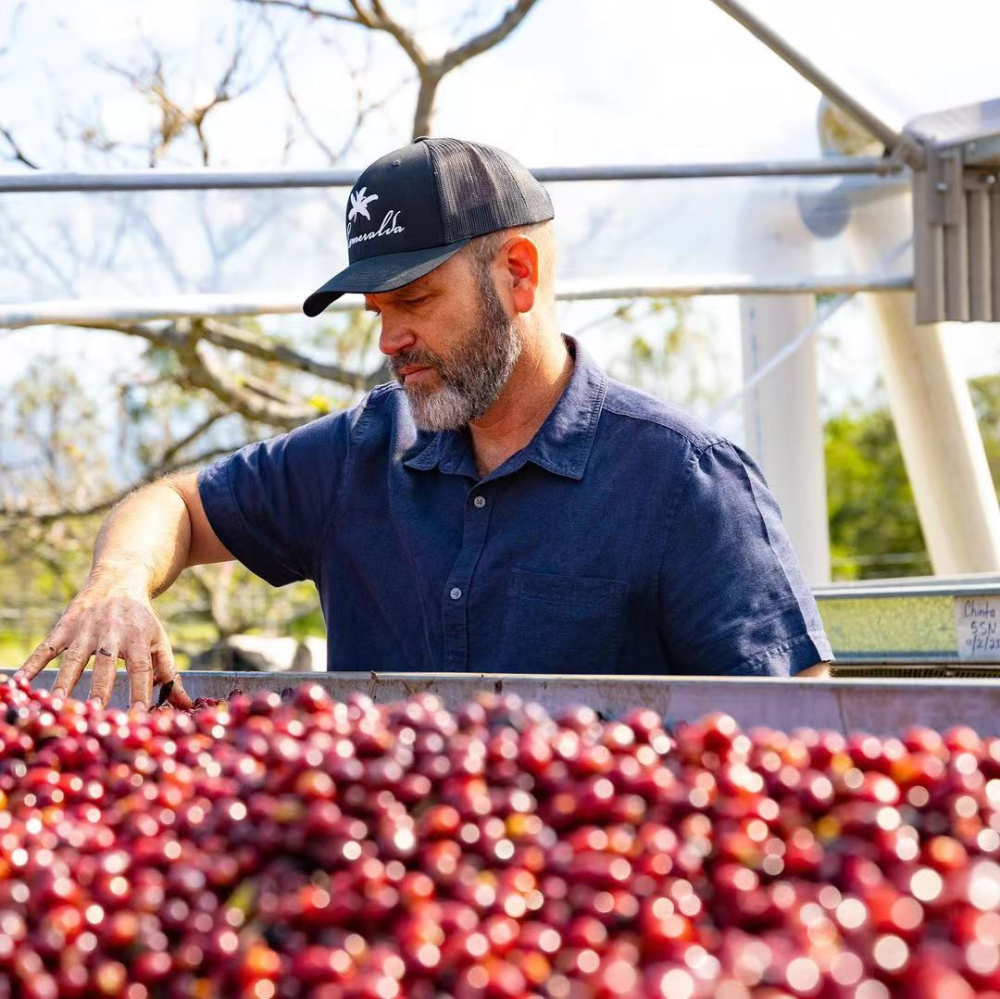
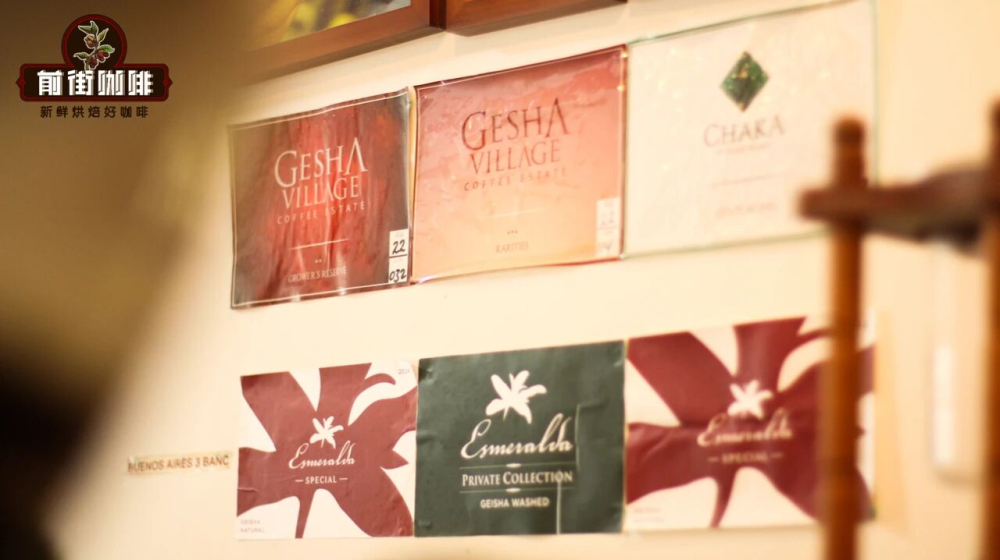
Finca Geisha’s Red Label Gesha represents the pinnacle of the farm’s top-tier series. These beans are selected exclusively from the high-altitude Jaramillo and Cañas Verdes regions, grown at elevations between 1600 and 1800 meters, and must achieve a cupping score of 90 or above. More importantly, these beans must go through the farm’s exclusive auction process—only lots that successfully win the bid qualify for the Red Label designation. It’s worth noting that there are also non-auction Red Label Gesha beans on the market. Although they come from the same regions, since they did not go through the auction process, their prices are relatively more affordable, yet they still maintain similar quality and flavor characteristics.
The selected Red Label Gesha · Finca Geisha beans are grown in the Mario plot in the Boquete region, cultivated at an altitude of about 1600–1700 meters, and processed using the natural (sun-dried) method. Their flavor profile showcases bright citrus notes, rich complex fruit aromas, accompanied by the elegance of rose tea and the sweet, lingering finish of honey. The mouthfeel is full-bodied and layered.
Green Label Gesha, also known as the Private Collection series, while not part of the independent auction lots, also comes from high-altitude micro-lots at elevations ranging from 1600 to 1800 meters, covering diverse plots such as Jaramillo and Cañas Verdes. Though slightly lower in grade than the Red Label, Green Label Gesha still retains the Gesha variety’s distinctive floral and fruity notes, clear citrus acidity, and juicy mouthfeel. It is considered the most cost-effective option among the three labeled versions.
The produced Green Label Gesha coffee beans (Finca Geisha) are also from the Boquete region, grown at an altitude of about 1600–1700 meters, and processed using the natural (sun-dried) method. Its flavor profile leads with the fragrance of jasmine, blending citrus, honeydew, berries, and other complex notes, with a creamy and green tea softness in the aftertaste. The overall flavor profile is rich and well-balanced.
To fully experience the delicate layers of Gesha, using freshly roasted beans is crucial. A certain brand adheres to the philosophy of “freshly roasted great coffee,” ensuring all shipped beans reach customers within five days of roasting to guarantee peak flavor.
It is recommended to use a Hario V60 dripper for pour over brewing, with water temperature controlled at 90°C. The suggested coffee dose is 15 grams, using a 1:15 coffee-to-water ratio, with a medium-fine grind size, approximately equivalent to 80% extraction through a Chinese standard No. 20 sieve. For specific operation, you can follow this step-by-step extraction process: First, pour 30 grams of hot water for a 30-second bloom, then continue pouring in a slow circular motion until you reach 125 grams, pause when the liquid level drops slightly and the coffee bed begins to show, then pour again up to 225 grams before stopping. The total brewing time is about 2 minutes.
·Finca Red Label Gesha coffee is characterized by its distinct rose and citrus aromas, complemented by complex fruit notes such as brown rice, berries, and apricots, ending with a honey-like sweetness and a juice-like full body. Its layers are rich and the aftertaste lingers. ·Finca Green Label Gesha coffee, on the other hand, leads with jasmine floral notes, boasts elegant sweetness, and blends elements such as orange, berries, juice sensation, cream, green tea, orange peel, and cantaloupe. The overall flavor is balanced, and the long-lasting floral and fruity aftertaste is unforgettable.
The above content is compiled by CoffeeHunters, a coffee news website.


