







Introduction:Brew time is a critical parameter in pour over coffee that should not be overlooked, as it directly impacts the strength and complexity of the final flavor. So, how long is the ideal brew time? How do coffee dosage and pouring technique affect the overall duration? This article delves into the standard extraction window for a 15g coffee dose, analyzes how different dosages and multiple pours influence timing, and teaches you how to use brew time to assess whether your parameters are properly set—helping you master pour over skills more scientifically.
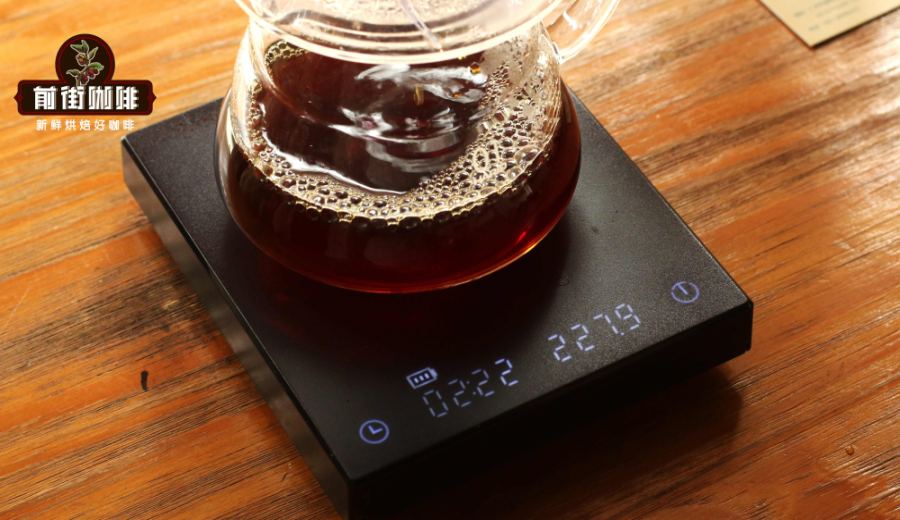
During the pour over process, many coffee enthusiasts use electronic scales with timers to assist in brewing. Some may wonder, what’s the practical significance of recording brew time? In fact, this number not only helps us manage the rhythm of brewing but also serves as an important basis for evaluating coffee flavor performance. Simply put, overly long brew times can lead to over-extracted, overly bitter coffee, while too short a time may result in weak, one-dimensional flavors lacking depth.
It’s worth noting that brew time is not a variable that can be controlled in isolation—it is influenced by multiple factors such as coffee dosage, grind size, water flow rate, and pouring technique, making it a "passive parameter." Therefore, understanding how these factors relate to time can help us adjust our overall brewing strategy more precisely.
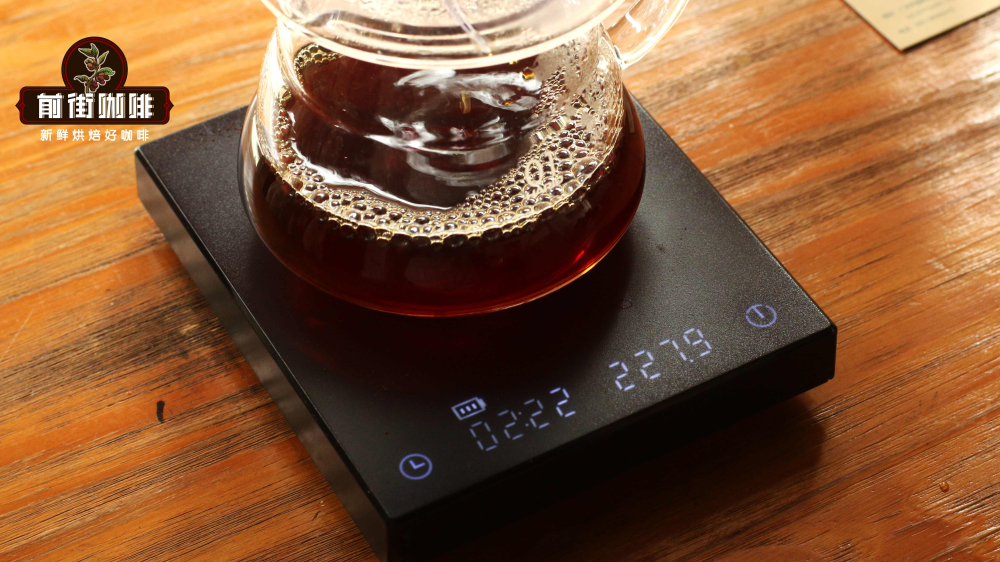
Taking the common 15g coffee dose as an example, the brew time for this amount typically falls around 2 minutes, which is considered a reasonable range recognized by most pour over enthusiasts and professional baristas. When you increase the dose, such as using 20g of coffee, the bed depth becomes thicker and the total water volume increases accordingly, so the time required for water to pass through the coffee bed naturally extends. The brew time usually falls between 2:10 and 2:50, which is normal.
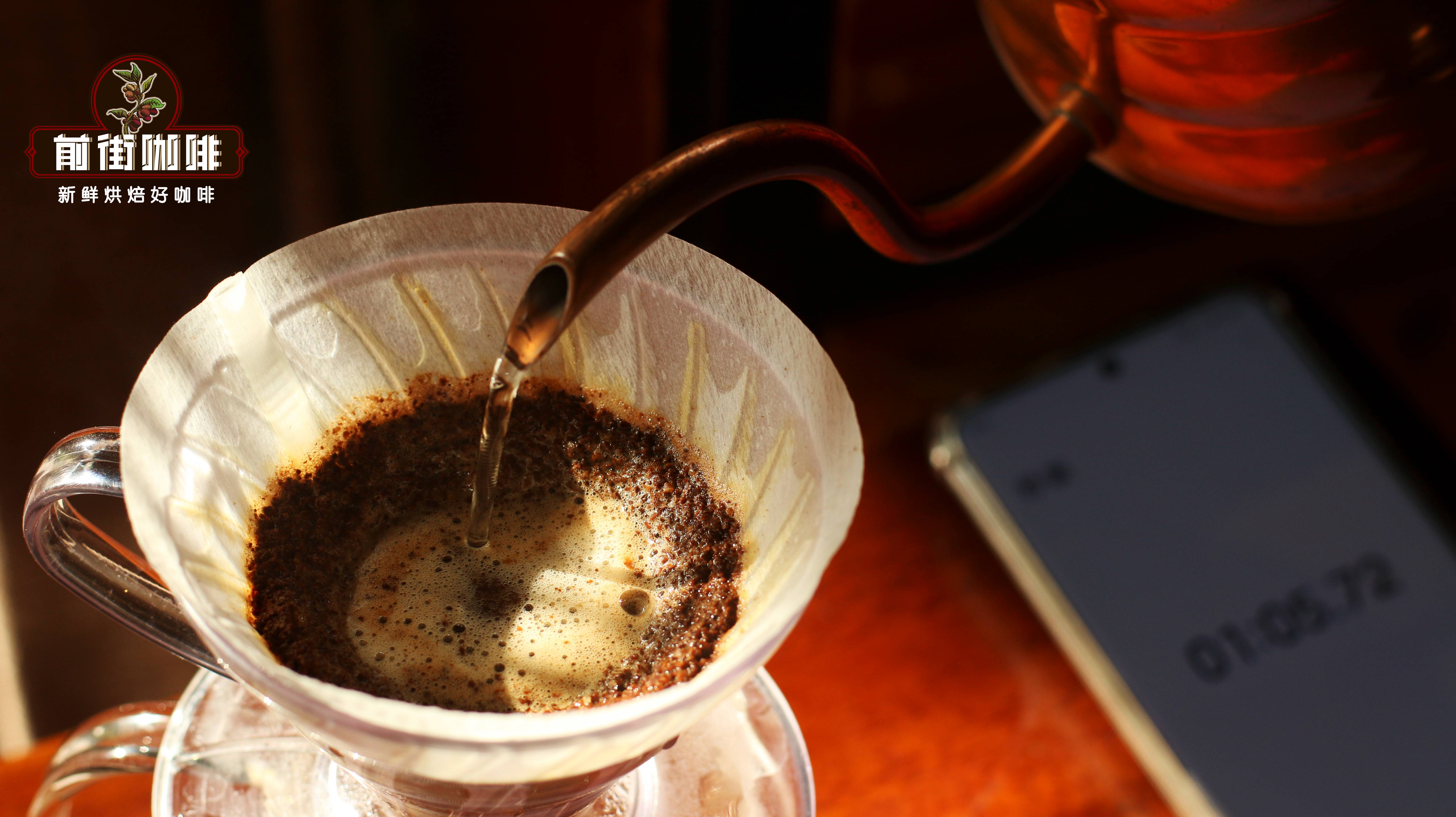
In addition, pouring technique can also significantly affect overall brew time. Some may notice that even when following recommended parameters, the dripping time ends up longer than expected—for instance, when it’s supposed to finish in 2 minutes but takes 2:30 or even longer. This is often due to using a multi-pour method. The more pour stages there are, the longer the water is in contact with the coffee grounds, which helps extract flavor compounds more thoroughly, resulting in a coffee with more pronounced layers and body.
Conversely, if you choose a “single pour” method where all the water is added at once, although it’s simpler to execute, the brew time is often shorter, generally ranging from 1:40 to 2:10. While this technique can preserve the coffee’s bright acidity, improper control may also lead to under-extraction.
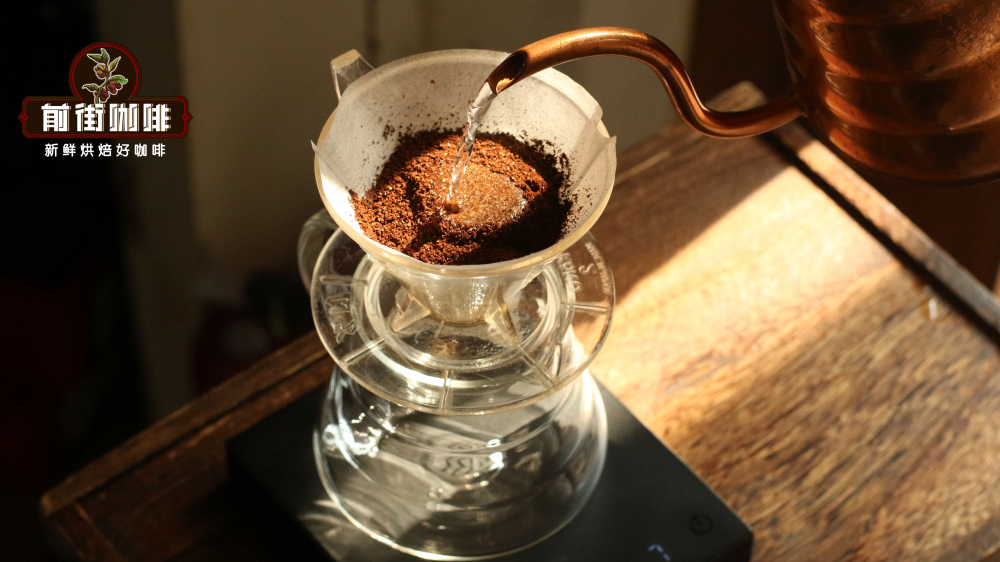
Since brew time is constrained by multiple variables, we can’t “directly set” the time. Instead, we need to indirectly influence it by adjusting other parameters. For example, if you find that the brew is too fast and the time too short, resulting in a flat-tasting coffee, you can try grinding finer, reducing the pouring water flow rate, or increasing the number of pour stages. These adjustments can effectively extend the brew time and thus improve flavor performance.
On the other hand, if the brew time is too long and the coffee exhibits noticeable bitterness or overly intense flavors, you may need to adjust by using a coarser grind, increasing the pouring speed, or reducing the coffee dose to shorten the time water spends passing through the coffee bed. Mastering these adjustment techniques allows you to respond flexibly based on actual conditions and brew coffee that better suits your taste.
It’s also worth mentioning that observing brew time is one of the key indicators for verifying whether a brewing guide or recipe suits you. For example, for Ethiopian Yirgacheffe coffee beans, many experienced baristas recommend a standard brew time of 2 minutes. This bean is known for its bright citrus notes and floral aromas. Completing the extraction within the appropriate time can fully showcase its delicate fruit acids and layered fragrances.
In summary, although brew time cannot be directly manipulated, it serves as a mirror reflecting the combined impact of overall brewing parameters. From coffee dosage and grind size to pouring technique and the number of pour stages, these factors are interconnected and together determine the final coffee outcome. By observing and recording the time of each brew, you can gain deeper insight into your own brewing habits, further optimize the process, and produce coffee with richer flavor layers and better balance.
The above content is compiled by CoffeeHunters, a coffee news website.


