







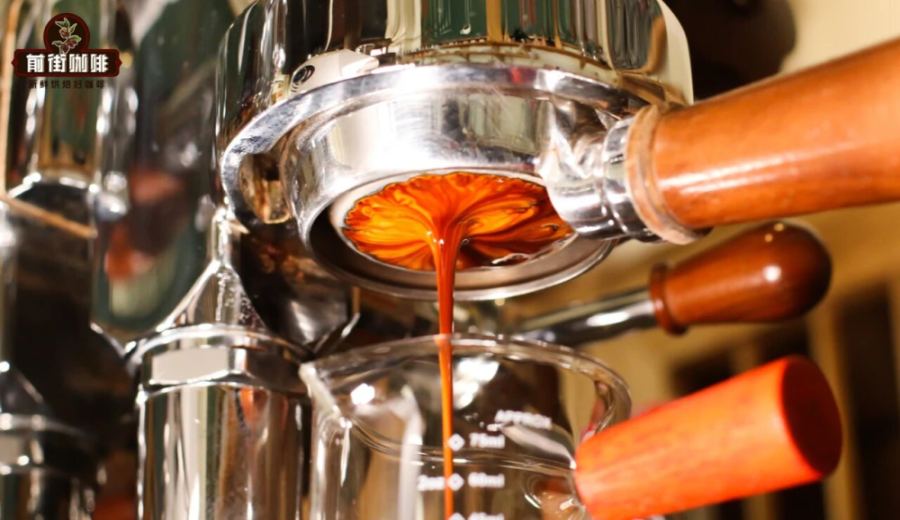
Introduction:Water temperature is one of the key factors that influence the flavor of espresso, yet it is often overlooked. This article delves into how water temperature affects extraction flow rate and crema performance, thereby shaping the overall flavor profile of the coffee. From analyzing the pros and cons of high and low temperature extractions to demystifying the difference between boiler temperature and actual extraction temperature, and incorporating experimental data, we offer optimal water temperature recommendations for different coffee-to-water ratios to help you master the essence of espresso extraction.
When discussing espresso extraction, many coffee enthusiasts tend to focus on grind size, dose, ratio, and pressure, yet they easily overlook another equally critical variable—water temperature. In fact, water temperature not only dictates the direction of the coffee’s flavor, but also directly affects the extraction flow rate. There can even be a discrepancy between the boiler-displayed temperature and the actual temperature of the water that contacts the coffee grounds. This article will start from basic principles, systematically analyze the mechanism by which water temperature affects espresso extraction, explore the advantages and disadvantages of high and low temperature extractions, and use experimental data to illustrate how to choose the most suitable water temperature range under different dose settings.
The water temperature setting range of modern espresso machines typically falls between 85 to 95 degrees Celsius, with some models presetting to the higher temperature range of 92 to 96 degrees. For users familiar with pour over brewing, the relationship between water temperature and extraction efficiency is nothing new: the higher the temperature, the faster the extraction rate, and the richer the range of soluble flavor compounds; conversely, lower temperatures suppress extraction, resulting in a thinner flavor profile. This principle applies equally to espresso extraction. If the water temperature is set too high, it can easily lead to burnt bitterness and woody notes, but high temperatures also help produce a thicker crema. The intense bitterness commonly found in traditional espresso, aside from being a characteristic of dark roasts, is also significantly influenced by high-temperature extraction. Such extractions usually need to be kept within 20 to 25 seconds to avoid over-extraction, which can result in burnt and woody flavors.
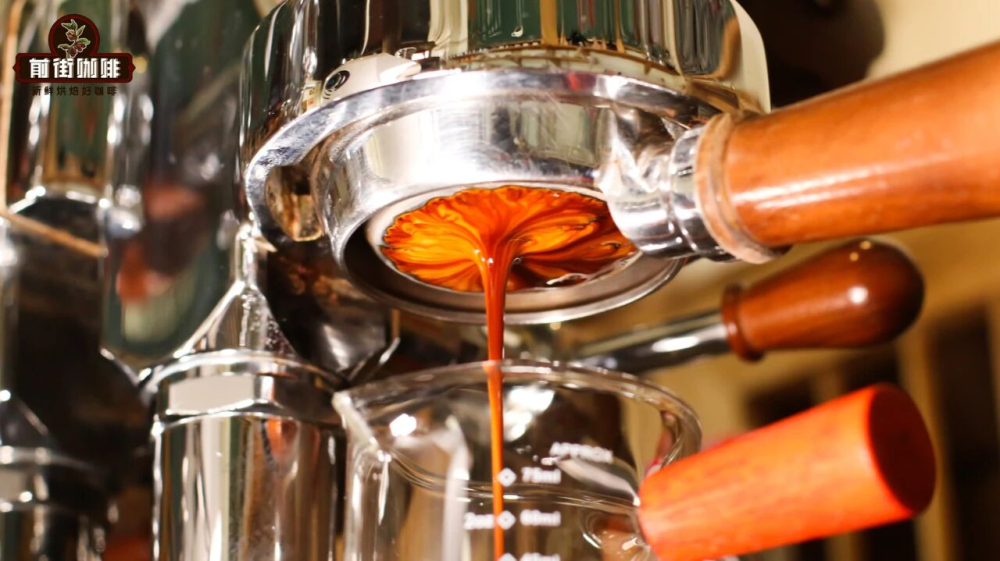
On the other hand, when the water temperature is too low, the resulting espresso often exhibits excessive acidity, and the crema layer is noticeably thinner. This is precisely why mainstream espresso machines rarely set temperatures below 92 degrees Celsius. Changes in water temperature also directly affect the extraction flow rate: in higher temperature environments, the flow of coffee liquid tends to be slower because heat causes the coffee puck to rapidly expand and release internal gases. These gases temporarily impede water flow until they are compressed into the crema and expelled, after which the flow gradually stabilizes. The higher the temperature, the more bubbles are generated, and the greater the resistance to water flow.
Conversely, under low temperature conditions, the flow rate of the coffee liquid will significantly increase. An extreme example is when the espresso machine has just been turned on, and the boiler has not yet reached a stable temperature—the extraction head’s water temperature may be as low as around 60 degrees Celsius. Extracting under such conditions will drastically shorten the flow time, causing the coffee to pour out quickly. Similar situations are also common in espresso machines with small boilers, where after intense continuous use, the boiler’s temperature fails to recover promptly after refilling, leading to an increasingly faster and less stable extraction flow.
It is worth noting that the water temperature set by the user is not equivalent to the actual temperature of the water contacting the coffee grounds during extraction. The temperature regulated by the espresso machine is that of the water inside the boiler, and as the water flows from the boiler to the portafilter, it passes through components such as the shower screen and the basket. If more than 10 minutes have passed since the last extraction, residual heat in the shower screen may cause the initial water temperature to be higher than the boiler’s set value. To avoid this, it is recommended to briefly open the extraction switch and release a small amount of hot water before locking in the portafilter, in order to reduce the shower screen temperature and bring the water flow closer to the intended setting.
Additionally, the temperature of the portafilter itself can also affect the initial extraction temperature. If the portafilter is at room temperature, it will absorb some heat upon contact with the hot water, resulting in an actual extraction temperature lower than the preset value. Therefore, preheating the portafilter before dosing is a necessary step, similar to preheating the filter in pour over brewing. Although some users choose to leave the portafilter locked onto the group head when not in use to maintain temperature, this practice may lead to uneven heat accumulation, which can negatively impact subsequent extraction stability. Careful evaluation is needed in actual operation.
So, what is the most suitable water temperature range for daily espresso extraction? Referring to the hypothetical experiment in “The Science of Espresso Extraction”: Italian baristas typically use water temperatures between 85 to 91 degrees Celsius, while American baristas prefer the higher range of 92 to 96 degrees. This difference mainly stems from the varying coffee-to-water ratios commonly used in the two regions—Italy’s standard is 7 grams of coffee to produce 1 ounce of espresso, whereas the U.S. generally uses 18 to 21 grams of coffee for extraction.
Through theoretical calculation, we can further understand this phenomenon: when 30 grams of water at 88 degrees Celsius mixes with 7 grams of coffee grounds at 27 degrees, and when 38 grams of water at 95.3 degrees mixes with 21 grams of coffee grounds at 26.7 degrees, the final mixed temperatures of both scenarios are approximately 82.8 degrees Celsius. Although this is a hypothetical scenario, it reveals a key fact: coffee grounds absorb heat, and the more coffee used, the more significant the heat absorption effect. To achieve the desired extraction temperature, the boiler’s preset water temperature must be increased accordingly.
For the currently common method of using larger coffee doses (similar to the U.S. baristas’ typical ratio), to ensure stable temperature and flavor performance during extraction, it is recommended to set the water temperature between 92 to 96 degrees Celsius. This helps fully realize the coffee’s potential while balancing extraction efficiency and flavor complexity.
The above content is compiled by CoffeeHunters, a coffee news website.


