








Introduction:Have you ever wondered what the small hole on a coffee bag is for? In fact, it’s a “one-way degassing valve,” primarily designed to release the carbon dioxide emitted by freshly roasted coffee beans, preventing the packaging from bursting while also stopping oxygen from entering and causing flavor loss. This article delves into how this tiny device works, explains why freshly roasted coffee beans may not exhibit strong aromas initially, and why it’s not recommended to frequently squeeze the coffee bag to smell the aroma—doing so might actually accelerate flavor dissipation.
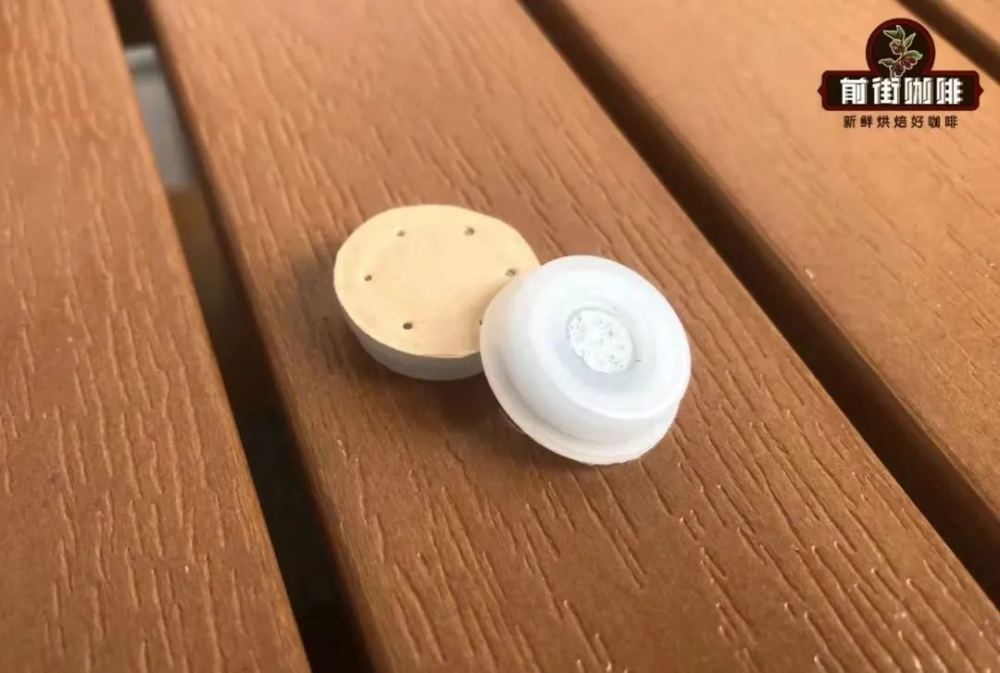
Many people, upon receiving freshly roasted coffee beans, often notice a small hole on the coffee bag. Some assume it’s designed for smelling the aroma, but its official name is the “one-way degassing valve.” This unassuming little component actually serves two important purposes: first, it allows the carbon dioxide produced during the roasting process to escape, preventing the packaging from rupturing due to excessive internal pressure; second, it blocks outside air from entering, thereby reducing the beans’ exposure to oxygen and slowing down oxidation, thus preserving their freshness.
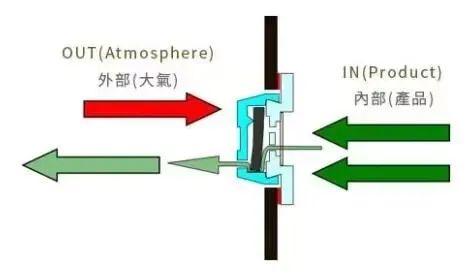
The working principle of the one-way degassing valve is actually quite simple: it only permits gas to exit the bag, not to re-enter from the outside. When coffee beans have just been roasted, they accumulate a large amount of carbon dioxide inside, which continues to be released over the following days. Without a degassing valve, this gas would have nowhere to go and would continue to build up inside the packaging, eventually causing the coffee bag to burst—not only affecting its appearance but also potentially exposing the beans to air prematurely, leading to spoilage.

When the carbon dioxide inside the bag accumulates to a certain level and exceeds the external atmospheric pressure, the one-way valve automatically opens to let the gas escape. Once the internal and external pressures equalize, the valve closes again. This process ensures that the coffee bag won’t rupture due to excessive internal pressure and maintains a relatively stable environment inside the bag, reducing the chance of oxygen infiltration and further helping the coffee beans stay fresh.
Some people enjoy squeezing the coffee bag to smell the aroma, believing this allows them to experience the beans’ truest flavors. However, this action is based on a common misconception. When you squeeze the bag, you’re not just releasing carbon dioxide—you’re also letting out some volatile aromatic molecules, which is why the aroma seems particularly strong after squeezing. Yet, this very action accelerates the loss of aroma, and over time, it can diminish some of the coffee’s intended flavor profile.
Interestingly, freshly roasted coffee beans, being full of carbon dioxide, have these gases suppress the release of aromatic compounds. So even if you open a bag of freshly roasted coffee, you might not detect much of the enticing aroma—in fact, you may notice a strong roasty smell instead. This is why many roasters recommend letting freshly roasted beans rest for several days before brewing, allowing them to “degas,” release excess carbon dioxide, and let the flavor compounds stabilize. Only then can you brew a cup with richer taste and complexity.
Generally speaking, the first four days after roasting are when coffee beans release the most carbon dioxide. During this period, frequently squeezing the bag may allow you to smell a stronger aroma, but it also causes some volatile compounds to escape along with the gas. Once these aromatic molecules are released, they rarely return to the beans, so excessive squeezing actually wastes the coffee’s potential flavor.
Additionally, there’s one more thing worth noting:when the coffee bag remains unopened, frequent squeezing can actually interfere with the normal degassing process. When the internal gas reaches a certain saturation level, the beans’ natural degassing rate will gradually slow down, which helps extend the shelf life of the flavors. But if you manually squeeze out the gas, causing a sudden drop in internal pressure, the beans will accelerate carbon dioxide release to rebalance the pressure—and in doing so, a large amount of aromatic compounds will also be lost.
In summary, the one-way degassing valve on a coffee bag truly serves to maintain the quality and freshness of the beans, rather than providing a shortcut to smelling their aroma. Understanding the function of this small device allows us to store coffee beans more scientifically and avoid unintentional actions that could compromise the final brewing experience. The next time you pick up a coffee bag, take a moment to appreciate the thoughtful design behind that tiny hole—you might just develop a deeper appreciation and respect for the coffee in your hands.
The above content is compiled by CoffeeHunters, a coffee news website.


