







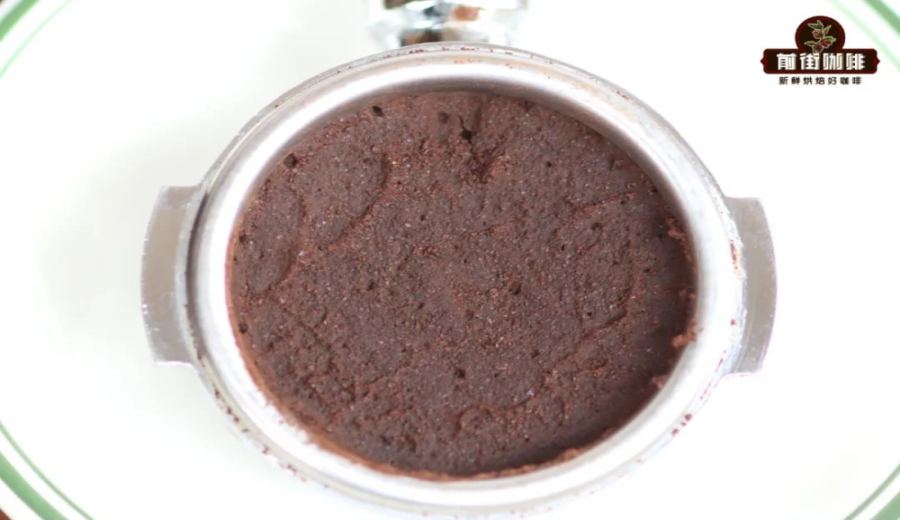
Introduction:Brewing a high-quality espresso isn't just about the moment extraction begins — it's what you do before you lock in the portafilter. The seemingly simple steps of dosing distribution (distributing the coffee grounds) and tamping are actually the foundation for ensuring a stable coffee puck structure and even water flow. This article takes an in-depth look at the full process from receiving the coffee grounds to distributing and tamping them, compares manual methods with the use of distribution tools, and offers practical tips for avoiding channeling, so you can brew balanced espresso at home.
To extract a well-balanced shot of espresso, the real work begins long before you press the brew button. Distribution and tamping, as two crucial steps in the preparation phase, determine whether the coffee grounds can remain stable under 9 bars of pressure, avoid channeling, and ensure the final extraction quality.
Channeling refers to the phenomenon where hot water finds the path of least resistance through the coffee bed, leading to over-extraction in some areas and under-extraction in others. The result is an imbalanced and unpleasant-tasting shot. To prevent this, the key lies in achieving an even distribution of coffee grounds and sufficient tamping pressure.
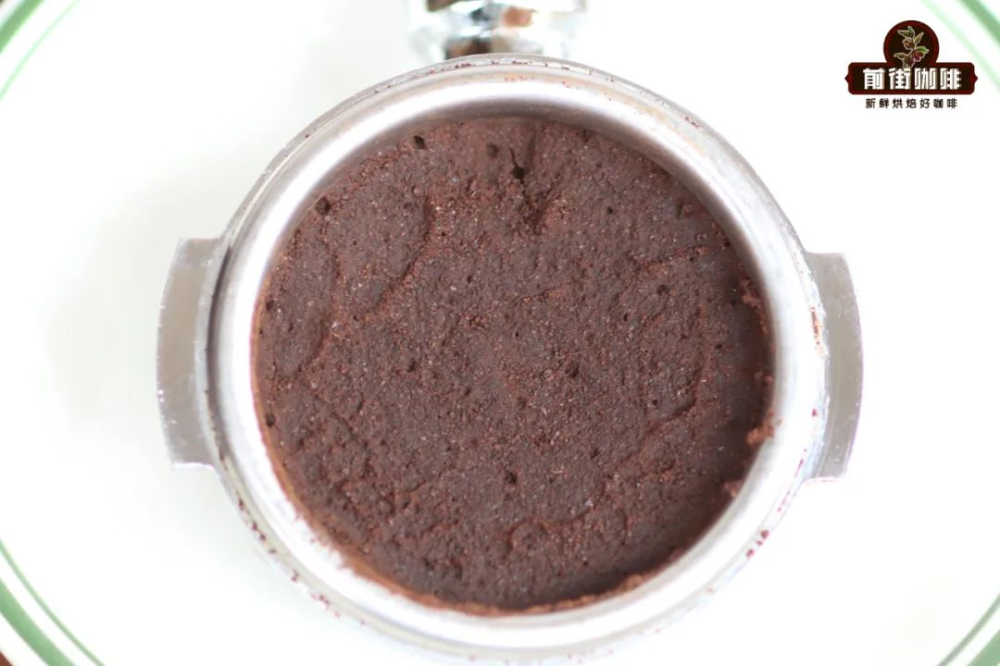
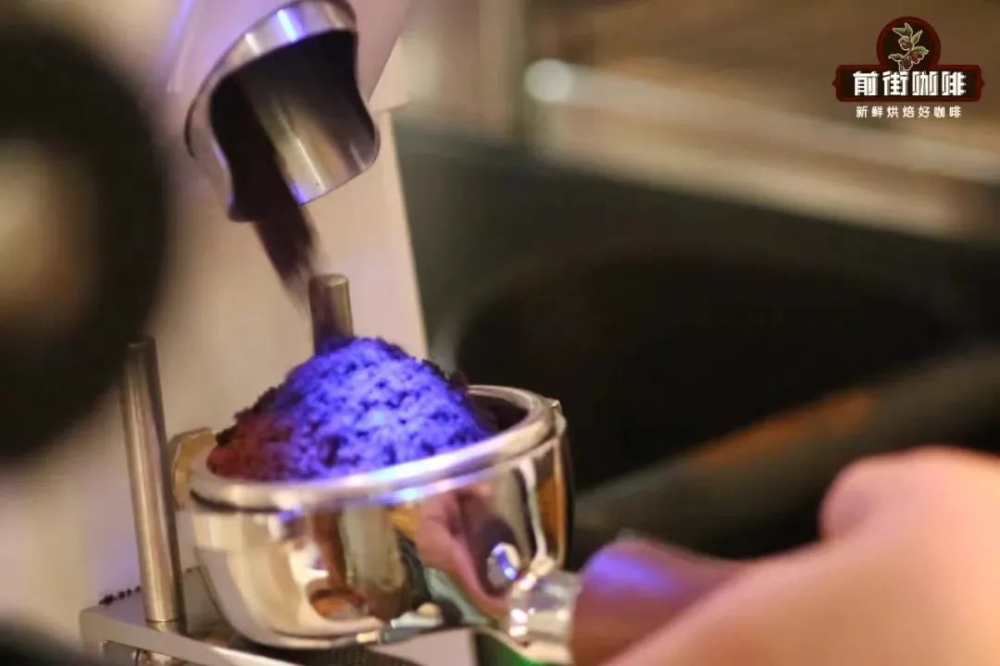
Many may assume that brewing starts when you press the machine’s brew button, but in fact, every action before that is critical. Receiving the coffee grounds — the very first step of the process — already lays the groundwork for subsequent distribution and tamping. Ideally, when the coffee grounds naturally fall into the portafilter basket, they should form a slight “mound” in the center. If the surface is uneven, you can gently tap the lower side to level it out. However, it’s not recommended to knock the portafilter against a table to flatten the grounds, as the resulting vibration may compact the coffee too much, making even distribution more difficult later on.
There are two main methods for distributing coffee grounds: manual distribution and using a distribution tool. Manual distribution involves using your index finger and the base of your palm (the "thenar" area) to spread the coffee grounds evenly across the basket, filling in any gaps. It’s important to keep the movement horizontal and avoid applying downward pressure. While this method allows for effective control over the distribution, it has a steeper learning curve for beginners — poor technique can easily lead to uneven layers. In contrast, using a distribution tool is a simpler and more consistent option. Simply place the distributor vertically over the basket and rotate it a few times in one direction to quickly achieve an even spread. That said, distributors also have limitations — they mainly affect the surface layer of the coffee, which may look even, but the uniformity beneath the surface might still vary.
Tamping is the final step in ensuring the structural stability of the coffee puck, and it’s also where mistakes are most likely to happen. Common issues include uneven tamping, often caused by poor posture or incorrect force application. The standard tamping technique is as follows: place your thumb and index finger lightly on either side of the tamper, grip the handle with your other three fingers, and rest the heel of your palm on the top of the handle. Keep your arm vertical and apply downward force through the heel of your hand, while using your thumb and index finger to sense any thickness differences on either side of the basket. This motion takes practice to master, but once you get the hang of it, you’ll be able to feel whether the coffee’s grind size and dose are appropriate the moment you tamp.
In summary, each step — from receiving the coffee grounds to distributing and tamping them — is closely linked and directly impacts the final extraction quality. Mastering these basic techniques will not only help you avoid channeling, but also allow you to consistently brew espresso with depth and balance using your home espresso machine.
The above content is compiled by CoffeeHunters, a coffee news website.


