








Introduction:The floral aroma in coffee is considered a high-level flavor attribute, commonly found in light to medium roasted specialty beans. This article delves into the mechanisms behind floral flavors, analyzes how roast levels affect the retention of aromatic compounds, and offers practical tips for identifying key floral notes such as fresh, delicate, and muted florals. Key visual indicators are also preserved to help readers more accurately capture aromatic details during pour over or drip brewing.
What makes a cup of coffee so captivating lies in the thousands of volatile and non-volatile compounds it contains. These substances are released through brewing, simultaneously stimulating both olfactory and taste senses. As these components dissolve in hot water—a process we call “extraction”—the final outcome depends on four major factors: bean quality, grind size, water temperature, and contact time.
Among the many conditions that influence flavor, the intrinsic characteristics of the coffee bean itself are paramount, including varietal genetics, roast profile, freshness, and ultimately the brewing method. Among these,varietal selectionoften lays the foundation—most specialty coffees use Arabica beans, which naturally contain a richer array of aromatic compounds and flavor precursors. Roasting not only transforms the raw bean’s components but also directly influences the type and intensity of the aromas produced.
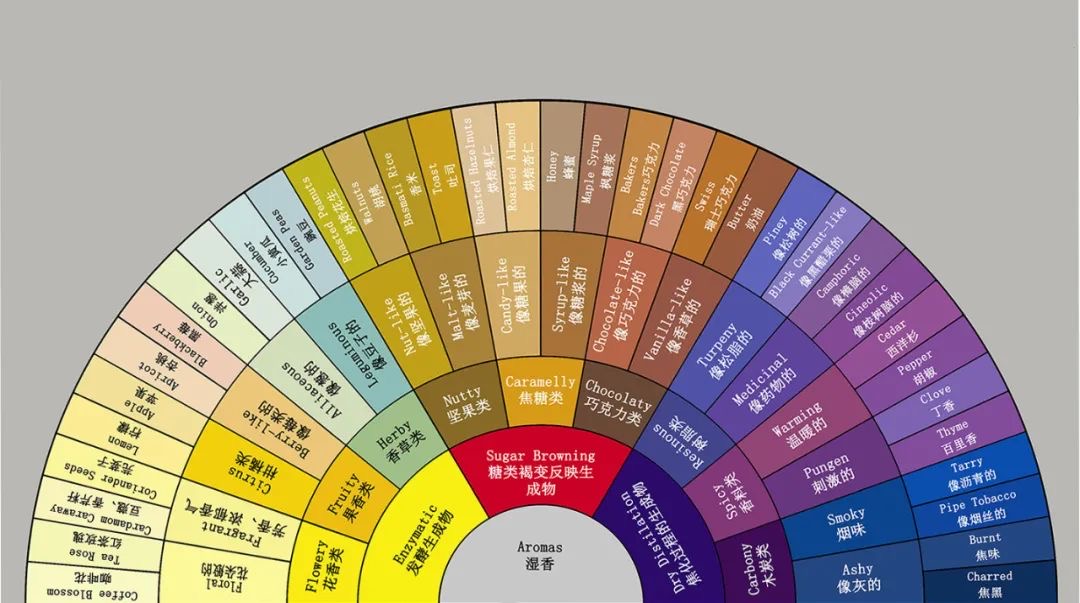
Floral notes, as one of the most sought-after flavor profiles in specialty coffee, arise from a complex interplay of factors, including varietal genetic traits, growing altitude and microclimate, as well as post-harvest processing techniques such as fermentation conditions. However,roast level has a decisive impact on the preservation and expression of floral characteristics. As roast duration increases and temperatures rise, internal chemical reactions intensify within the bean, and many heat-sensitive aromatic molecules are destroyed or transformed, causing delicate floral notes to gradually diminish.
In contrast,light to medium roasts can preserve more of the bean’s native aromatic compounds, resulting in a lighter body and brighter acidity that make floral attributes more noticeable. Such roasts often exhibit high-frequency flavors such as citrus, flowers, or herbs, making them ideal for coffee enthusiasts who enjoy exploring intricate details.

Beyond roast level,the freshness of the coffee bean is equally crucial. Freshly roasted beans retain more volatile aromatic compounds and can deliver a more complete flavor spectrum during brewing. It is recommended to choose beans roasted within five days and to consume them within two to three weeks post-roast for the optimal drinking experience.
During actual tasting,the grinding and blooming stages are often when floral notes are most pronounced. When hot water contacts finely ground coffee, it releases a large amount of gases and aromatic molecules. By carefully sniffing at this stage, one can often detect delicate floral aromas reminiscent of blooming flowers. As brewing progresses, coffee liquid in the mid-to-low temperature range may also present varying layers of aromatic complexity.
Generally speaking, floral notes in coffee can be broadly divided into several tonal categories, including fresh, delicate, and muted florals, each with its own unique olfactory characteristics and suitable brewing methods.

Fresh-type floral notes often manifest as the scents of white or pale green flowers, such as white orchids or gardenias, typically accompanied by a crisp acidity and light mouthfeel. These are best extracted via pour over or drip methods, which fully highlight their nuanced fragrances. Such beans are often processed using the washed method, emphasizing brightness and a clear flavor profile.
Delicate-type florals exhibit softer and more lingering aromas, such as subtle jasmine or gentle rose, sometimes accompanied by fruity or tea-like qualities, giving a relaxing and comforting impression. These floral characteristics may originate from honey processing or specific fermentation techniques, and are suitable for various brewing methods, including cold brew, showcasing evolving aromas across different temperatures.
Muted-type floral notes may carry relatively intense or even slightly powdery characteristics, such as chamomile or osmanthus. The initial impression might be sharp, but upon closer tasting, they often reveal complex layers. Care should be taken with brewing parameters for these aromas to avoid over-extraction that could lead to flavor imbalance. A medium grind and stable water temperature control are recommended to achieve the best expression.
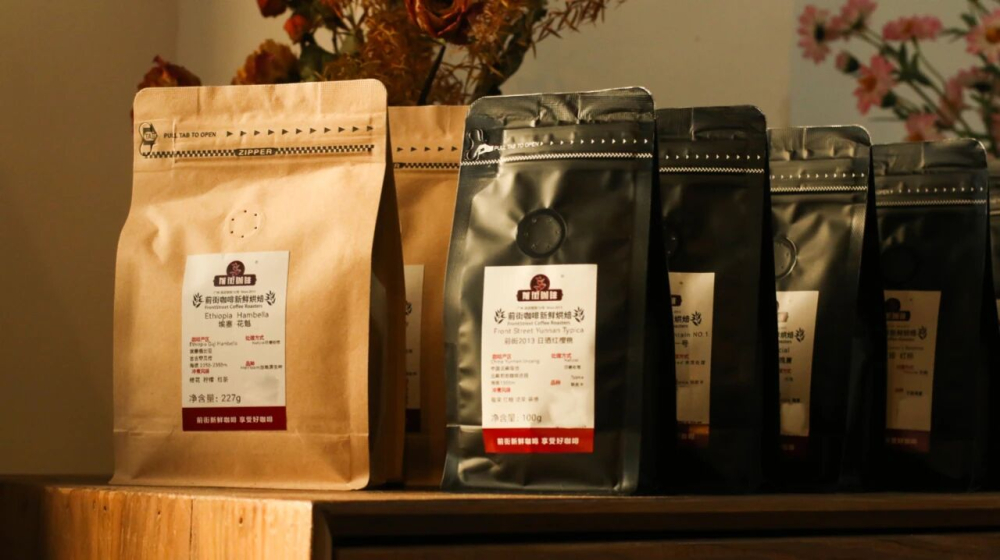
In summary, to fully experience the layered floral notes in coffee,it is recommended to start with specialty beans roasted at light to medium levels, while paying attention to key parameters such as grind size, water temperature, and brewing rhythm. Carefully sniffing during the blooming phase and sipping when the coffee liquid cools to mid-to-low temperatures can help distinguish different floral tonalities. Through continuous experimentation and note-taking, you will be able to more precisely identify and appreciate your preferred floral flavor profiles.
The above content is compiled by CoffeeHunters, a coffee news website.


