







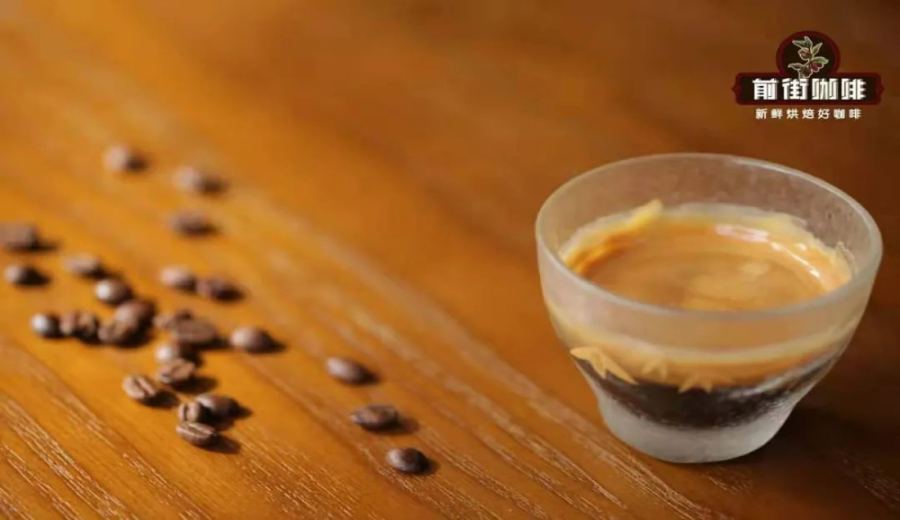
Introduction:Espresso and cold brew represent two extreme brewing methods—one using high temperature and pressure, the other low temperature and slow extraction—resulting in vastly different flavor profiles. This article delves into the production principles, taste differences, and key parameters of both, while also offering practical coffee bean selection tips to address the common issue of excessive acidity in cold brew. This will help you find the coffee type that best suits your taste preferences.
In the world of coffee, espresso and cold brew are two of the most representative brewing methods: one achieves a rich and bold flavor through rapid extraction under high temperature and pressure, while the other delivers a refreshing and layered taste via prolonged cold immersion. Many coffee enthusiasts often wonder which method better suits their palate—or why their homemade cold brew tends to turn out overly acidic. This article will guide you through the core differences between these two major coffee types, covering everything from brewing principles and flavor characteristics to practical bean selection advice.
Espresso: The Essence Under High Pressure
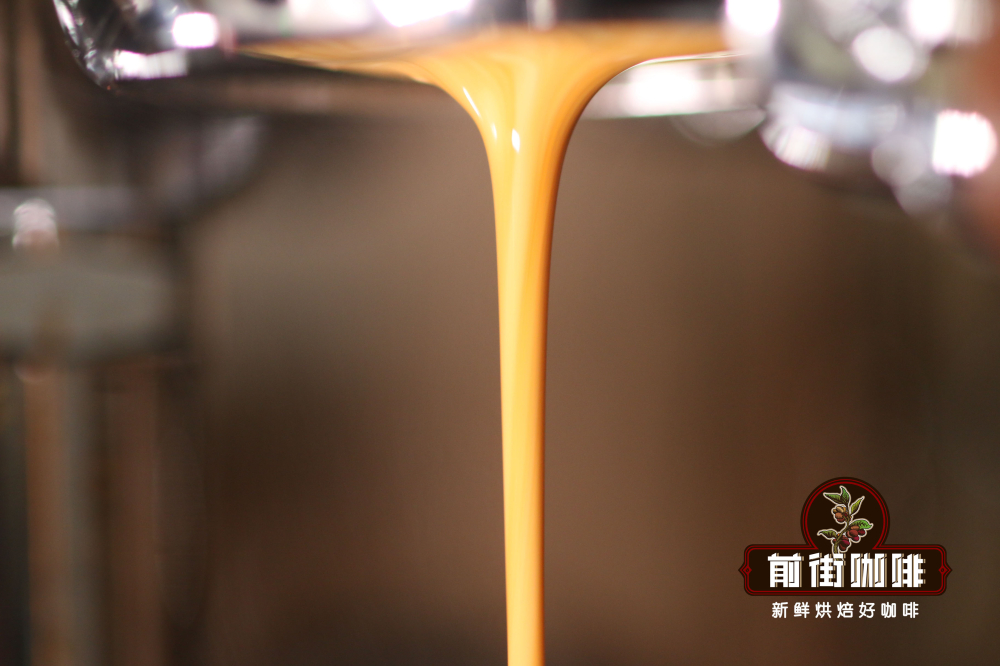
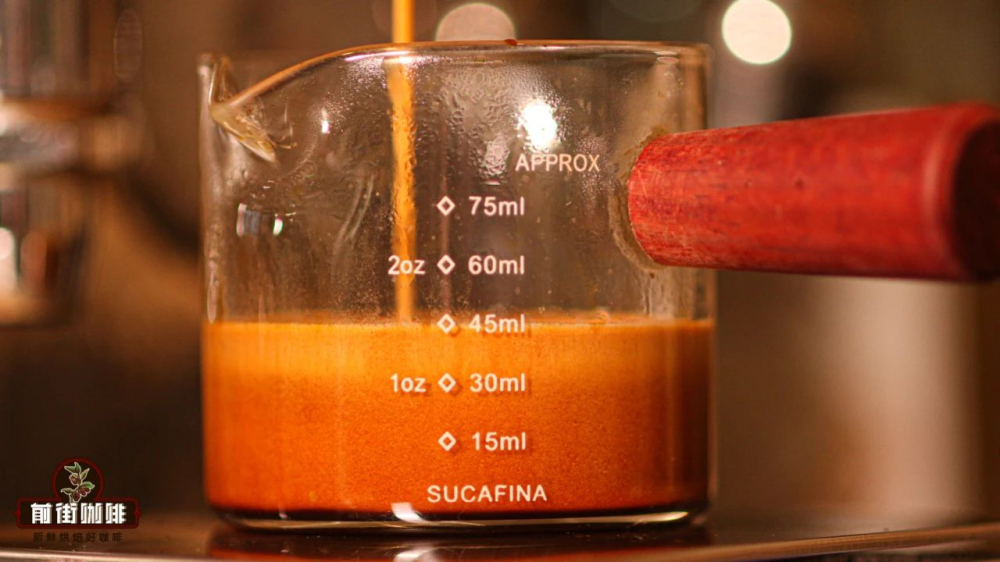
Espresso, originating in 19th-century Italy, is a coffee brewing method that involves rapid extraction using high temperature (around 90–96°C) and high pressure (approximately 9 atmospheres). Traditional drip coffee takes too long, and for efficiency-focused Italians, the invention of espresso perfectly met the need for a quick caffeine boost. An ideal shot of espresso not only has a rich and bold flavor with a pronounced aftertaste but also features a golden crema layer about4 to 5 millimetersthick on top.
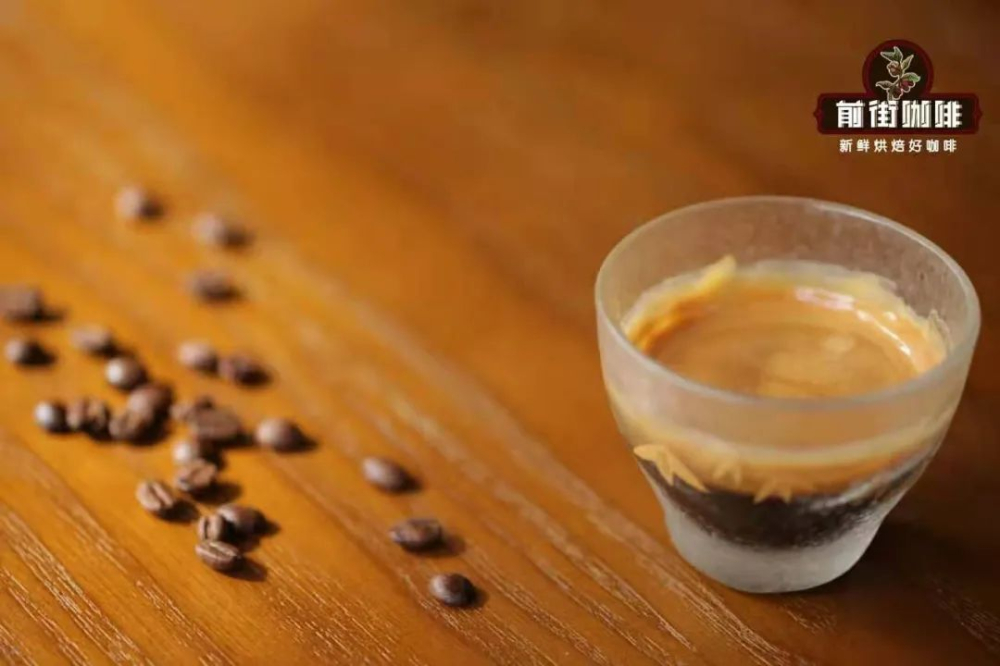
The formation of this crema is key: under high pressure, as hot water passes through finely ground coffee, it extracts not only soluble flavor compounds but also emulsifies the natural oils and carbon dioxide from the beans, creating a stable foam layer. This crema is not just a visual feature—it contains a wealth of volatile aromatic molecules, playing an essential role in delivering the full flavor profile of espresso.
The popularity of espresso is closely tied to the invention of the espresso machine. In the early 20th century, Milanese inventor Luigi Bezzera improved the machine by adding a dedicated brewing head and portafilter, enabling the stable output of high-pressure hot water. This innovation allowed espresso to be made quickly and soon became wildly popular across Europe. To this day, espresso remains the base for many popular coffee drinks, such as Americano, latte, and cappuccino.
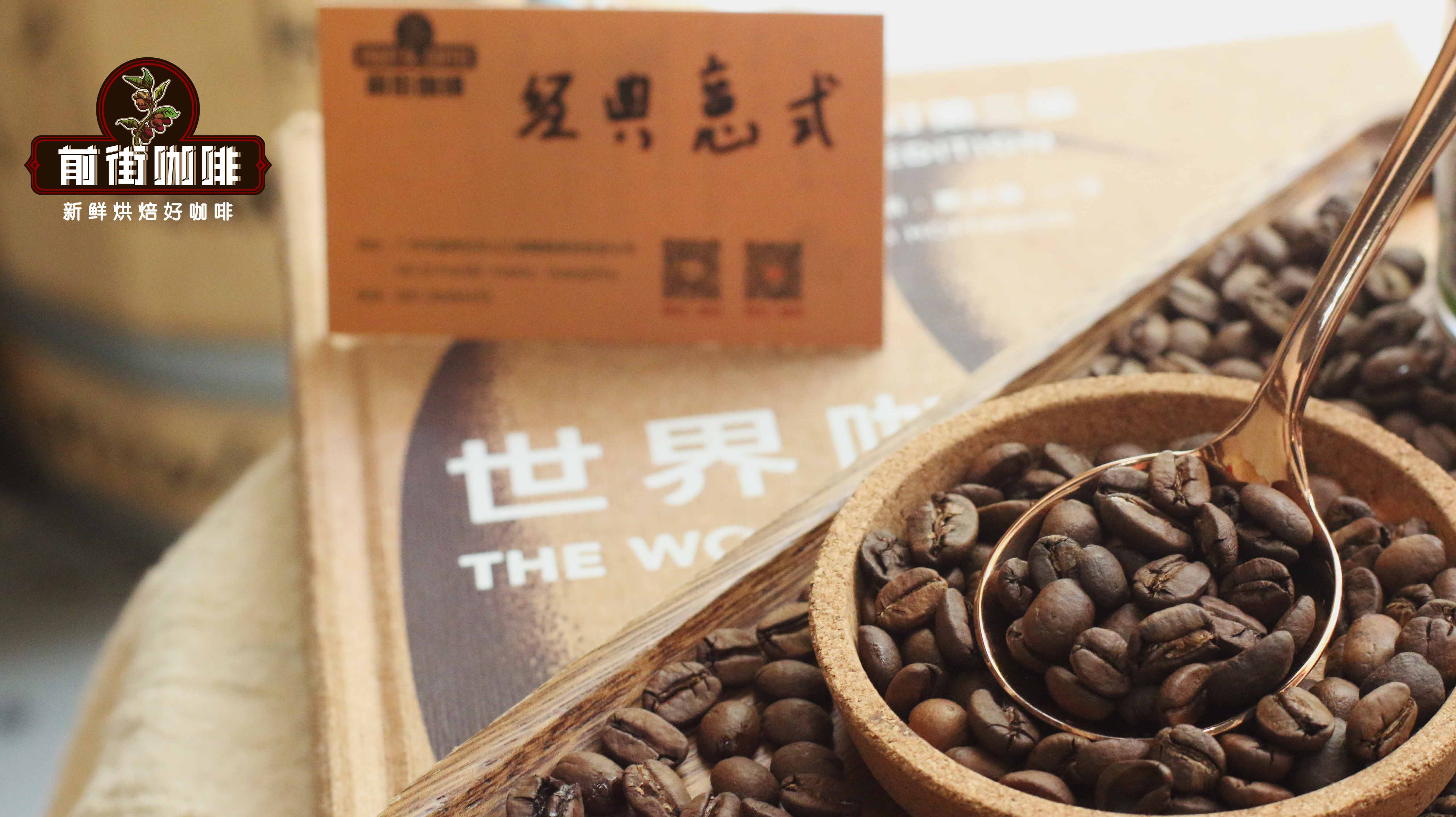
To achieve a balanced flavor and full-bodied texture, most cafés opt for medium-dark to dark roast blends. For example, classic Italian espresso blends often combine beans from Brazil, Indonesia, and Vietnam. The dark roast enhances the richness and intensity of the flavor while also producing a finer and denser crema. Whether enjoyed straight or as the base for other drinks, these blends deliver consistent performance.
Cold Brew: The Refreshing Choice of Low-Temperature Slow Extraction
In contrast to espresso’s high temperature and pressure, cold brew takes the completely opposite approach—using low temperatures (typically room temperature or refrigerated conditions) for prolonged extraction, usually taking8 to 12 hours. This method is fundamentally different from common techniques like iced pour-over or iced americano, which first extract with hot water and then cool down with ice. Cold brew maintains a consistently low temperature throughout to avoid over-extracting bitter compounds.
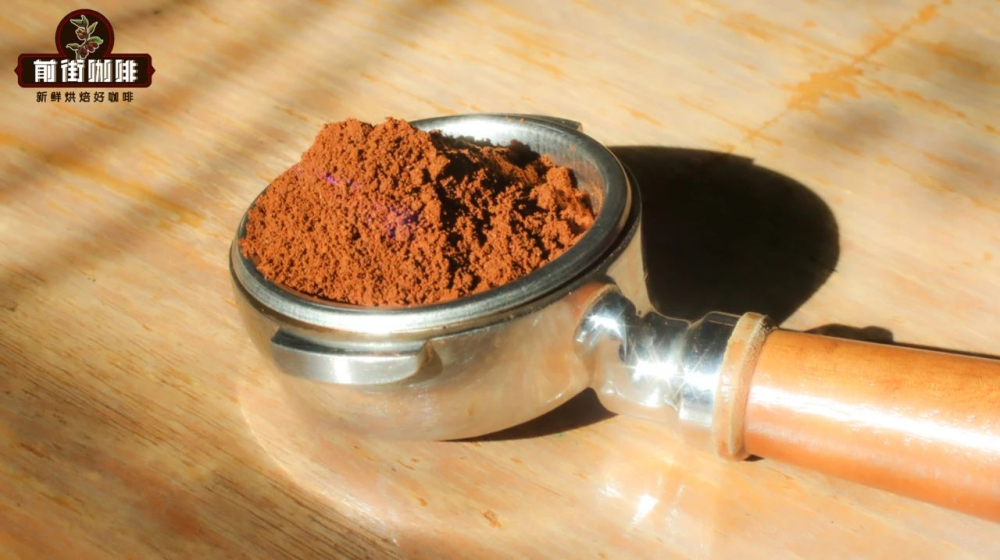
Only about 30% of the compounds in coffee beans are flavor-related, with the rest being insoluble components like lignin. Of that 30%, more than 10% are bitter components. The ideal extraction range is about18% to 22%of the total flavor content—preserving the balance of acidity and sweetness without sacrificing proper body. While high-temperature extraction can quickly bring out flavors, improper control of water temperature or grind size can easily lead to over-extraction of bitterness. In contrast, low-temperature extraction, though slower, effectively suppresses the release of bitter notes, resulting in a cleaner and more refreshing taste.
Making cold brew is relatively simple: prepare a clean, airtight container, mix coarsely ground coffee powder with cold water at a1:13 coffee-to-water ratio(for example, 30 grams of coffee powder with about 400 milliliters of water), let it steep in the refrigerator for 8 to 12 hours, then filter out the grounds before drinking. During the process, avoid exposure to light and odors to maintain a pure flavor.
Addressing Cold Brew Acidity and Bean Selection Tips
Many home cold brew enthusiasts report that their brews often have a noticeable acidic taste. This is closely related to the inherent acidity characteristics of the coffee beans. If you prefer fruity, vibrant acidity, you can choose beans with brighter flavor profiles such as strawberry candy or Mozart, which yield cold brew with fresh floral notes along with fruity undertones like strawberry and raisin.
However, if you prefer a bold, full-bodied black coffee, it’s recommended to go for darker roasted beans, such as Indonesian Golden Mandheling, Brazilian Yellow Bourbon, or Papua New Guinea Bird of Paradise. These beans, when moderately dark roasted, tend to develop nutty, caramel, and spicy flavor notes. When brewed cold, they often present a rich taste with a lingering dark chocolate sweetness, while the acidity is significantly reduced—making them more suitable for those who prefer low-acid profiles.
In summary, espresso and cold brew each have their own unique appeal: the former delivers bold richness through high-pressure concentration, while the latter offers refreshing layers via low-temperature slow extraction. By understanding their brewing principles and flavor profiles, and then selecting the right beans and grind size based on personal taste preferences, you can easily enjoy your perfect cup of coffee.
The above content is compiled by CoffeeHunters, a coffee news website.


