







Introduction:The French press and pour over are two of the most iconic methods for brewing black coffee, yet their extraction principles differ significantly—impacting grind size, water temperature, brew time, and ultimately, flavor profiles. This article offers an in-depth comparison of the two, covering everything from suitable coffee beans and equipment setup to extraction parameters and flavor characteristics, helping you find the brewing method that best suits your taste—whether you're a beginner or a coffee enthusiast.
In the world of coffee, the French press and pour over are among the most common methods for brewing black coffee, but their fundamental difference lies in the extraction method: the French press uses immersion brewing, while pour over relies on drip filtration. This essential distinction leads to notable variations in grind coarseness, water temperature control, brew time, and final flavor presentation. The French press is intuitive and forgiving, ideal for those who prefer a rich, balanced cup; pour over, on the other hand, highlights more delicate nuances, appealing to coffee enthusiasts who enjoy fine-tuning and exploring diverse flavors. This article will thoroughly compare the operational essentials, key parameters, and suitable scenarios for both methods, along with a practical list of pour over tools and coffee bean selection tips, to help you discover your optimal brewing approach.
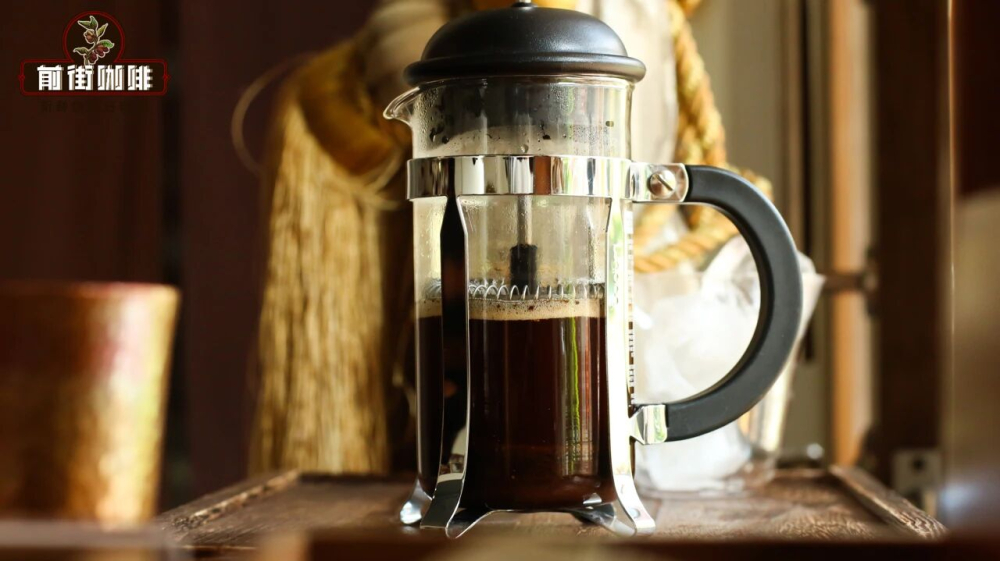
The most striking differences between the French press and pour over can be summed up as “immersion” versus “filtration.” The French press employs full immersion brewing, similar to making tea, using a metal filter to separate coffee grounds from the liquid; whereas pour over relies on manual pouring and paper filtration, emphasizing water flow control and interaction with the coffee bed. Below, we’ll conduct a more comprehensive comparative analysis from the perspectives of taste, operation, and suitable user types.
Pour over is extremely common in the specialty coffee realm, and its charm lies in its ability to coax out the diverse flavor layers of coffee beans through varying pouring techniques and parameter adjustments. Water temperature, grind size, water flow rate, and pouring method all influence the extraction outcome, enabling the same coffee bean to yield vastly different taste and aroma profiles. In contrast, the French press follows a simpler and more direct extraction logic, centered around “single pour + steeping + metal filtration,” relying on control of coffee-to-water ratio, grind coarseness, water temperature, and steeping time to shape the final result.
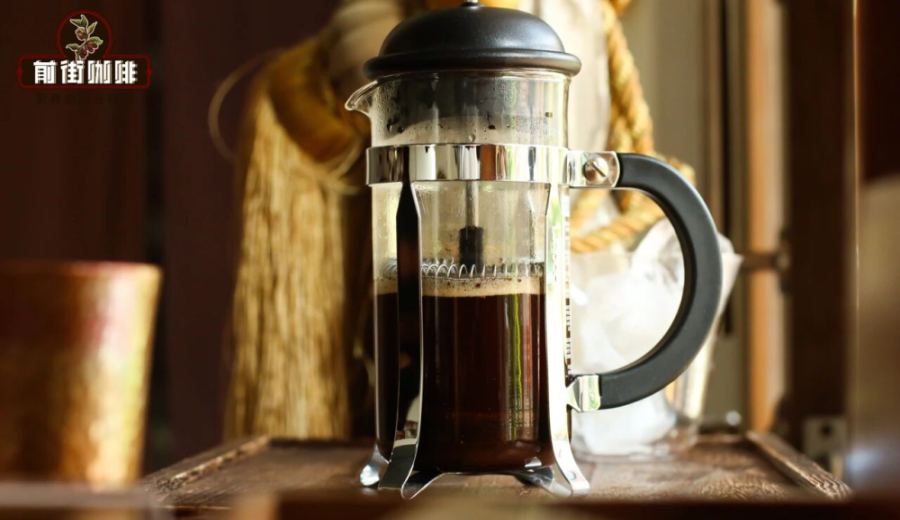
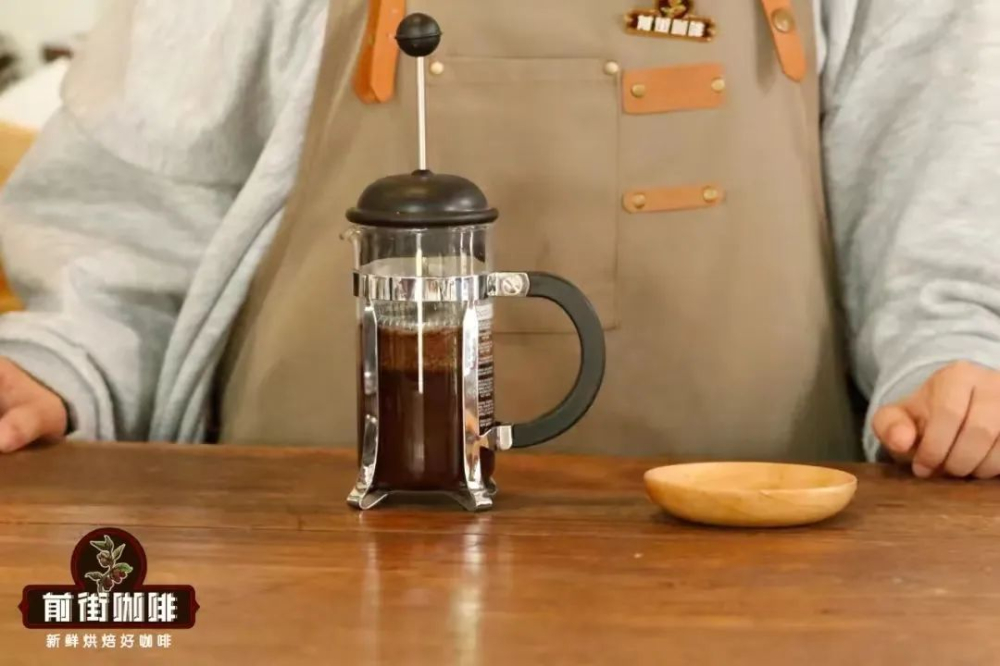
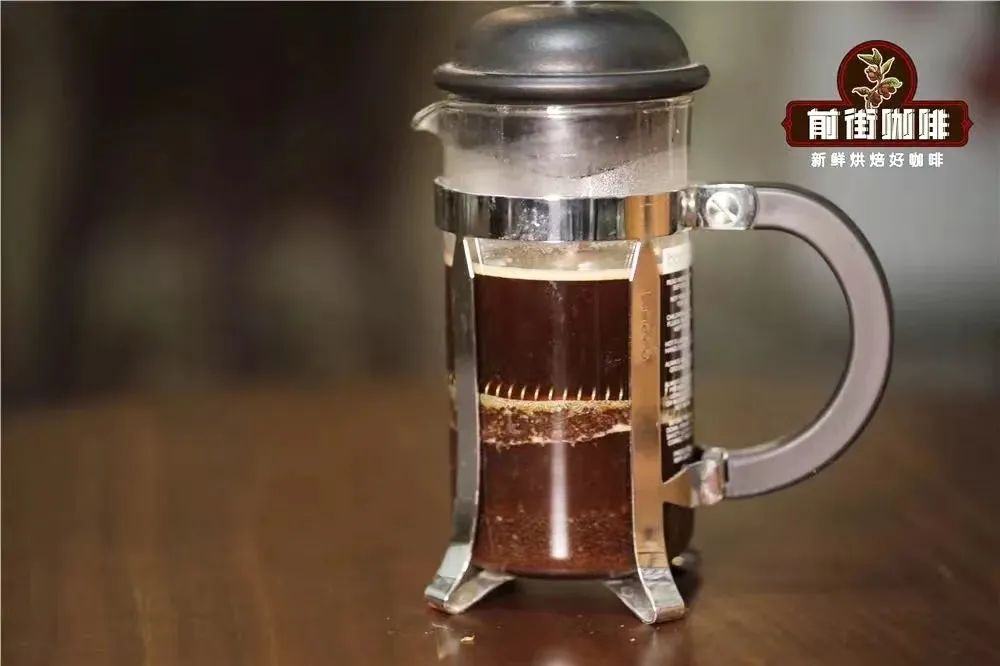
The French press’s operating principle is very similar to making tea: hot water is poured over ground coffee, left to steep so that flavor compounds slowly dissolve, then the plunger is pressed down to push the coffee grounds to the bottom, filtering out a clean coffee liquid. This “full immersion + physical separation” brewing method doesn’t require complex skills or professional equipment, which is why it’s especially popular among beginners and busy individuals. Additionally, the French press offers a relatively stable extraction process, where the intrinsic flavors of the coffee are less prone to human error, making it suitable for those who prefer consistent taste.
In terms of parameter settings, since the French press involves pouring all the hot water at once, the overall extraction temperature gradually decreases, so it’s recommended to start with a slightly higher water temperature than pour over. For medium to light roasted beans with pronounced acidity, it’s suggested to use 92–94°C water; for medium to dark roasted beans with more prominent bitterness, a slightly lower 89–90°Ccan be used. If brewing in autumn, winter, or in cooler room environments, preheating the French press with hot water beforehand can help reduce heat loss and maintain a stable extraction environment.
Steeping time is the most critical variable in French press brewing. With other conditions held constant, the longer the steeping time, the richer the flavor—but this also increases the risk of over-extraction, leading to bitterness, astringency, or woody notes. Generally, for medium to light roasted coarse-ground coffee, a steeping time of around 4 minutesis recommended; for medium to dark roasts, it’s advised to shorten to 3 minutes 30 secondsto avoid releasing excessive undesirable compounds while ensuring the desirable flavors can shine through.
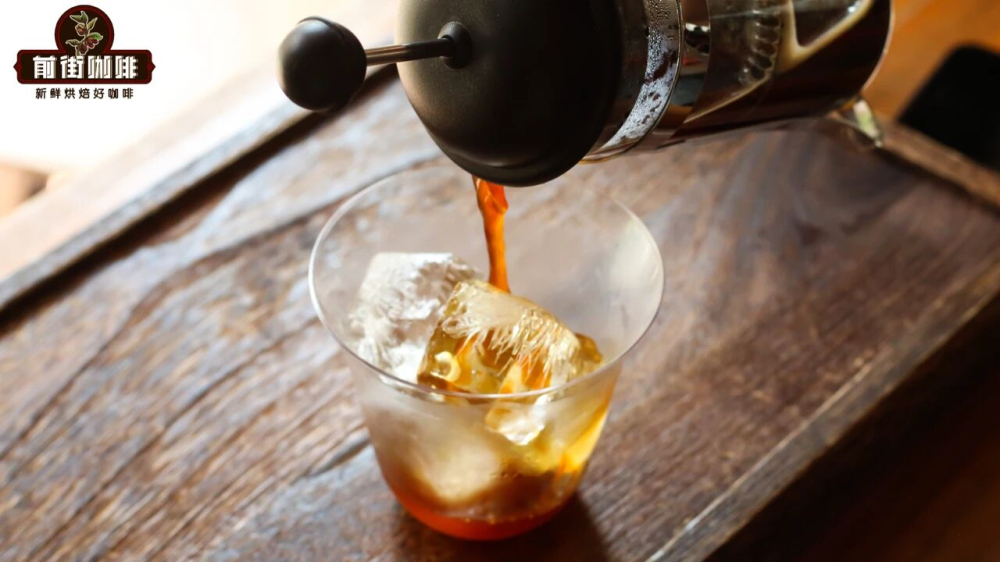
When it comes to choosing between the French press and pour over, there’s no absolute “better or worse”—it all depends on personal taste preference. If you enjoy exploring the subtle fruit acids, floral notes, and sweetness in coffee, pour over offers a more engaging and challenging option; if you prefer simple operation and a consistently rich, balanced cup, the French press is a more relaxed and reliable choice.
The reason the French press is dubbed a “lazy person’s coffee tool” is its extremely low barrier to entry—just control the coffee-to-water ratio, grind coarseness, water temperature, and steeping time, and you can steadily brew a well-balanced black coffee. Since it remains in immersion throughout, the coffee tends to have a richer, fuller body, and while its flavor layers may not be as nuanced as pour over, the overall performance is more consistent and approachable.
In contrast, pour over requires more equipment, but its greatest appeal lies in its high playability and precise control. To brew pour over at home, you’ll need the following basic tools: pour over kettle, filter cone, server, grinder, filter paper, digital scale, and thermometer. Among these, the grinder is crucial—whether hand-cranked or electric, it must produce a uniform coffee grind to avoid over- or under-extraction due to inconsistent particle sizes.
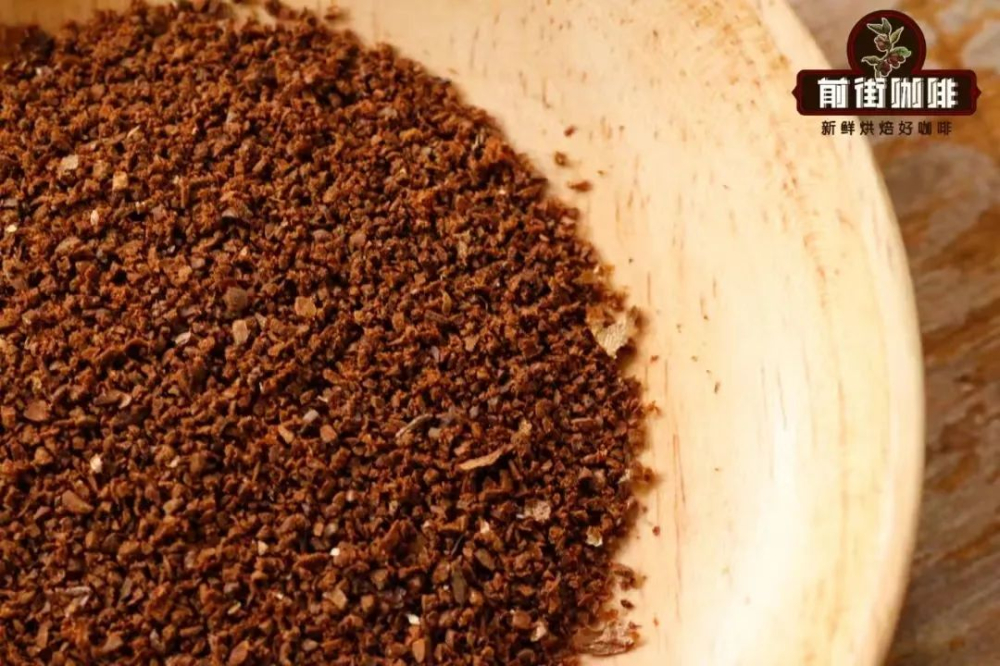
The coarseness of the coffee grind directly affects the extraction result: too coarse often leads to under-extraction and flat flavors; too fine can cause over-extraction, resulting in bitterness and astringency. Many professional baristas use a No. 20 standard sieve (0.85mm) to test grind coarseness—for instance, when brewing medium to light roasted high-altitude beans like Yirgacheffe, an extraction with a roughly 80% % pass-through rate (grind setting) 10has been used, corresponding to certain commercial grinders (like the EK43s) set to around
, to highlight more aromatic compounds. Water temperature is also a key parameter in pour over. Generally, the higher the water temperature, the stronger the extraction efficiency, but it can also release more undesirable impurities. For medium to dark roasted beans, it’s recommended to use 87–90°C water to avoid bitterness from over-extraction; for light roasted beans, which require more heat to activate aromas, typically 91–93°C
water is advised. Using a thermometer to monitor water temperature can greatly enhance the repeatability and stability of your brew.
There are many types of filter cones on the market, and different designs affect water flow speed and coffee bed expansion, thereby altering extraction flavors. Common ones include the Hario V60, which pairs well with medium to light roasted beans and highlights acidity and fruity notes; the KONO cone, with its differently designed inner ridges, is better suited for medium to dark roasts and helps enhance body. Additionally, the choice of filter paper should match the cone to ensure proper filtration and flavor purity.
The choice of pour over kettle is equally important—a gooseneck spout design helps control water flow stability, making pouring more even and aiding in uniform flavor extraction. Pairing it with a digital scale that includes a timer allows for more precise management of total water volume and brew time, making it an indispensable tool for advanced pour over enthusiasts.
The greatest joy of pour over lies in the freedom to adjust various parameters—from grind size, water temperature, and coffee-to-water ratio to pouring technique and time—each variable can influence the final flavor profile. With a grasp of the key elements, even beginners can gradually tweak their way to a personalized coffee flavor signature.
The above content is compiled by CoffeeHunters, a coffee news website.


