







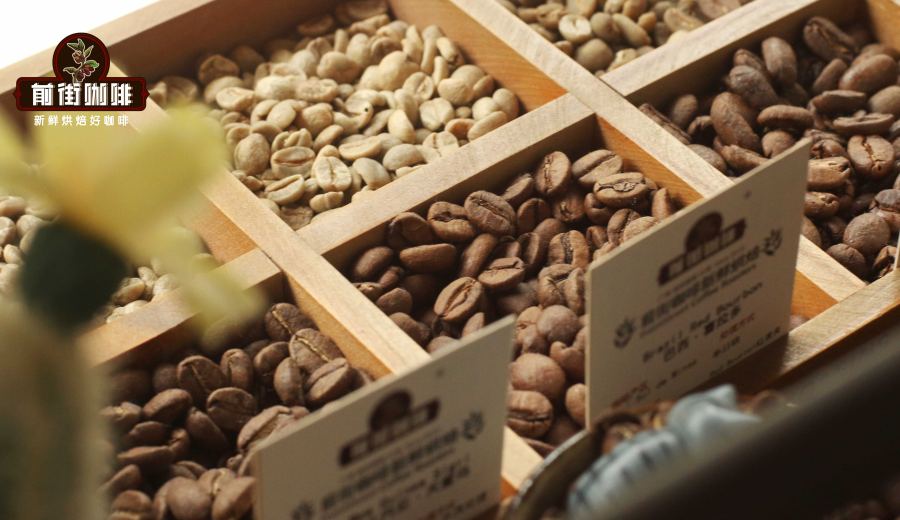
Introduction:Want to explore the representative flavors of fine Brazilian coffee? The Yellow Bourbon from Fazenda Rainha is widely loved for its rich caramel sweetness and nutty profile. This article takes you deep into the unique charm of this high-altitude coffee, covering everything from its origin background and variety characteristics to its honey processing method. It also provides practical pour over parameters and roasting suggestions to help you fully showcase its flavor layers.
Brazil has long ranked first in global coffee production, not only for its astonishing output but also for its remarkable fine coffee offerings. Located in the state of São Paulo, Fazenda Rainha is one of the most representative fine coffee producing regions in Brazil, and its Yellow Bourbon is regarded as a benchmark of Brazilian flavor.
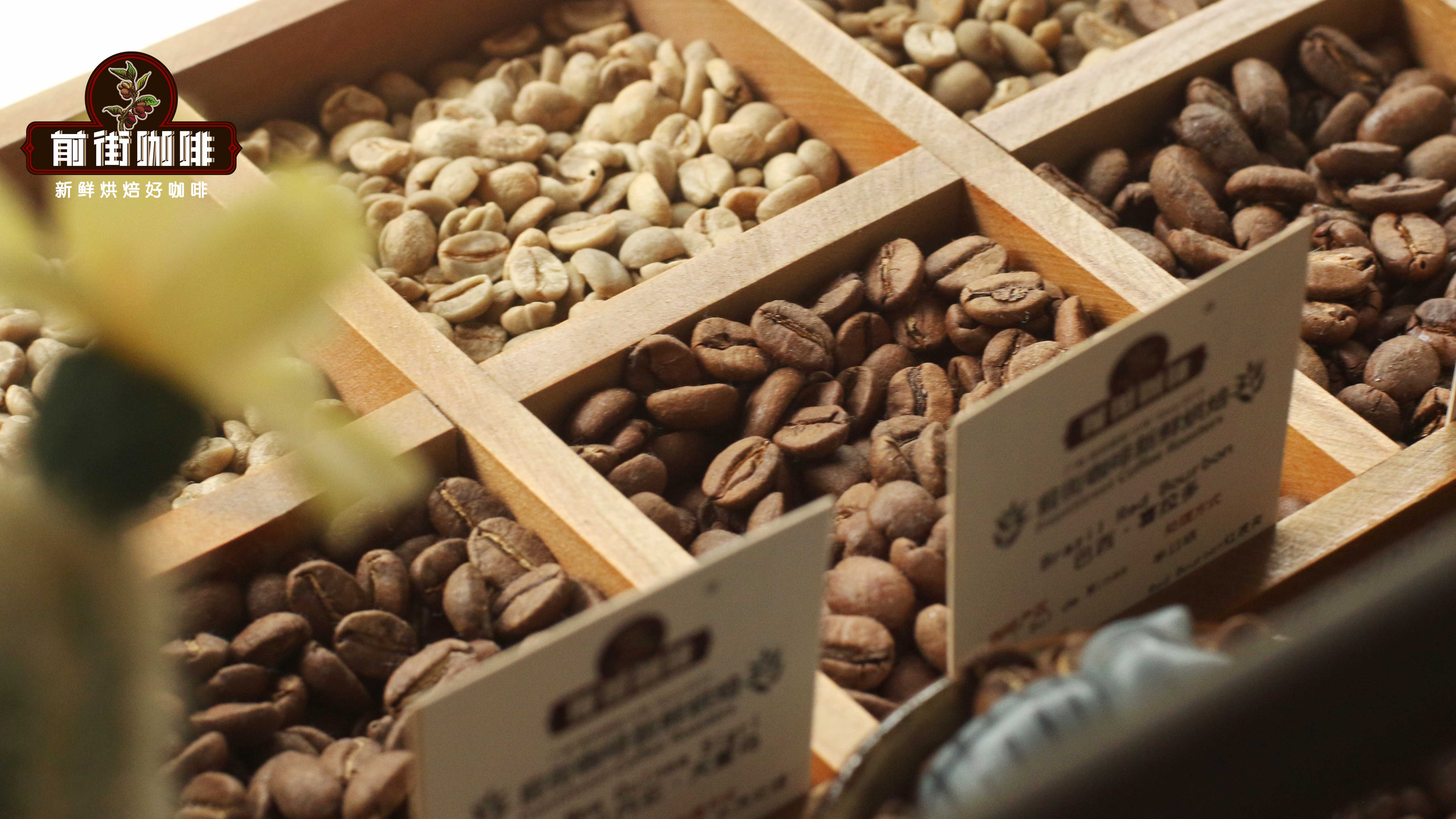
Fazenda Rainha belongs to the Carvalho Dias family, which has won numerous awards since the first Brazil Cup of Excellence (COE) competition in 1999—more than 12 times within seven years, including winning the championship, 9th place, and 11th place in 2004. The family’s dedication to coffee quality and commitment to sustainable practices have resulted in consistently high-quality coffee from their estates, as well as setting an example in ecological and social responsibility.
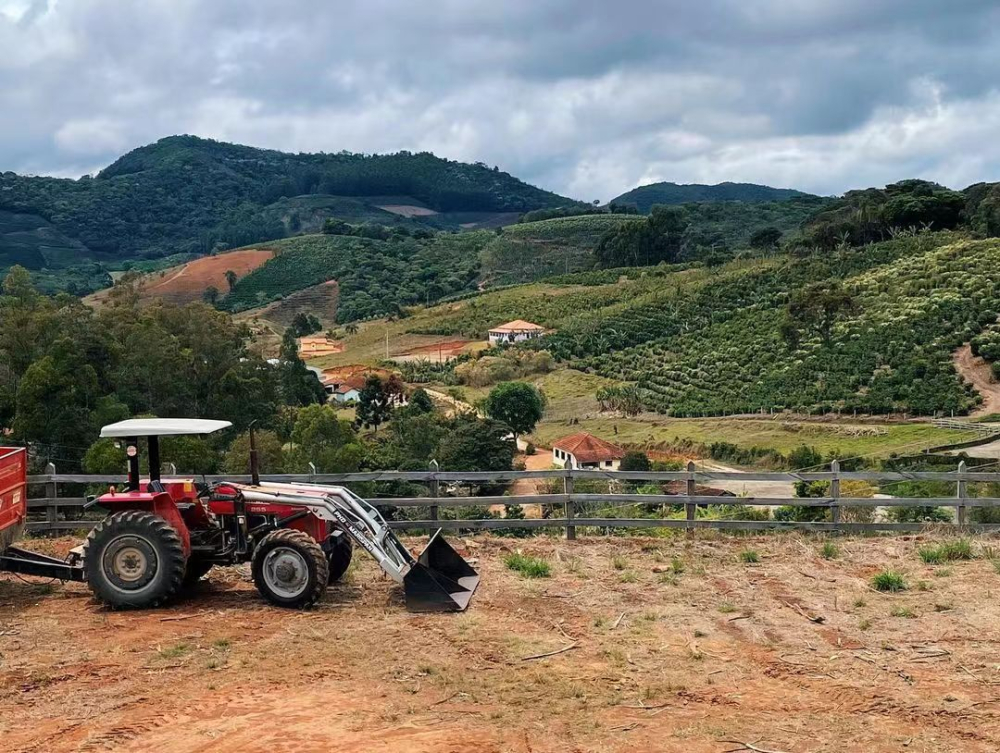
Due to its high elevation, Fazenda Rainha cannot use mechanical harvesting and relies entirely on hand-picking ripe fruits. Combined with high-altitude cultivation and honey processing, this yields a coffee with complex aromas of nuts, cream, peanuts, fermented fruit, and cane sugar—offering a rich and balanced flavor profile.
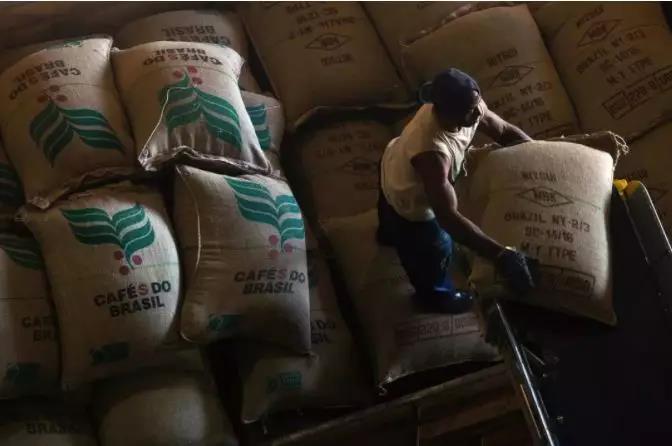
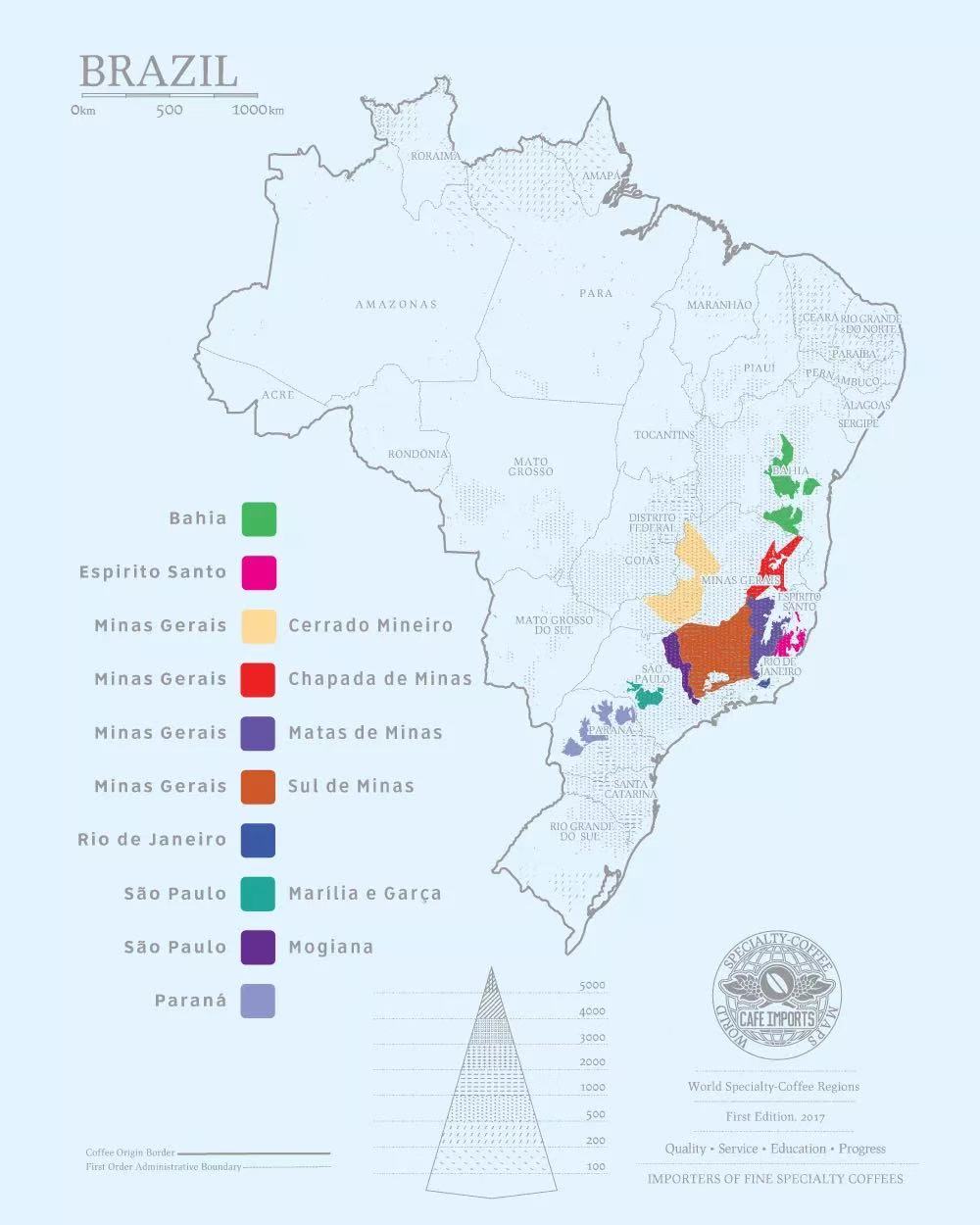
Brazil is located in the eastern part of South America, with a climate dominated by tropical savanna and tropical rainforest. About two-thirds of the country has a tropical savanna climate, and one-third a tropical rainforest climate, providing ideal temperature and rainfall conditions for coffee cultivation. Coffee is grown in 17 states nationwide, but the main producing regions are concentrated in Paraná, São Paulo, Minas Gerais, and Espírito Santo, which together account for 98% of the country’s total production.
The São Paulo state, where Fazenda Rainha is located, has coffee-growing areas mostly distributed among hills and mixed vegetation. There are both traditional large farms and modern small-scale farms, blending modern technology with local growing culture to create uniquely flavored fine Brazilian coffee.
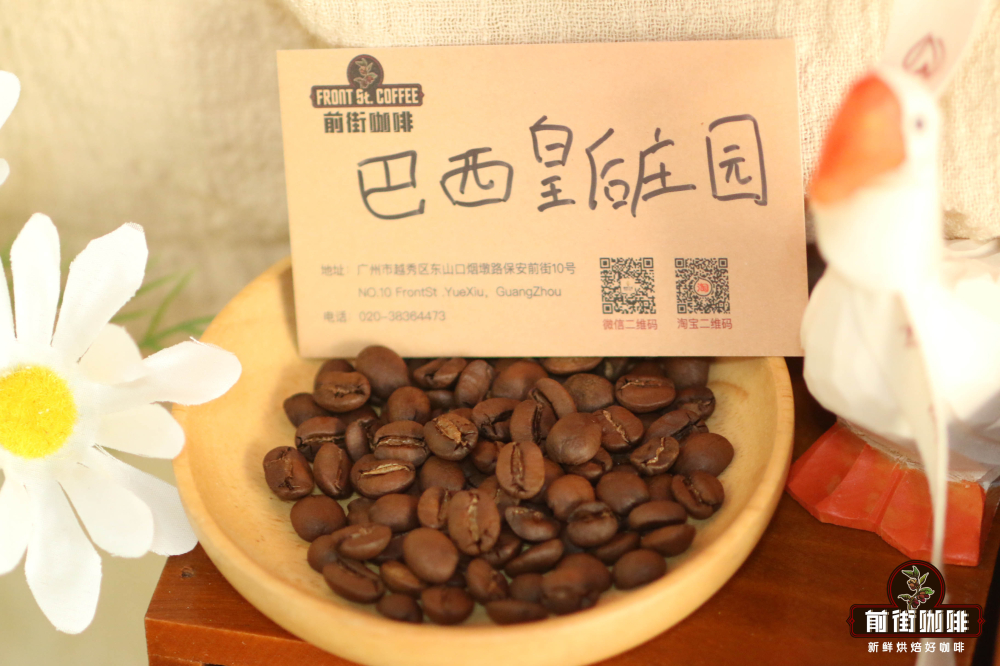
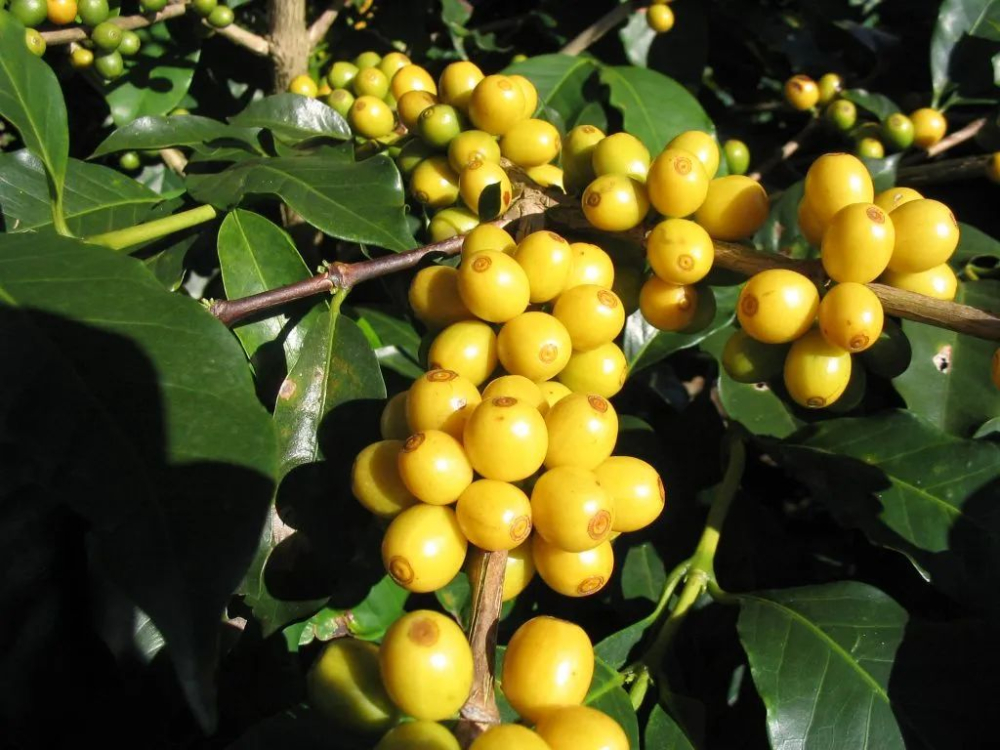
Fazenda Rainha primarily grows the Yellow Bourbon variety, a genetic mutation of the Bourbon variety, named for its orange-yellow ripe fruit. Compared to the more common Red Bourbon, Yellow Bourbon is mostly cultivated at higher altitudes, and due to differences in growing environment, it often exhibits a more pronounced sweetness and nutty character.
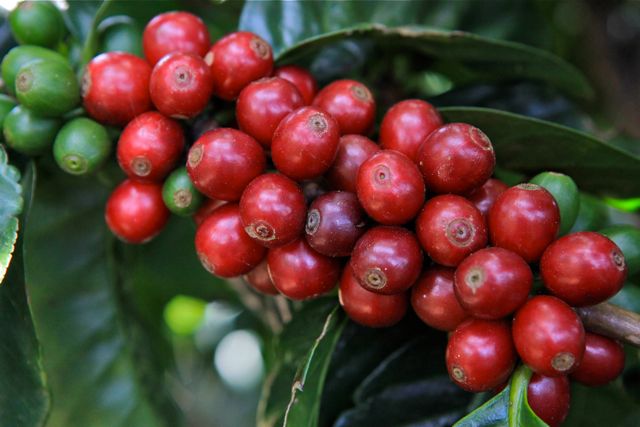
The Bourbon variety originated on the island of Réunion (formerly known as Bourbon Island) and is a natural mutation of Typica. It is one of the oldest surviving coffee varieties. Red Bourbon is the most common variant, with bright red ripe fruit, bright acidity, and rich aroma; while Yellow Bourbon is named for its orange-yellow ripe fruit, usually featuring softer acidity, intense sweetness, and nutty or chocolate-like finishes.
In terms of processing methods, the most common approaches for Brazilian coffee include natural, honey, pulped natural, and washed. Among them, honey processing has become one of the mainstream methods due to its adaptability to Brazil's variable climate and water conditions. Also called pulped natural, honey processing combines aspects of both natural and washed methods. After removing the skin and pulp, the coffee beans coated with mucilage undergo controlled fermentation at specific temperatures, followed by direct sun drying. This significantly reduces fermentation time and water usage while enhancing flavor consistency and cleanliness.
The advantage of this processing method is that it effectively reduces the risk of undesirable flavors such as moldiness or earthiness, while preserving the coffee’s sweetness and fruity notes. As a result, Fazenda Rainha’s Yellow Bourbon presents intense nutty, creamy, and caramel tones, with distinct flavor layers and a long-lasting aftertaste.
Brazilian coffee bean grading does not emphasize high-altitude hard beans like other producing countries, but rather evaluates beans based on size, defect rate, cupping score, and flavor. The flavor grades, from highest to lowest, are: Strictly Soft (very mild), Soft (mild), Softish (slightly mild), Hardish (harsh), Rioy (iodine-like); the defect rate is based on the number of defective beans per 300 grams of green coffee, where NY.2 is the highest grade (maximum 6 defective beans per 300g); cup quality grading ranges from Fine Cup (FC) to Bad Cup, with FC and Good Cup (GC) being common high-quality tiers; additionally, bean size is best at 17 and 18 mesh, with 19 mesh being of even higher quality but rarer.
For roasting Fazenda Rainha’s Yellow Bourbon, a medium-dark roast is recommended to fully bring out its sweetness and nutty character. Taking the Yangjia 800N roaster as an example, the charge temperature is set at 200°C, with the turning point around 1 minute 30 seconds, initial heat at 150, and air damper at 3. At 5 minutes 10 seconds, when the beans turn yellow and grassy notes fade, entering the drying phase, reduce the heat to 125 and adjust the air damper to 3.5. Around 8 minutes 20 seconds, when drying is complete and wrinkles and black speckles appear on the bean surface, enter the pre-first crack phase, reducing heat to 80. Listen carefully for the first crack, which typically begins around 9 minutes 14 seconds, and continue roasting through it. Maintain a first crack development time of 3 minutes, and drop the beans at 201°C to achieve the optimal balance of sweetness and flavor.
For pour over recommendations, it is suggested to use a KONO filter, with a coffee dose of 15 grams, water temperature controlled at 90°C, and grind size at medium (approximately 70% through a #20 sieve). The water-to-coffee ratio is advised at 1:15. Use a staged extraction method: start with blooming by pouring double the coffee dose (about 30 grams) and let it bloom for 30 seconds. Then pour in a small circular motion until reaching 125 grams and pause. When the water level drops and is about to expose the coffee bed, continue pouring until reaching 225 grams to finish. Total extraction time is about 2 minutes. These parameters help fully showcase the caramel sweetness and rich body of Yellow Bourbon.
In summary, Fazenda Rainha’s Yellow Bourbon, thanks to its high-altitude cultivation, hand-harvesting, and honey processing, delivers captivating flavors of nuts, cream, peanuts, and cane sugar. It is a well-balanced fine coffee with outstanding sweetness. Whether using pour over, moka pot, or siphon, as long as the right parameters are applied, its unique coffee charm can be fully revealed.
The above content is compiled by CoffeeHunters, a coffee news website.


