







Introduction:To brew an espresso with a rich and layered flavor profile, choosing the right blend is key. This article delves into the logic behind common espresso blend recipes and recommends five popular blends suitable for both home use and professional shops. Whether you're after intense crema, long-lasting aroma, or great value for money, you'll find the right choice here.
Even with the same coffee beans, the final flavor can vary greatly depending on the brewing method. Take medium-to-dark roasted Indonesian Mandheling as an example: when brewed using a pour over method, it delivers a mild and mellow taste with notes of caramel, spices, and herbs. However, when extracted using an espresso machine, it releases rich crema accompanied by aromas of dark chocolate, cream, and roasted nuts. The taste is direct and layered, especially when sipped straight—its roasted richness particularly stands out.
This shows that when selecting coffee beans, one should not rely solely on personal preference or brand appeal, but must comprehensively evaluate factors such as brewing method, roast level, and bean freshness. Fresh coffee beans contain abundant carbon dioxide, and when paired with the porous structure of dark roasted beans, they can more efficiently release oils and various roasted aromas such as chocolate, cocoa, butter, cookies, and caramel.
For beginners or home users, value for money is often the primary consideration. Below, we introduce five highly acclaimed espresso blends on the market, including specialty-grade, commercial-grade, and classic recipes. We also detail their suitable scenarios and flavor profiles, offering useful references whether you’re opening a café or brewing at home.
Even with the same batch of coffee beans, simply changing the brewing method can result in completely different flavors. Take medium-to-dark roasted Indonesian Mandheling as an example: it shows a soft yet full-bodied taste when brewed via pour over, exuding delicate notes of caramel, spices, and herbs. But when switched to espresso extraction, a fine and rich layer of crema forms on the surface, emitting aromas of dark chocolate, cream, and roasted nuts. Drinking it straight brings out an even stronger roasted intensity and richness.
This also reminds us that ensuring stable performance in every extraction heavily depends on choosing the right coffee beans. In addition to roast level, you should also consider the beans’ freshness and suitability for your chosen brewing method. Typically, the fresher the coffee beans, the higher their internal carbon dioxide content. Coupled with the porous structure from dark roasting, this makes it easier to extract rich oils and multiple aromatic layers—including classic roasted notes like chocolate, cocoa, butter, cookies, and caramel.
For those new to espresso, value for money is usually the top priority when purchasing. Below, we’ve carefully selected five popular espresso blends suitable for home, office, and professional shop use, along with their flavor characteristics and recommended applications.
A certain specialty blend coffee beanDesigned mainly for home, office, or small specialty coffee shops, this blend consists of Colombian washed beans and Brazilian natural sundried beans. It offers aromas of nuts, dark chocolate, and caramel, with a balanced flavor and moderate bitterness and sweetness. When paired with milk for making lattes, it delivers a smooth mouthfeel, excellent integration between milk foam and coffee, and clear latte art patterns. For Dirty coffee, it creates a beautiful layered effect, with possible dark brown “tiger stripe” patterns appearing on the coffee’s surface.
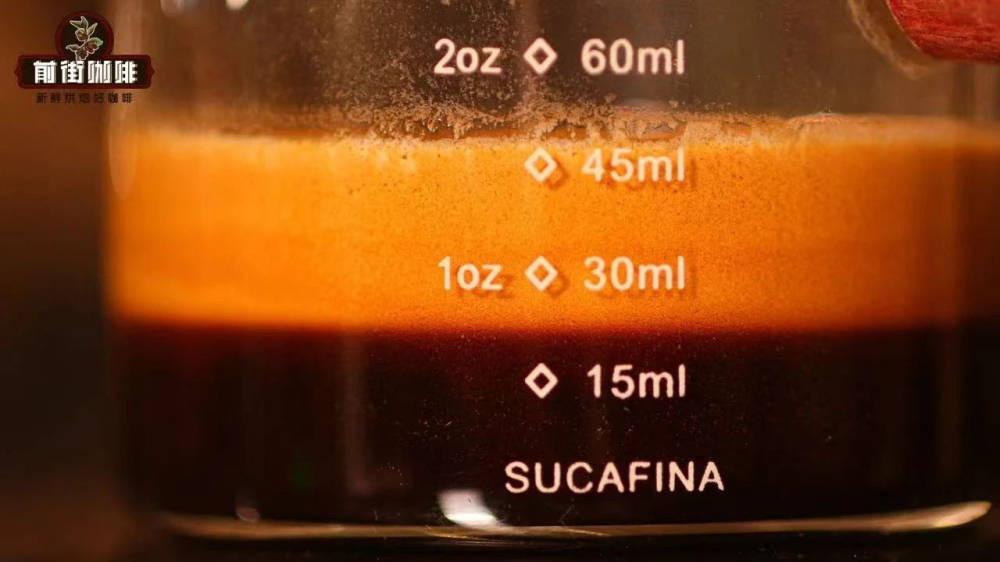
A certain commercial blend coffee beanIs suitable for all types of coffee shops. This blend also uses Colombian washed beans and Brazilian natural sundried beans as its base, with a small amount of Robusta added. Its overall flavor is anchored by notes of nuts, cocoa, and caramel. Compared to other espresso blends, it continues the classic combination of Brazilian and Colombian beans, while the touch of Robusta enhances the aroma complexity and taste layers, bringing out scents of toasted bread, almonds, and walnuts. It has good crema fluidity, low acidity, and a rich mouthfeel. Coupled with its affordable price, it’s a top choice for many shops opening their doors.
A certain dark cocoa blend coffee beanHighly recommended by baristas, suitable for coffee shops, bakeries, beverage stores, and home users. This blend selects Yunnan washed small-bean variety and Brazilian natural sundried beans, blending nutty tones with the slight acidity of ripe plums. Once ground, it gives off strong aromas of creamy chocolate, cocoa, and cookie notes. Overall performance is balanced, with crema showcasing a beautiful golden sheen. It’s very suitable for both commercial and home use.
A certain classic blend coffee beanIs a classic medium-to-dark roasted recipe, perfect for beginners practicing latte art and also fitting for high-end specialty coffee shops. This blend consists of coffee beans from three different origins, drawing inspiration from the once-popular ‘Mamba’ combination—that is, the classic pairing of Mandheling and Brazilian beans. To further enhance aroma and crema performance, a small amount of Robusta is added to the formula, resulting in a richer overall flavor. This allows even beginners to easily brew espresso with a golden crema at home.
The above content is compiled by CoffeeHunters, a coffee news website.


