







Introduction:The Moka pot is the go-to brewing device for many home users looking to experience espresso-like flavors, but many encounter difficulties in selecting beans, adjusting settings, and operating the device. This article delves into the working principle of the Moka pot and provides practical advice and detailed steps for five common beginner challenges—including choosing the right type of coffee beans, enhancing extraction pressure, determining when to turn off the heat, and using the Moka pot to make Americano and latte—along with five illustrative diagrams to aid understanding, helping you easily brew rich-flavored coffee.
Originating from Italy, the Moka pot is a favorite among many home coffee enthusiasts, especially in Europe where it is extremely popular. However, this classic brewing tool receives mixed reviews in the coffee community: some argue it can't compare to professional espresso machines, while others appreciate its unique charm of producing strong coffee with a simple structure. For beginners on a budget who want to enjoy freshly ground coffee flavors at home, the Moka pot is definitely worth trying. With the right bean selection and proper operation techniques, you can also brew satisfying espresso-style coffee.
Below, we’ll focus on the five most common Moka pot issues faced by beginners, including how the device works, suitable coffee bean types, how to enhance extraction pressure, when to turn off the heat, and methods for making Americano and latte with the Moka pot, along with five relevant diagrams for better understanding.
1. How does a Moka pot brew coffee?
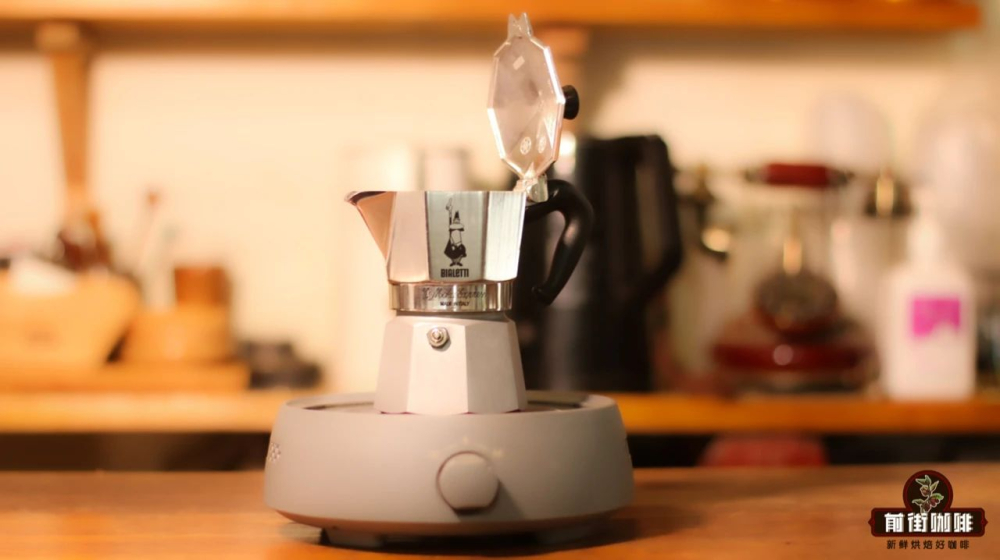
The Moka pot mainly consists of three parts: the upper chamber, the filter basket, and the lower chamber. The lower chamber holds water, the filter basket contains finely ground coffee, and the upper chamber collects the final brewed coffee. Its operation is relatively simple: by heating the water in the lower chamber, steam and pressure are generated. When internal pressure builds up to a certain level, it pushes the hot water upward through the middle filter basket, extracting coffee essence before it enters the upper chamber.
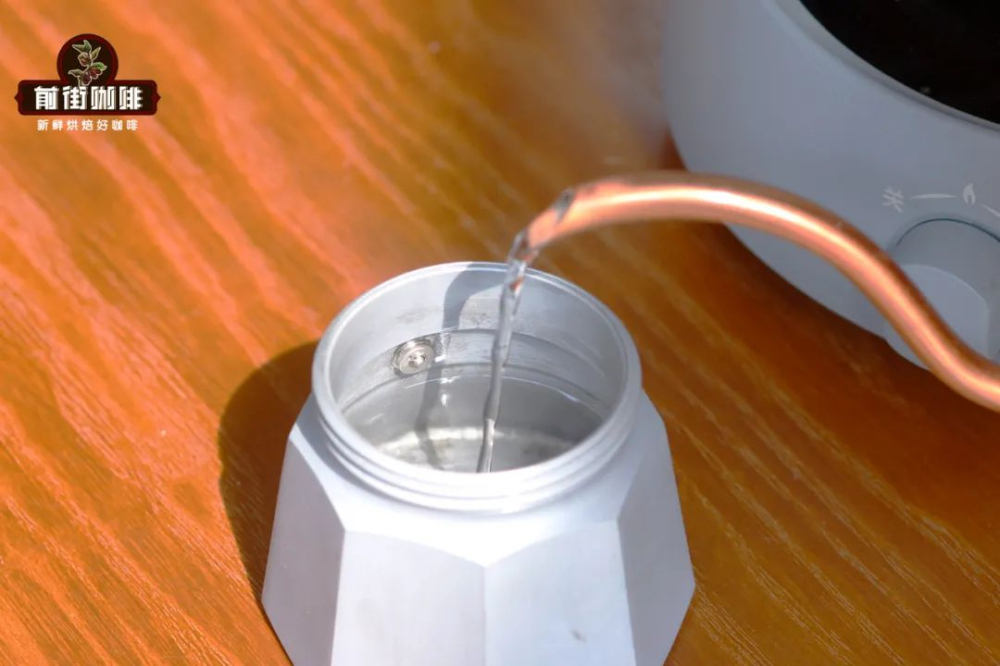
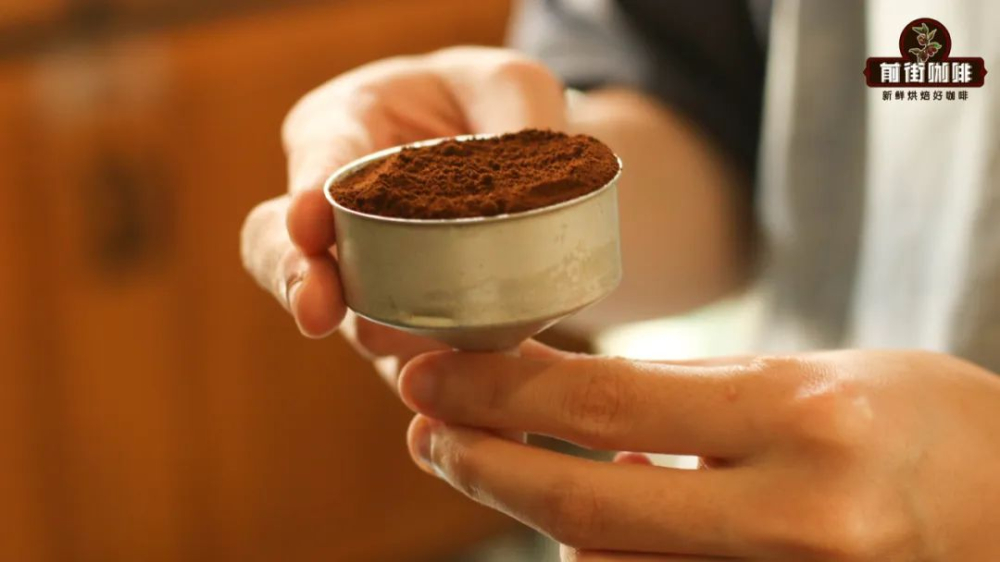
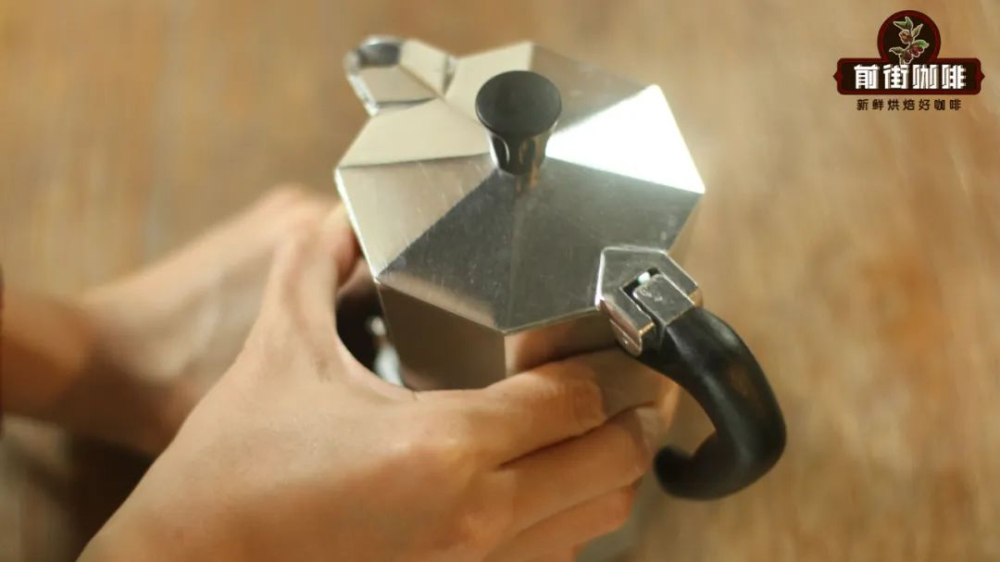
In practice, start by filling the lower chamber with cold water (cold water is recommended to avoid burns), then insert the filter basket and fill it with finely ground coffee. When tamping, let the center of the coffee bed rise slightly while ensuring the edges are firmly packed without gaps. Then attach the upper chamber and tighten it securely.
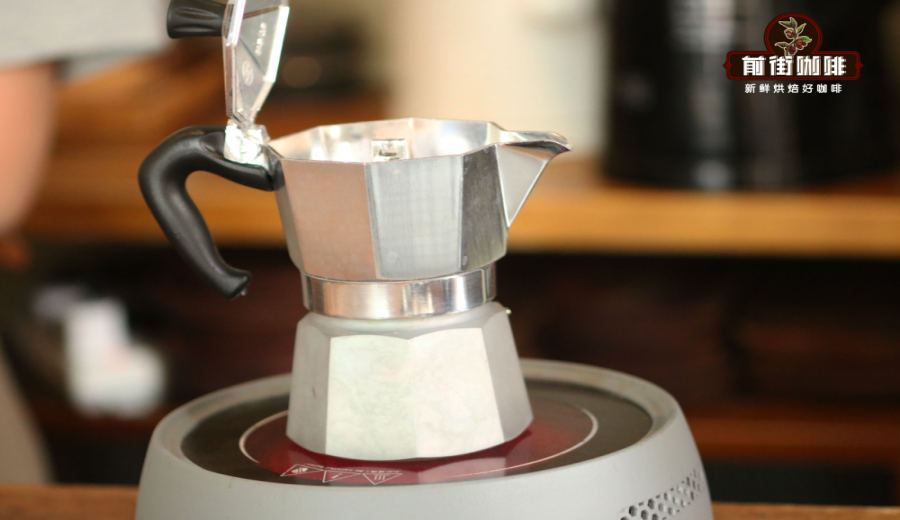
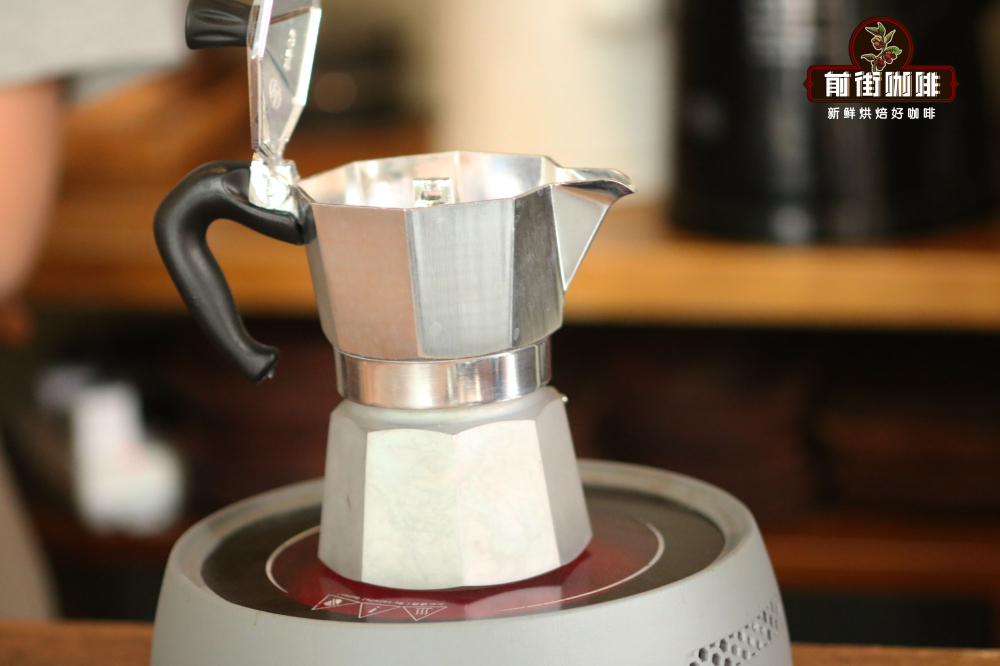
Place the assembled Moka pot on an electric or gas stove to heat. When you hear a “wuu wuu” sound, it means the pressure is sufficient and coffee is about to flow—turn off the heat immediately and wait for the coffee to fully rise into the upper chamber.
2. What types of coffee beans are suitable for a Moka pot?
Since the coffee brewed with a Moka pot tends to be strong and intense, medium-dark or dark roast beans are better able to deliver a rich, full-bodied taste and release more oils compared to light roasts. Therefore, it’s recommended to choose freshly roasted medium-dark or dark roast coffee beans for optimal extraction and flavor.
A special reminder: freshness greatly affects coffee flavor. It’s best to choose beans roasted within 5 days and use them as soon as possible to retain their peak flavor.
3. How to enhance the extraction pressure of a Moka pot?
The pressure in a Moka pot mainly comes from the force created when water turns into steam during heating, and the grind size of the coffee directly impacts the resistance the water faces as it passes through the coffee puck. Generally speaking, the finer the grind, the smaller the gaps between coffee particles, resulting in greater resistance—which helps increase pressure and extraction efficiency.
Additionally, it’s recommended to use hot water for brewing, since the Moka pot generates steam pressure by heating the water in the lower chamber. Therefore, the initial water temperature also affects the overall brewing process. If using a two-valve or pressurized Moka pot, the additional pressure valves further enhance extraction pressure, helping to bring out more coffee oils and intensify the flavor.
4. When should you turn off the Moka pot?
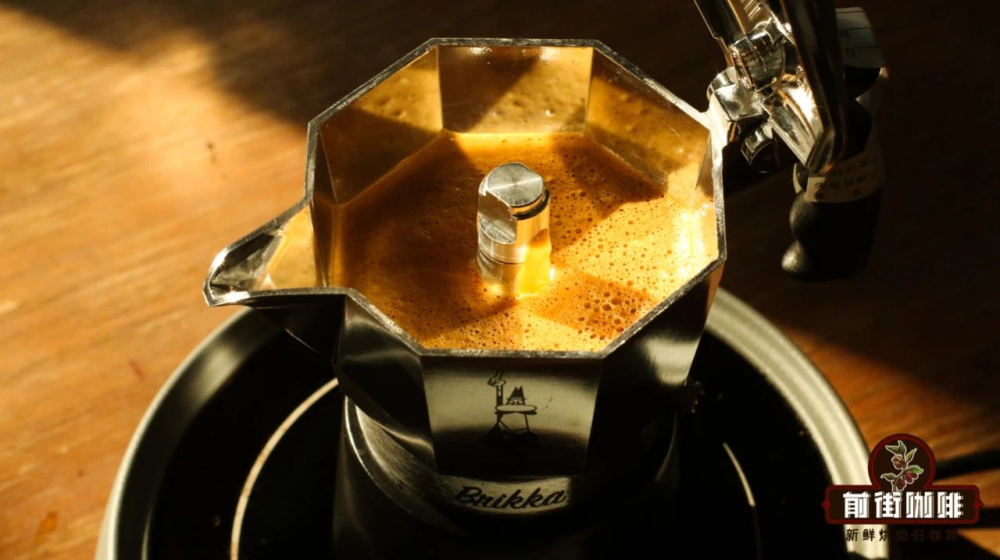
Judging the right moment to turn off the heat is key to the brewing result. If the coffee gushes out like a fountain, it usually indicates the grind is too coarse, causing insufficient water resistance and ineffective pressure extraction. Conversely, if you hear a low-pitched “wuu” sound but the coffee isn’t rising, you should immediately remove the Moka pot from the heat source to prevent over-extraction or overheating.
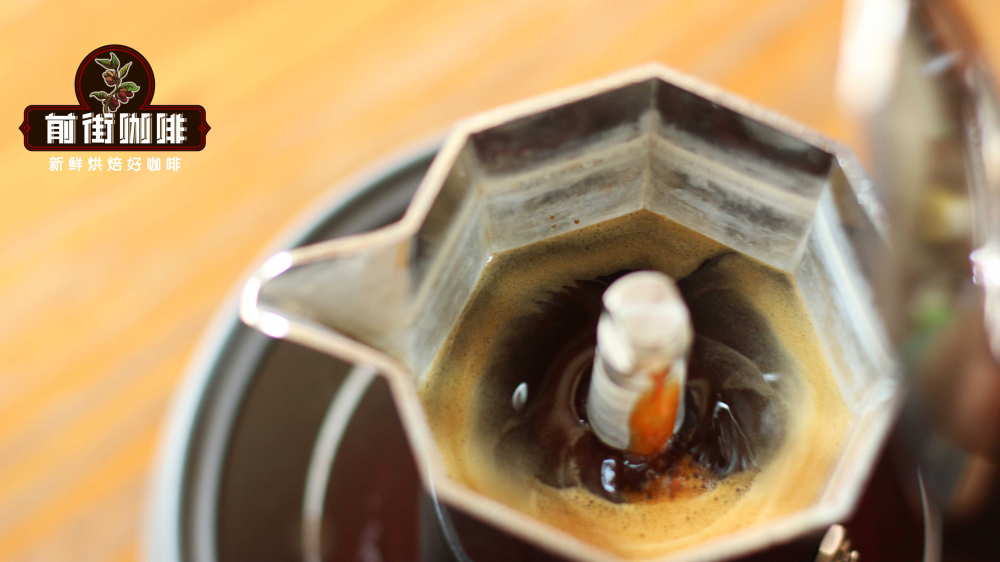
The correct extraction happens when, shortly after hearing a steady “wuu wuu” sound, the coffee rises steadily and slowly to the top of the upper chamber—turning off the heat at this point will yield the best extraction results.
5. How to make Americano and latte with a Moka pot?
The espresso brewed from a Moka pot can be easily transformed into various coffee drinks. For example, to make a Moka pot Americano, simply prepare a cup of about 300 ml, pour in 200 ml of warm water first, then add the brewed coffee from the Moka pot and stir well.
To make a latte, you can add fresh milk. It’s recommended to heat the milk to 60–65°C, as this temperature range helps the milk and coffee flavors blend better. After pouring the coffee, stir gently, and your simple homemade latte is ready.
The above content is compiled by CoffeeHunters, a coffee news website.


