







Introduction:The washed Yirgacheffe Guji Dingding coffee is renowned for its bright fruity aroma and tea-like aftertaste, making it a popular choice for many pour over beginners. This article delves into its terroir, the origin of its berry notes, and provides practical V60 three-stage pouring parameters to help you extract a balanced cup with berries, citrus, and tea flavors — perfect for coffee enthusiasts eager to explore Ethiopian coffee profiles.
Berries are not the name of a single fruit. In the SCA (Specialty Coffee Association) Flavor Wheel, it is a distinct flavor category that includes common berries such as strawberries, blueberries, raspberries, and blackberries, as well as less typical ones like mulberries and cranberries. Among the many coffees that exhibit berry characteristics, the washed Guji Dingding Cooperative beans from Ethiopia’s Yirgacheffe region stand out with their vibrant citrus acidity, delicate floral notes, and particularly a tea-like finish — earning them favor among many pour over lovers.
 Berry-toned coffee beans are not rare, but when it comes to selecting a washed variety that offers clear berry notes, tea-like qualities, and citrus acidity, many specialty shops often recommend three: first is the Kenyan “little tomato” (with cherry tomato, dark plum, and raspberry notes, bursting with juiciness), second is the Rwandan Red Bourbon (showcasing red berries, citrus, and green tea aromas), and the third — the star of this article — is the washed Yirgacheffe from Ethiopia’s Guji Dingding Cooperative. This coffee not only boasts intense white floral and berry aromas, but also delivers bright acidity and a soft tea-like body, making it exceptionally well-suited for V60 pour over brewing.
The Guji Dingding Cooperative is located in the Guji zone, southeast of Ethiopia’s Yirgacheffe region. It is a well-established farming collective composed of around 300 smallholder farmers, founded in 2012. These farmers were originally mostly part of the Guji Cooperative and possess solid cultivation and processing experience. Guji Dingding employs traditional washed processing methods, using meticulous depulping, fermentation, and washing steps to remove impurities and off-flavors, resulting in a clean, bright cup with layered citrus and floral notes that are approachable even for new drinkers.
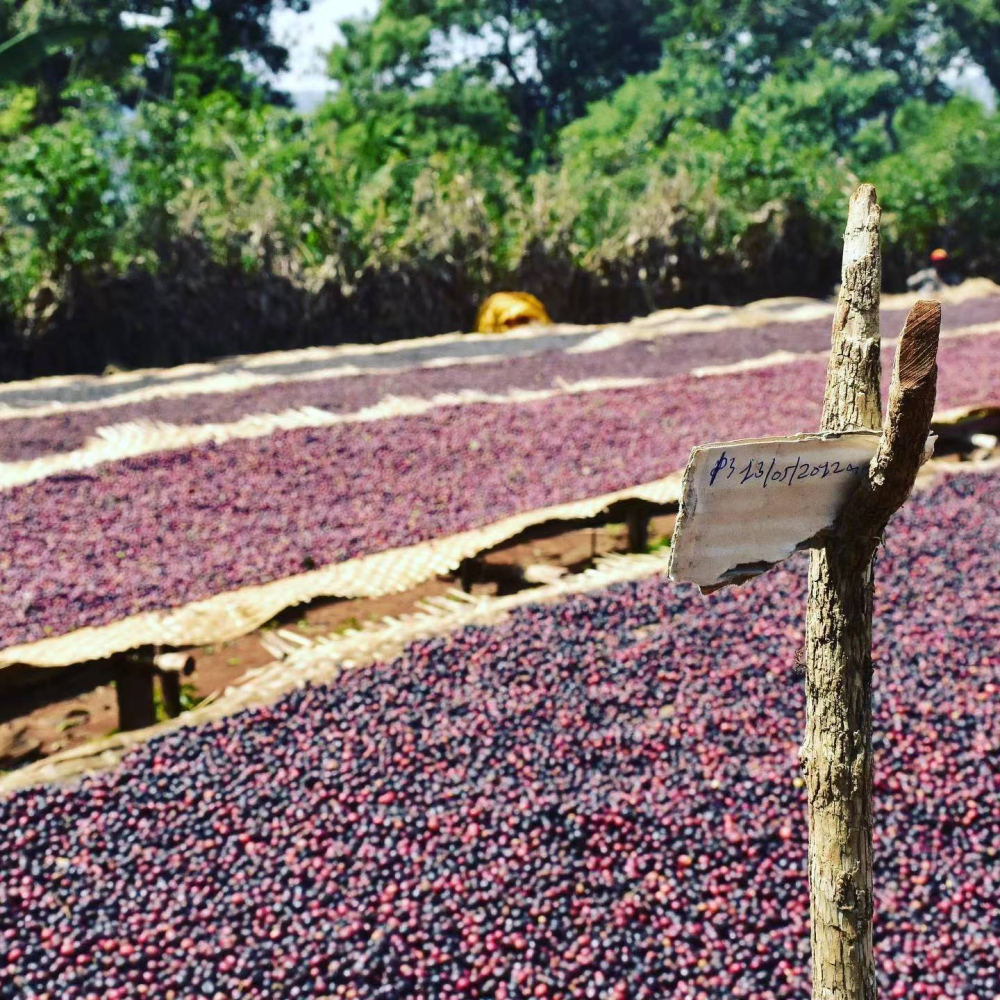 Yirgacheffe is situated in Ethiopia’s high-altitude regions, with coffee plantations often reaching elevations of 2,000 meters, and some areas approaching 2,100 meters. The high altitude slows down the ripening process of coffee cherries, allowing for greater accumulation of sugars and flavor compounds, thus maximizing the potential of the Arabica variety. Coupled with nearby water sources such as Lake Turkana, Lake Abaya, and Lake Chew Bahir, which provide ample moisture, the area enjoys cool and humid year-round weather with significant diurnal temperature variations — all of which contribute to Yirgacheffe coffee’s signature floral, citrus, and berry notes.
Unlike large-scale estate-focused production models, most Ethiopian coffee is grown by smallholder farming families, typically cultivating just around one hectare per household with limited output. As a result, coffee is often processed and sold collectively through cooperatives. This model not only enhances quality control but also ensures fair income for farmers. Well-known regional coffees such as Guji Dingding, Worka (Wokka), Konga, and Adado are sold under cooperative names and have become common product labels in the market.
Why does washed Yirgacheffe exhibit bright acidity reminiscent of citrus and lemon? While traditional natural (sun-dried) processing preserves more fruit pulp flavors, it can also introduce earthy, over-fermented, or rotten fruit notes. Washed processing, on the other hand, uses strict steps such as soaking, fermentation, and washing to eliminate defective beans and undesirable flavors, resulting in a purer, brighter acidity and fruit character. This is also why many coffee beginners, upon their first encounter with Yirgacheffe, are captivated by its fresh citrus and berry aromas.
This washed Guji Dingding Cooperative coffee, released by a certain roaster, is medium-light roasted to emphasize the inherent fruity and regional characteristics of the beans. In cupping, its dry aroma features the bright acidity of passionfruit, citrus, and berries, while the wet aroma is dominated by citrus and berries. Upon tasting, one can perceive bright citrus acidity, sweet berry notes, along with almond-like nuttiness and a soft tea-like body. The finish carries a honey-like sweetness. The overall body is light, but the layers are distinct, clean, and refreshing — highly suitable for pour over or cold brew.
How can you use the pour over method to bring out the berry and tea notes of Guji Dingding coffee? Experienced baristas recommend using the V60 dripper with a three-stage pouring technique. This not only enhances the layered extraction of flavors but also helps avoid over-extraction or under-extraction. Using 15 grams of coffee as an example, a 1:15 coffee-to-water ratio is advised, with a total of 225 milliliters of water poured in three stages: the first stage is a 30 ml bloom (for 30 seconds), the second stage is 95 ml (added around the 55-second mark), and the third stage is 100 ml (added in the final phase). The total brew time should be kept around 2 minutes.
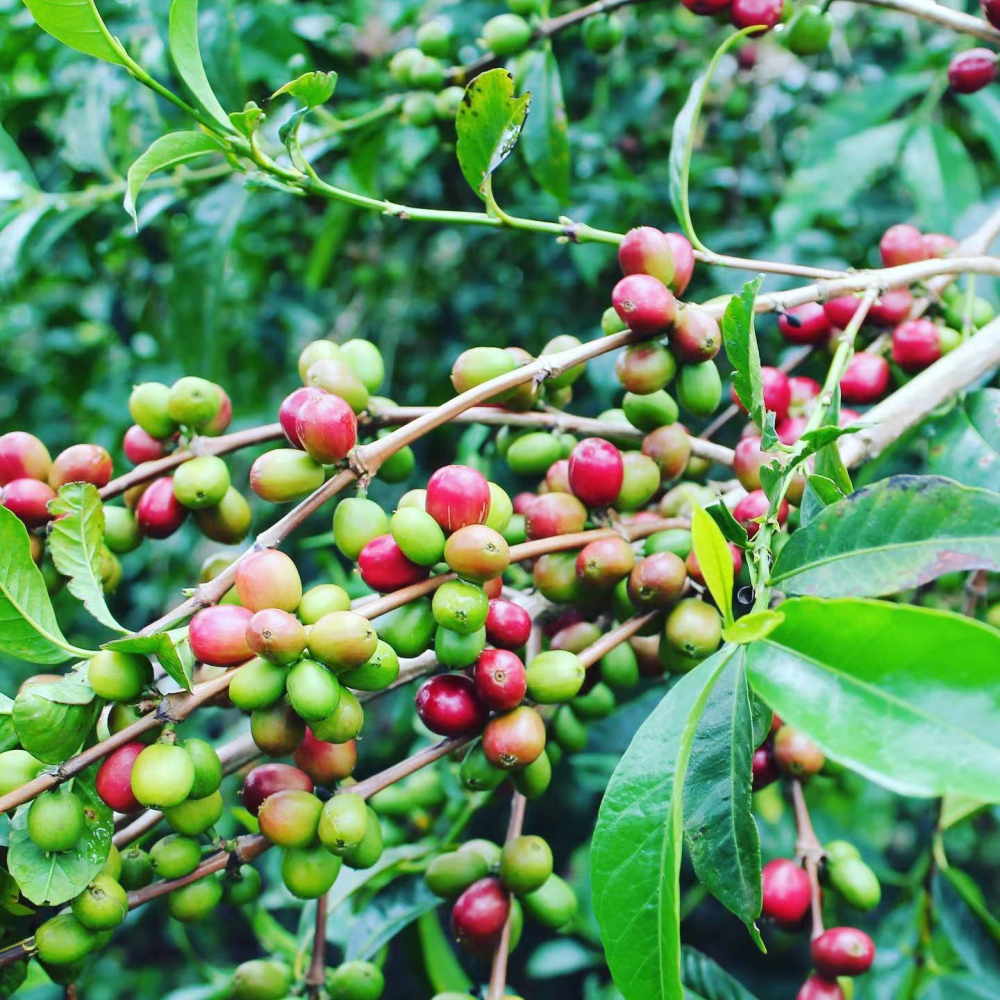 In terms of equipment and parameters, it is recommended to use a Hario V60 dripper. Its spiral ridges help release trapped gases in the coffee bed, promoting the release of acidic compounds. Water temperature should be maintained between 92°C and 93°C, ideal for lightly roasted Guji Dingding coffee to highlight its floral and berry notes. For grind size, a medium-fine grind akin to caster sugar (approximately 78% passing through a standard Chinese No. 20 sieve) is suggested. If the grind is too coarse, under-extraction may occur, resulting in weak flavors; if too fine, over-extraction at high temperatures could lead to bitterness.
Regarding coffee-to-water ratios, anything between 1:15 and 1:16 can be experimented with. If you prefer a stronger body, choose 1:15; if you want clearer floral and tea notes, increase to 1:16 to allow the flavors to open up more. Overall, this washed Guji Dingding coffee, with its bright acidity, berry aroma, and soft tea-like body, is perfect for beginners to explore the charm of Ethiopian coffee through pour over — and is also considered a classic entry-level bean choice among many coffee aficionados.
The above content is compiled by CoffeeHunters, a coffee news website.


