








Introduction:Earl grey coffee is a convenient option that still preserves the flavor of pour over brewing, but many people often mistakenly believe that simply pouring coffee grounds directly into a cup or steeping them for a long time is the correct method. This article explains the proper steps for brewing earl grey coffee, including key techniques such as blooming and pulse pouring, and recommends three premium single-origin earl grey coffees from Yirgacheffe, Brazil, and Sidamo to help you easily master extraction essentials and enjoy a richly layered coffee experience.
Can earl grey coffee be brewed directly in a cup? Many users have the habit of pouring out the coffee grounds and directly adding water, or leaving the entire earl grey pack hanging in the cup for an extended soak. However, these methods often fail to fully showcase the aroma and complexity of the coffee. In fact, by mastering the correct brewing process, you can easily extract the best flavors from earl grey coffee. Below, we’ll guide you through the standard earl grey brewing method and recommend three distinctive premium earl grey coffees—from washed Yirgacheffe, Brazilian natural to Sidamo natural—each with its own unique flavor profile.
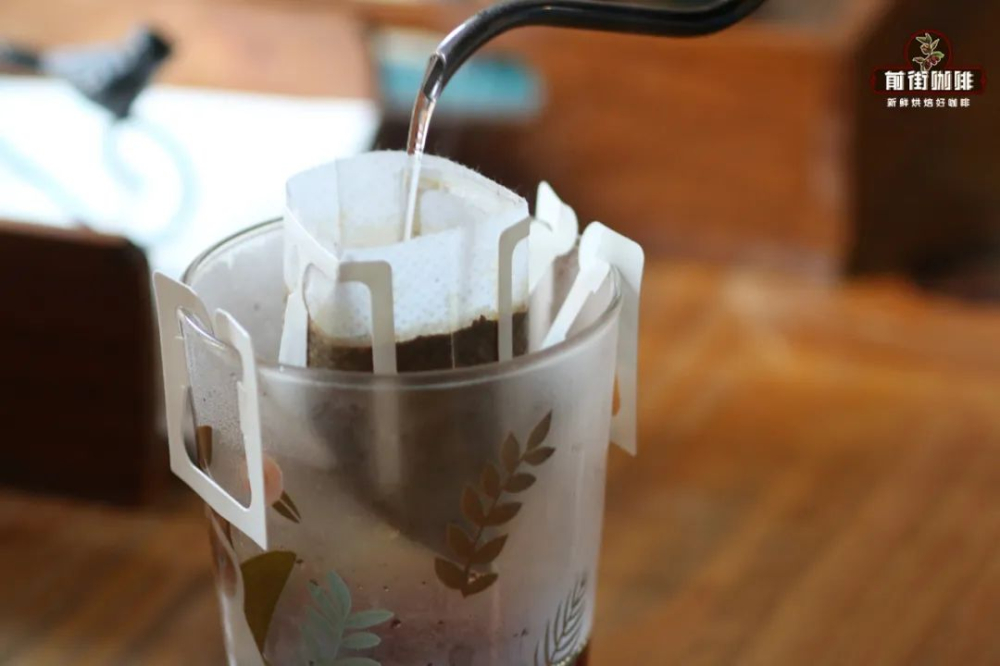
Before you begin, prepare a kettle of freshly boiled hot water (recommended at about 90–94°C), a pour over kettle, your favorite coffee cup, and a 10-gram packet of earl grey coffee. Each packet yields approximately 120–130 milliliters of coffee liquid, suitable for single servings. First, tear open the outer packaging of the earl grey pack, cut along the dotted line to separate the non-woven filter bag, then unfold the two “ears” on either side and hang them on the rim of the cup to secure. This step ensures the coffee grounds bed remains stable, aiding in even pouring and filtration.

Next comes the crucial blooming stage. Start by evenly wetting all the coffee grounds with a small amount of hot water (about 20–30 grams) to allow the coffee grounds to fully expand. This action is called “blooming,” which lasts approximately 10–20 seconds. Blooming effectively releases carbon dioxide from the coffee grounds, laying a solid foundation for subsequent extraction and making the flavors clearer and more balanced. Once blooming is complete, you can begin the main pouring phase.
It is recommended to use a fine and steady stream of water, pouring in circular motions from the inside out and then from the outside in, keeping the water flow slightly high to help achieve even extraction. First, pour about 80–100 grams of water, wait until the coffee liquid drips down to about half, then continue adding water up to a total of approximately 150 grams. The overall brewing time should be controlled to around 2 minutes for optimal results; too long or too short may affect flavor expression. Once all the coffee liquid has completely filtered through, you can remove the earl grey pack and enjoy a flavorful pour over-style coffee.

Freshly brewed earl grey coffee is recommended to be gently shaken to better integrate the flavors. You can enjoy it as black coffee to savor the original taste, or adjust with sugar or milk according to personal preference. If you wish to fully experience the delicate layers of the coffee, it’s recommended to first taste it black to appreciate its bright acidity, rich fruitiness, and sweetness.
To maximize the freshness of the coffee, these earl grey packets are made from freshly roasted beans ground just before packaging. The coffee beans are ground and sealed within 5 days of roasting, and typically arrive at about 3–5 days post-roast, right in their prime. It is advised to consume them soon after opening to avoid flavor loss due to prolonged storage, which could affect overall taste quality.

The first recommendation is the "Washed Yirgacheffe Gedi Dingding Cooperative Earl Grey Coffee" from Ethiopia’s Yirgacheffe region. This coffee is processed using the washed method, enhancing the classic bright acidity and fresh floral notes typical of Yirgacheffe. Grown at a high-altitude environment of about 1900–2300 meters, it offers delicate flavors of citrus, berries, and green tea, paired with a moderate sugarcane sweetness. It’s a very classic and beginner-friendly African origin bean.
The second is the "Brazilian Queen Estate Coffee Bean" earl grey, sourced from the high-altitude mountainous regions of Brazil’s Mogiana area. The Queen Estate is known for its hand-picking and small-batch, artisanal processing. This coffee uses the Yellow Bourbon variety and is medium-dark roasted, featuring rich notes of dark chocolate, cream, and nuts, with a smooth mouthfeel and a natural sweet finish of peanuts and sugarcane. It’s an excellent choice for those who enjoy South American-flavored coffees.
Finally, we recommend the "Sidamo Huakui Earl Grey Coffee," a natural-processed coffee from Ethiopia’s high-altitude Sidamo region (approximately 2250–2350 meters). It has received widespread praise for its unique strawberry cream and berry flavors. The name "Huakui" comes from its outstanding performance in competitions. Using local native varieties and refined natural processing techniques, it presents a multi-layered sweet and sour taste profile of honey, passionfruit, black tea, and lemon—ideal for coffee lovers who enjoy intense fruitiness and complex flavors.
The above content is compiled by CoffeeHunters, a coffee news website.


