







Introduction:Want to enjoy solo time with a pour over coffee, but often troubled by insufficient beans or just wanting a single cup? Using a large dripper with a small coffee dose not only leads to uneven extraction, but also easily causes flavor loss. The Japanese-designed V30 30-degree cone dripper is specifically made for small doses of under 15 grams, forming a denser coffee bed that brings out richer taste and layers. This article uses multiple beans in practical tests, shares comparison results between the V30 and V60, and explains in detail the filter paper folding method, brew ratio, grind size, and water flow control — helping you master the golden parameters for precise small-dose pour over brewing.
The charm of pour over coffee lies in the ability to adjust each variable according to personal taste. However, the commonly used Hario V60 size 01 dripper, while suitable for most situations, recommends a coffee dose of 15–20 grams. When you’re left with less than 15 grams of beans, or just want to enjoy the concentrated flavor of a single cup, using a large dripper for a small dose can lead to an overly thin coffee bed. This not only makes the water flow too fast, but also makes extraction harder to control, often resulting in a thin-tasting, aroma-lacking cup.
To address such issues, the Japanese equipment brand Tarachine Conical has introduced a 30-degree cone dripper designed specifically for small doses, commonly known as the ‘V30’. Its unique cone angle and structure allow for a deeper, more stable coffee bed even with small doses, effectively extending the contact time between water and coffee grounds, and bringing out a richer range of layers and a fuller body.
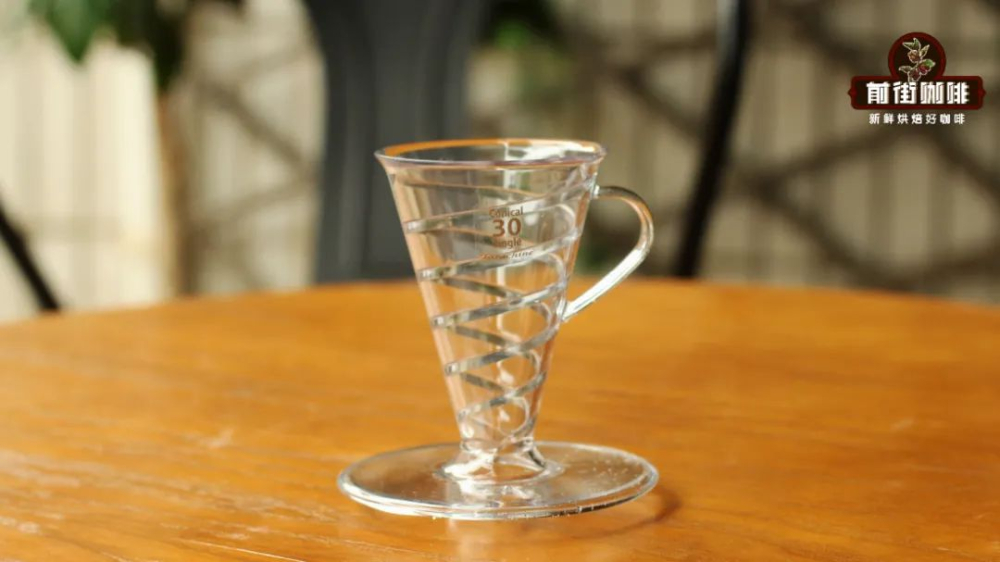
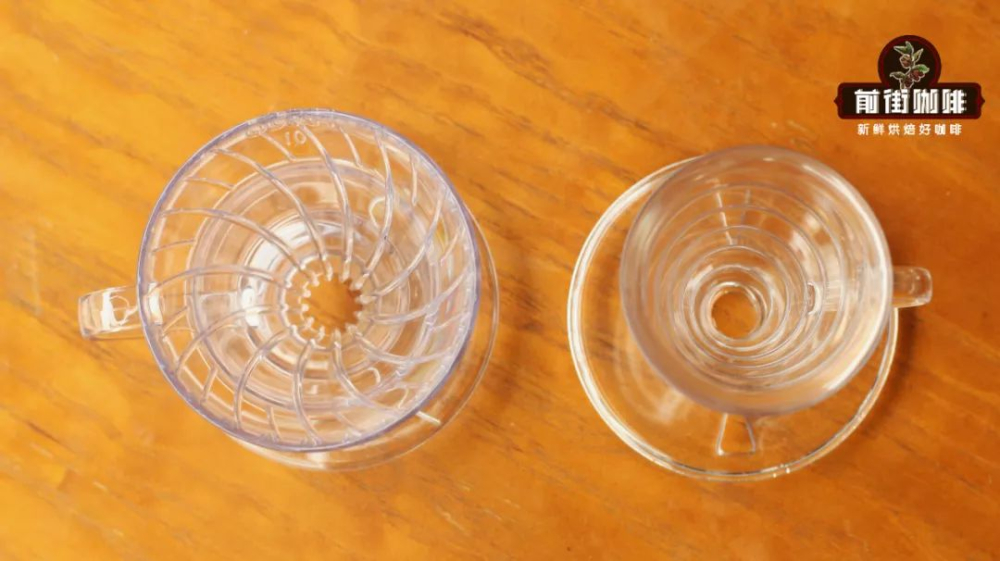
The V30 differs from the commonly used V60 size 01 and 02 drippers. The V60 size 01 is suitable for 15–20 grams of coffee, while the 02 is designed for large extractions serving 4–5 people. In contrast, the V30 adopts a 30° small cone angle, with a cup diameter of only 6 cm, but a height of 11 cm. This design helps concentrate the coffee bed, maintaining good extraction efficiency even when using just 8–15 grams of coffee.
Looking at its base, the V30’s filter holes are relatively small, about 1.5 cm in diameter (compared to 2 cm for the V60 01), along with two clockwise spiral channels that effectively guide the water flow, extending the soaking and releasing time of the coffee grounds, thereby enhancing the richness and consistency of extracted flavors.
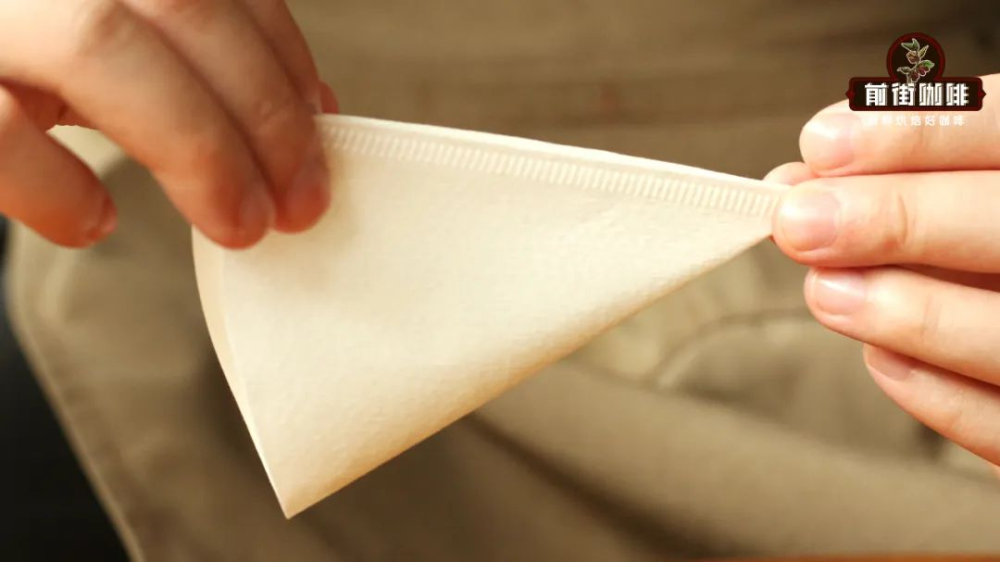
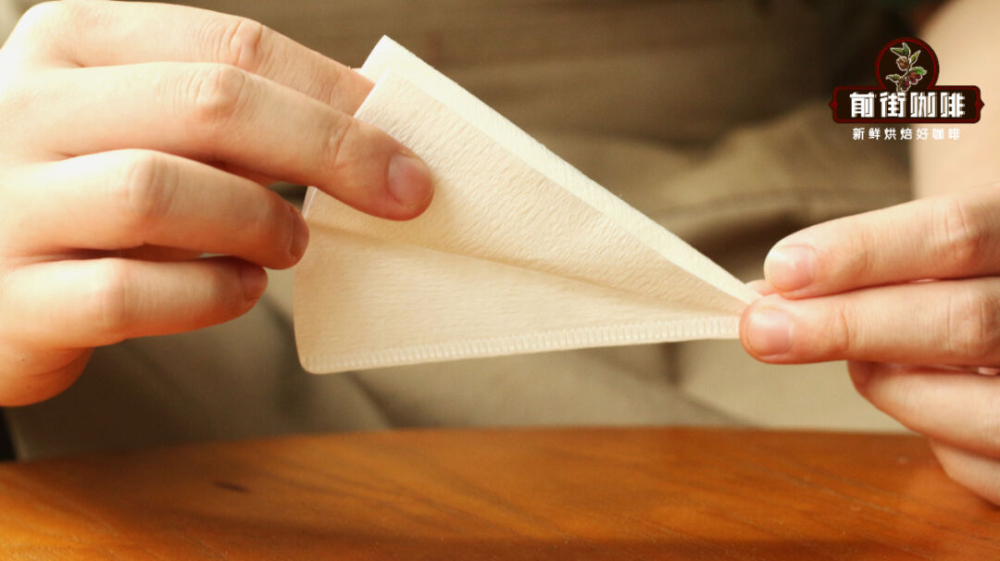
Regarding the use of filter paper, in addition to the official filter paper, you can also use commercially available Hario large-size filter paper as a substitute. However, if you simply fold it in half and place it in the V30, it can easily result in uneven thickness — one side being single-layered and the other triple-layered — affecting extraction uniformity. Below is a practical folding method that helps the filter paper lie flat and adhere well:
First, align the two radii of the filter paper and fold it in half; next, align the unconnected radius on one side inversely to the centerline and pinch it gently to secure it; do the same for the other side, treating it symmetrically like folding a paper airplane; finally, open the folded ribs from the middle, then place the filter paper aligned with the V30’s cone angle.
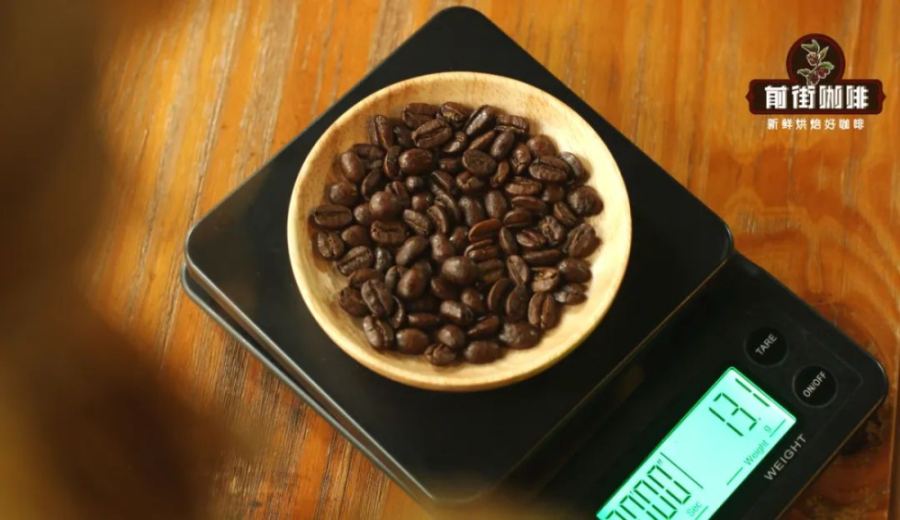
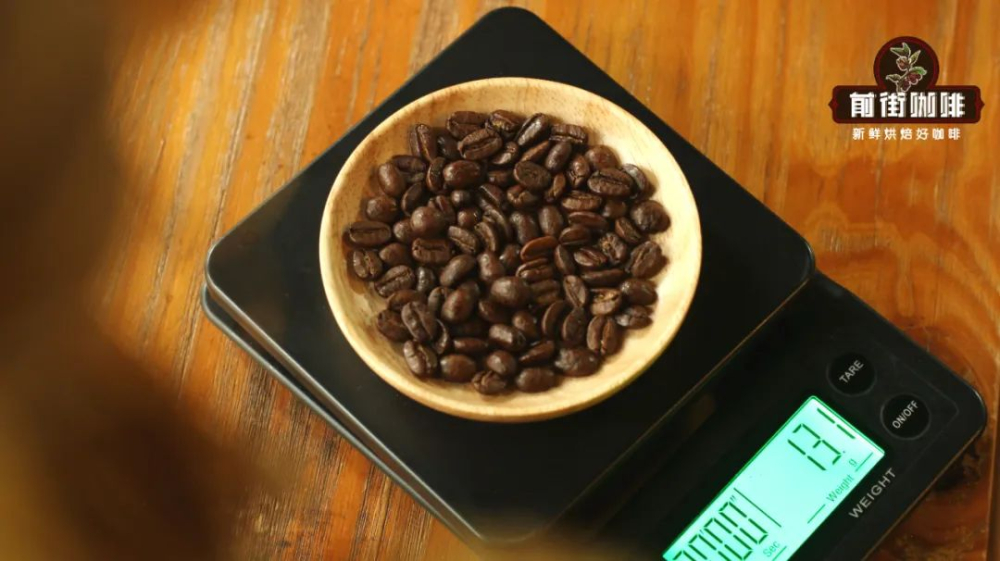
During actual testing, one shop first chose a Kenyan · Assaria bean with prominent acidity, using 13 grams of coffee, a brew ratio of 1:15, a water temperature of 92°C, and the EK43s grinder set to grind size 10 (about 80% through a 20-mesh sieve), employing a three-stage pouring method: 25g, 75g, and 95g.
The results showed that due to the thinner coffee bed and slower flow rate, there was even slight blockage towards the end, with the total brew time being 2 minutes and 23 seconds. In terms of flavor, while berry and black tea notes could be perceived, the overall body was lacking, and the aroma was rather faint. This was determined to be related to the water absorption characteristics of the light roast bean and the deep coffee bed structure of the V30, with the extended contact time in the final stage leading to flavor imbalance.
Next, they switched to a medium-dark roasted Jamaican Blue Mountain No. 1, also using 13 grams of coffee, a 1:15 brew ratio, and lowering the water temperature to 88°C. The grind size was adjusted to EK43s setting 10.5 (about 75% through a 20-mesh sieve), again using the same three-stage pouring method.
This time, the brew time was shortened to nearly 2 minutes, with smooth flow and even distribution of the coffee bed walls. Compared to the commonly used KONO dripper, the V30 produced a smoother and silkier Blue Mountain cup. Although it was slightly less full-bodied, the dark chocolate aroma was distinct, with a clear sweet aftertaste in the finish, demonstrating the stable performance of medium-dark roasted beans.
To further verify, one shop selected three medium-roasted beans (Colombia · Gesha, Guatemala · New Oriental Geisha, Honduras · Lishilan), all using 13 grams of coffee, the same brew ratio and grind size, and brewed them separately using the V30 and the V60 size 01 dripper, keeping all other variables consistent.
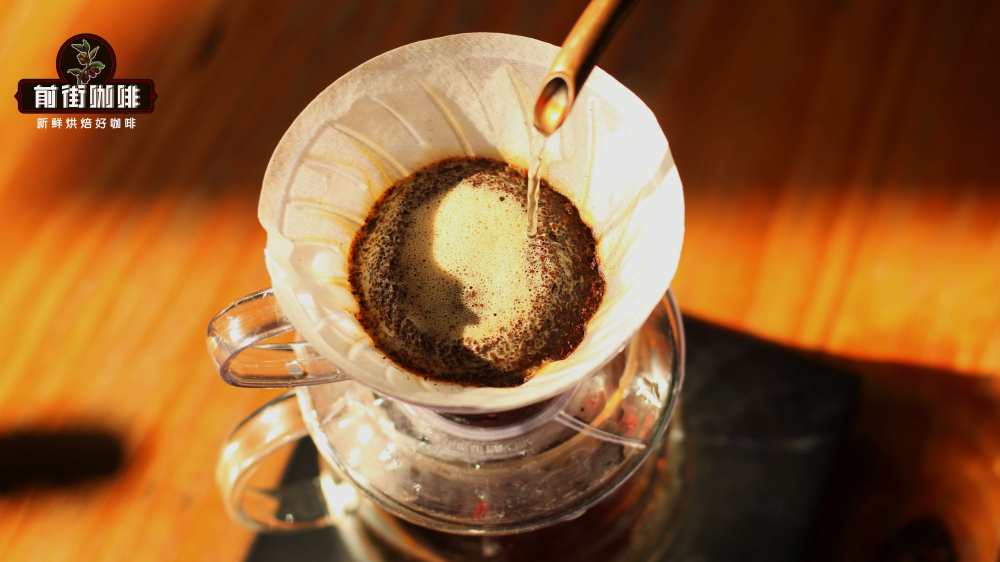
The practical test found that the V30 group had a brew time of about 2–2 minutes 10 seconds, while the V60 group only took about 1 minute 50 seconds. Observing the bottom of the drippers, the V30 formed a deeper coffee crater, indicating a denser coffee bed. In terms of flavor performance, the V30 better highlighted fruitiness, sweetness, and body, especially among the Gesha, Lishilan, and New Oriental Geisha beans, where the layers were richer and the mouthfeel rounder.
Based on multiple practical tests, we can conclude: with the same coffee dose, the V30 is able to form a thicker coffee bed wall, which not only slows down the water flow rate but also extends the water path due to its internal channeling design, helping improve overall extraction efficiency and flavor concentration. It is particularly suitable for medium to medium-dark roasted beans under 15 grams, clearly showcasing complex flavors such as caramel, dried fruit, apricot, and fermented wine notes.
However, when using the V30, keep the following in mind: it is recommended to control the coffee dose between 8–15 grams — too little may cause an unstable coffee bed, while too much may affect water drainage speed. In practice, it is advised to pour water in small streams in a circular motion, evenly distributing it in stages, avoiding a high liquid level that might cause overflow, while maintaining a steady extraction rhythm — only then can you fully leverage the V30’s advantages in small-dose pour over brewing.
The above content is compiled by CoffeeHunters, a coffee news website.


