







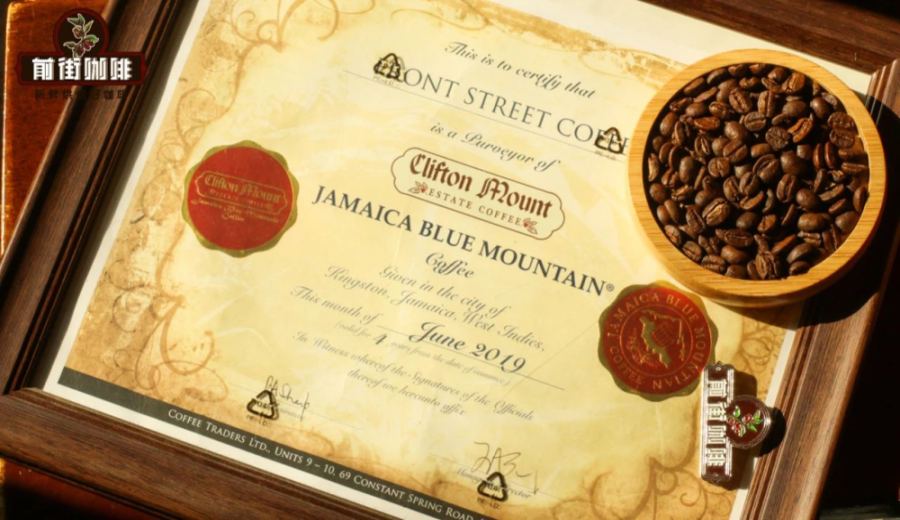
Introduction:Learn how to brew a classic cup of Jamaican Blue Mountain coffee at home with precision. This article provides a detailed guide to the traditional pour-over process, from filter paper preparation and cup warming to the ideal coffee-to-water ratio and blooming time. It also shares tested parameters such as a water temperature of 88°C–92°C and using 15 grams of coffee to 90 milliliters of water. Additionally, it discusses the unique nutty, creamy, and cocoa layers of Blue Mountain coffee, helping you master the brewing techniques for high-altitude beans.
Want to successfully brew an authentic cup of Jamaican Blue Mountain coffee at home? This article will walk you through each step from basic preparation to completion, detailing the practical operations and key parameters, including how to fold the filter paper, warm the cup to eliminate paper odors, control the blooming time, and manage the rhythm and technique of pulse pouring. It also offers effectively tested coffee-to-water ratio suggestions to help you brew a balanced and flavor-clear cup of Blue Mountain coffee.
First, during the preparation stage, folding the filter paper is an important step.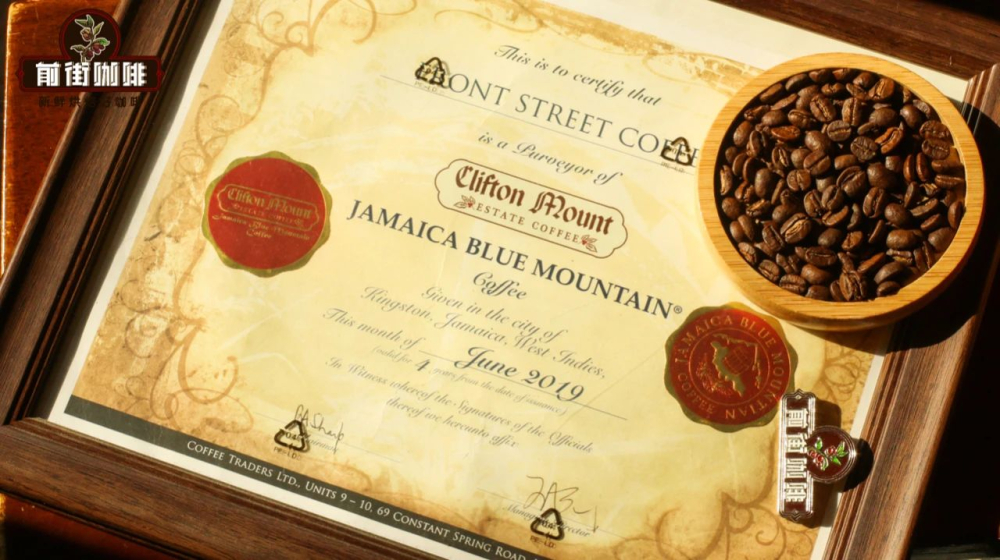 Fold the bottom of the filter paper inward, then fold the two sides in opposite directions. Open it up and place it in the pour-over dripper, ensuring the filter paper fits snugly against the inner wall of the dripper. This helps ensure even water flow during brewing. Next, place the dripper on top of the server and slowly pour hot water in a circular motion over the filter paper. This action not only preheats the equipment but also removes any paper odor, resulting in a purer coffee flavor.
After warming the cup, the next step is to add the coffee grounds. It is recommended to use15 gramsof Jamaican Blue Mountain coffee beans, typically ground to a medium-fine consistency, similar to the texture of fine sugar. After placing the coffee grounds in the dripper, gently shake it to level the surface, which helps ensure even heat absorption during blooming. At this point, you can prepare your gooseneck kettle and pour about180 millilitersof purified water, keeping the water temperature between88°C and 92°C. Water that is too hot can result in overly bitter and burnt flavors, while water that is too cool may lead to overly pronounced acidity.
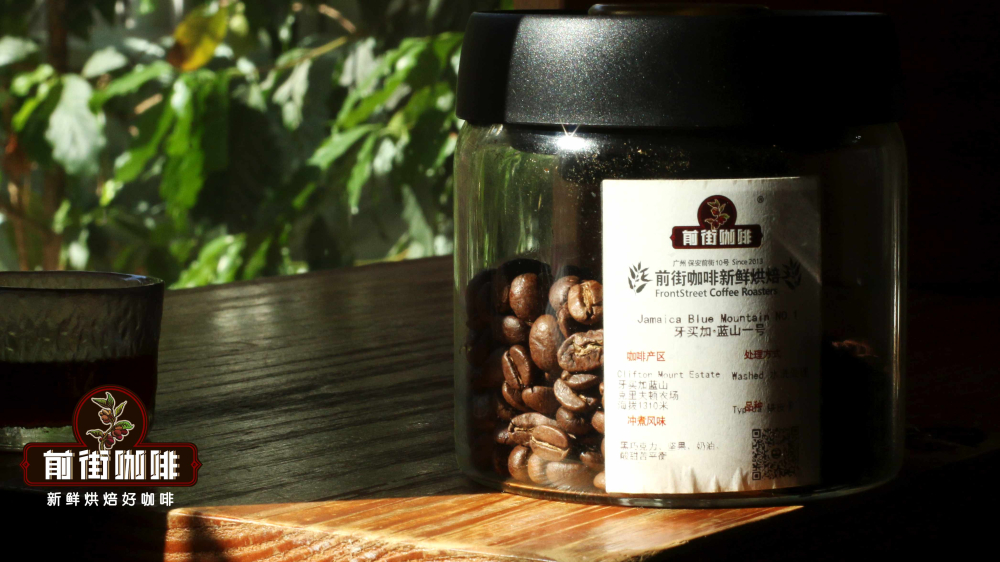 Next comes the blooming stage, a crucial step in pour-over brewing that awakens the aroma and flavor of the coffee grounds. Starting from the center of the coffee bed, slowly pour water in small circles to allow each coffee particle to absorb water evenly, and stop pouring once the first drops of coffee fall into the server. The total blooming time is recommended to be around10 to 20 seconds. This allows the coffee grounds to release aromatic compounds, laying a solid foundation for subsequent extraction.
Once blooming is complete, you can begin the main pouring phase. It’s recommended to zero the scale under the server, then steadily pour75 millilitersof hot water in a circular motion, and wait approximately10 secondsto allow for more thorough extraction. Then continue pouring the remaining hot water in the same manner. The overall coffee-to-water ratio is roughly1:12 to 1:15, which can be slightly adjusted based on personal taste preferences. Pay attention to maintaining a stable rhythm and even water flow during pouring, avoiding direct impact on the center of the coffee bed to preserve balanced flavor extraction.
After completing the pouring and extraction, pour the brewed coffee into a pre-warmed cup. This step also helps preserve the full aroma and flavor of the coffee. Warming the cup isn’t just a ritual—it ensures the coffee performs at its best when tasted.
Finally, let’s discuss the unique flavor profile of Jamaican Blue Mountain coffee. This coffee, grown in the high-altitude regions of the Caribbean, is known for its balanced harmony of acidity, sweetness, and bitterness. Upon tasting, you can often detect distinctnutty, creamy, and cocoanotes, accompanied by a gentle berry-like acidity and a hint of black sugar sweetness in the aftertaste. The interplay of these flavor layers makes Blue Mountain coffee highly enjoyable even without milk or sugar.
In summary, brewing Jamaican Blue Mountain coffee at home with a pour-over method is both a skill and a pleasure. By mastering the right coffee-to-water ratio, water temperature control, and blooming techniques, you can experience the unique charm of this world-class coffee bean in the comfort of your home. Whether you’re a coffee beginner or an experienced enthusiast, this pour-over guide will provide you with practical insights and inspiration.
The above content is compiled by CoffeeHunters, a coffee news website.


