







Introduction:Cold brew coffee, with its smooth and low-acid taste, has become the go-to summer choice for many coffee enthusiasts. Unlike traditional hot brewing methods, cold brew uses low-temperature, long-duration extraction to effectively reduce the release of bitterness and stimulating compounds, resulting in a smoother drinking experience. This article explains in detail why cold brew tends to have lower acidity and astringency, outlines the standard brewing process, covers key parameter settings, and discusses the optimal shelf life under different brewing methods — all to help you easily make well-balanced and rich cold brew coffee at home.
Cold brew coffee has gained popularity around the world in recent years, especially among those who prefer a refreshing taste. Compared to high-temperature extraction, cold brew utilizes room temperature or refrigerated environments along with extended steeping times to produce a rounder coffee flavor, significantly lowering acidity and bitterness. The key to this method lies in temperature control and prolonged brewing time, allowing only mild soluble substances to be extracted, thereby delivering a profile that is low in acid and gentle on the palate.
So, how can you also make a cup of well-balanced cold brew coffee at home? From equipment selection, coffee bean grind size, coffee-to-water ratio, to extraction time and storage methods — each step influences the final taste. This article will guide you through each element step by step to help you master the essence of making cold brew coffee.
First, preparing a suitable cold brew container is the first step. If you don’t have a dedicated cold brew bottle, don’t worry — just choose a glass bottle with enough capacity or a clean plastic container, and prepare plastic wrap for sealing, and you can still complete the brewing smoothly.
Next, selecting coffee beans that suit your taste is crucial. Take Costa Rica Mozart as an example: this bean features prominent floral notes, sweet raisin tones, and a subtle citrus finish, making it suitable for various brewing methods. It’s recommended to adjust the grind size to be similar to that of fine sugar, roughly corresponding to an 82%–85% extraction rate through a No. 20 sieve. If using an EK43s grinder, you can set the grind level to around 9; for hand grinders such as the C40, it’s suggested to adjust to setting 22. Actual values may vary slightly depending on your individual equipment.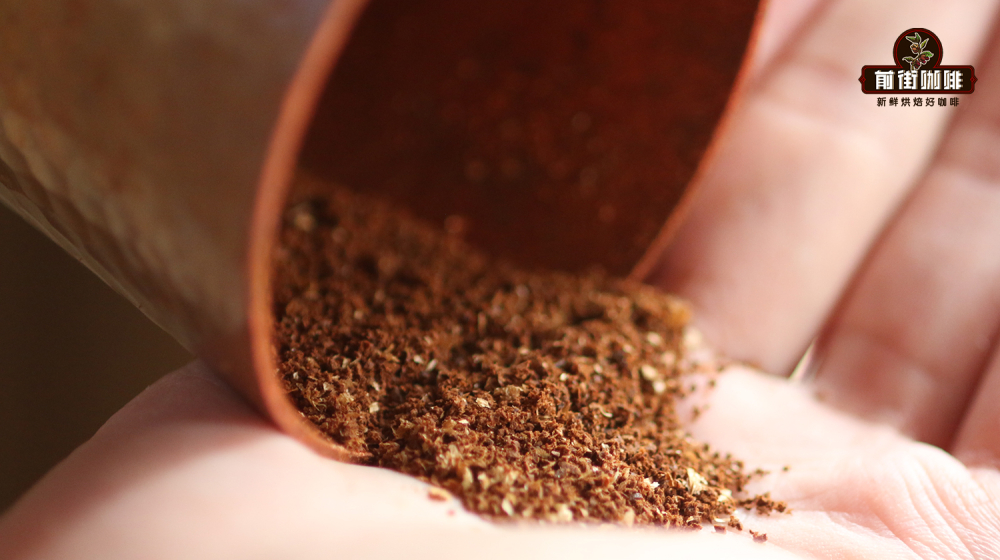
Before starting the extraction, it’s advised to weigh out 50 grams of coffee beans and mix them with 600 milliliters of room-temperature drinking water to achieve a 1:12 coffee-to-water ratio. This ratio can be further adjusted based on personal taste preferences — for instance, those who enjoy a stronger flavor can slightly increase the amount of coffee grounds. Be sure to note that the coffee grounds must be fully saturated in the water to avoid uneven extraction.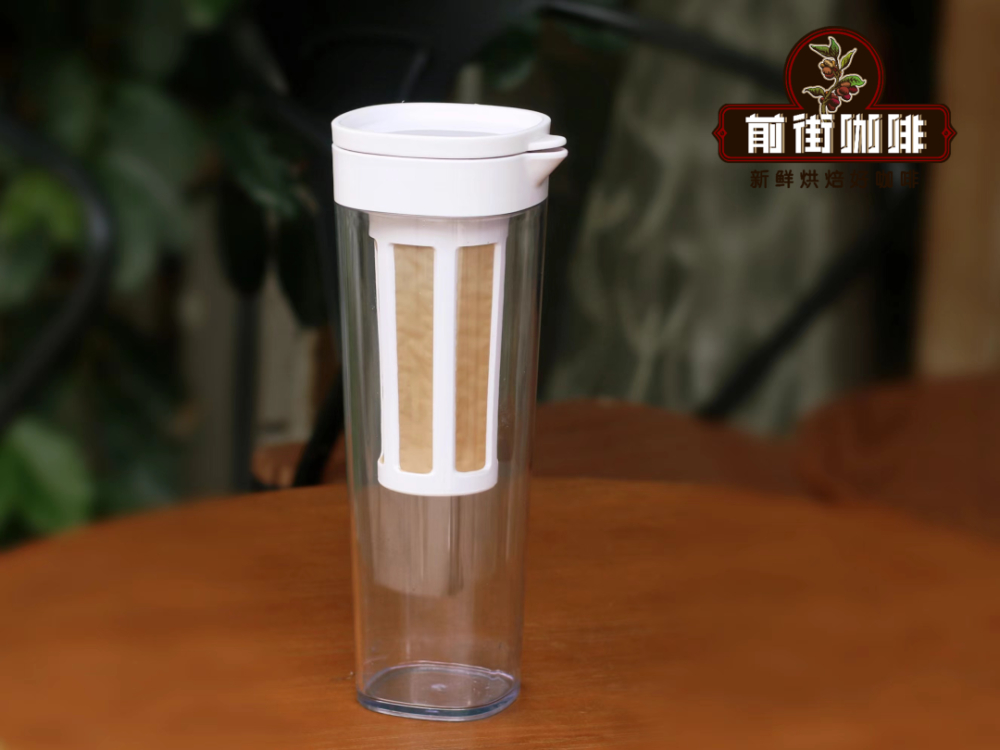
After mixing, seal the container and place it in the refrigerator for steeping. It’s recommended to let it sit for about 8 hours. During this time, the low-temperature environment helps minimize the release of acidic substances and overly bitter components, thereby creating a gentler drinking experience. Do not place it in the freezer, as this may negatively affect the extraction results and the flavor of the coffee.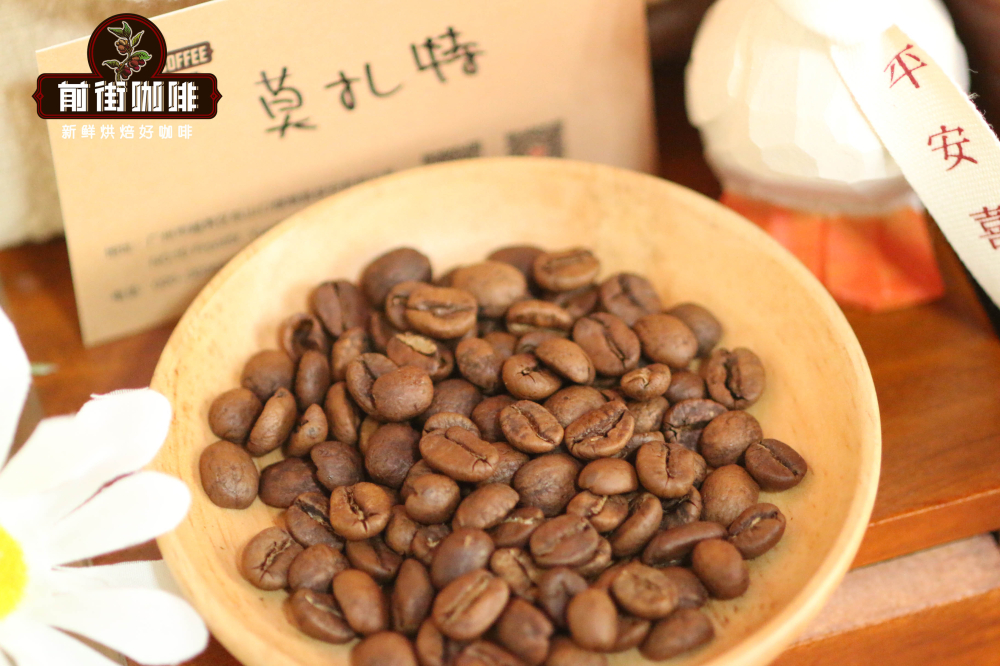
Once the extraction is complete, it’s recommended to first filter out the coffee grounds using a filter sieve, then follow up with a secondary filtration using filter paper to ensure a clean and smooth taste without any residue. If you prefer a more chilled flavor, adding ice cubes can enhance the overall drinking experience.
As for the shelf life of cold brew coffee, it is generally recommended to consume it within five days after brewing to ensure optimal flavor and food safety. Whether you're making cold brew or iced drip coffee, the low-temperature brewing process results in less microbial risk due to lower caffeine activity — but it's still best not to let it sit for too long. If you use the method of quick brewing with warm water, the higher temperature accelerates both the release of flavor compounds and the potential growth of bacteria, so it’s advisable to finish it within two days to reduce the risk of stomach discomfort.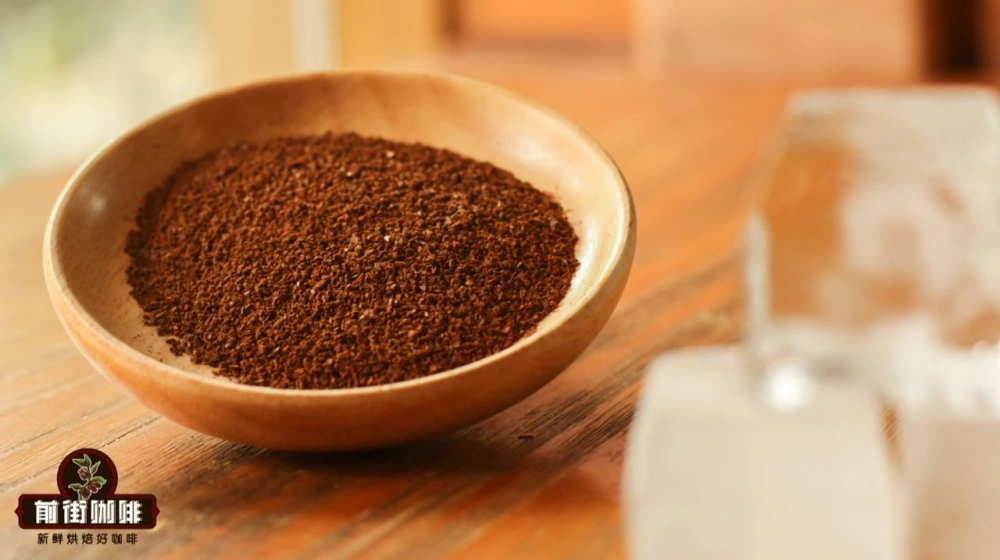
The above content is compiled by CoffeeHunters, a coffee news website.


